Fuel System: How to Diagnose, Test, and Fix Fuel Pump Issues
When your car sputters, stalls, or won’t start—even with a full tank—it’s often not the battery or spark plugs. It’s the fuel system, the network of parts that delivers gasoline from the tank to the engine. Also known as the fuel delivery system, it’s one of the most overlooked but critical parts of your vehicle. At its heart is the fuel pump, a motorized component that pushes fuel through the lines under pressure. Without it, your engine starves for gas, no matter how much you turn the key. The fuel pump relay, a small electrical switch that powers the fuel pump, often fails too, making it look like the pump itself is dead. And if your fuel pressure is too low, the engine can’t run smoothly, even if the pump is still spinning, you’re in trouble.
Most people think a bad fuel pump means a complete breakdown. But it’s rarely that sudden. You’ll notice warning signs first: hesitation when accelerating, sputtering on the highway, or the engine dying at idle. These aren’t random glitches—they’re the fuel system begging for attention. A weak pump doesn’t always quit outright. It just gets slower, weaker, and less reliable. That’s why testing fuel pressure with a simple gauge, listening for the pump’s hum when you turn the key, or checking the relay can save you from a tow truck. You don’t need a shop to find the problem. Many of these checks can be done in your driveway with basic tools. And if you’re wondering whether AutoZone can help, they can test some parts for free—but knowing what to ask for makes all the difference.
What’s really going on under the hood?
The fuel system isn’t just a pump. It’s a chain: tank → filter → pump → lines → regulator → injectors. If one link fails, the whole chain stumbles. A clogged fuel filter can mimic a bad pump. A faulty pressure regulator can cause flooding or lean running. And if you’ve ever tried to jump-start a car with a dead fuel pump, you know it won’t work—no matter how many times you turn the ignition. That’s because electricity powers the starter, not the fuel delivery. You need fuel pressure, not just a cranking engine.
This collection of guides covers exactly what you need to know: how to test your fuel pump without special tools, how to tell if it’s really dead, whether you can fix it yourself, and what to do when your car won’t start. No theory. No jargon. Just real steps you can follow. Whether you’re trying to avoid a mechanic’s bill or just want to understand why your car acted up last Tuesday, you’ll find answers here. The posts below walk you through every common symptom, test, and fix—so you don’t guess, you know.

Signs You Need a New Fuel Pump: Symptoms & Diagnosis
Struggling with a car that won't start or hesitates on the highway? Learn the key signs of a failing fuel pump, from unusual noises to diagnostic tests.
October 5 2026
How to Tell If Your Fuel Pump Needs Replacement: Signs & Fixes
Struggling with sputtering engines or hard starts? Learn the clear signs of fuel pump failure, from unusual noises to power loss, and how to diagnose it yourself.
August 30 2026
Can a Fuel Pump Be Bad and Still Work? Signs of Partial Failure
Discover how a fuel pump can fail gradually while still allowing your car to run. Learn the signs of partial failure, testing methods, and prevention tips.
August 20 2026
How to Fix a Bad Fuel Pump: Diagnostics, Temporary Fixes, and Replacement Guide
Struggling with a car that sputters or stalls? Learn how to identify a bad fuel pump, apply temporary fixes, and understand the real costs of replacement to avoid getting stranded.
August 17 2026
Does a Bad Fuel Pump Trigger the Check Engine Light? Symptoms & Diagnosis
Yes, a bad fuel pump can trigger the check engine light, often via codes like P0087. Learn how to diagnose fuel pressure issues, distinguish pump failure from other faults, and save money on repairs.
August 6 2026
Warning Signs of a Failing Fuel Pump: What to Watch For
Learn the early warning signs of a failing fuel pump, including whining noises, engine sputtering, and difficulty starting. Avoid costly breakdowns by recognizing these symptoms early.
July 19 2026
Will a Code Reader Tell You If Your Fuel Pump Is Bad? The Truth About OBD2 Diagnostics
Does an OBD2 scanner detect a bad fuel pump? Learn why code readers often miss mechanical failures, how to interpret P0087 codes, and the proper way to test fuel pressure manually.
June 22 2026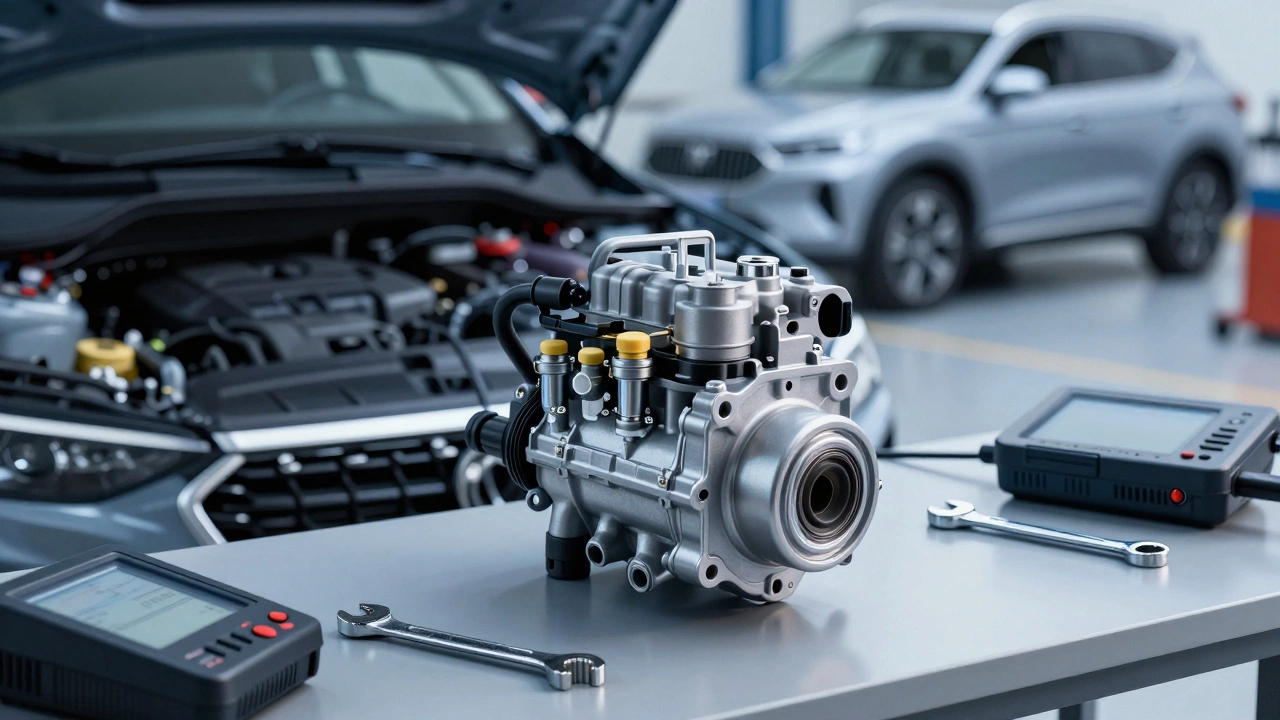
How Much Does It Cost to Replace a Fuel Pump in 2026? (UK Guide)
Find out the real cost of replacing a fuel pump in the UK in 2026. We break down parts vs labor, average prices by car type, and signs of failure to help you budget for this essential repair.
May 24 2026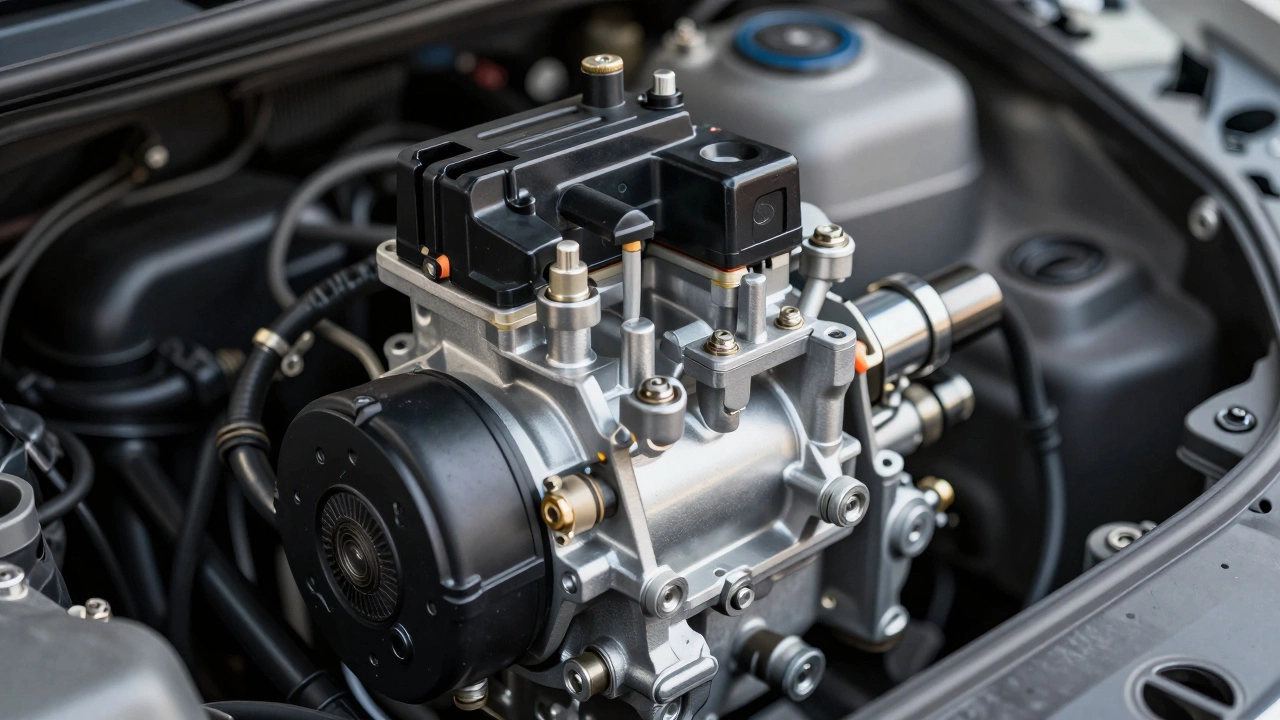
Replacing a Fuel Pump: Is It a DIY Job or a Mechanic's Task?
Find out if replacing a fuel pump is a DIY-friendly job. Learn the symptoms of failure, step-by-step replacement tips, and when to call a professional mechanic.
April 30 2026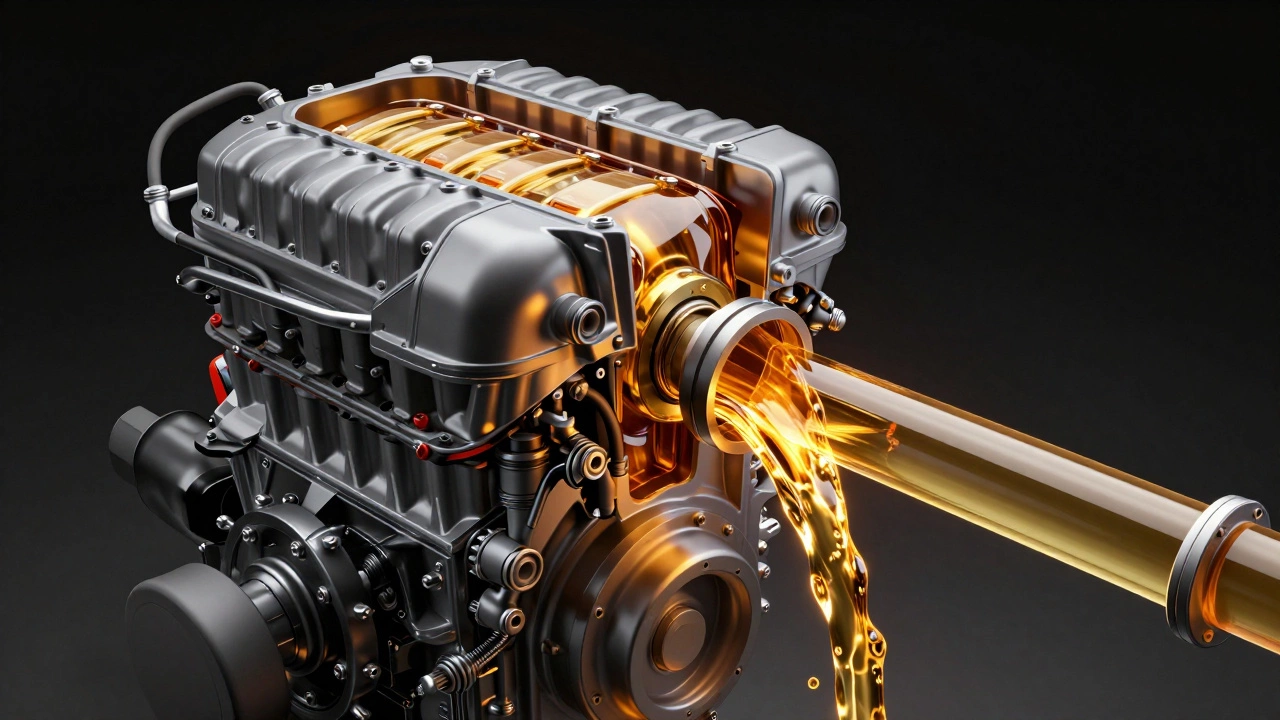
What Does a Fuel Pump Do? A Simple Guide to Your Car's Fuel System
Wondering what a fuel pump actually does? Learn how it moves gas, maintains pressure, and why running on empty can kill your car's engine performance.
April 13 2026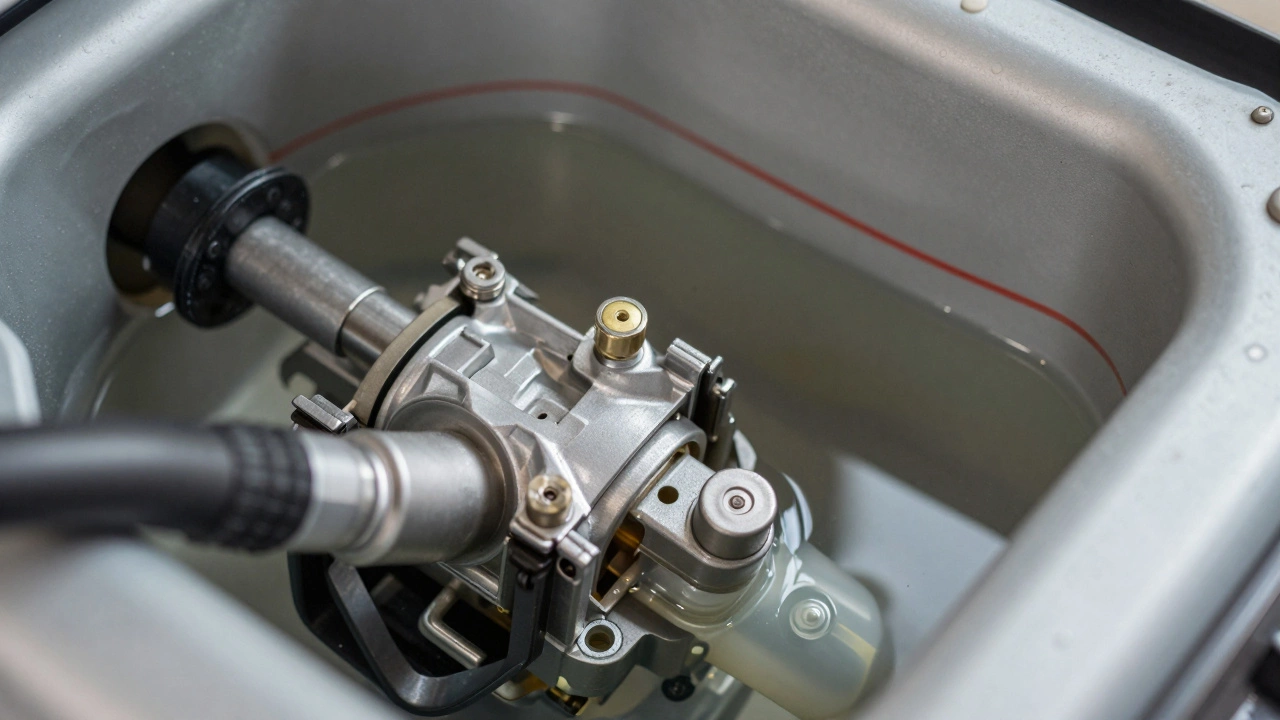
What Burns Up Fuel Pumps? Common Causes and How to Prevent Them
Fuel pumps fail from running on empty, dirty fuel, bad filters, electrical issues, or old gas. Learn how to prevent burnout and extend your pump’s life with simple habits.
March 5 2026
How Much Is a New Fuel Pump? Costs, Brands, and What to Expect
A new fuel pump costs between $250 and $1,200 depending on your car and labor. Learn what affects the price, how to choose the right part, and how to avoid costly mistakes when replacing it.
March 1 2026