Fuel Pump Failure Symptom Checker
Select the symptoms or error codes your vehicle is experiencing to calculate the probability of a fuel pump failure.
Physical Symptoms
OBD2 Error Codes
Assessment Result
Select symptoms above to generate an assessment.
Recommended Next Steps:
- Select symptoms to see recommendations.
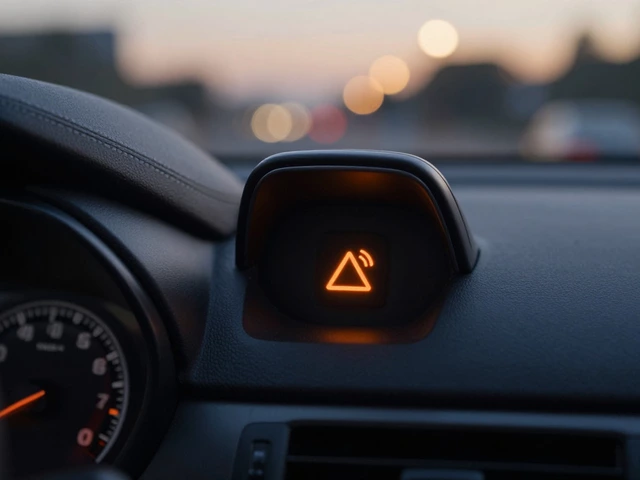
Your car stalls on the highway, or maybe it just refuses to start in the morning. You look at the dashboard and see that ominous orange icon glowing: the check engine light. It’s frustrating, but you’re not alone. One of the most common questions drivers ask is whether a failing fuel pump can actually trigger this warning. The short answer is yes, but it’s rarely as straightforward as "light on equals broken pump." The reality is more nuanced, involving how your car's computer interprets data from various sensors.
Understanding the connection between your fuel system and the engine control unit (ECU) can save you hundreds of pounds in unnecessary repairs. If you ignore the signs, a minor electrical glitch could turn into a catastrophic engine failure. Let’s break down exactly what happens inside your vehicle when the fuel delivery system starts to struggle, why the light comes on, and how to tell if you really need a new pump.
The Connection Between Fuel Pressure and the ECU
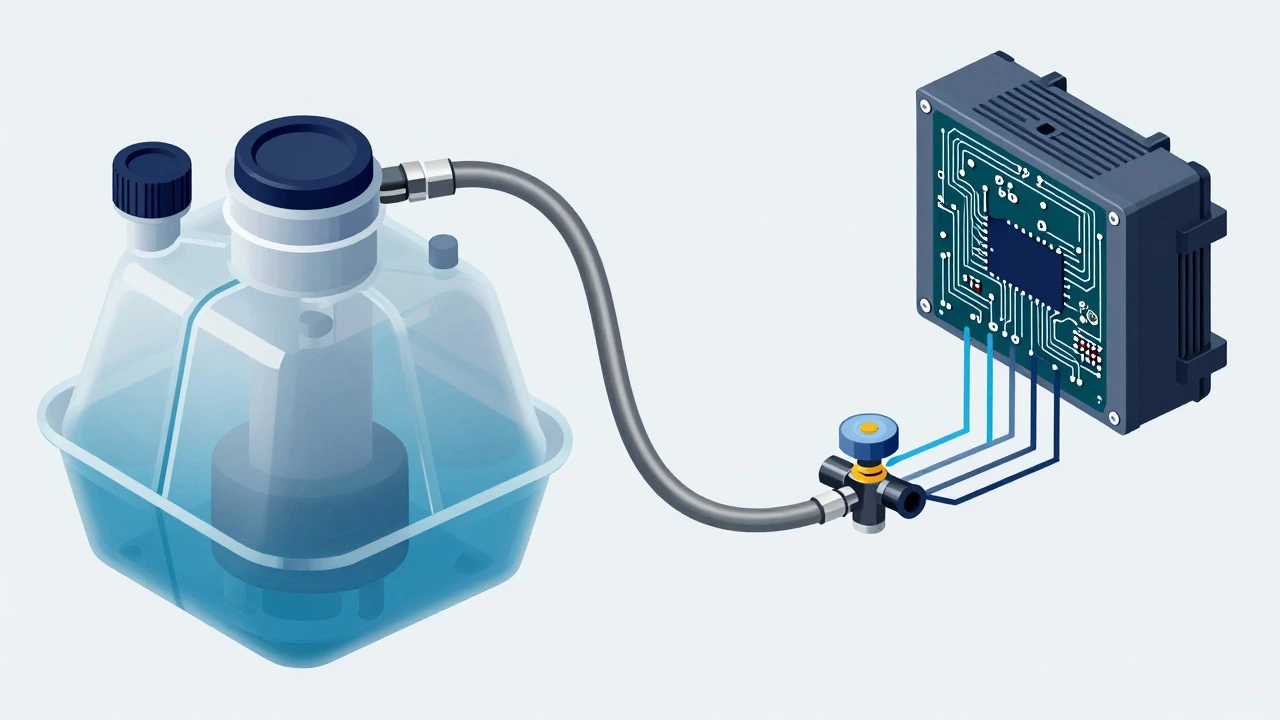
To understand why the light turns on, you first need to know how modern engines manage fuel. Unlike older carbureted cars, today’s vehicles use electronic fuel injection. This system relies on precise pressure to atomize fuel so it mixes correctly with air. Your Engine Control Unit (ECU) monitors this process constantly using a network of sensors.
The key player here is the fuel pressure sensor. It sends real-time data to the ECU about the pressure within the fuel rail. If the pump is working correctly, the pressure stays within a specific range-usually between 30 and 60 psi for gasoline engines, depending on the manufacturer. If the pump begins to fail, it might not maintain this pressure. When the pressure drops below the expected threshold, the ECU detects a mismatch between the commanded fuel delivery and the actual delivery. This discrepancy triggers a diagnostic trouble code (DTC), which then illuminates the check engine light.
However, the ECU doesn’t just guess. It looks for patterns. A single momentary drop in pressure might be ignored as a glitch. But if the pressure remains low over several drive cycles, the computer logs a fault. This is why you might not see the light immediately after the pump starts acting up; it often takes a few days or weeks of inconsistent performance for the warning to appear.
Common Symptoms Beyond the Dashboard Warning
Relying solely on the check engine light is risky because many other issues can cause it to flash. To confirm a bad fuel pump, you need to look for physical symptoms. These signs usually escalate gradually, giving you a window to act before you get stranded.
- Hesitation during acceleration: When you press the gas pedal, the engine should respond instantly. If the pump is weak, it can’t supply enough fuel under load. You’ll feel a lag or a "flat spot" where the car seems to lose power momentarily.
- Surging at constant speed: Conversely, if the pump is sending too much fuel or fluctuating wildly, your car might surge forward even if your foot isn’t moving on the pedal. This feels like someone else is stomping on the accelerator.
- Stalling under heavy load: Going uphill or towing a trailer requires more fuel. A failing pump may struggle to keep up, causing the engine to stall completely.
- Difficulty starting: A healthy pump primes the system quickly. A dying pump might run loudly for several seconds before the engine catches, or it might not start at all until you’ve tried multiple times.
- Whining noise from the rear: Since most fuel pumps are located inside the fuel tank, listen for a high-pitched whine coming from behind the rear seats. A quiet hum is normal; a loud scream indicates the motor is straining.
If you experience two or more of these symptoms alongside the check engine light, the probability of a fuel pump issue rises significantly. However, always rule out simpler causes first, such as a clogged fuel filter or dirty injectors.
Decoding the Error Codes
When the check engine light comes on, the best next step is to read the stored codes using an OBD2 scanner. While generic scanners give you basic information, professional-grade tools provide deeper insights. Here are the most common codes associated with fuel pump failures:
| Code | Description | Meaning |
|---|---|---|
| P0087 | Fuel Rail/System Pressure Too Low | The ECU detected pressure below the minimum required level. This is the most direct indicator of a weak pump or leak. |
| P0088 | Fuel Rail/System Pressure Too High | Pressure exceeds maximum limits. This often points to a stuck pressure regulator rather than the pump itself, but severe pump faults can cause erratic readings. |
| P0190 | Fuel Volume Regulator Control Circuit/Open | An electrical issue with the circuit controlling the pump or its pressure regulator. Could be wiring, relay, or the pump driver module. |
| P0230 | Fuel Pump Primary Circuit Malfunction | The ECU cannot communicate with the fuel pump relay or the pump motor circuit. This suggests an electrical failure rather than mechanical wear. |
| P0455 | Evaporative Emission System Leak Detected (Large Leak) | While primarily an EVAP code, a large leak in the fuel tank or lines can sometimes confuse sensors related to fuel pressure and volume. |
Code P0087 is the big one to watch. If you pull this code, don’t jump straight to buying a new pump. First, check the fuel filter. A blocked filter restricts flow, mimicking a weak pump. Replacing a £20 filter is far cheaper than replacing a £300+ pump assembly. Always perform a physical fuel pressure test with a gauge to verify the actual numbers against the manufacturer’s specifications.
Why Other Components Can Mimic a Bad Pump
Misdiagnosis is costly. Several other components share the same electrical pathways or affect fuel delivery, leading to similar error codes. Before condemning the pump, consider these alternatives:
The Fuel Pump Relay: Located in the fuse box, this switch sends power to the pump. If the contacts inside the relay burn out, the pump gets intermittent power. This causes stalling and triggers codes like P0230. Tapping the relay while the engine is running (with caution) might temporarily restore power if it’s the culprit.
Clogged Fuel Injectors: Dirty injectors restrict fuel flow, causing lean conditions. The ECU compensates by requesting more fuel, which can stress the pump. Cleaning the injectors often resolves hesitation and clears related codes without touching the pump.
Mass Air Flow (MAF) Sensor: The MAF measures incoming air. If it sends incorrect data, the ECU calculates the wrong fuel mixture. A dirty MAF can cause surging and poor acceleration, symptoms identical to a failing fuel pump. Cleaning the MAF sensor with specialized spray is a quick, inexpensive fix.
Vacuum Leaks: Unmetered air entering the intake manifold creates a lean condition. The engine runs rough, and the check engine light comes on. Checking for hissing sounds or visible cracks in vacuum hoses is a critical step in diagnosis.
Diagnosing the Issue: Step-by-Step Guide
If you suspect your fuel pump, follow this logical progression to avoid wasting money:
- Scan for Codes: Use an OBD2 scanner to identify specific DTCs. Note any codes related to fuel pressure (P0087, P0088) or circuits (P0230).
- Listen to the Pump: Turn the key to the "On" position (without starting the engine). You should hear a faint hum from the rear for 2-3 seconds. No sound suggests an electrical issue or a dead pump.
- Check the Fuse and Relay: Locate the fuel pump fuse and relay in your owner’s manual. Swap the relay with another identical one (like the horn relay) to test functionality.
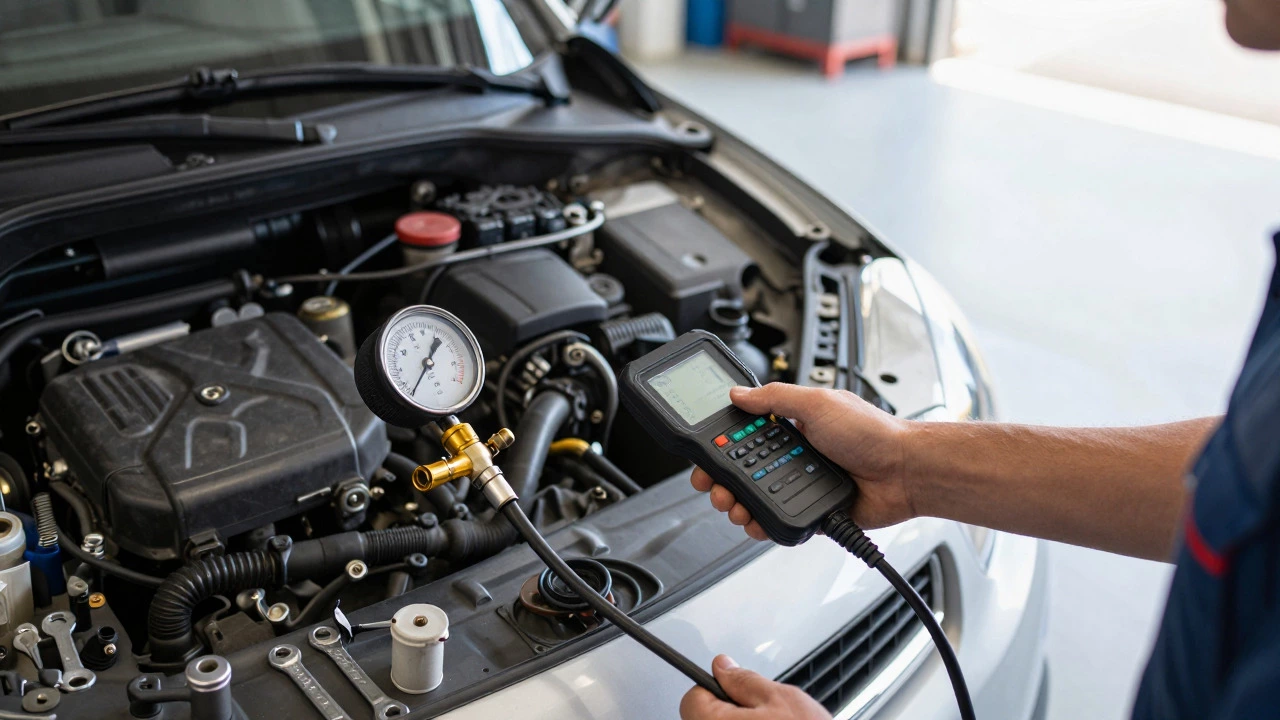
- Test Fuel Pressure: Connect a mechanical fuel pressure gauge to the Schrader valve on the fuel rail. Compare the reading to the factory specification. Low pressure confirms a restriction or weak pump.
- Inspect the Filter: If accessible, replace the fuel filter. Repeat the pressure test. If pressure improves, the filter was the problem.
- Professional Evaluation: If pressure is still low and electrical checks pass, the pump likely needs replacement. Consider having a mechanic verify the diagnosis before purchasing parts.
Costs and Replacement Considerations
Replacing a fuel pump is not a job for the faint-hearted. Because the pump is submerged in the fuel tank, access varies greatly by vehicle. In some cars, you can reach it through a panel under the rear seat. In others, you must drop the entire fuel tank, which involves draining fuel, supporting the tank safely, and disconnecting lines and wiring.
Labor costs reflect this complexity. In the UK, expect to pay between £150 and £400 for labor alone, depending on the vehicle’s design. Parts vary widely; an OEM (Original Equipment Manufacturer) pump will cost more than an aftermarket alternative but typically lasts longer. For a family SUV, budget around £500-£800 total for parts and labor. For a smaller hatchback, it might be closer to £300-£500.
Always choose a reputable brand for replacement parts. Cheap pumps often fail prematurely due to inferior seals or motors. Look for warranties of at least 2 years. Also, replace the fuel filter and O-rings during installation to prevent future leaks and ensure optimal performance.
Preventing Premature Failure
Fuel pumps don’t last forever, but you can extend their life with simple habits. Modern pumps are cooled and lubricated by the fuel itself. Running your tank frequently below a quarter full exposes the pump to heat and debris settled at the bottom of the tank. Try to refuel when you hit the halfway mark.
Keep your fuel filter clean. A clogged filter forces the pump to work harder, generating excess heat. Follow your manufacturer’s recommended interval for filter changes, usually every 30,000 to 60,000 miles. Additionally, avoid driving through deep puddles or flooding, as water ingress can damage the electrical connectors on top of the tank.
If you notice any change in your car’s behavior-hesitation, noise, or difficulty starting-address it immediately. Ignoring early signs can lead to complete failure, leaving you stranded and potentially damaging the engine from running too lean. Proactive maintenance is always cheaper than emergency roadside assistance.
Will a bad fuel pump always trigger the check engine light?
Not always. In the early stages of failure, the pump might still deliver enough fuel for idle but fail under load. The ECU might not detect a significant enough pressure drop to set a code immediately. However, as the condition worsens, the likelihood of triggering a code increases significantly. Some failures are purely electrical, which will almost certainly trigger a circuit-related code.
How much does it cost to replace a fuel pump in the UK?
The total cost typically ranges from £300 to £800, including parts and labor. Labor costs vary based on accessibility; vehicles requiring tank removal are more expensive. OEM parts are pricier but offer better longevity. Aftermarket options may reduce initial costs but carry higher failure risks.
Can I drive my car with a failing fuel pump?
It is not recommended. Driving with a failing pump risks sudden stalling, especially in traffic or on highways, which can be dangerous. Additionally, running the engine lean due to insufficient fuel can cause overheating and damage to internal components like pistons and valves. Address the issue promptly to avoid costly secondary repairs.
What is the difference between a fuel pump and a fuel pump relay?
The fuel pump is the mechanical device that moves fuel from the tank to the engine. The fuel pump relay is an electrical switch in the fuse box that controls power to the pump. A faulty relay can mimic pump failure by cutting off power intermittently. Testing the relay is a quick, inexpensive step before replacing the pump.
Does a clogged fuel filter cause the check engine light?
Yes, indirectly. A severely clogged filter restricts fuel flow, causing low fuel pressure. This triggers codes like P0087, which illuminates the check engine light. Replacing the filter is a simple fix that should be attempted before assuming the pump itself is defective.