Fuel Pump Failure Diagnostic & Cost Estimator
Answer these questions to determine if your issue is likely a fuel pump failure or something else, and see estimated UK repair costs.
Step 1: Symptom Check
Step 2: Vehicle Context
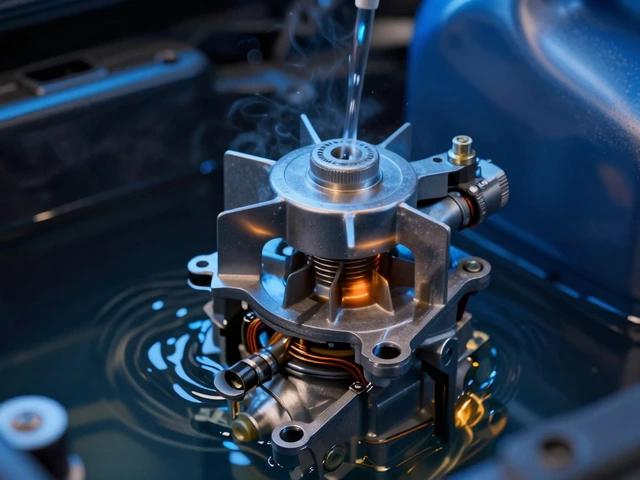
Your engine starts hesitating. It coughs on the highway or refuses to idle smoothly in traffic. You check the oil, the spark plugs, even the air filter, but nothing seems wrong. Then you pull over, smell that faint scent of gasoline, and realize the culprit might be deeper inside the tank. A bad fuel pump is a critical component failure where the electric motor responsible for moving fuel from the tank to the engine loses efficiency or stops entirely. Unlike a clogged filter, which you can clean, a failing pump often requires immediate attention to prevent being stranded.
Many drivers assume that if the car moves, the pump is fine. That’s a dangerous assumption. Modern vehicles rely on consistent fuel pressure to atomize gasoline properly. When that pressure drops, the engine starves. This article breaks down exactly what helps diagnose, temporarily manage, and ultimately fix a bad fuel pump, so you know whether to drive to the shop or call a tow truck.
Signs Your Fuel Pump Is Failing
Before you try to fix anything, you need to confirm the problem. A failing fuel pump rarely dies instantly; it degrades over time. Here are the specific symptoms that point directly to the pump rather than other issues:
- Hard Starting: The engine cranks longer than usual before catching. If it takes three or more turns of the key, the pump may not be building enough initial pressure.
- Sputtering Under Load: The car runs fine in town but stumbles when you accelerate onto the highway or climb a hill. This happens because the pump can’t keep up with the increased demand for fuel.
- Whining Noise: A high-pitched whine from the rear of the car (where the tank usually sits) that fades as the tank empties. This is the motor straining against resistance or running dry.
- Stalling at Idle: The RPM gauge fluctuates wildly, or the car shuts off completely while stopped. This indicates inconsistent fuel delivery.
- Check Engine Light: Codes P0185 (Fuel Pressure Sensor Low Input) or P0234 (Turbocharger Overboost, sometimes linked to fuel delivery issues) often accompany pump failure.
If you experience two or more of these symptoms simultaneously, the likelihood of a bad fuel pump jumps significantly. Don’t confuse this with a dirty air filter, which causes rough idling but rarely affects acceleration performance in the same way.
Immediate Steps: What Helps Right Now?
If you’re stuck on the side of the road or just noticed the issue, here is what actually helps stabilize the situation until you can get professional help.
- Keep the Tank Above One-Quarter Full: The fuel pump is submerged in gasoline, which acts as its coolant. Running on fumes overheats the pump and accelerates failure. If your tank is nearly empty, fill it immediately. This doesn’t fix a broken pump, but it prevents a marginal one from dying completely during your trip to the mechanic.
- Use Fuel Injector Cleaner: Pour a bottle of high-quality fuel system cleaner into the tank. While this won’t restart a dead motor, it can clear minor debris that might be restricting flow if the pump is still partially working. Brands like Chevron Techron or Red Line are effective here.
- Listen for the Hum: Turn the ignition to "On" (without starting the engine). You should hear a brief hum from the tank. If it’s silent, the pump isn’t engaging. If it’s weak or raspy, it’s struggling. This test takes ten seconds and tells you if the electrical connection is intact.
- Avoid High-Speed Driving: If the car is running, drive gently. Aggressive acceleration demands peak fuel pressure, which a weak pump cannot provide. Keep speeds under 50 mph and avoid heavy braking that forces the engine to work harder to recover speed.
These steps buy you time. They do not repair the internal bearings or windings of the pump. Think of them as triage, not treatment.
Diagnosing the Root Cause: Pump vs. Filter vs. Sensor
Not every fuel-related issue is the pump itself. Misdiagnosis leads to unnecessary parts costs. A fuel filter clog mimics pump failure because both restrict flow. However, a clogged filter usually develops slowly over thousands of miles, whereas a pump failure often correlates with heat or age.
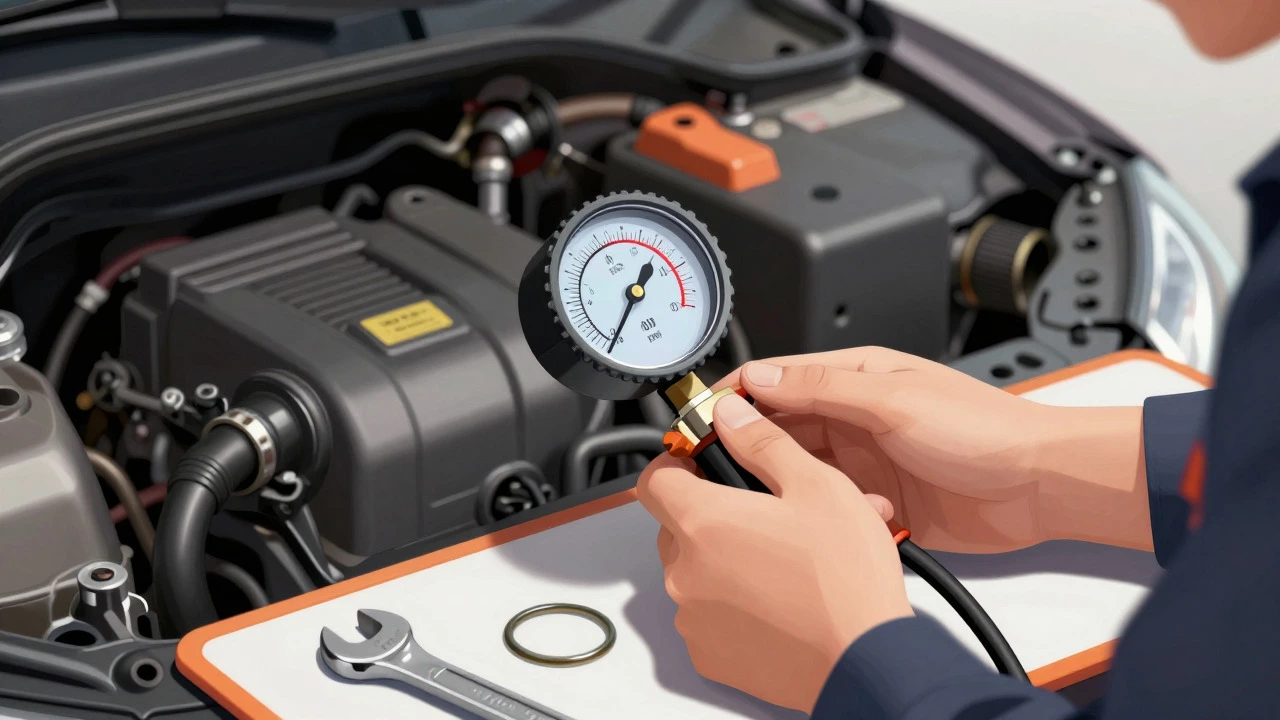
To definitively identify a bad pump, a mechanic will connect a fuel pressure tester to the fuel rail. Most modern cars require between 40 and 60 psi (pounds per square inch) at idle. If the pressure falls below 35 psi or spikes erratically, the pump is likely the issue. If the pressure is stable but low, check the filter first, as it’s cheaper to replace.
Temporary Workarounds: Can You Drive With a Bad Pump?
This is the question every driver asks. The short answer is: yes, but with caution. If the pump is still providing *some* pressure, you can limp along. However, there are risks.
Driving with a failing pump increases the chance of complete failure mid-drive. If the pump seizes, the engine stalls instantly. On a dual-carriageway or motorway, this is dangerous. If you must drive, stick to local roads where you can pull over safely. Avoid long journeys. The heat generated by a struggling pump accelerates its death. Every mile you drive in this state reduces the remaining lifespan of the component.
Some drivers report success by adding a small amount of ethanol-based fuel additive, which can slightly lubricate the fuel lines and reduce friction. However, this is a myth-busting scenario: additives do not fix mechanical wear. They only help if the issue is chemical sludge, not mechanical fatigue.
The Real Fix: Replacement Process and Costs
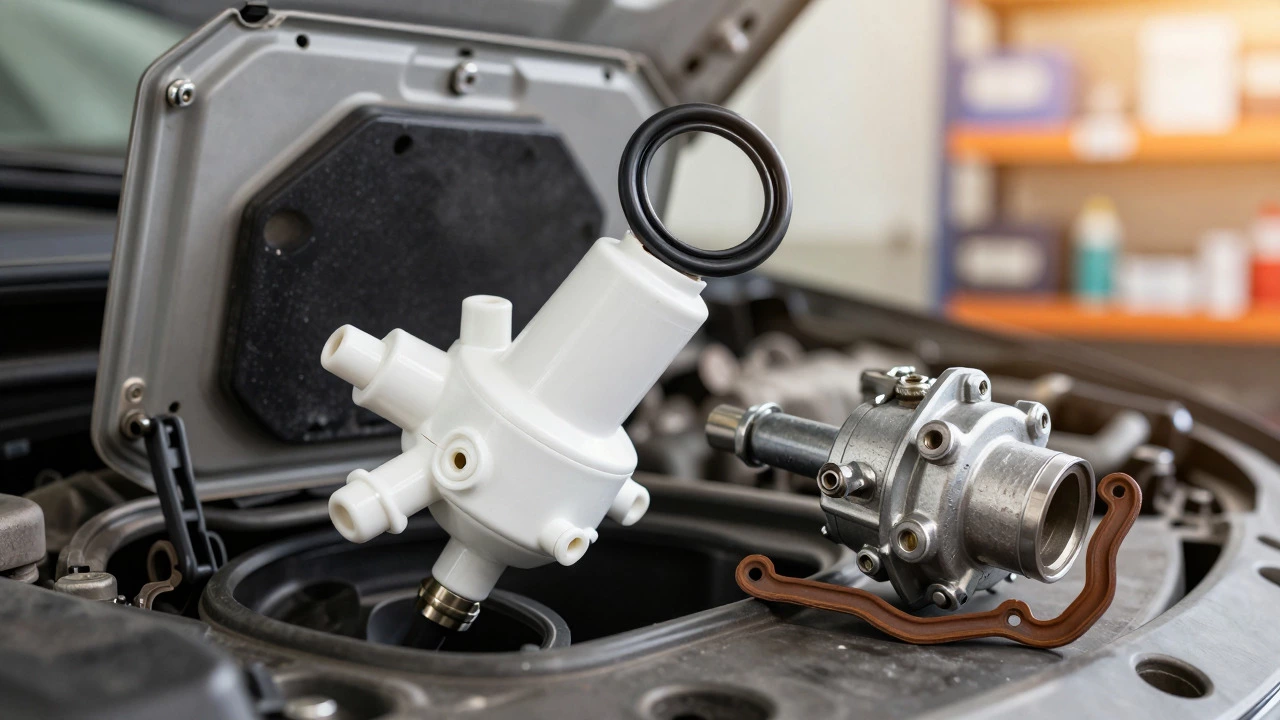
When the pump is confirmed bad, replacement is the only permanent solution. In most modern vehicles, the fuel pump is part of a fuel sender assembly, which includes the float, the sending unit, and the pump motor itself. This means you’re replacing the whole unit, not just the motor.
Here is what the process looks like:
- Access the Assembly: Depending on the car model, the technician accesses the pump through an access panel under the seat or by dropping the fuel tank. Dropping the tank is more labor-intensive and expensive.
- Disconnect Electrical and Fuel Lines: The pump receives power via a multi-pin connector. Fuel lines are clamped and disconnected carefully to avoid spills.
- Install New Unit: The new assembly is sealed with a fresh O-ring gasket. Reusing old seals leads to leaks later.
- Test Pressure: After reassembly, the mechanic tests the pressure again to ensure it meets manufacturer specifications.
In the UK, labor costs vary by region. In Manchester, expect to pay between £150 and £250 for labor if the tank needs dropping. Parts for a standard OEM (Original Equipment Manufacturer) unit range from £150 to £300. Total cost typically lands between £300 and £600. Independent garages often charge less than dealership networks, saving you around 20% without compromising quality.
Preventing Future Fuel Pump Failures
Once you’ve replaced the pump, how do you stop it from happening again? The fuel pump is a victim of neglect more often than design flaw. Here are three concrete habits that extend its life:
- Never Run Below One-Eighth Tank: As mentioned, gasoline cools the pump. Running dry exposes the motor to higher temperatures, wearing out the brushes and bearings faster. Make it a rule to refuel when the needle hits half.
- Use Quality Fuel: Cheap fuel from unknown sources may contain higher levels of water or contaminants. Stick to reputable stations like BP, Tesco, or Shell. Their fuel standards are stricter, reducing the risk of varnish buildup inside the pump housing.
- Replace the Fuel Filter Regularly: Even though many modern cars have integrated filters, they still clog. Replacing the filter every 30,000 to 40,000 miles ensures the pump doesn’t have to work harder to push fuel through restricted passages.
Ignoring these basics is the fastest way to end up back in the garage. A well-maintained fuel system can last the life of the vehicle. A neglected one fails within five years.
FAQ
Can a bad fuel pump cause a misfire?
Yes. If the pump delivers inconsistent fuel pressure, the cylinders may receive too little fuel to ignite properly. This results in a lean burn condition, which triggers misfires and lights the Check Engine Light. It’s one of the most common indirect symptoms of pump failure.
How long can I drive with a failing fuel pump?
It depends on the severity. If the pump is just losing efficiency, you might drive for another 500 to 1,000 miles. If it’s making noise or stalling, you could break down within days. There is no safe mileage guarantee. Treat it as urgent.
Is it worth repairing an old fuel pump or replacing it?
Always replace it. Fuel pumps are not designed to be repaired. Internal components like the impeller or motor windings are not user-serviceable. Attempting to open the assembly voids warranties and risks contaminating the fuel system with metal shavings. Replacement is the only reliable option.
Does driving with a low fuel level damage the pump?
Yes. The fuel acts as a coolant and lubricant for the pump motor. When the level is low, the pump picks up sediment from the bottom of the tank and runs hotter due to lack of immersion. Both factors accelerate wear and lead to premature failure.
What is the average lifespan of a fuel pump?
Most fuel pumps last between 75,000 and 100,000 miles. However, this varies by vehicle make and driving conditions. Cars driven in hot climates or with frequent short trips tend to see shorter lifespans. Proper maintenance can push this beyond 120,000 miles.