Fuel Pump Symptom Checker
What are you experiencing?
Select the symptoms your car is showing:
Select one or more symptoms on the left to get a preliminary diagnostic analysis.
Analysis Result
Recommended Next Step:
Key Takeaways
- The pump pushes fuel from the tank to the engine.
- It maintains high pressure so fuel can be atomized (turned into mist).
- Electric pumps are the modern standard and usually sit inside the fuel tank.
- Clogged filters or running on empty can kill your pump quickly.
The Main Job: Moving Fuel and Maintaining Pressure
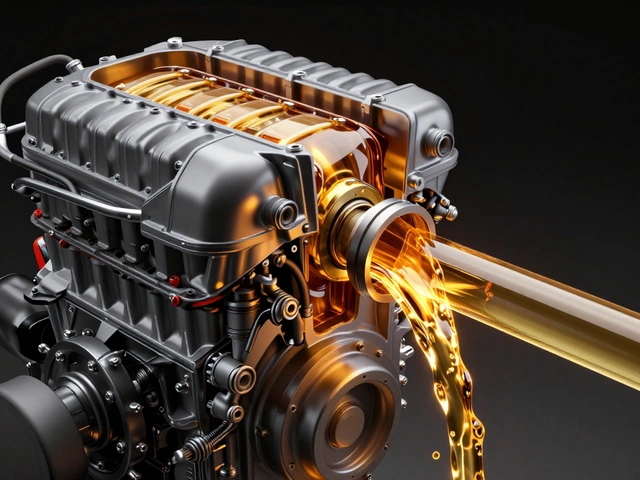
The basic purpose of a fuel pump is transport. But it's not just about moving liquid from point A to point B. The engine needs fuel delivered at a very specific pressure. If the pressure is too low, the engine leans out and can overheat or stall. If it's too high, you'll flood the engine, waste gas, and potentially damage the injectors.
Think of it as a high-pressure delivery system. In a modern car, the pump works with a Fuel Pressure Regulator. This component acts like a valve that keeps the pressure steady. If the system feels too much pressure, the regulator sends the excess fuel back to the tank. This balance ensures that whether you are idling at a red light or flooring it to pass someone, the engine gets exactly what it needs.
Electric vs. Mechanical Pumps: What's the Difference?
If you're driving anything made in the last 30 years, you almost certainly have an electric pump. Old school cars used mechanical pumps, which were bolted directly to the engine and operated by a lever tied to the camshaft. They were simple, but they couldn't handle the high pressures required for modern efficiency.
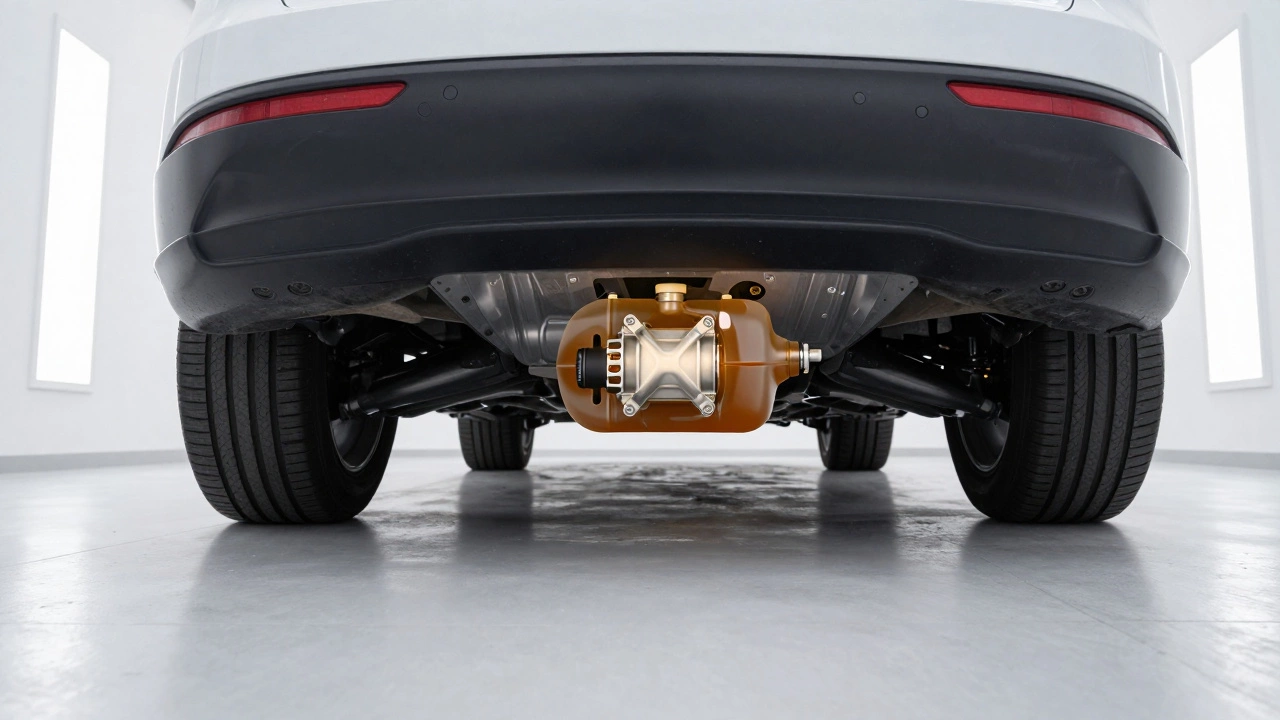
Today, most cars use an Electric Fuel Pump. These are typically "submerged" inside the Fuel Tank. Being submerged isn't just for space; the gasoline actually cools the pump motor. Since electric motors get hot, the surrounding fuel acts as a heat sink. If you frequently drive with only a gallon or two of gas left, the pump can suck in air or overheat because it's no longer submerged in cool fuel.
| Feature | Mechanical Pump | Electric Pump |
|---|---|---|
| Location | On the engine block | Inside the fuel tank |
| Power Source | Engine rotation | Electrical system |
| Pressure Capability | Low (ideal for carburetors) | High (ideal for fuel injection) |
| Prime Requirement | Needs priming to start | Instant pressure on key turn |
How the Fuel Pump Fits Into the Bigger Picture
The pump is just one part of the Fuel Injection System. Here is the typical journey fuel takes: it starts in the tank, where the pump sucks it up. It then passes through a Fuel Filter to remove dirt and rust that could clog the tiny holes in the injectors. From there, it travels through the fuel lines to the engine.
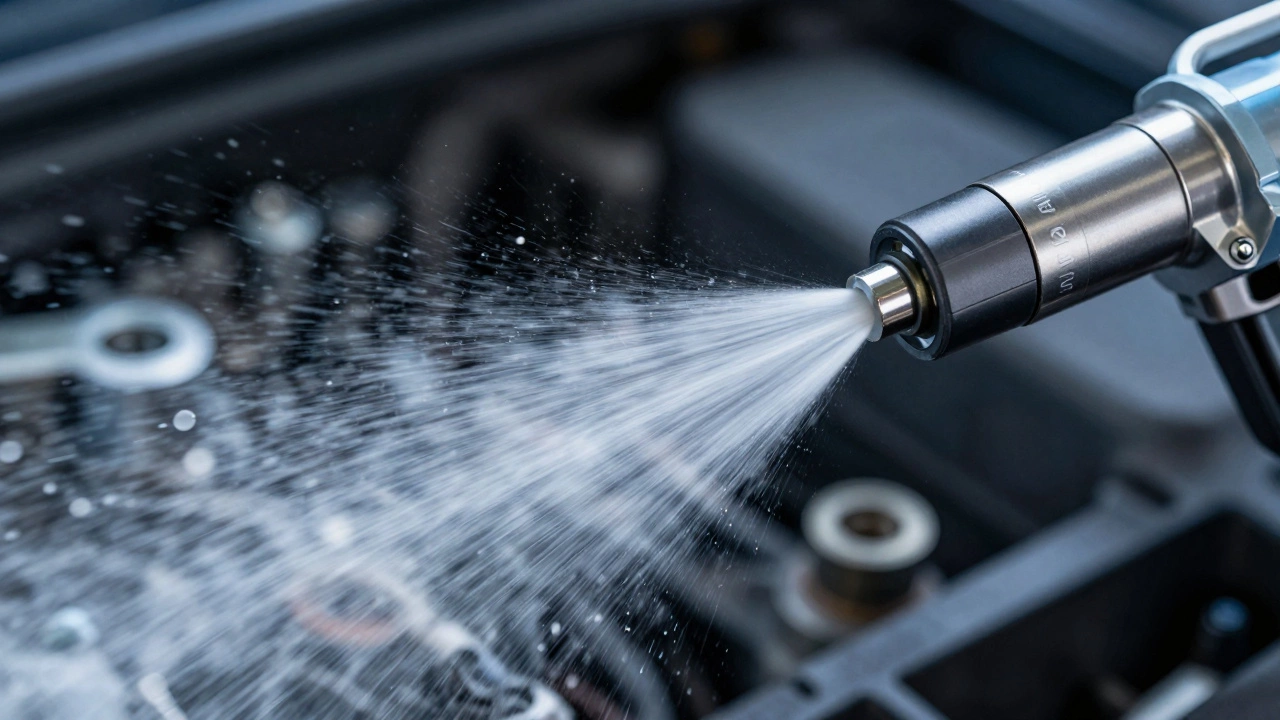
Once it reaches the engine, the fuel hits the Fuel Injectors. These are essentially tiny nozzles. Because the pump has pushed the fuel at such high pressure, the injector can spray it as a fine mist. This is called atomization. The finer the mist, the better it mixes with air, and the more efficiently it burns in the cylinder. If your pump is weak, the fuel comes out in "droplets" instead of a mist, which leads to poor gas mileage and a rough idle.
Warning Signs Your Pump is Dying
A fuel pump rarely dies instantly; it usually gives you a few warnings. One of the most common is a "sputtering" sound or a sudden loss of power during acceleration. This happens because the pump can't keep up with the engine's demand for fuel when you step on the gas. You might feel the car hesitate, almost like it's about to stall, before it catches its breath.
Then there's the noise. If you turn the key and hear a loud whining or buzzing sound coming from the back of the car (where the tank is), your pump is likely struggling. A healthy pump is usually quiet. A loud one is often fighting against a clogged filter or is simply wearing out. If your car takes forever to start-meaning you have to crank the engine for several seconds-it's often because the pump has lost its "prime" and is struggling to push fuel all the way to the front of the car.
Common Killers of Fuel Pumps
Most people think fuel pumps just wear out over time, but you can actually accelerate the death of your pump. The biggest culprit is driving on "empty." As mentioned, the fuel keeps the electric motor cool. When the fuel level is critically low, the pump sucks up the hottest fuel at the bottom of the tank and may even suck in air. This creates friction and heat, which fries the internal motor windings.
Contaminated fuel is another major issue. If you buy gas from a sketchy station with old, underground tanks, you might pick up sediment or water. While the fuel filter catches a lot of this, some debris can still reach the pump. In diesel engines, this is even more critical because air bubbles in the fuel line can stop a mechanical pump entirely, requiring a tedious manual priming process.
Maintenance Tips for a Longer Life
The best way to take care of your pump is surprisingly simple: keep your tank above a quarter full. This ensures the pump stays cool and doesn't suck up the sludge that naturally settles at the bottom of the tank. It's a small habit that can save you hundreds of dollars in replacement costs.
Don't ignore your fuel filter replacement intervals. A clogged filter makes the pump work twice as hard to push fuel through a tiny opening. This creates "back pressure," which puts an immense strain on the pump motor. It's like trying to blow air through a pinched straw; eventually, your lungs (or in this case, the pump motor) will give out.
Can a fuel pump go bad without any warning?
Yes, it can. While most pumps fade slowly, an electrical failure (like a blown fuse or a shorted motor) can cause the pump to stop instantly. If your car suddenly dies while driving and won't restart, a failed pump is a primary suspect, especially if you don't hear the usual "hum" for two seconds when you first turn the key to the 'On' position.
How long does a typical fuel pump last?
Most modern fuel pumps are designed to last 100,000 to 150,000 miles. However, this varies wildly based on how you treat your car. People who constantly drive on fumes usually see their pumps fail much earlier, often around the 60,000 to 80,000-mile mark.
Will a bad fuel pump cause a Check Engine Light?
Indirectly, yes. A failing pump often causes a "lean condition," meaning there is too much air and not enough fuel in the combustion chamber. The car's computer detects this via the oxygen sensors and will trigger a code (like P0171 or P0174). While the light doesn't explicitly say "Pump Broken," the codes for lean fuel mixtures often lead a mechanic to check the pump.
Is it possible to replace just the pump motor?
In many modern cars, the pump comes as part of a "fuel pump assembly," which includes the pump, the strainer, the float for the fuel gauge, and the regulator. While you can sometimes buy just the motor, it's generally recommended to replace the whole assembly. This ensures that the filter/strainer is new and that the seals are tight, preventing future leaks or failures.
Does a fuel pump use a lot of electricity?
Not compared to the starter motor, but it is a constant draw while the engine is running. It's powered by the car's 12V electrical system. This is why a dying battery or a faulty alternator can sometimes make a car feel like it has fuel issues-if the pump isn't getting full voltage, it can't maintain the required pressure.
Next Steps and Troubleshooting
If you suspect your pump is failing, start with the simplest check: listen. Turn the key to the "On" position without cranking the engine. You should hear a faint, high-pitched hum from the fuel tank for a few seconds. That's the pump priming the system. If it's dead silent, you might have a blown fuse, a bad relay, or a dead pump.
For those who are handy with tools, a fuel pressure gauge is the only way to know for sure. You attach it to the fuel rail (the pipe feeding the injectors) and start the car. If the needle doesn't hit the manufacturer's specified PSI (pounds per square inch), the pump is the culprit. If you're not comfortable working with pressurized flammable liquids, take it to a pro-fuel systems are not the place to guess.