Fuel Pump Partial-Failure Self-Check
How it worksTick every symptom you've noticed recently. Your risk score updates live. This is an informal guide, not a professional diagnosis.
Symptoms you've experienced
Imagine driving down the motorway when your engine suddenly hesitates. You ease off the gas, and it recovers. You speed up again, and it stutters. It feels like the car is dying, but it’s not quite dead. This is the most confusing part of car trouble: a component can be broken while still technically doing its job. So, can a fuel pump be bad and still work? The short answer is yes. In fact, this "partial failure" state is far more common than a complete shutdown.
A fuel pump doesn't usually fail all at once. It degrades. Like a battery losing charge or a tire slowly going flat, a failing pump loses efficiency before it stops entirely. Understanding this middle ground saves you from expensive mistakes, like replacing a perfectly good injector because you thought the pump was fine, or towing a car that could have driven itself to the garage.
The Anatomy of a Failing Pump
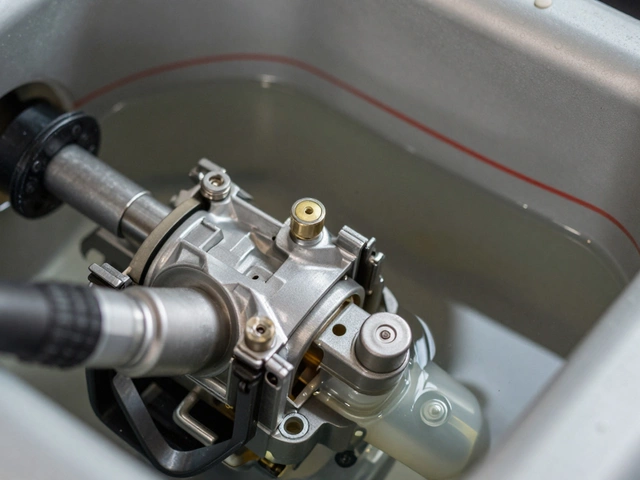
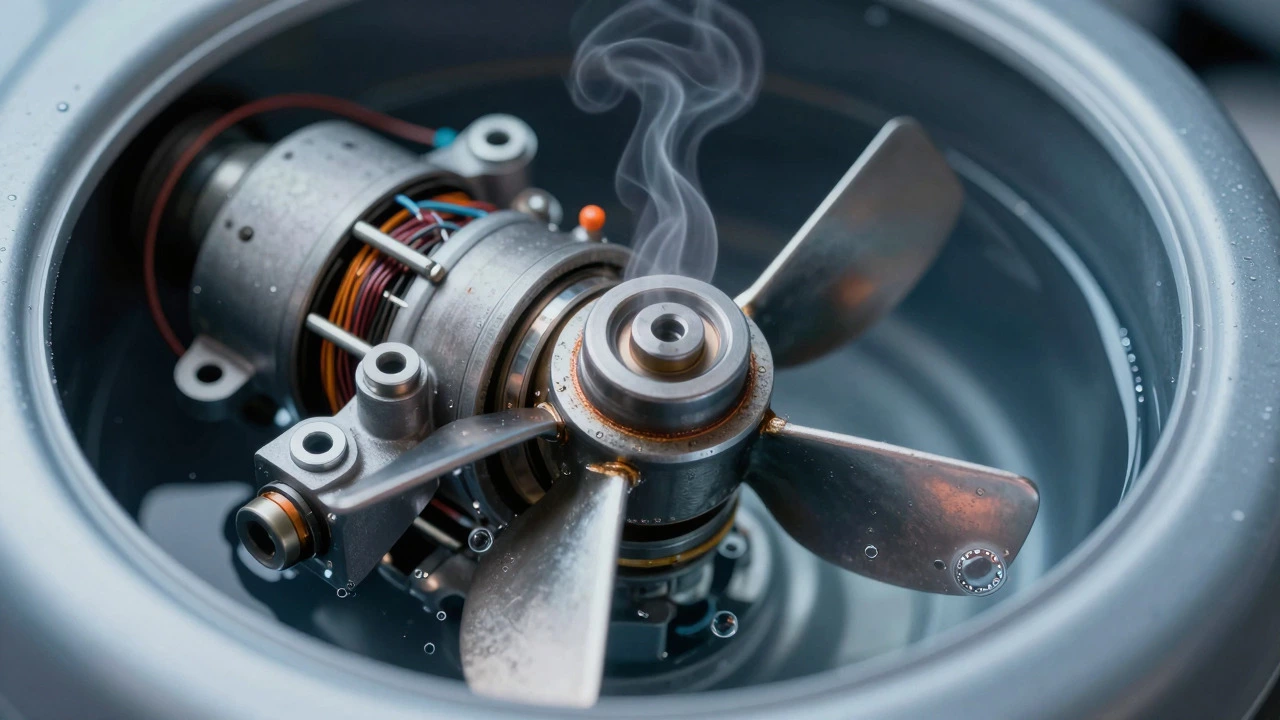
To understand why a pump can run while being broken, you need to know what it actually does. A modern in-tank electric fuel pump does two things: it pulls fuel from the tank and pushes it into the engine at high pressure. It also cools itself using the fuel flowing through it. When the pump starts to age, the internal motor windings wear out, or the check valve inside the unit sticks. This reduces the volume of fuel it can move per second.
Here is where the confusion starts. At idle, your engine only needs a tiny amount of fuel. Even a pump running at 40% capacity can easily supply enough gasoline for the car to sit at a traffic light or drive around town at 30 mph. But the moment you open the throttle wide-say, to overtake on a highway-the engine demands a surge of fuel. If the pump can’t meet that demand, the air-fuel mixture becomes too lean. The engine misfires, loses power, or stalls. To the driver, it looks like an ignition problem or a clogged filter. To the mechanic, it’s a classic signature of a weak pump.
Common Symptoms of Partial Failure
If you suspect your pump is struggling, look for these specific behaviors. They are distinct from total failure, which results in no crank at all.
- Stalling under load: The car runs fine in gear one or two but dies when you try to climb a hill or accelerate hard. This happens because the pump cannot maintain pressure against the increased vacuum created by the engine.
- Hard starting after sitting: If the car sits for a few hours, the fuel may drain back into the tank due to a failed check valve. You might need to turn the key several times to build up enough pressure to start. Once running, it stays on because the pump is actively pushing fuel.
- Flickering Check Engine Light: The ECU (Engine Control Unit) monitors fuel pressure via sensors. If pressure dips below a certain threshold during acceleration, the computer logs a code, often P0191 (Fuel Rail Pressure Sensor Circuit Range/Performance). The light might come on and off as conditions change.
- Whining or humming noise: You might hear a faint whine from the rear seat area (where the tank is) that gets louder with RPMs. This indicates the motor is straining or bearings are wearing out.
- Rough idle after refueling: Sometimes, if the float sensor is stuck or the pump impeller is damaged, adding fuel changes the dynamics inside the tank, causing immediate roughness until the system stabilizes.
Why Mechanics Miss It
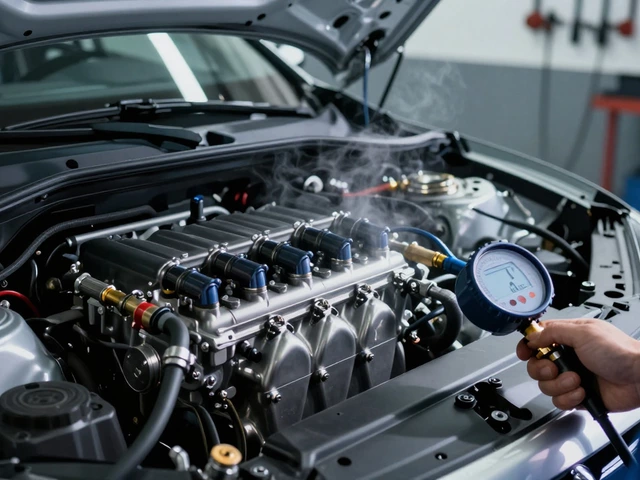
Diagnosing a partially failed pump is tricky because the fault is intermittent. Many mechanics rely on a simple smoke test or checking for codes. If the car cranks and idles smoothly during the initial inspection, the pump might pass a basic voltage check. However, a healthy pump should deliver consistent pressure across a range of speeds. A failing one will show a drop-off at higher RPMs.
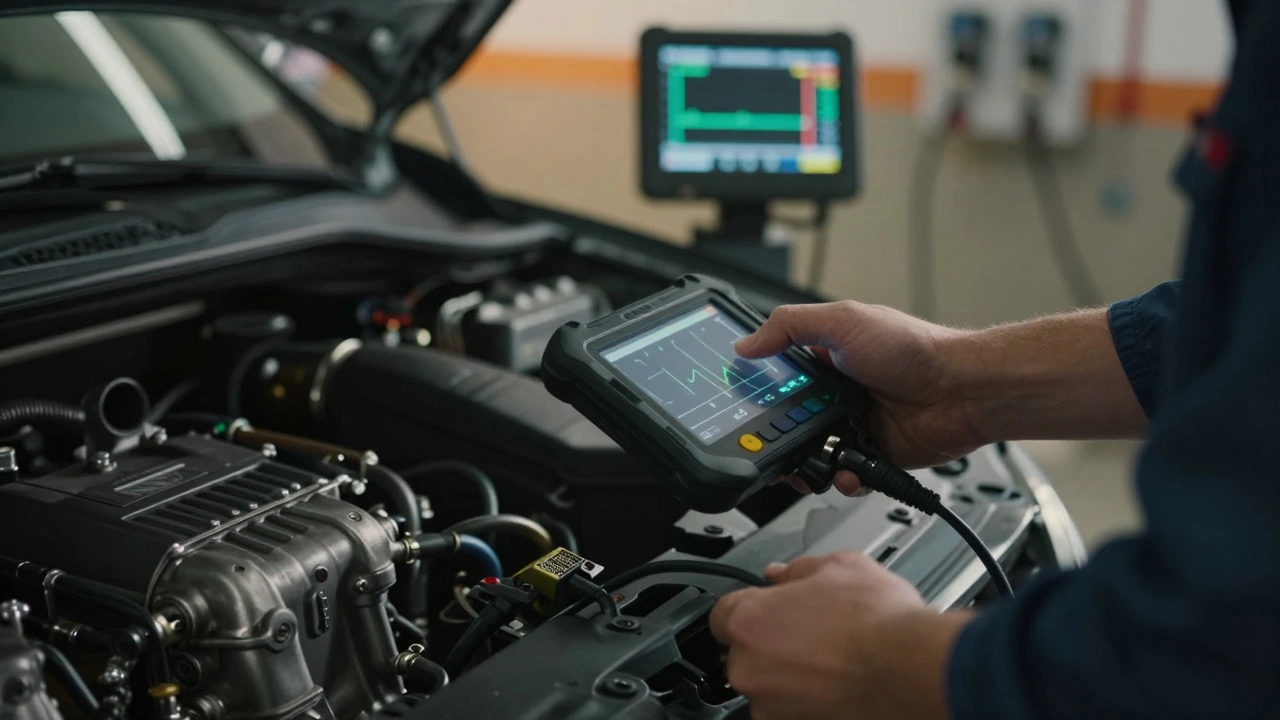
The gold standard for diagnosis is a live data scan. A technician connects a scanner to the OBD-II port and watches the fuel rail pressure graph while revving the engine. A healthy system maintains a steady line. A failing pump shows a sawtooth pattern or a gradual decline as RPMs increase. Without this dynamic test, a weak pump can hide its symptoms for weeks or months.
What Causes Premature Pump Failure?
Fuel pumps are designed to last the life of the vehicle, often exceeding 150,000 miles. When they fail early, it’s usually due to external factors rather than manufacturing defects.
- Running on Low Fuel: This is the number one killer. The pump uses fuel for cooling. When the tank is nearly empty, the pump sucks in heat from the air space above the liquid. Over time, this overheats the motor windings. It’s like running a laptop fan without airflow.
- Poor Fuel Quality: Modern ethanol blends can attract moisture, leading to corrosion inside the pump assembly. Contaminants like dirt or debris can also jam the impeller blades.
- Electrical Issues: A faulty relay or corroded connector can cause voltage spikes or drops. The pump motor isn’t built to handle erratic power delivery, leading to premature burnout.
- Heat Soak: In hot climates, the fuel vaporizes faster. This creates bubbles in the line (vapor lock), forcing the pump to work harder to push liquid fuel instead of gas.
How to Test Your Pump at Home
You don’t need a professional shop to get a baseline reading, though caution is required. Here is a safe, DIY-friendly approach to gauge pump health.
- Listen First: Turn the key to the "On" position without starting the engine. You should hear a brief hum from the tank for about two seconds. This primes the system. If the sound is weak, raspy, or absent, the pump is likely failing.
- Check Residual Pressure: After the car has been off for an hour, remove the fuel cap. If you see a stream of fuel spraying out, the check valve is holding pressure. If it just drips or nothing comes out, the valve is leaking, which strains the pump every time you start the car.
- Observe Performance: Drive the car in a safe area. Try to accelerate from 30 mph to 60 mph. Note any hesitation. Then try the same maneuver from 60 to 80 mph. If the lag increases significantly at higher speeds, the pump is likely weak.
| Condition | Healthy Pump | Failing Pump |
|---|---|---|
| Startup Sound | Clean, consistent hum for 2-3 seconds | Weak, clicking, or silent |
| Idle Quality | Smooth, steady RPM | Slight vibration or fluctuation |
| Acceleration Response | Immediate power increase | Lag, hesitation, or stumble |
| Residual Pressure | Holds pressure for hours | Drops within minutes/hours |
| Check Engine Light | Off | Intermittent P0191 or P0230 codes |
When to Replace vs. Repair
In most modern cars, the fuel pump is part of a larger module called the fuel sender assembly. This unit includes the pump, the level sensor, and sometimes the filter. Because it’s sealed inside the tank, accessing it usually requires dropping the tank or removing the rear seat. Labor costs are high, often exceeding the cost of the part itself.
Because of this, there is little point in trying to repair just the motor unless you are very skilled. If the pump is confirmed weak, replacement is the only viable option. However, always confirm the diagnosis first. A clogged fuel filter or a dirty mass airflow sensor can mimic pump symptoms. Replacing a $150 pump when the issue is a $20 filter is a waste of money.
Preventing Future Failures
Once you’ve dealt with a partial failure, you want to ensure the new pump lasts. The best maintenance habit is simple: keep the tank at least a quarter full. This ensures the pump is always submerged in cool liquid, protecting the motor windings from heat damage. Additionally, use quality fuel additives annually to clean injectors and prevent gum buildup, which can restrict flow and stress the pump.
Finally, pay attention to electrical connections. If you replace the pump, inspect the wiring harness for chafing or corrosion. A loose connection can cause voltage drops that kill the new pump just as quickly as the old one.
Frequently Asked Questions
Will a bad fuel pump stop the car completely?
Eventually, yes. As the motor wears out further, it will lose the ability to generate any pressure. At that point, the engine will stall and won't restart. However, the transition from "working poorly" to "not working" can happen suddenly, often when the car is stopped in traffic or on a busy road.
Can I drive a car with a weak fuel pump?
Yes, but with caution. Avoid high-speed driving or heavy loads. Keep the tank full to help with cooling. The risk is that the pump could fail completely, leaving you stranded. It is safer to schedule a repair soon rather than waiting for a total breakdown.
How much does it cost to replace a fuel pump?
Parts typically range from $100 to $300 depending on the make and model. Labor is the major cost, often between $300 and $600, because the tank may need to be dropped. Total costs usually fall between $400 and $900 for independent shops, with dealerships charging more.
Does running on empty really break the fuel pump?
It accelerates wear significantly. The pump relies on fuel for lubrication and cooling. When the tank is low, the pump spins in air and hot fuel vapors, raising the internal temperature. While it rarely kills the pump instantly, repeated cycles of running low shorten its lifespan considerably.
Can a bad fuel filter cause similar symptoms?
Yes. A clogged filter restricts flow, causing low pressure under load. This mimics a weak pump. Always check or replace the fuel filter before diagnosing the pump. It is a much cheaper fix and easy to rule out.