Fuel Pump Repair Decision Tool
Answer these 5 quick questions to see if you're a candidate for a DIY fuel pump replacement or if you should call a professional.
Your Recommendation
You turn the key, the engine cranks, but nothing happens. Or maybe your car starts stuttering once you hit 50 mph on the motorway. It's a gut-wrenching feeling, but often the culprit is a failing fuel pump replacement candidate. The big question is: can you actually fix this in your own driveway, or are you looking at a pricey trip to the garage?
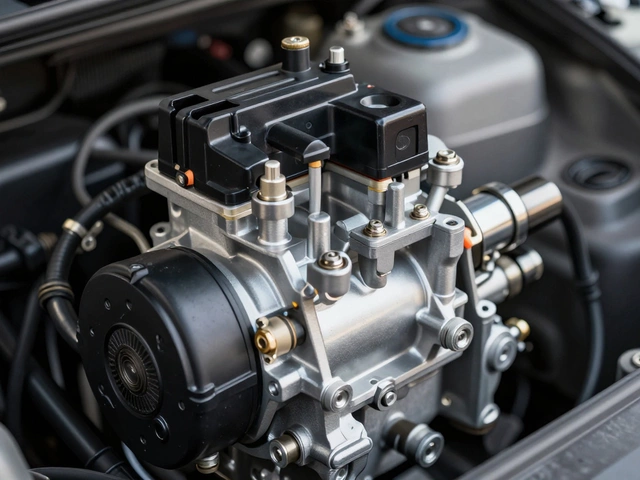
To get the answer, we first need to understand what we're dealing with. A Fuel Pump is a device that delivers fuel from the gas tank to the engine's combustion chamber at a specific pressure. In most modern cars, this is an electric fuel pump located inside the fuel tank. If this part fails, your engine doesn't get the gasoline it needs to fire, effectively turning your car into a very expensive paperweight.
Quick Reality Check: Can You Do It?
- The "Easy" Scenario: Your car has an access panel under the rear seat. You can swap the pump without dropping the whole tank.
- The "Nightmare" Scenario: The pump is integrated into the tank, and the only way to reach it is by lowering the entire 60-litre fuel tank from under the chassis.
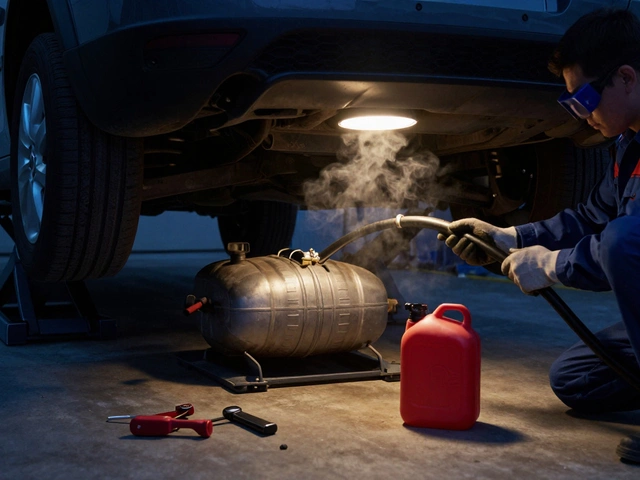
- The Danger Factor: You're working with highly flammable liquid and electrical sparks. One mistake can lead to a fire.
Spotting the Signs of a Dying Pump
Before you start ripping your interior apart, you need to be sure the pump is actually the problem. A failing pump rarely dies instantly; it usually gives you warnings. Have you noticed a whining noise coming from the back of the car when the tank is low? That's often the pump struggling to lubricate itself, as the fuel itself acts as a coolant.
Another red flag is "sputtering." If your car feels like it's choking during hard acceleration or when you're climbing a steep hill, the pump might not be maintaining the required pressure. A professional mechanic would use a Fuel Pressure Gauge to verify this. If the pressure is below the manufacturer's spec-say, 40 PSI when it should be 60 PSI-the pump is definitely on its way out.
The DIY Path: Step-by-Step Breakdown
If you've determined the pump is dead and you're feeling brave, here is how the process generally goes. Keep in mind that every car is different, but the logic remains the same.
- Relieve the Pressure: You can't just pull a fuel line. You need to remove the Fuel Pump Fuse and run the engine until it stalls. This bleeds the pressure so you don't get a gasoline shower when you open the system.
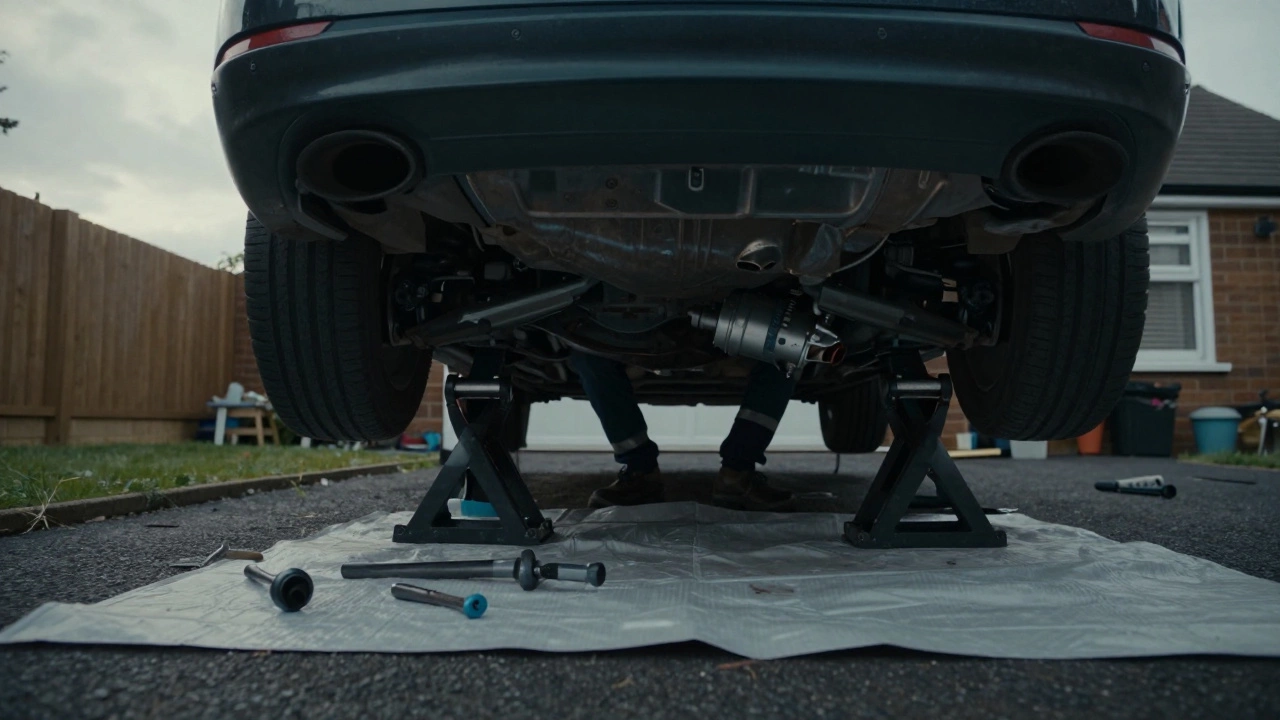
- Access the Tank: Check under your rear seat or boot liner. If you see a circular metal plate, you're in luck. Unscrew it to reveal the pump assembly. If there's no plate, get ready to jack up the car and support the tank with a transmission jack.
- Disconnect the Electricals: Unplug the wiring harness. Be careful not to bend the pins, as a poor connection here can cause the car to stall randomly.
- Extract the Module: Most pumps are part of a "module" that includes the Fuel Filter and the float for your fuel gauge. Unscrew the locking ring using a specialized tool or a hammer and punch (be gentle so you don't dent the tank).
- Swap and Seal: Pull the old unit out and let the remaining fuel drain. Slide the new pump in, ensuring the rubber O-ring is seated perfectly. A pinched seal means you'll smell petrol every time you drive.
- Reassemble and Test: Put the ring back, plug in the fuse, and turn the key to "On" several times to prime the system before starting the engine.
Comparing Your Options: DIY vs. Professional
Is it worth the effort? Let's look at the trade-offs. A professional shop will charge you for the part plus 2 to 4 hours of labour. Doing it yourself saves the labour cost but carries risks.
| Factor | DIY Approach | Professional Shop |
|---|---|---|
| Cost | Lowest (Part only) | Higher (Part + Labour) |
| Time | 3-8 hours (depending on skill) | 2-4 hours |
| Risk | High (Fire/Leaks/Damage) | Low (Warranty provided) |
| Tooling | Requires basic sockets + specialty rings | Full industrial equipment |
Common Pitfalls and Pro Tips
Many beginners make the mistake of buying the cheapest pump they find online. This is a gamble. A low-quality pump might work for a month and then burn out, forcing you to do the entire job all over again. Stick to OEM (Original Equipment Manufacturer) parts or reputable brands like Bosch or Delphi.
Another huge mistake is ignoring the Fuel Strainer. This is the mesh sock at the bottom of the pump. If your tank is dirty or has rust, the new pump will clog almost immediately. Always inspect the inside of your tank for debris before installing the new unit.
Finally, never work on a fuel system in a closed garage. Gasoline fumes are heavier than air and will pool on the floor. Use a fan or work outdoors to ensure you aren't breathing in toxic vapours or creating a combustion hazard.
When is it Definitely Not an "Easy Fix"?
There are some cases where you should just put the tools down and call a professional. If your car has a "saddle tank" (two tanks connected by a pipe), the complexity doubles. If the fuel pump is integrated into a complex Fuel Rail system with high-pressure common rail injection (common in modern diesels), the pressures involved are dangerous and require specialized bleeding procedures.
Additionally, if you find that the locking ring is rusted solid, attempting to force it can puncture the plastic fuel tank. Once you put a hole in your tank, you're no longer replacing a pump-you're replacing the entire fuel system, which is a massive, expensive project.
Can a fuel pump go bad if I leave my tank empty?
Yes. Most electric fuel pumps are submerged in petrol, which keeps them cool and lubricated. When you consistently run your tank down to the last few litres, the pump sucks in air and overheats, which significantly shortens its lifespan.
Why does my car start fine when cold but struggle when hot?
This is a classic sign of a failing fuel pump. As the pump's internal motor wears out, it becomes more sensitive to heat. When the pump gets hot, the internal components expand, increasing friction and reducing the pump's ability to move fuel.
Will a new fuel pump improve my fuel economy?
Not significantly. A new pump ensures the engine gets the correct amount of fuel, but it doesn't make the engine more efficient. However, if your old pump was failing and causing the engine to run lean or rich, you might see a slight stabilization in your MPG.
Is it possible that it's the fuel filter and not the pump?
Absolutely. A clogged fuel filter creates the same symptoms as a failing pump-lack of power and stalling. It is always smarter to check or replace the filter first, as it is usually much cheaper and easier to access than the pump itself.
How long does a typical fuel pump last?
On average, a fuel pump should last 100,000 to 150,000 miles. However, if you frequently drive with a nearly empty tank or use poor-quality fuel with high sediment, it can fail much sooner, sometimes as early as 60,000 miles.
Next Steps and Troubleshooting
If you've replaced the pump and the car still won't start, don't panic. Check the fuel pump relay. A relay is a small electronic switch that tells the pump to turn on. If the relay is burnt out, a brand new pump will never receive power.
For those who aren't comfortable with the mechanical side, your best bet is to ask a mechanic for a "fuel pressure leak-down test." This tells them if the pump is failing or if a check-valve is leaking, which allows fuel to drain back into the tank after the engine is turned off, causing long cranking times.