Clutch Kits: What They Are, How They Work, and When to Replace Them
When you press the pedal and shift gears in a manual car, it’s the clutch kit, a set of components that connects and disconnects the engine from the transmission. Also known as a clutch assembly, it’s what lets you start moving without stalling, change gears smoothly, and keep power flowing where it’s needed. Without a healthy clutch kit, your car won’t drive properly — no matter how good the engine is. Most people think clutches last forever, but they wear out. And when they do, you’re looking at a big job — and a big bill.
The clutch lifespan, how long a clutch kit lasts before it needs replacing usually falls between 60,000 and 100,000 miles, but that’s just a guess. If you ride the clutch, creep in traffic, or launch hard at lights, you might burn through one in 30,000 miles. On the flip side, gentle driving and smooth shifts can push it past 150,000. The real issue isn’t mileage — it’s how you drive. A burnt clutch, a clutch that’s glazed or worn from overheating and slipping won’t just feel weird — it’ll start leaving you stranded. Signs? Engine revs but the car doesn’t accelerate, a burning smell, or gear changes that feel loose or delayed.
Replacing a clutch kit isn’t just swapping one part. It’s a full job. You almost always have to pull the transmission. And while you’re in there, you should check the flywheel, the heavy disc that connects to the engine and works with the clutch to transfer power, the pressure plate, the spring-loaded component that presses the clutch disc against the flywheel, and the release bearing. These parts wear together. Replacing just the clutch disc without touching the others is like changing your brake pads but leaving the rotors warped — it won’t last. That’s why most pros recommend replacing the whole kit at once.
And then there’s the upgrade side. If you’ve tuned your car or added power, a stock clutch won’t cut it. That’s where Stage 2 clutch kits, higher-performance versions designed for modified engines with more torque come in. They’re tougher, hold more power, and handle heat better — but they’re also harsher for daily driving. Stage 1 is a mild step up for light mods. Stage 3? That’s for track days and drag strips. Most people don’t need it. But knowing the difference keeps you from overspending or buying something too aggressive for your ride.
Costs vary wildly. A clutch kit alone might be £200. Labor? Another £500 to £900. A burnt clutch? That’s often more — because the flywheel might be cracked, or the hydraulic system is leaking. You can save money by doing it yourself, but it’s not a weekend project for beginners. You need the right tools, space, and patience. And if you mess up the alignment or torque specs, you’ll be back in the garage sooner than you think.
Whether you’re noticing slipping, hearing grinding, or just want to know if your clutch is due, the answers are here. You’ll find real breakdowns on what each part does, how to spot trouble before it leaves you stuck, and what upgrades actually make sense. No fluff. No guesswork. Just what you need to know before you open your wallet or grab your wrench.
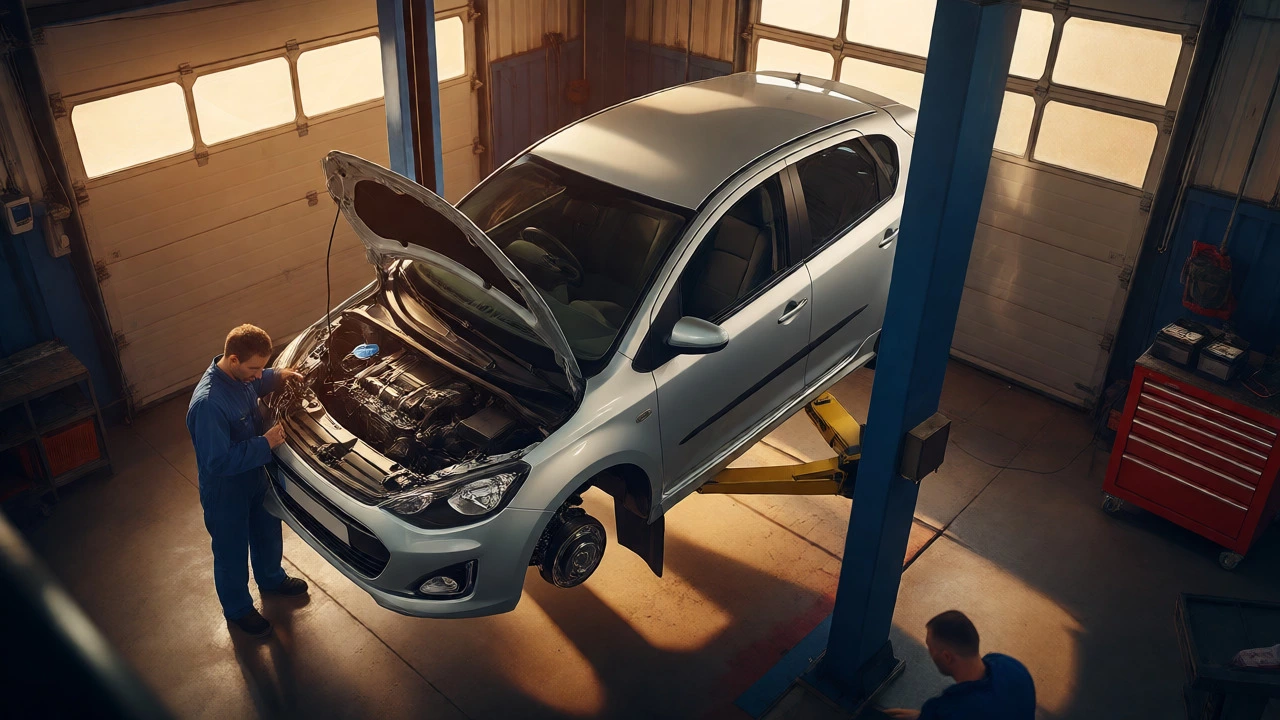
How Long Does It Take to Replace a Clutch Kit?
Learn exactly how long a clutch kit replacement takes. We break down labor hours by vehicle type, hidden delays like rust, and DIY vs pro timelines.
September 20 2026
How Long Will a Clutch Last? Lifespan Factors & Signs
Learn how long a clutch lasts, from 50k to 100k miles. Discover key factors like driving habits, vehicle type, and maintenance tips to extend your clutch kit's life.
September 6 2026
How Do I Know I Need a Clutch Kit? 7 Signs Your Car Is Warning You
Learn the 7 key signs your car needs a clutch kit replacement. From slipping gears to unusual noises, identify clutch failure early to avoid costly transmission damage and roadside breakdowns.
August 13 2026
Can a Slipping Clutch Be Tightened? The Truth About Clutch Repair
A slipping clutch cannot be tightened; it requires replacement. Learn why adjustment fails, signs of wear, costs, and prevention tips for your vehicle.
May 4 2026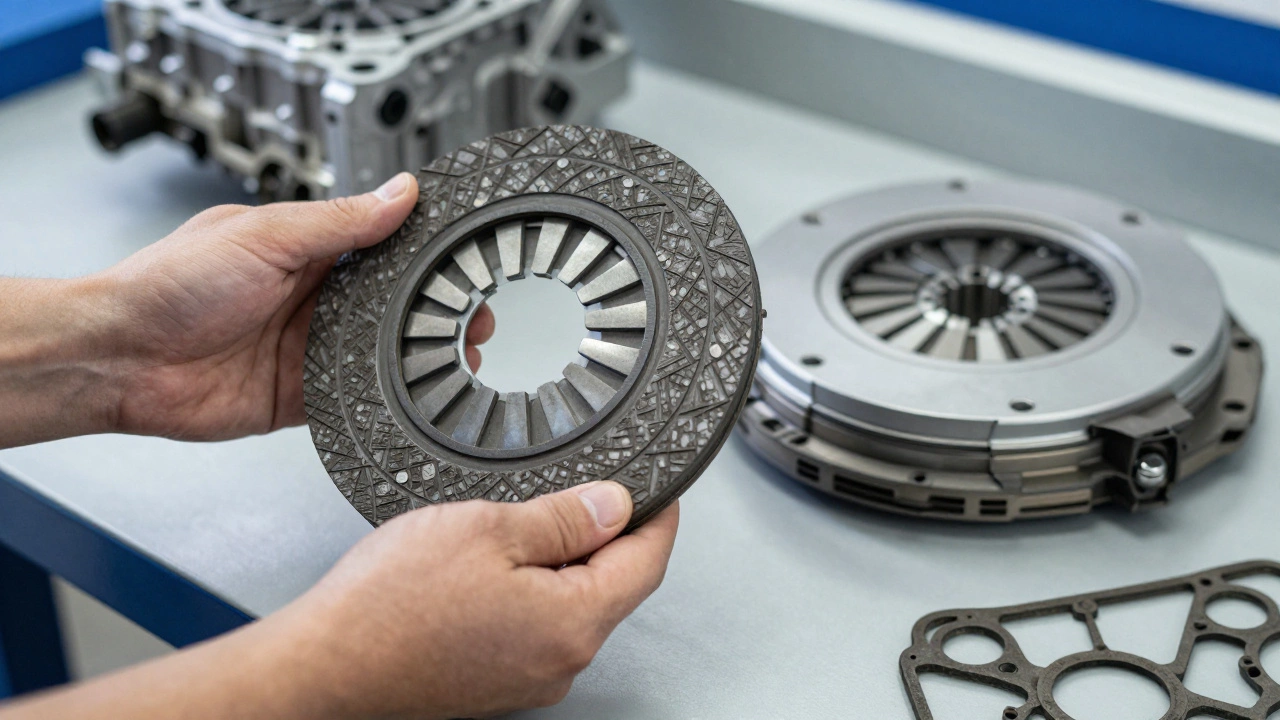
Does a Clutch Kit Add HP? The Truth About Power and Torque
Discover the truth behind the myth: does a clutch kit add horsepower? Learn how clutches manage torque, improve efficiency, and why they don't generate power. Get expert advice on choosing the right clutch for your driving style.
May 3 2026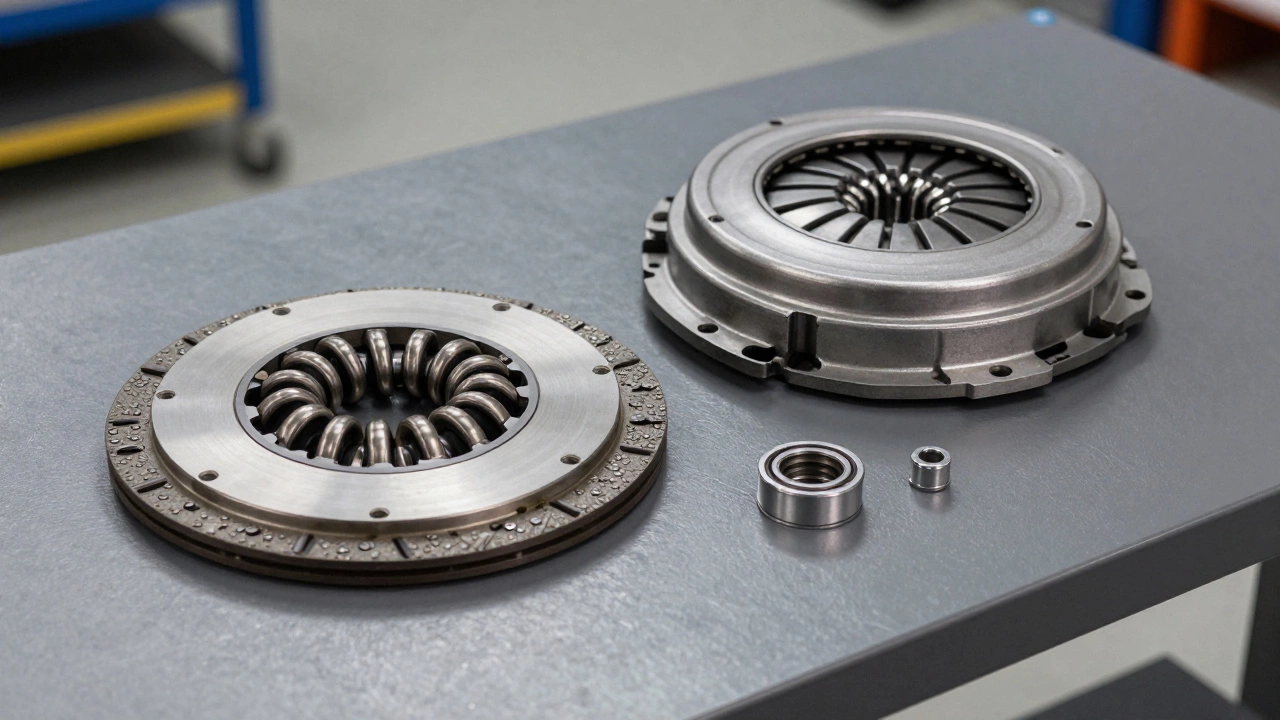
What's Inside a Clutch Kit? A Complete Component Guide
Wondering what's actually inside a clutch kit? We break down the clutch disc, pressure plate, and bearings so you know exactly what you're buying for your car.
April 19 2026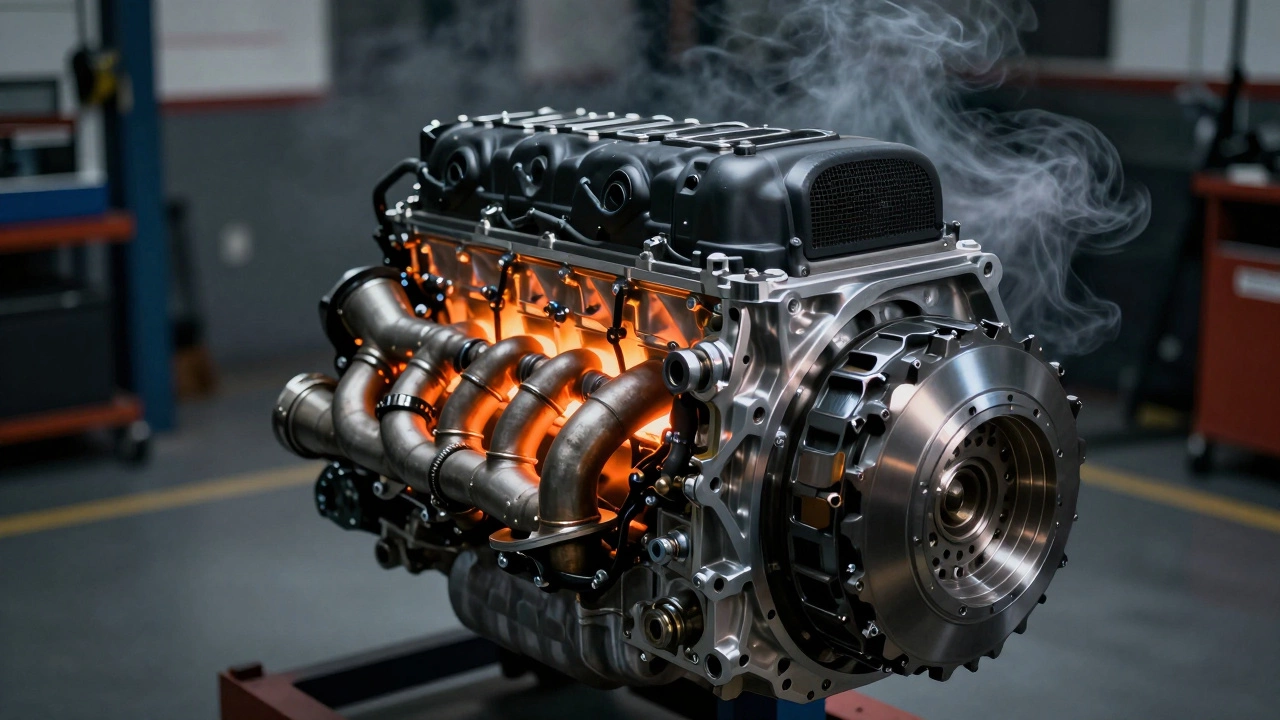
How much horsepower does a clutch kit add? The truth about clutch upgrades
Discover the truth behind clutch upgrades and horsepower myths. Learn what really affects your car's power and when a new clutch is actually necessary.
March 26 2026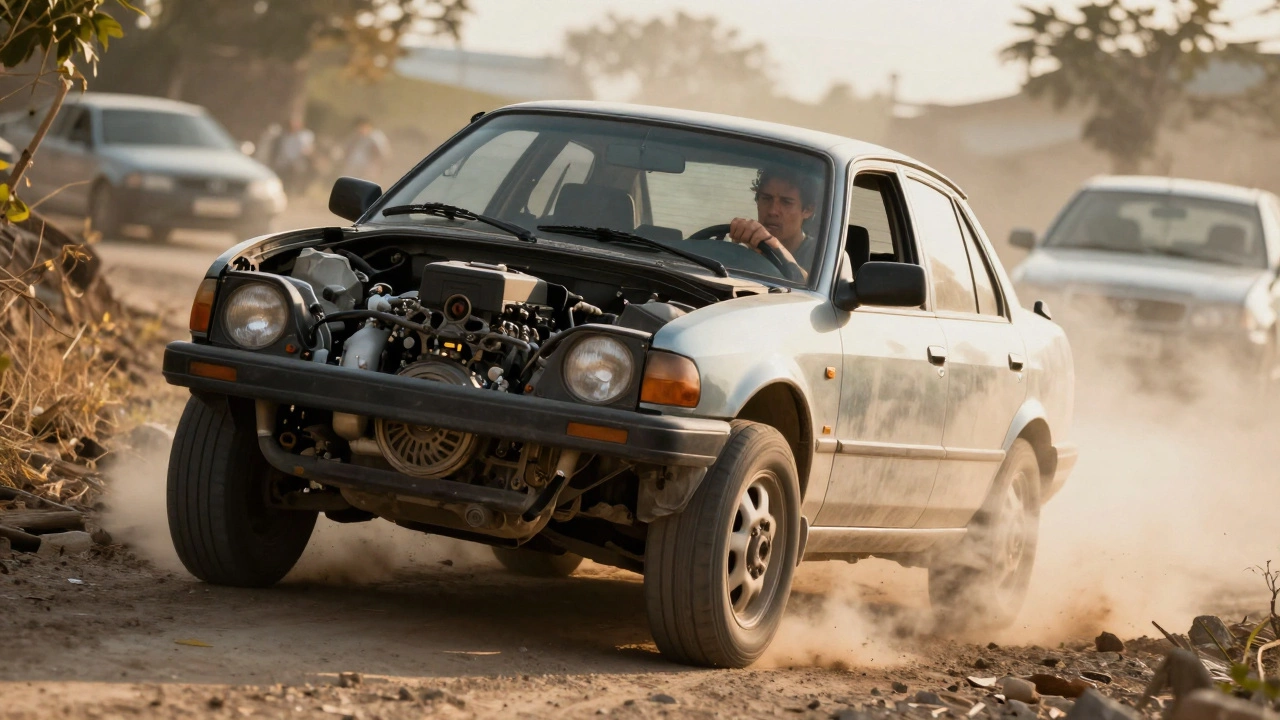
What Happens If You Keep Driving With a Bad Clutch?
Driving with a bad clutch might seem harmless at first, but it leads to costly damage to your transmission and other parts. Learn the signs, risks, and why replacing it early saves you thousands.
March 19 2026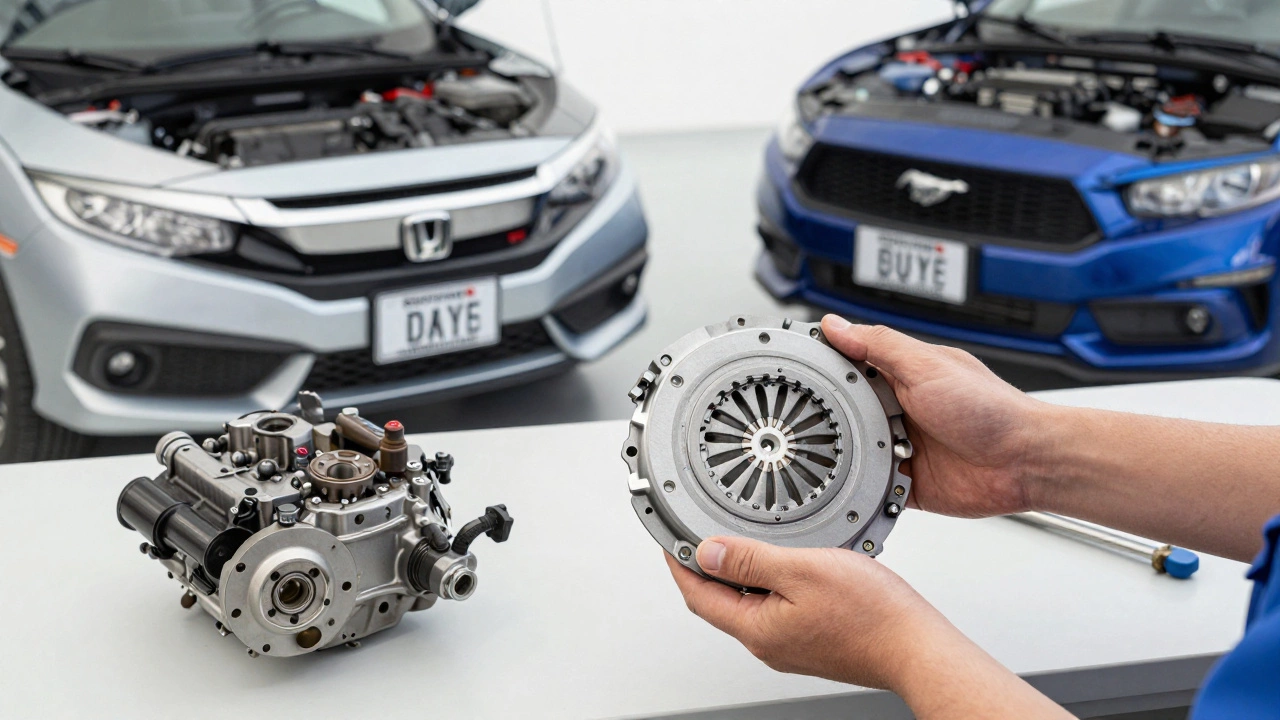
How Do I Know What Clutch Kit to Buy? A Practical Guide for Car Owners
Choosing the right clutch kit depends on your car's specs, how you drive, and your engine's power. Learn how to match the clutch material, pressure plate, and flywheel type to avoid slipping, chatter, or premature failure.
March 9 2026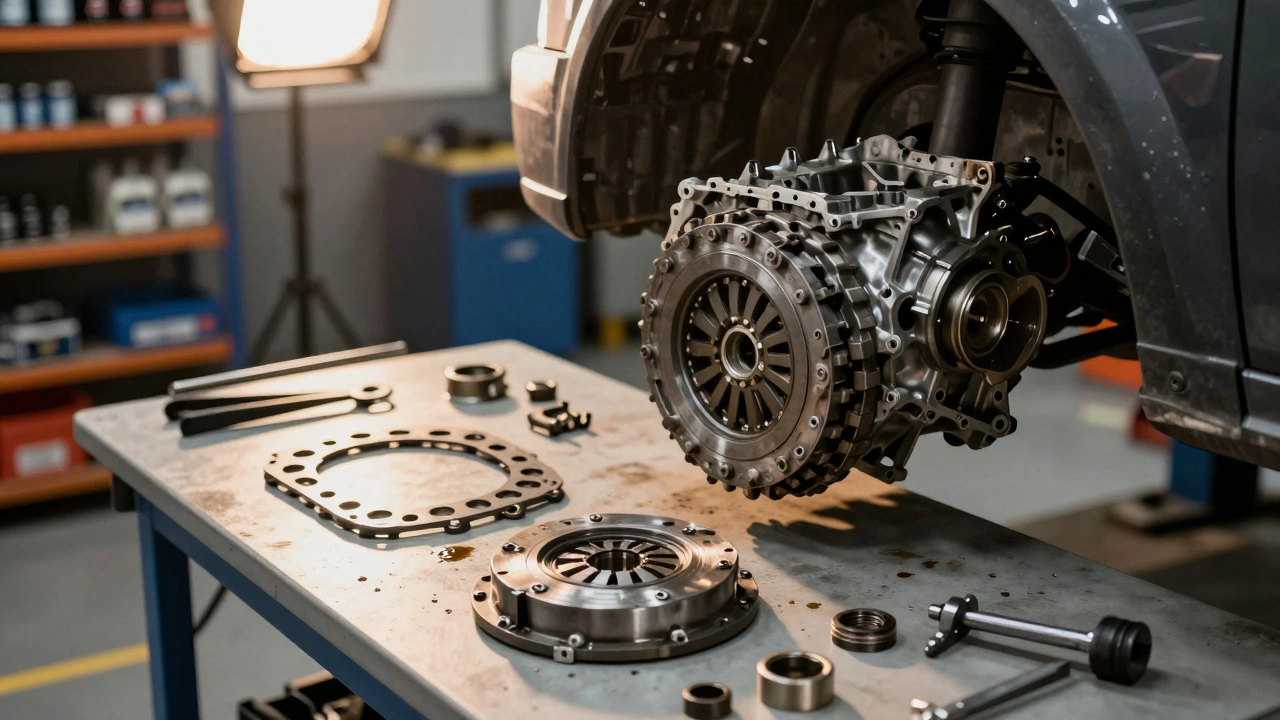
How Much Does a New Clutch Cost? Real Prices for Parts and Labor in 2026
A new clutch costs between $800 and $2,500 depending on your car, parts quality, and labor rates. Learn what's included in a clutch kit, how labor adds up, and how to avoid overpaying.
January 4 2026
What Is the Average Life of a Clutch? Real-World Expectations and How to Extend It
Most clutches last 60,000 to 100,000 miles, but driving habits can cut that in half. Learn the real signs of wear, how to extend clutch life, and what to look for in a replacement kit.
December 4 2025
How Many Miles Should a Clutch Last? Real-World Expectations for Clutch Kits
Most clutches last between 60,000 and 100,000 miles, but driving habits make a huge difference. Learn what really wears out a clutch and how to make yours last longer.
November 15 2025