UK Fuel Pump Replacement Cost Calculator (2026)
Estimate your repair costs based on vehicle type and garage choice.
Estimated Total Cost:
Parts:
Labor:
* Estimates include VAT. Prices may vary based on specific model year and additional components like filters or seals.
Your car sputters at a stoplight. You press the accelerator, but the engine just groans and dies. It’s a terrifying feeling, especially if you’re stuck on a busy road or far from home. Often, the culprit is your fuel pump, which is the component responsible for moving fuel from the tank to the engine at high pressure. When it fails, your car won’t start, or worse, it will stall unpredictably. The immediate question on every driver's mind is: how much is this going to set me back?
In 2026, replacing a fuel pump in the UK typically costs between £300 and £800 for most mainstream cars. However, that number can swing wildly depending on whether your pump is tucked under a panel in the boot or buried deep inside the fuel tank under the rear seats. Luxury brands and diesel engines can push that bill over £1,000. Let’s break down exactly where that money goes so you aren't caught off guard by the invoice.
Understanding the Fuel Pump Replacement Cost Breakdown
To understand the price tag, you have to split the job into two distinct parts: the part itself and the labor. Mechanics don’t charge a flat fee for "fixing the car"; they charge for the time it takes to access the broken component and the cost of the hardware.
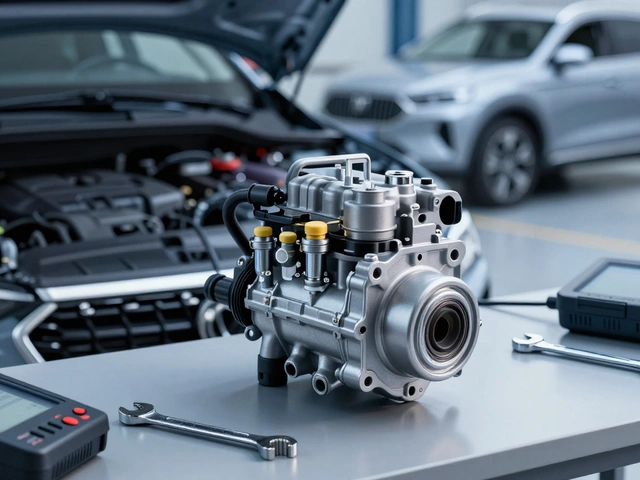
The fuel pump assembly isn't just a small motor anymore. In modern vehicles, it’s often a complex module that includes the pump, a filter, a pressure regulator, and sometimes even a water separator for diesel models. This means the part cost has risen significantly compared to ten years ago. A simple electric fuel pump for an older Honda might cost £80, while the integrated module for a newer BMW or Mercedes can easily run £400 to £600 before you even pay for installation.
Labor is the other big variable. If the pump is accessible via a service hatch in the trunk floor, a mechanic might take an hour. If you have to drop the entire fuel tank-a common requirement for many SUVs and trucks-the job could take three to four hours. With independent garages charging £75-£120 per hour and main dealerships often exceeding £150 per hour, labor can double the total cost.
Factors That Drive Up the Price
Not all fuel pumps are created equal, and not all cars are built with easy maintenance in mind. Several factors determine whether you’ll be paying the lower end of the spectrum or the higher end.
- Vehicle Make and Model: Common mass-market cars like Vauxhall, Ford, Toyota, and VW have competitive aftermarket parts prices. Luxury brands like Audi, Jaguar, or Porsche often require OEM (Original Equipment Manufacturer) parts, which carry a premium. Furthermore, some luxury cars have complex electrical systems that require specialized diagnostic tools to reset after replacement.
- Fuel Type (Petrol vs. Diesel): Diesel fuel pumps operate under much higher pressures than petrol ones. They are more robust, more complex, and consequently more expensive. A diesel injection pump failure is one of the most costly repairs in automotive maintenance because it often involves the high-pressure fuel line system as well.
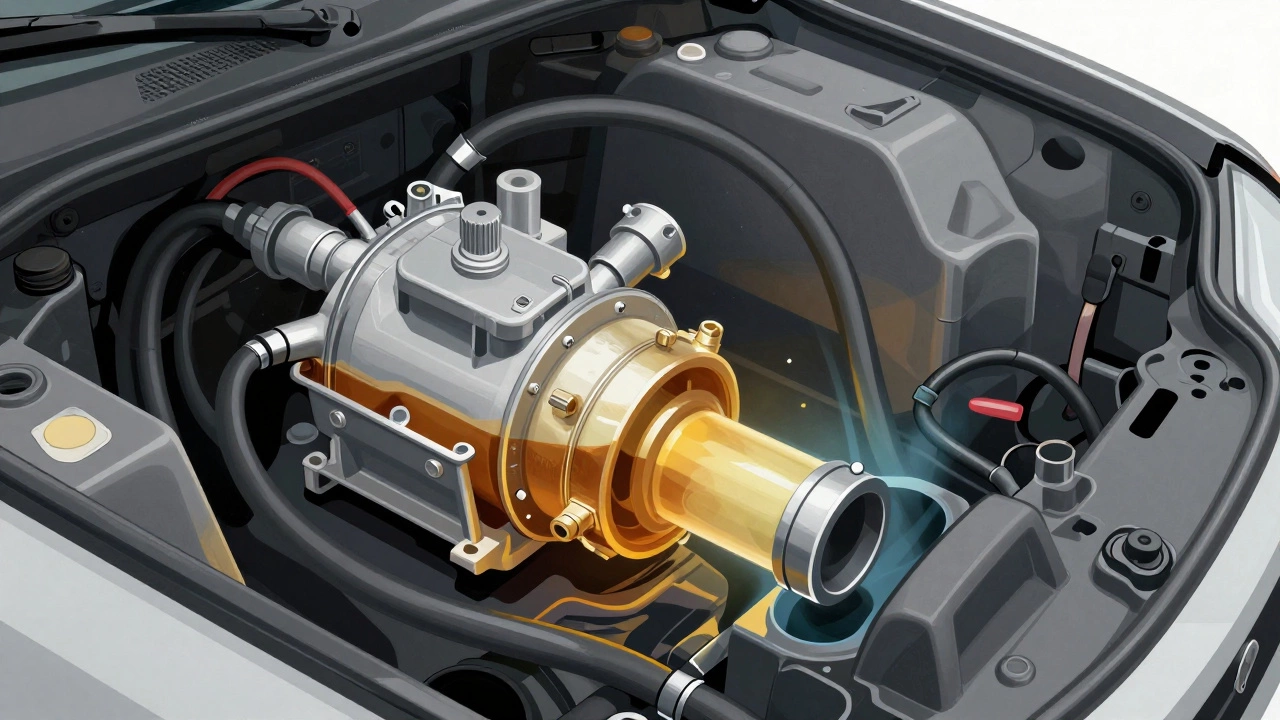
- Location of the Pump: This is the biggest hidden cost. Older cars often had external pumps mounted near the engine bay. These are cheap and quick to swap. Modern cars almost universally use in-tank pumps. Accessing them usually requires removing rear seats, disconnecting the battery, draining the tank, and unbolting the heavy steel tank from the chassis. More bolts mean more labor hours.
- Additional Components: Mechanics rarely replace just the pump. They will likely recommend replacing the fuel filter, the sender unit (which tells your dashboard how much fuel is left), and the O-rings/seals. Using old seals on a new pump can lead to leaks, which is a safety hazard. Bundling these parts increases the upfront cost but prevents future headaches.
Estimated Costs by Vehicle Category (UK 2026)
To give you a clearer picture, here is a realistic breakdown of what you might expect to pay in 2026. These estimates include both parts and labor at an independent garage. Main dealer quotes will typically be 30-50% higher.
| Vehicle Category | Parts Cost (£) | Labor Cost (£) | Total Estimate (£) |
|---|---|---|---|
| Small Hatchback (e.g., Ford Fiesta, VW Polo) | £100 - £200 | £100 - £150 | £200 - £350 |
| Family SUV/Crossover (e.g., Nissan Qashqai, Kia Sportage) | £150 - £300 | £150 - £250 | £300 - £550 |
| Luxury Sedan (e.g., BMW 3 Series, Mercedes C-Class) | £300 - £600 | £200 - £300 | £500 - £900 |
| Diesel Van/Large SUV (e.g., Ford Transit, Range Rover) | £400 - £800 | £250 - £400 | £650 - £1,200+ |
Note that these figures assume the pump is the only issue. If the mechanic discovers corroded wiring or a faulty relay during diagnosis, those costs will add on top.
Signs Your Fuel Pump Is Failing (Before It Dies Completely)
You don’t always get a warning light for a failing fuel pump. Often, the symptoms are subtle until the day the car refuses to start. Recognizing these signs early can save you from being stranded and potentially allow you to plan the repair rather than rush into an emergency tow.
- Whining Noise from the Tank: A healthy fuel pump makes a low hum. If you hear a loud whine or squeal coming from the rear of the car when you turn the key, the pump bearings may be wearing out. This is a classic early warning sign.
- Loss of Power at High Speeds: If your car feels fine around town but struggles to accelerate on the motorway or climbs hills poorly, the pump might not be maintaining sufficient pressure under load.
- Surging or Stalling: If the car speeds up and slows down without you touching the pedal, or stalls at idle, the fuel delivery is inconsistent. This could be a clogged filter, but a dying pump is a prime suspect.
- Difficulty Starting: If you have to crank the engine multiple times before it catches, especially when the car is warm, the pump may be losing its ability to build initial pressure.
- Check Engine Light: While not specific, codes related to lean fuel mixture (like P0171) can indicate that the engine isn't getting enough fuel due to a weak pump.
DIY Replacement: Can You Save Money?
If you’re handy with tools and have a bit of mechanical experience, replacing a fuel pump is one of those jobs that looks scarier than it is. The main barrier isn’t technical skill; it’s access and safety. Working with flammable fuel requires caution.
For cars with an access panel in the boot, the job is straightforward. You remove the trim, unscrew the mounting nuts, disconnect the electrical harness and fuel lines, and swap the unit. Parts alone might cost you £150, saving you the £150+ in labor fees. However, you must ensure the area is clean-dirt falling into the fuel tank can destroy the new pump instantly.
For vehicles requiring tank removal, DIY becomes risky. Dropping a heavy, fuel-laden tank requires proper jack stands and safety gear. One slip can cause significant injury or fire hazards. Unless you have a lift or extensive experience, it’s better to leave tank-drop jobs to professionals. Also, consider that if you mess up the seal or wiring, diagnosing the error yourself can be frustrating and time-consuming.
Choosing Between Independent Garages and Main Dealerships
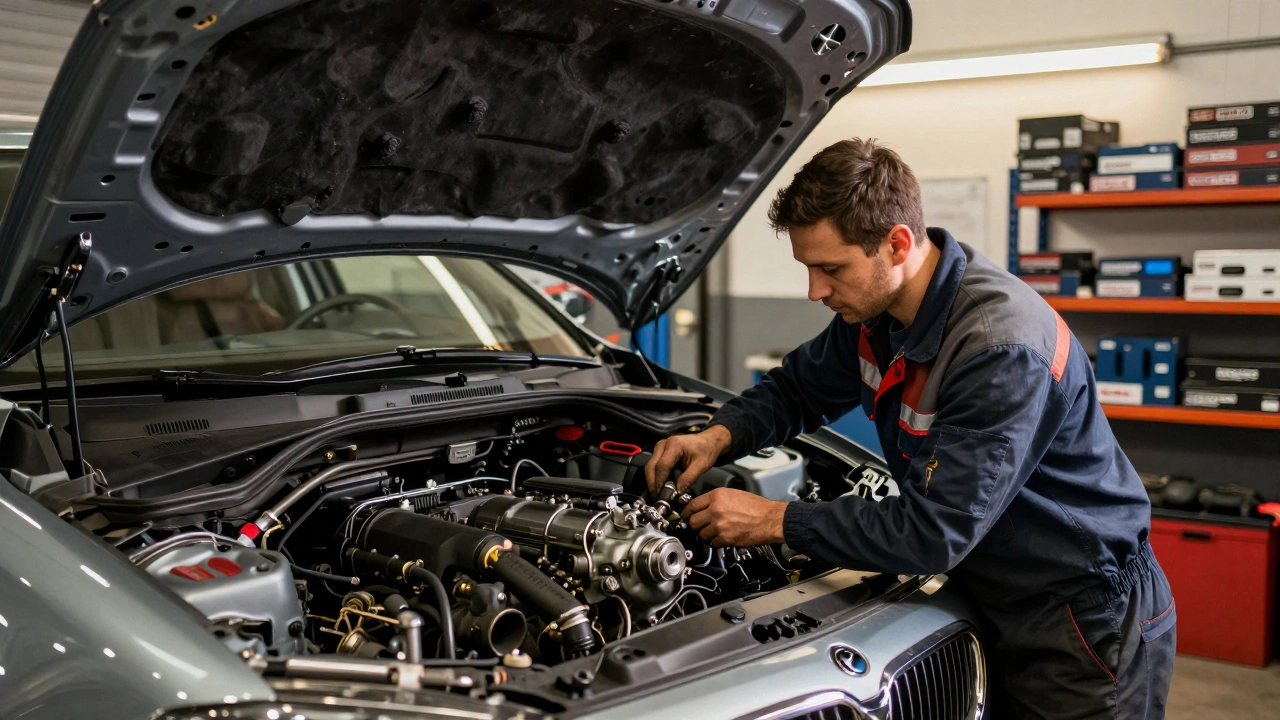
Where you go for the repair matters just as much as the part you buy. Main dealerships offer peace of mind. They use genuine OEM parts, follow manufacturer-specific torque settings, and their work is backed by the dealership’s warranty. This is crucial if your car is still under warranty or if you plan to sell it soon and want a full service history.
Independent garages, particularly those specializing in your brand (e.g., a specialist VW garage), often provide excellent value. They can source high-quality aftermarket parts (from brands like Bosch, Denso, or Valeo) that perform just as well as OEM parts but cost less. Their labor rates are also more competitive. For a car that is five years old or more, an independent specialist is usually the smartest financial choice.
Avoid general "quick fix" shops for fuel system work unless they have specific reviews mentioning fuel pumps. Fuel systems are precision-engineered; using cheap, no-name parts from online marketplaces can lead to premature failure. Stick to reputable brands.
Preventing Premature Fuel Pump Failure
Fuel pumps rely on the fuel itself for cooling and lubrication. Running your tank dry repeatedly is the fastest way to kill a pump. When the tank is low, the pump is exposed to air, causing it to overheat. Make it a habit to refuel when the gauge hits the quarter mark. This keeps the pump submerged and cool.
Another critical factor is the fuel filter. A clogged filter forces the pump to work harder to push fuel through the restriction. Replacing your fuel filter at recommended intervals (usually every 30,000 to 60,000 miles) reduces strain on the pump and extends its life. Finally, ensure you’re filling up at reputable stations. Contaminated fuel with water or debris can damage the internal components of the pump over time.
Is it safe to drive with a failing fuel pump?
No, it is not safe. A failing fuel pump can cause your engine to stall unexpectedly, even at high speeds or in traffic. This loss of power steering and braking assistance creates a serious accident risk. If you suspect your pump is failing, avoid driving the vehicle and arrange for a tow or professional inspection immediately.
How long does a fuel pump last?
Most modern fuel pumps are designed to last the lifetime of the vehicle, typically between 100,000 and 150,000 miles. However, factors like running the tank empty frequently, poor fuel quality, or a clogged fuel filter can shorten this lifespan significantly. Diesel pumps often have shorter lifespans due to higher operating pressures.
Can I replace just the fuel pump motor or do I need the whole assembly?
In most modern cars, it is highly recommended to replace the entire fuel pump module. The module includes the pump, filter, sender unit, and housing. Trying to replace just the motor inside the tank is difficult, risks contaminating the fuel supply, and often leaves worn seals or filters in place. Replacing the whole unit ensures reliability and saves labor time in the long run.
Why is my fuel pump replacement quote so high?
High quotes usually stem from two factors: labor intensity and part quality. If your car requires dropping the fuel tank, labor hours increase dramatically. Additionally, if you are quoted for an OEM part from a main dealer, the part cost will be higher than aftermarket alternatives. Always ask for a detailed breakdown separating parts and labor to understand the cost drivers.
Does replacing the fuel pump fix starting problems?
It fixes starting problems if the fuel pump is the root cause. However, starting issues can also be caused by a dead battery, faulty starter motor, bad spark plugs, or ignition coil failures. A mechanic should diagnose the issue by checking fuel pressure and ruling out electrical causes before replacing the pump to avoid unnecessary expenses.