Fuel Pump Failure Risk Assessor
Select the symptoms you are currently experiencing to estimate your risk level.
Current Risk Status
Select symptoms and click assess
Recommended Action:
...
Your car starts fine in the morning, but halfway through your commute, it hesitates. You press the gas pedal, expecting power, and get silence instead. The engine sputters, coughs, and then dies. This isn’t just bad luck; it’s often the final act of a component that has been struggling for weeks. A failing fuel pump is an electric motor inside your vehicle's fuel tank that pushes gasoline from the tank to the engine at high pressure rarely fails without warning. It usually sends out subtle signals long before it completely quits.
Ignoring these signs can leave you stranded on the side of the road or cause expensive damage to other parts of your engine. Recognizing the early symptoms allows you to plan a repair rather than panic during an emergency. Here is exactly what happens before a fuel pump goes out, how to spot the trouble, and why acting quickly saves you money.
The High-Pitched Whine from the Rear
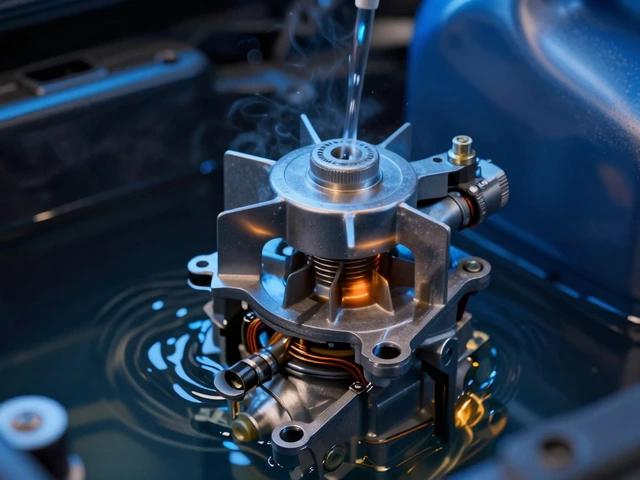
The most common early sign of a dying fuel pump is a change in sound. Your fuel pump sits submerged in the fuel tank, which helps cool and lubricate it. When the internal bearings wear down or the impeller begins to fail, friction increases. This creates a distinct humming or whining noise coming from the rear of the car.
This sound is different from normal engine noise. It is louder when you first turn the key to the 'on' position, even before the engine starts. If you hear a loud whirring or grinding noise from under the rear seat or trunk area, your pump is working harder than it should. In some cases, the noise gets worse as the pump heats up. If you ignore this whine, the pump may eventually seize completely, leaving you with no fuel delivery and a silent engine.
Engine Sputtering at High Speeds
A healthy fuel pump delivers a consistent stream of pressurized fuel to the injectors. When the pump weakens, it struggles to maintain that pressure, especially when the engine demands more power. You will notice this primarily when driving at higher speeds or climbing hills. The engine may feel like it is skipping beats or stuttering. This is known as surging.
Surging happens because the fuel mixture becomes too lean-there is not enough gasoline reaching the combustion chamber. The engine computer tries to compensate, but if the pump cannot keep up, the car feels sluggish. You might think it is a transmission issue, but if the problem persists during steady acceleration, look at the fuel system. Consistent sputtering at highway speeds is a strong indicator that the pump is losing its ability to generate sufficient pressure.
Difficulty Starting and Stalling
If the fuel pump is failing, starting your car becomes a game of chance. Sometimes it fires up immediately; other times, you have to crank the engine several times before it catches. This inconsistency occurs because the residual pressure in the fuel lines drops overnight. A weak pump takes longer to build up enough pressure to start the engine.
Once the car is running, it may stall unexpectedly while idling at a traffic light or stop sign. This happens because the pump cannot maintain the baseline pressure needed for idle operation. Frequent stalling is dangerous because it reduces your control over the vehicle. If your car stalls regularly, do not assume it is an electrical glitch. Test the fuel pressure first. A pump that causes frequent hard starts and random stalling is on borrowed time.

Loss of Power Under Load
You might not notice any issues during city driving, but problems appear when you put the car under stress. Merging onto a busy highway, towing a trailer, or carrying a heavy load requires significant fuel flow. A failing pump cannot deliver the volume needed for these tasks. The car feels like it has run out of steam. You press the accelerator, but the RPMs drop or stay flat instead of rising.
This loss of power is often mistaken for a clogged air filter or a dirty mass airflow sensor. However, if cleaning those components does not restore performance, the culprit is likely the fuel delivery system. Modern cars rely on precise fuel-to-air ratios. When the pump falters, the ratio throws off, causing poor acceleration and reduced fuel economy. If your car used to climb hills easily and now struggles, check the fuel pump before replacing anything else.
The Check Engine Light Illuminates
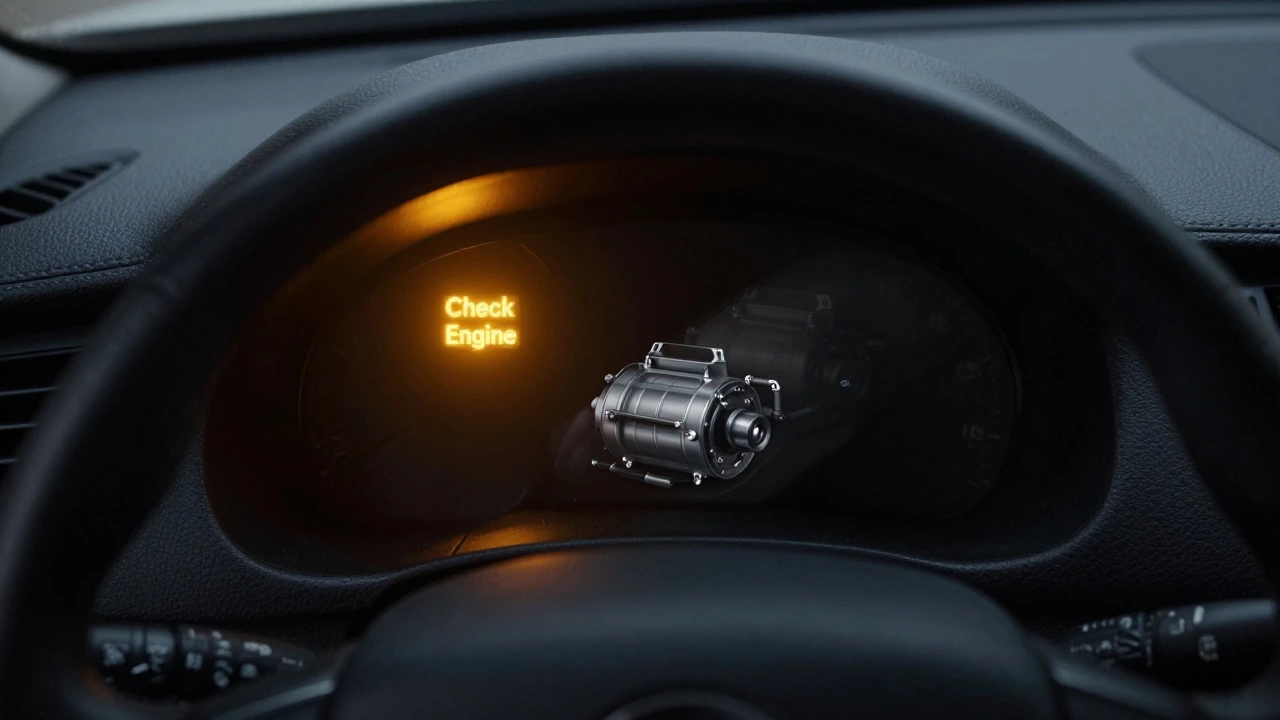
Modern vehicles are equipped with sensors that monitor fuel pressure and trim values. When the fuel pump delivers inconsistent pressure, the engine control unit (ECU) detects a deviation from the expected parameters. It stores diagnostic trouble codes (DTCs) related to fuel system performance. Common codes include P0087 (Fuel Rail/System Pressure Too Low) or P0190 (Fuel Rail Pressure Sensor Circuit).
The check engine light is your dashboard’s way of saying something is wrong. While many drivers ignore this light until it flashes, a steady light accompanied by drivability issues points directly to the fuel system. Reading the code with an OBD2 scanner provides specific clues. If the codes relate to fuel pressure or lean conditions, the pump is a prime suspect. Ignoring these codes can lead to catalytic converter damage due to unburned fuel entering the exhaust system.
Overheating and Complete Failure
Fuel pumps rely on gasoline for cooling. As the pump wears out, it generates more heat due to increased friction. If the pump runs hot for extended periods, the plastic housing can warp, and the electrical connections can degrade. Eventually, the motor burns out entirely. At this stage, the car will not start at all. There will be no whine, no sputtering, just silence when you turn the key.
Complete failure often happens after prolonged neglect of earlier symptoms. Once the pump dies, you need a tow truck. Replacing a failed pump is more expensive because mechanics must diagnose the secondary damage caused by the lack of fuel pressure. Preventive replacement based on early signs is always cheaper and safer than waiting for total collapse.
| Symptom | Early Stage Warning | Late Stage Failure |
|---|---|---|
| Noise | High-pitched whine or hum from rear | Noise disappears as pump seizes |
| Acceleration | Sluggish response, slight hesitation | Complete loss of power, engine dies |
| Starting | Takes multiple cranks to start | Engine will not crank or start |
| Dashboard | Check engine light illuminates steadily | Multiple warning lights may activate |
Differentiating From Other Issues
Not every driving problem is a fuel pump issue. Clogged fuel filters, dirty injectors, and faulty spark plugs can mimic similar symptoms. A clogged filter restricts flow, causing low pressure, but replacing the filter is inexpensive and easy. Dirty injectors cause misfires and rough idling, which can be cleaned with additives or professional service. Spark plug issues usually result in consistent misfires across specific cylinders, detectable via error codes.
To isolate the fuel pump, perform a simple test. Listen for the pump priming when you turn the key. If there is no sound, use a multimeter to check for power at the pump connector. If power is present but the pump is silent, the motor is dead. If power is absent, the issue may be a relay or fuse. Measuring fuel pressure with a gauge provides definitive proof. If pressure is below manufacturer specifications, the pump is failing regardless of other factors.
Maintenance Tips to Extend Pump Life
You can delay fuel pump failure by following basic maintenance habits. Keep your fuel tank above a quarter full. Running on empty exposes the pump to air, reducing cooling and increasing heat buildup. Use high-quality fuel to prevent debris from clogging the pump screen. Replace the fuel filter according to the manufacturer’s schedule. A clean filter ensures smooth flow and reduces strain on the pump motor.
Avoid using aftermarket additives unless recommended by your mechanic. Some chemicals can degrade rubber seals inside the pump assembly. Regularly inspect the fuel lines for leaks or cracks. A leak reduces system pressure, forcing the pump to work harder. By treating the fuel system with care, you extend the life of the pump and avoid unexpected breakdowns.
How much does it cost to replace a fuel pump?
The cost varies widely depending on the vehicle make and model. For most standard cars, parts range from $150 to $400. Labor adds another $100 to $300, bringing the total between $250 and $700. Luxury vehicles or models with complex access requirements can exceed $1,000. Always get a quote before proceeding with repairs.
Can I drive my car if the fuel pump is failing?
It is risky. While the car may still run, a failing pump can quit suddenly, leaving you stranded. Additionally, inconsistent fuel pressure can damage the catalytic converter and oxygen sensors, leading to more expensive repairs. Drive only to the nearest repair shop and avoid highway speeds or heavy loads.
What causes a fuel pump to fail prematurely?
Common causes include running the tank empty frequently, which overheats the pump. Contaminated fuel with dirt or water damages the internal components. Electrical issues, such as a bad relay or corroded connectors, also contribute. Poor quality fuel filters allow debris to enter the pump mechanism.
How long do fuel pumps typically last?
Most fuel pumps last between 80,000 and 100,000 miles. With proper maintenance, some can reach 150,000 miles or more. Factors like driving habits, fuel quality, and environmental conditions affect longevity. Older vehicles may experience failures sooner due to worn-out electrical systems.
Is it safe to replace the fuel pump myself?
It depends on your mechanical skill level. Accessing the pump often requires dropping the fuel tank or removing the rear seat. Working with flammable fuel presents fire hazards if not handled correctly. Disconnecting the battery and relieving fuel pressure are essential safety steps. If unsure, hire a professional to ensure proper installation and safety.