Fuel Pump Health Diagnostic Tool
Select the symptoms you are experiencing with your vehicle to receive an estimated diagnosis.
Awaiting Input
Please select symptoms and click Diagnose.
Recommendation
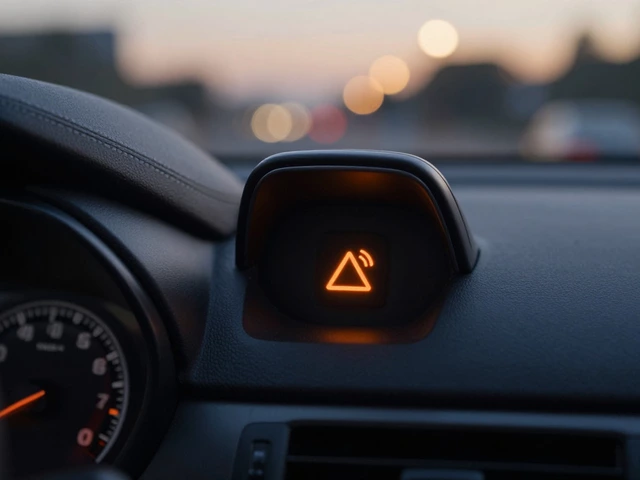
You turn the key. The engine cranks with that familiar, rhythmic whirring, but it just won’t catch. Or maybe you’re cruising at 60 mph when the car suddenly stutters, like it’s running out of breath, before settling back into a smooth idle. These aren’t just annoying quirks; they are often the first whispers of a dying fuel pump is an electric or mechanical device located in the gas tank that pushes gasoline from the reservoir to the engine injectors.. Unlike a flat tire, which is obvious and immediate, fuel pump failure tends to creep up on you, leaving drivers stranded at the worst possible times.
The frustration here is real because the symptoms overlap with other issues, like bad spark plugs or clogged filters. But if you know what to listen for and how to check the basics, you can save yourself a trip to the mechanic-or at least walk in knowing exactly what needs fixing. Let’s break down the clear signs your fuel pump is on its last legs and how to confirm it without guessing.
Listen for the Whine (or Lack Thereof)
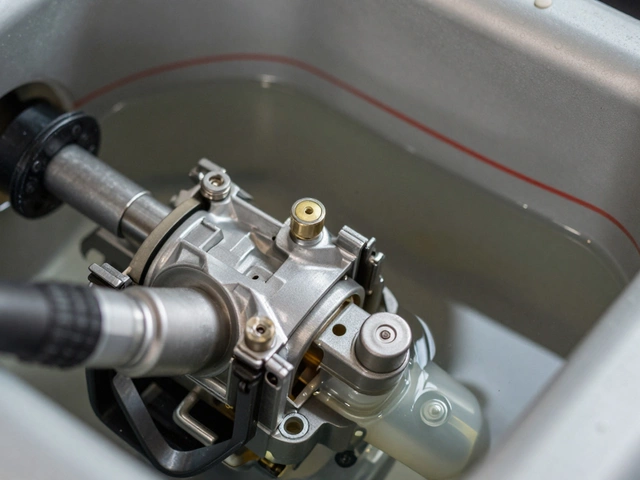
Most modern cars use electric fuel pumps submerged inside the gas tank. When you turn the ignition to the "On" position (before starting the engine), you should hear a faint hum or buzz for about two seconds. This is the pump priming the system, building up pressure so the engine has fuel ready when it fires up.
If you turn the key and hear silence? That’s a major red flag. It doesn’t always mean the pump itself is dead-sometimes it’s a blown fuse or a faulty relay-but it’s the first place to look. Conversely, if the hum sounds louder than usual, like a high-pitched whine or a grinding noise, the pump might be struggling. A worn-out bearing inside the pump motor creates friction, causing it to scream as it works harder to push fuel through lines that might be partially clogged.
Pro Tip: Have a friend sit in the driver’s seat while you stand near the rear wheel well (where most tanks are located). Ask them to cycle the ignition. If you hear absolutely nothing, don’t panic yet. Check your owner’s manual for the fuse box location. A $10 fuse is cheaper than a $300 pump.
Engine Sputtering at High Speeds
Imagine driving on the highway. The car feels fine until you hit 50 mph, then it starts to jerk or sputter. Then, when you ease off the gas, it smooths out again. This intermittent loss of power is classic fuel starvation. The pump is still working enough to keep the engine running at low speeds, but it can’t maintain the necessary fuel pressure is the force exerted by the fuel pump against the resistance of the fuel injectors and lines, typically measured in PSI (pounds per square inch). under heavy load.
This happens because the internal components of the pump wear down over time. The impeller blades get eroded, or the motor windings degrade, reducing efficiency. When you demand more fuel (like accelerating uphill or passing another car), the weak pump simply can’t deliver the volume needed. The result? Lean air-fuel mixture, misfires, and that unsettling hesitation.
It’s worth noting that this symptom can also point to a clogged fuel filter. Since many modern cars have integrated strainers rather than replaceable inline filters, a dirty tank can choke the pump’s intake screen. If cleaning the tank or replacing the strainer doesn’t fix the sputtering, the pump itself is likely the culprit.
Car Starts Harder Than Usual
Does your car take three or four tries to start in the morning, especially after sitting overnight? A healthy fuel pump maintains residual pressure in the lines even when the engine is off. This keeps the injectors ready to spray immediately upon startup.
A failing pump loses this ability. The pressure bleeds off through worn check valves inside the pump assembly. By the time you turn the key, the lines are empty. The starter motor has to crank long enough for the pump to refill the entire line from the tank to the engine-a process that takes precious seconds and drains your battery.
If you suspect this, try a quick test: Turn the key to "On," wait five seconds, turn it off, then repeat this cycle two more times before trying to start the engine. If it fires right up, you’ve confirmed a pressure loss issue. It’s not a permanent fix, but it gets you home safely.

Sudden Power Loss Under Load
This is the dangerous one. You’re merging onto a freeway or climbing a steep hill, press the accelerator hard, and the car goes limp. No acceleration, no response. It feels like someone pulled the emergency brake while you were driving.
This complete cut-off usually means the pump motor overheated and shut down temporarily, or the electrical connection failed completely. In some cases, debris from a rusty tank gets sucked into the pump, jamming the impeller. Once the engine cools down or the debris shifts, power returns. This unpredictability makes it critical to address immediately. Being stranded in traffic due to sudden power loss isn’t just inconvenient-it’s a safety hazard.
How to Confirm It: Simple Diagnostic Steps
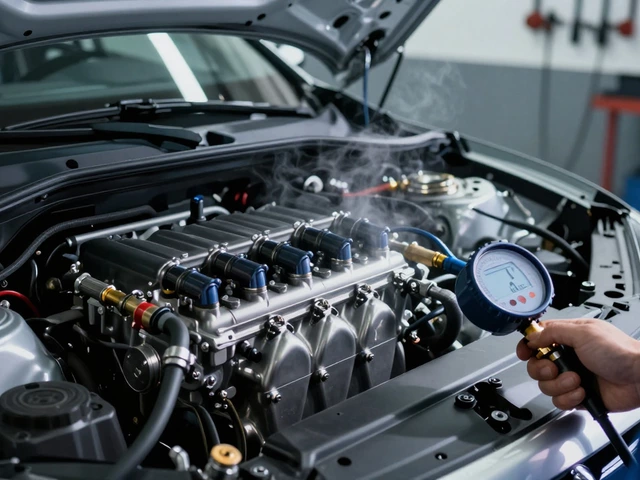
Before you spend money on parts, you need proof. While a professional mechanic uses a fuel pressure gauge attached to the Schrader valve on the fuel rail, there are DIY checks you can do.
| Symptom | Likely Cause | Quick Check |
|---|---|---|
| No sound when turning key | Dead pump, fuse, or relay | Check fuses; swap relay with identical one |
| Loud whining noise | Worn bearings or low fuel level | Fill tank; listen for change in pitch |
| Sputtering at high speed | Weak pump or clogged filter | Replace fuel filter (if applicable) |
| Hard cold starts | Loss of residual pressure | Prime ignition 3x before starting |
| Engine stalls randomly | Overheating pump or wiring fault | Inspect wiring harness for chafing |
Another simple trick involves listening closely. Some mechanics recommend using a long screwdriver as a stethoscope. Place the tip near the fuel tank access panel (under the rear seat in many sedans) and put your ear on the handle. If the pump is vibrating excessively or making irregular knocking sounds, it’s mechanically failing.
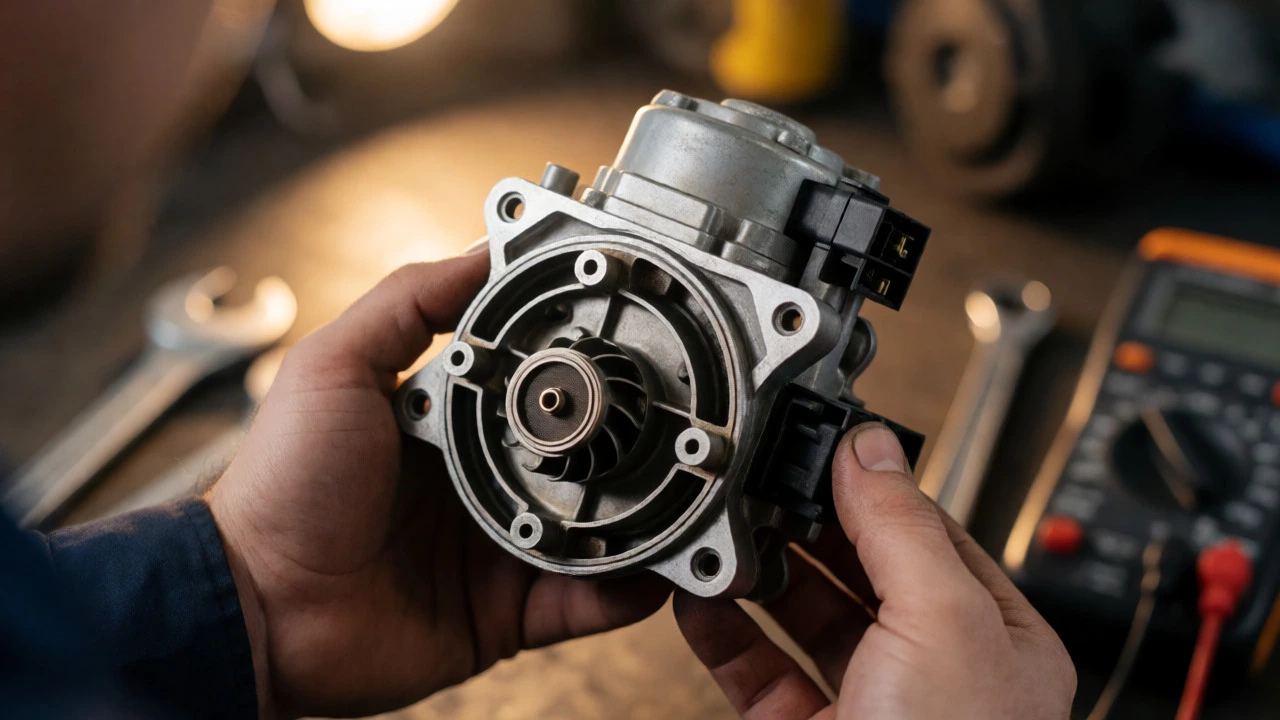
For those handy with tools, checking voltage at the fuel pump connector can rule out electrical issues. Use a multimeter to see if 12 volts reach the pump when the ignition is on. If voltage is present but the pump doesn’t run, the motor is burnt out. If no voltage arrives, trace the circuit back to the ECU or fuel pump relay.
When to Replace vs. Repair
In most modern vehicles, the fuel pump is part of a larger assembly called the "fuel sender unit." This includes the float arm, sending unit, and sometimes the filter. Because these units are sealed and complex, individual component repair is rarely practical. Mechanics almost always replace the entire module.
Consider the age and mileage of your car. If you have over 100,000 miles and experience any of the above symptoms, replacement is usually the best path. Attempting to clean a 15-year-old pump often wastes labor hours only for it to fail again weeks later.
However, if your car is newer and you recently filled up at a shady gas station, the issue might be contamination. Water or dirt in the fuel can cause temporary glitches. In such cases, draining the tank and replacing the filter might solve the problem without touching the pump. Always rule out external factors first.
Preventing Future Failures
Fuel pumps rely on gasoline for lubrication and cooling. Running your tank below a quarter full regularly forces the pump to draw air along with fuel, causing it to overheat and wear out faster. Try to keep your tank at least half full whenever possible.
Also, pay attention to your fuel quality. Low-quality gasoline can leave varnish deposits that gum up the pump’s moving parts. Using a reputable brand and occasionally adding a fuel system cleaner can help keep the pump internals smooth and efficient.
Finally, remember that the fuel pump is part of a broader ecosystem. A clogged catalytic converter can create backpressure, forcing the pump to work harder than designed. If you notice poor exhaust flow alongside fuel issues, check the exhaust system too.
Can I drive with a bad fuel pump?
You can drive short distances if the car still runs, but it's risky. The pump could fail completely, leaving you stranded. Additionally, a failing pump may send metal shavings into your fuel injectors, causing expensive damage. It's best to limit driving to essential trips and get it fixed ASAP.
How much does it cost to replace a fuel pump?
Parts typically range from $100 to $400 depending on the vehicle make and model. Labor costs add another $200 to $400 because accessing the pump often requires dropping the fuel tank or removing rear seats. Total costs usually fall between $400 and $800.
Does a bad fuel pump throw a code?
Not directly. The OBD-II system monitors engine performance, not pump health. However, a weak pump causes lean conditions, triggering codes like P0171 (System Too Lean) or P0300 (Random Misfire). These codes indicate symptoms of fuel delivery issues rather than confirming pump failure.
Is it hard to replace a fuel pump myself?
It varies by car. For many sedans, you can access the pump through an inspection panel under the rear seat, making it a moderate DIY job requiring basic tools and safety precautions (no sparks!). For SUVs or trucks where the tank must be dropped, it's a challenging job better left to professionals.
Why did my new fuel pump fail early?
This is often due to contaminated fuel or a clogged filter that wasn't replaced during installation. Debris damages the new pump quickly. Always replace the fuel filter or clean the tank when installing a new pump to ensure longevity.