Fuel Pump Diagnostic Checker
Select the symptoms you are experiencing below to receive an instant diagnostic assessment.
Diagnostic Result
Please select your symptoms and click "Analyze Symptoms" to see if your fuel pump might be the culprit.
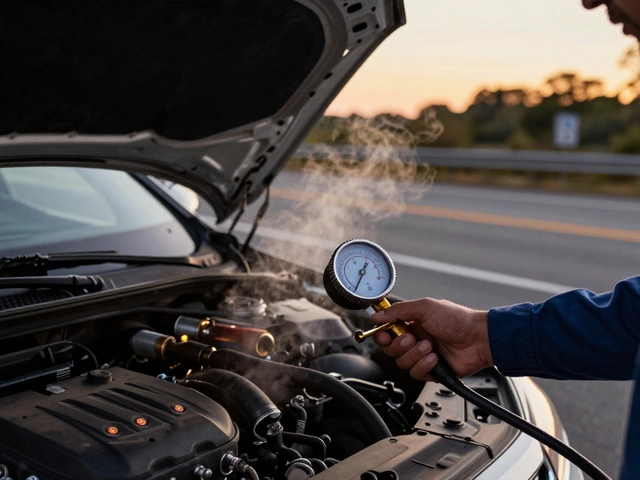
You turn the key. The engine cranks with that familiar, eager rhythm, but it just won't catch. Or maybe you're cruising down the M60 at 70 mph, and suddenly the car feels like it's holding its breath-hesitating, stumbling, losing power for no obvious reason. These are classic signs of a fuel pump that is on its last legs. It’s one of those components that doesn’t usually give you a polite warning light; instead, it leaves you stranded or frustrated with erratic performance.
Figuring out if your fuel pump is actually the culprit can be tricky because the symptoms often mimic other issues, like clogged injectors or a failing ignition coil. But there are specific clues-sounds, behaviors, and diagnostic tests-that separate a dying pump from other mechanical gremlins. Let’s break down exactly what to look for so you don’t waste money replacing parts that are still perfectly fine.
The Sound Test: Listen Before You Wrench
Your first line of defense is your ears. A healthy electric fuel pump makes a faint, steady hum when you turn the ignition to the "On" position (before starting the engine). This sound lasts for about two seconds as the pump primes the system. If you hear silence, the pump might be dead, or the fuse/relay has blown. But here’s where it gets interesting: if the hum is louder than usual, whining, or sounds like a dentist’s drill, the pump is likely struggling. This increased noise happens because the internal bearings are wearing out or the impeller is rubbing against the housing due to lack of lubrication (which comes from the fuel itself).
In older vehicles with mechanical pumps, listen for a rhythmic ticking or knocking near the engine bay. While some tick is normal, a loud, irregular knock suggests the diaphragm or pushrod is failing. Don’t ignore this. A noisy pump is almost always a failing pump, even if the car is still running.
Performance Issues: Hesitation and Power Loss
A failing pump struggles to maintain consistent fuel pressure. When you accelerate hard, climb a steep hill, or tow a trailer, the engine demands more fuel. If the pump can’t keep up, the air-fuel mixture becomes lean, causing hesitation, sputtering, or a complete loss of power. This is often intermittent at first. You might drive fine around town but feel the car stumble on the motorway when you need sustained high RPMs.
Another telltale sign is surging. If your car randomly accelerates without you touching the gas pedal, it’s not a ghost in the machine-it’s inconsistent fuel delivery. The pump’s internal check valve may be leaking, allowing pressure to drop when the engine is off, leading to extended crank times. Or, the pump’s regulator is failing, sending too much fuel into the intake manifold sporadically.
Starting Difficulties and Stalling
Does your car take longer than usual to start? If the engine cranks for five or six rotations before firing up, the fuel lines may have drained back overnight because the pump’s check valve isn’t sealing properly. This forces the pump to re-prime the entire system every time you start the car, putting extra strain on an already weak component.
Stalling is another red flag. If the engine cuts out while idling or at low speeds, the pump might be overheating. Electric pumps rely on flowing fuel to cool themselves. If you run your tank below a quarter full frequently, the pump sits exposed to air, overheats, and shuts down temporarily until it cools off. Once it cools, it works again-until it heats up and fails again. This cycle of working then failing is a hallmark of thermal breakdown in a worn pump.

Check Engine Light and Codes
While the fuel pump itself doesn’t have a dedicated sensor, the engine control unit (ECU) monitors the results of poor fuel delivery. Common trouble codes associated with a bad pump include:
- P0171/P0174: System Too Lean (Bank 1/Bank 2). This means the engine is getting too much air relative to fuel, often because the pump can’t deliver enough volume.
- P0087: Fuel Rail/System Pressure - Too Low. This is a direct indicator that the pressure isn’t meeting specifications.
- P0300-P0304: Random/Multiple Cylinder Misfires. Lean conditions caused by low fuel flow can cause cylinders to misfire.
Don’t just clear these codes and hope they go away. If P0087 returns after clearing, you’re looking at a fuel delivery issue, not a random glitch.
How to Confirm: Simple Diagnostic Tests
You don’t need a professional garage to verify your suspicions. Here are three steps you can do yourself or ask a mechanic to perform quickly.
1. The Fuel Pressure Test
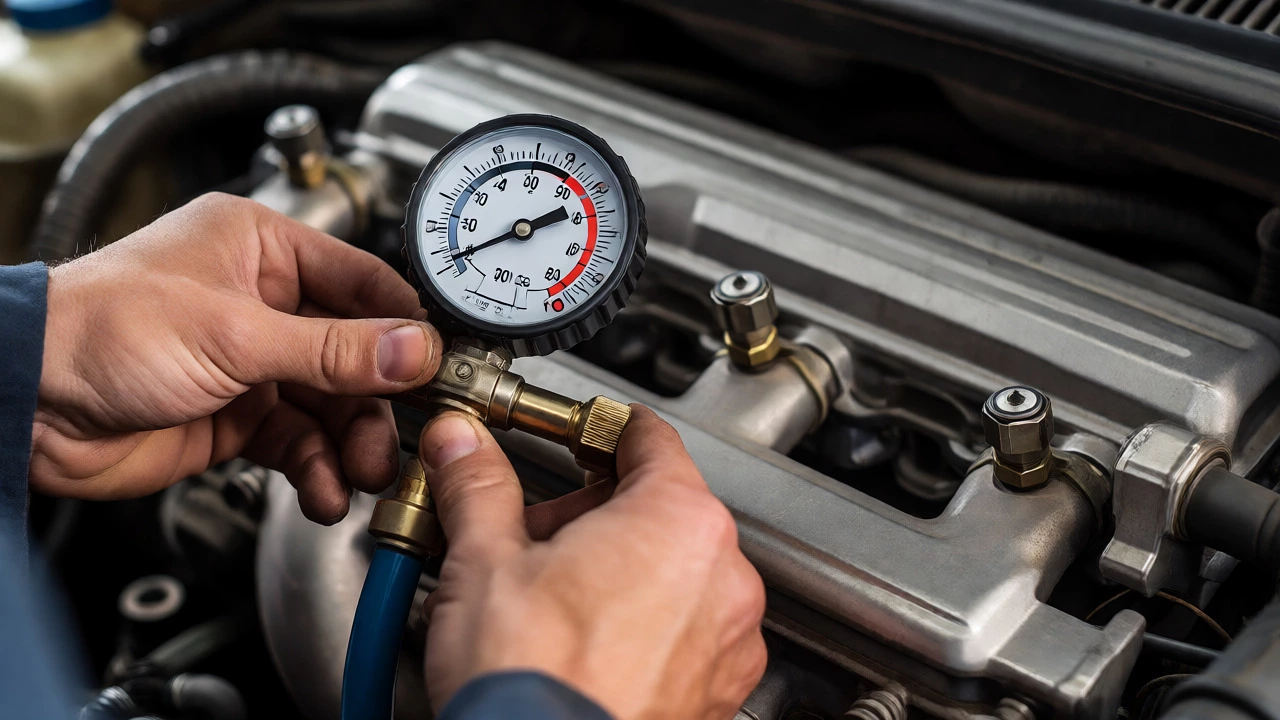
This is the gold standard. Connect a fuel pressure gauge to the Schrader valve on your fuel rail (or use an inline adapter if your car lacks a port). Turn the ignition to "On." The pressure should jump to the manufacturer’s spec (usually between 35-65 psi for most modern cars, though diesel systems vary wildly). Then, start the engine. The pressure should hold steady. If it drops significantly under load or fluctuates wildly, the pump is failing. Also, check for pressure drop after shutting off the engine. If it falls below spec within 5 minutes, the check valve is bad.
2. The Voltage Drop Test
Sometimes the pump is fine, but it’s not getting enough power. Use a multimeter to measure voltage at the pump connector while cranking. You want to see close to battery voltage (12V+). If you see only 9V or 10V, you have resistance in the wiring or corroded connectors starving the pump. Replacing the pump won’t fix a wiring issue.
3. The Volume Test
Pressure alone can be misleading if the restriction is downstream. Measure how much fuel the pump delivers in 15 seconds. Disconnect the return line and catch the output in a measured container. Most pumps should deliver several liters in that timeframe. If pressure is good but volume is low, the pump’s impeller might be slipping, or the filter sock inside the tank is clogged.
Common Pitfalls: What Else Could It Be?
Before buying a new pump, rule out these common imposters:
| Component | Similar Symptom | Key Difference |
|---|---|---|
| Clogged Fuel Filter | Hesitation, low pressure | Replacing the filter fixes the issue instantly; pump remains functional. |
| Dirty Injectors | Misfires, rough idle | Fuel pressure remains normal and stable during testing. |
| Ignition Coils | Misfires, stalling | No change in fuel pressure; spark plugs show wear or fouling. |
| Mass Air Flow Sensor | Lean codes, hesitation | Fuel pressure is correct, but ECU miscalculates air intake. |
Also, check your fuel pump relay and fuses. A burnt relay mimics a dead pump perfectly. Swap it with an identical relay (like the horn or A/C relay) to see if the car starts. If it does, you’ve saved yourself hundreds of pounds.
Prevention: Keeping Your Pump Alive
Once you replace the pump, protect it. Modern electric pumps live inside the fuel tank, submerged in gasoline. They rely on this fuel for cooling and lubrication. Running your tank on empty isn’t just annoying for finding stations; it’s deadly for the pump. Keep your tank above a quarter full whenever possible. Additionally, using high-quality fuel helps prevent varnish buildup, which can clog the pump’s intake screen.
Can I drive with a bad fuel pump?
You can drive short distances, but it’s risky. A failing pump can cut out completely without warning, leaving you stranded in traffic or on a remote road. Furthermore, debris from a disintegrating pump can contaminate the entire fuel system, potentially damaging injectors and requiring a much more expensive repair.
How much does it cost to replace a fuel pump?
In the UK, parts typically range from £50 to £200 depending on the vehicle make and model. Labor is significant because many pumps require dropping the fuel tank or removing rear seats, adding £100-£300 to the bill. Total costs often fall between £200 and £500.
Why does my car stall when the tank is nearly empty?
When fuel levels are low, the pump may suck in air along with fuel, especially when turning corners or going uphill. This causes vapor lock or momentary starvation. Additionally, sediment at the bottom of the tank can clog the pump’s intake screen when there isn’t enough liquid to cover it fully.
Do all cars have external fuel pumps?
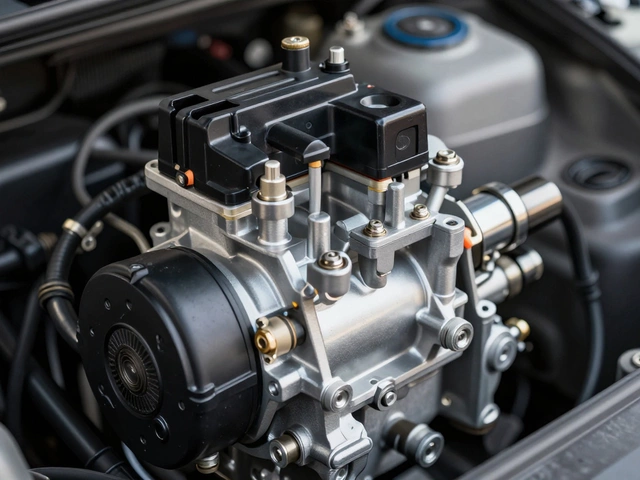
No. Most modern petrol cars use an internal electric pump located inside the fuel tank. Older vehicles and some diesels may use a mechanical pump mounted on the engine block. Always check your specific service manual for location details.
Is a noisy fuel pump dangerous?
It’s not immediately dangerous in terms of safety, but it indicates imminent failure. Ignoring the noise increases the chance of being stranded and raises the risk of internal components breaking apart and contaminating your fuel injectors.