Fuel Pump & Battery Reset Myth-Buster
Confused by a no-start condition? Use this interactive guide to determine if your issue is a simple electronic glitch (fixable by a reset) or a mechanical failure requiring part replacement.
Scenario 1: The "Silent" Start
You turn the key to the "On" position, but hear absolutely no hum from the back seat/fuel tank area.
Verdict: Likely Electrical/Mechanical
If there is no sound at all, the pump isn't getting power or the motor is dead. A battery reset rarely fixes a burnt-out motor. Check fuses and relays first. If those are good, the pump likely needs replacement.
Scenario 2: The "Loud Whine"
The car starts, but you hear a loud whining or grinding noise from the fuel tank area while driving.
Verdict: Mechanical Failure
Noise indicates worn bearings or debris inside the pump housing. No amount of resetting will lubricate dry bearings or remove debris. Replace the pump assembly soon to avoid total failure.
Scenario 3: The "Intermittent Ghost"
The car won't start one day. You disconnect the battery for 30 minutes, reconnect it, and the car starts perfectly. It happens again next week.
Verdict: Electronic Glitch / Loose Connection
This suggests an ECU software glitch, a sticky relay, or a loose ground wire that was jiggled during the reset. The pump itself is likely fine. Investigate wiring harnesses and relays before buying a new pump.
Scenario 4: The "Hot Stall"
The car runs fine when cold, but stalls immediately after shutting off and trying to restart when hot.
Verdict: Not the Pump (Usually)
This is often vapor lock caused by a restricted fuel filter or a bad gas cap vent, not necessarily the pump motor. Check the simplest/cheapest items first: fuel filter and gas cap seal.
Quick Reference: What Resets Fix?
| Component | Battery Reset Effect | Can Reset Fix It? |
|---|---|---|
| Fuel Pump Motor | No effect on physical wear | No |
| Fuel Pump Relay | Clears sticky logic temporarily | Maybe |
| ECU Logic | Resets adaptive memory | Yes |
| Wiring Harness | No effect on corrosion/breaks | No |
Pro Tip: How to Properly Reset the ECU
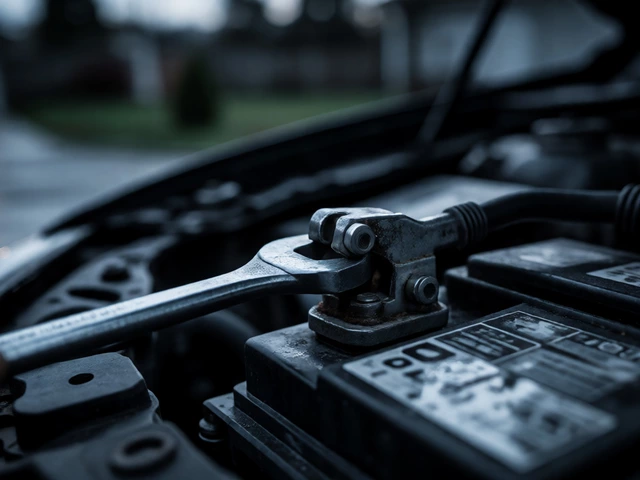
Simply pulling the cable for 10 seconds is often insufficient. For a complete reset, disconnect the negative battery terminal and wait 15–30 minutes. Tapping the brake pedal while disconnected helps drain residual capacitor charge faster.
You’re standing in your driveway, key in hand, turning it over and over again while the engine just cranks without catching. Your friend tells you, "Just disconnect the battery for ten minutes; it resets everything." You do it, reconnect, and try again. Silence. Or maybe a sputter that dies immediately. The question burning in your mind is simple: will resetting the battery reset the fuel pump? It’s a common hope because battery resets are free and easy, whereas replacing a fuel pump can cost hundreds of dollars. But does cutting power to your car actually fix mechanical components like the pump itself?
The short answer is no, not directly. A battery reset does not repair mechanical wear or electrical failure within the fuel pump assembly itself. However, it can sometimes clear electronic glitches in the Engine Control Unit (ECU) or fuel pump relay logic that might be mimicking a bad pump. Understanding the difference between a software hiccup and a hardware failure saves you from wasting time and money on unnecessary repairs.
Understanding How the Fuel Pump Gets Its Power
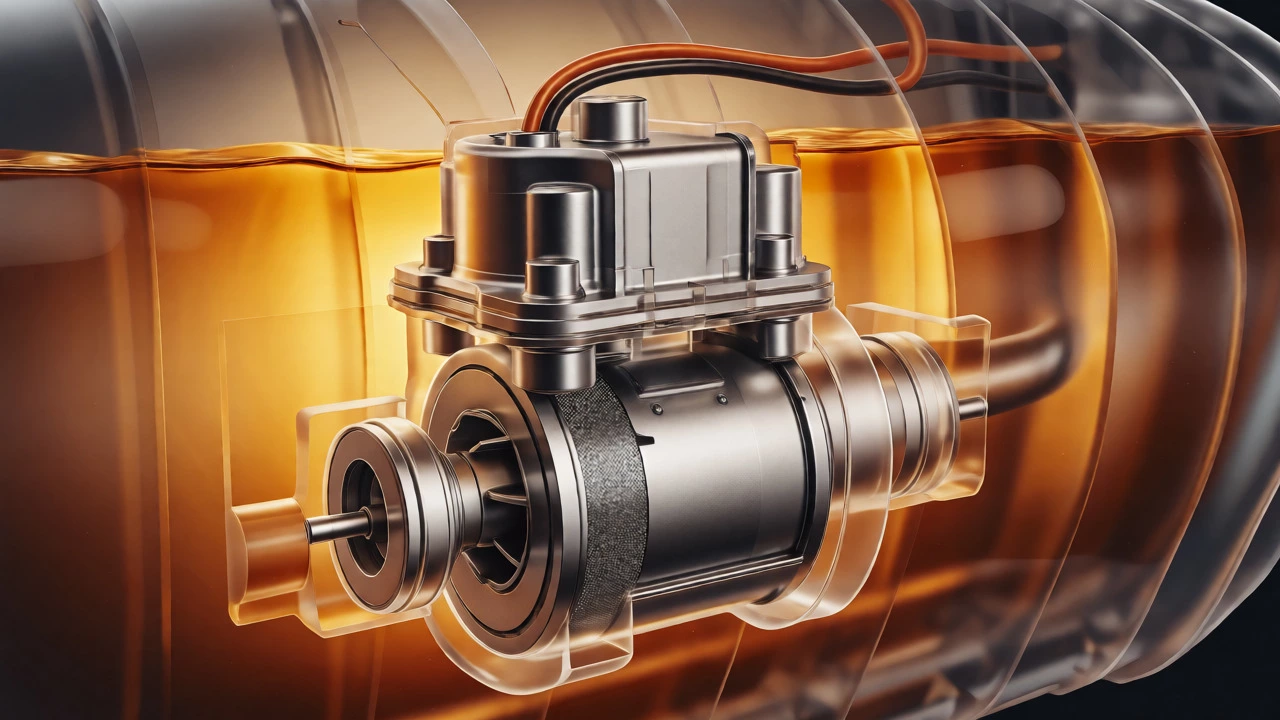
To understand why a battery reset rarely fixes a dead pump, you need to know how the system works. The fuel pump isn’t just plugged into a wall socket; it’s controlled by a complex chain of commands. When you turn the key to the "on" position, the ignition switch sends a signal to the Engine Control Unit (ECU) the computer module that manages engine functions including fuel delivery. The ECU then activates the fuel pump relay, which closes a circuit allowing high amperage current to flow from the fuse box to the fuel pump located inside the gas tank.
This process happens in milliseconds. If the ECU detects a crash sensor trigger or a lack of oil pressure, it may cut power to the pump as a safety measure. This is where the confusion starts. People assume that if the ECU "forgot" to turn the pump on, rebooting the ECU via a battery disconnect will remind it to work. While the ECU does reset its learned fuel trim values and some temporary error codes during a hard reset, it doesn’t change the physical state of the pump motor or its wiring harness.
| Component | Effect of Battery Reset | Can It Be Fixed by Reset? |
|---|---|---|
| Fuel Pump Motor | No effect on physical wear or burnout | No |
| Fuel Pump Relay | Clears sticky contact logic temporarily | Maybe (if intermittent) |
| ECU Logic | Resets adaptive memory and idle settings | Yes (for software glitches) |
| Wiring Harness | No effect on corrosion or breaks | No |
When a Battery Reset Might Actually Help
There are specific scenarios where disconnecting the battery seems to fix the fuel pump issue, even though it didn’t repair the pump itself. This usually involves the electronic control side of the equation rather than the mechanical pump.
- Stuck Relays: Sometimes, a fuel pump relay gets stuck in the "open" position due to carbon buildup on the contacts. A full power cycle can occasionally cause the spring mechanism in the relay to snap back into place, restoring connection temporarily. This is rare but possible with older relays.
- Inertia Switch Tripping: Many cars have an inertia switch that cuts fuel power after a bump or minor collision. If this switch was tripped falsely or manually, resetting the battery doesn't reset the switch itself (which is mechanical), but in some integrated systems, clearing the crash code from the airbag module (which often talks to the ECU) can re-enable the fuel supply line logically.
- Software Glitches: Modern cars run thousands of lines of code. Occasionally, the ECU enters a "limp mode" or a protective state where it reduces fuel pressure or shuts off non-essential pumps to save energy. A hard reset clears the volatile memory, potentially exiting this erroneous state.
If your car starts fine one day and won’t start the next, and a battery reset brings it back to life, you likely had an electronic communication error, not a broken pump. However, if the problem returns within days or weeks, the underlying cause-like a failing relay or loose ground wire-is still there.
Signs Your Fuel Pump Is Actually Failing
How do you know if you’re dealing with a real mechanical failure versus a digital ghost in the machine? Mechanical failures leave distinct auditory and performance clues that a reset cannot erase.
The most obvious sign is silence. When you turn the key to "on" (before cranking), you should hear a faint two-second hum from the rear seat area. That’s the fuel pump priming the initial pressurization of the fuel lines before engine start. If you hear nothing, the pump isn’t getting power, or the motor is dead. A battery reset won’t make a burnt-out electric motor spin again.
Another indicator is noise. A dying pump often whines loudly or makes a grinding sound. This indicates worn bearings or debris inside the pump housing. No amount of resetting will lubricate those dry bearings. Similarly, if the car starts but stalls when you accelerate hard, or surges at highway speeds, the pump may be struggling to maintain pressure under load. This is a classic symptom of a weak pump that needs replacement, not a reboot.
DIY Diagnostics Before You Buy Parts
Before you spend $300 on a new fuel pump assembly, perform these three checks. They take less than thirty minutes and require basic tools.
- Listen for the Hum: Have someone sit in the driver’s seat and turn the key to "On." Stand near the fuel filler door or under the rear seat. Do you hear the buzz? If yes, the pump is working. If no, check the fuse first.
- Check the Fuse and Relay: Locate your fuse box (usually under the hood or dashboard). Find the fuel pump fuse. Pull it out and inspect the metal strip. If it’s blown, replace it. Then, swap the fuel pump relay with an identical relay from another system (like the horn or A/C). Try starting the car. If it starts, your old relay was faulty.
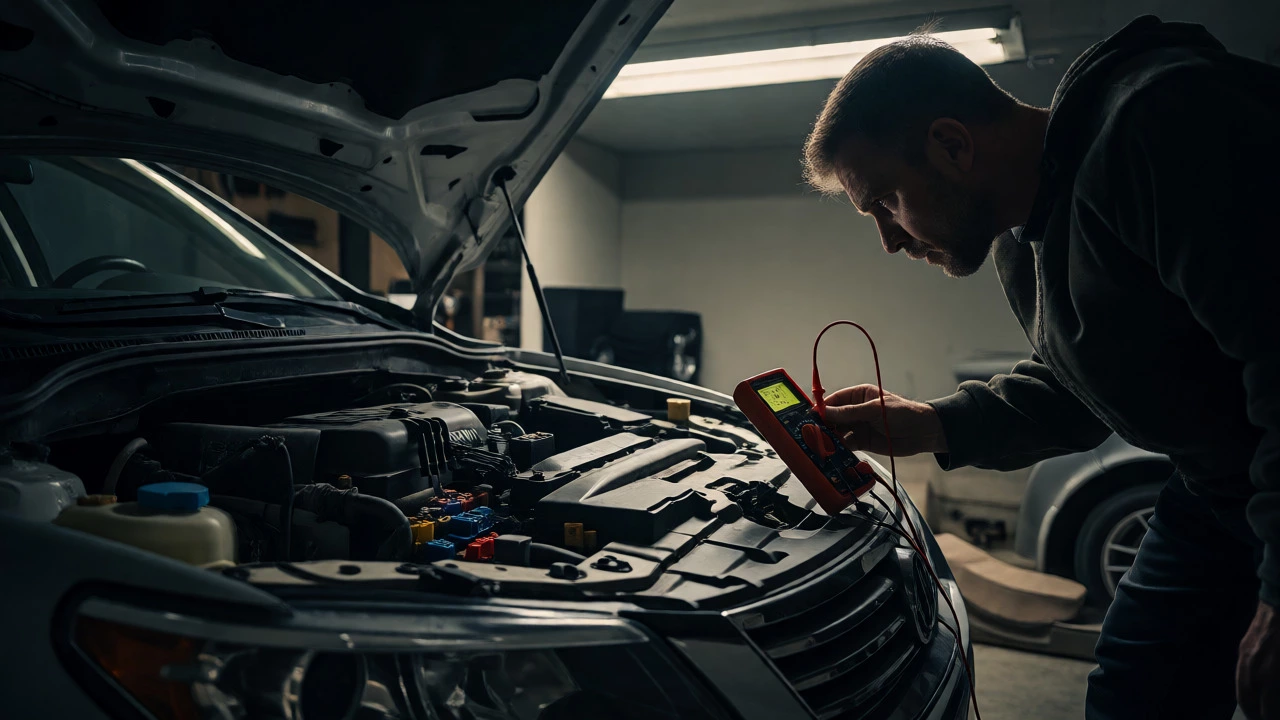
- Test Voltage at the Pump: This requires a multimeter. Access the connector at the fuel tank (often under a rear seat cushion). With the key in the "On" position, probe the power pin. You should see battery voltage (around 12V). If you have voltage but no pump operation, the pump is dead. If you have no voltage, the issue is upstream (fuse, relay, wiring, or ECU).
The Cost of Guessing Wrong
Replacing a fuel pump is labor-intensive. On many modern cars, the pump is part of the entire fuel sender assembly, requiring removal of the gas tank or access through the trunk floor. Labor can range from $200 to $600 depending on the vehicle. If you replace a perfectly good pump because you assumed a reset would fail, you’ve wasted significant money.
Conversely, ignoring a failing pump can lead to more expensive damage. A clogged filter inside the pump assembly can starve the injectors, causing misfires that damage catalytic converters. A pump running hot due to low fuel levels (always keep above 1/4 tank!) can seize completely, leaving you stranded. Accurate diagnosis prevents both premature replacement and catastrophic breakdowns.
Related Systems and Interactions
The fuel pump doesn’t operate in isolation. It interacts closely with the Fuel Pressure Regulator a component that maintains consistent fuel pressure to the injectors and the Crankshaft Position Sensor a sensor that tells the ECU when to fire spark plugs and inject fuel. Sometimes, a faulty crank sensor prevents the ECU from engaging the fuel pump entirely. In this case, the pump is fine, but it never gets the command to run. A battery reset clears the sensor’s historical data but doesn’t fix a broken sensor.
Also consider the fuel filter. In older cars, the filter is external and cheap to change. In newer cars, it’s built into the pump assembly. If your car struggles to start when hot, it might not be the pump but vapor lock caused by a restricted filter or vented cap. Always rule out the simplest, cheapest fixes first.
Does disconnecting the battery reset the fuel pump relay?
Disconnecting the battery removes power from the relay coil, forcing it to open. When power is restored, the relay returns to its default state. If the relay was electronically latched or stuck due to a software command, this reset helps. However, if the relay contacts are physically welded shut or corroded, a battery reset will not fix it.
Why did my car start after I disconnected the battery?
This often happens because the ECU cleared a temporary error code or exited a protective mode. It could also be coincidental timing-the issue was intermittent, and the act of waiting or wiggling connections during the reset fixed a loose ground wire. It rarely means the fuel pump itself was repaired.
How long should I leave the battery disconnected to reset the ECU?
Most experts recommend waiting at least 15 to 30 minutes to ensure all capacitors in the ECU discharge fully. Some people tap the brake pedal while the battery is disconnected to drain residual power faster. Simply pulling the cable for 10 seconds is often insufficient for a complete reset.
Can a bad fuel pump drain the battery?
A bad fuel pump typically draws too little current (when dead) or normal current until it fails. It does not usually cause a parasitic drain that kills the battery overnight. A stuck relay, however, can keep the pump running continuously, draining the battery. Check if the pump runs constantly when the car is off.
Is it worth trying a fuel pump additive?
Additives can clean varnish from injectors and help lubricate the pump slightly, but they cannot fix a burned-out motor or a cracked impeller. If the pump is making noise, additives might quiet it temporarily but won’t extend its life significantly. Use them for maintenance, not repair.