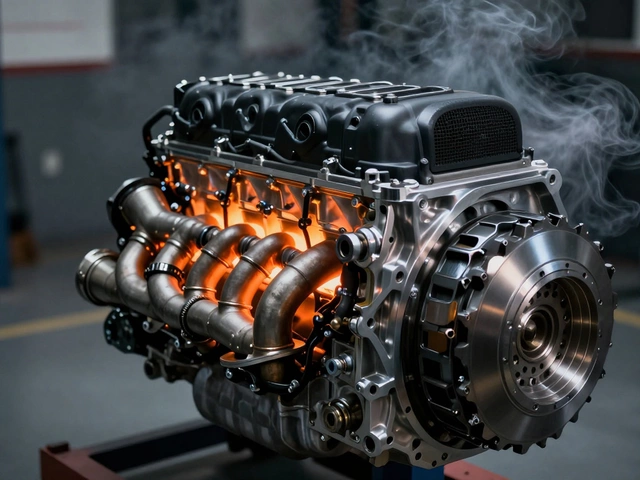
Clutch Kit Selector Tool
Step 1: Vehicle Identification
Step 2: Driving Style
Step 3: Torque & Modifications
Replacing a clutch isn’t like changing your oil. You can’t just grab the first one that fits. If you pick the wrong clutch kit, you’ll end up with a pedal that feels like a brick, slipping gears, or worse - a clutch that dies before you’ve even driven 1,000 miles. So how do you know what clutch kit to buy? It’s not about brand names or price tags. It’s about matching the clutch to your car, your driving, and your real-world needs.
Start with Your Car’s Exact Specs
Not all clutches are created equal. A clutch kit for a 2018 Honda Civic won’t work in a 2021 Ford Mustang. The first step is to find out exactly what your car needs. Look up your vehicle’s VIN or check the owner’s manual. You’ll need the year, make, model, engine size, and transmission type. For example, a 2.0L turbocharged engine with a 6-speed manual needs a different clutch than a naturally aspirated 2.4L with a 5-speed.
Some aftermarket brands list compatibility by VIN, but others only list model years. If you’re unsure, cross-reference with a trusted parts database like RockAuto, ECS Tuning, or even your local dealership’s parts counter. They’ll tell you what OEM part number your car originally used. That’s your baseline.
Understand What’s Inside a Clutch Kit
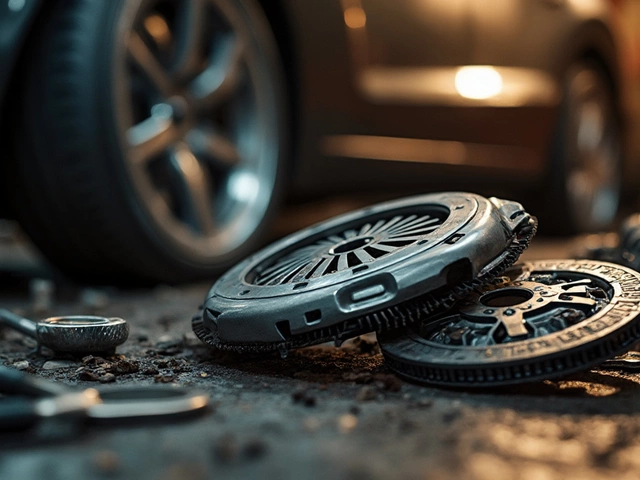
A clutch kit isn’t just one part. It’s usually three: the clutch disc, the pressure plate, and the release bearing (sometimes called the throw-out bearing). Some kits include a pilot bearing or input shaft spline lubricant too. Don’t skip the bearing - it’s cheap to replace while you’re in there, and a worn one can ruin a brand-new clutch in weeks.
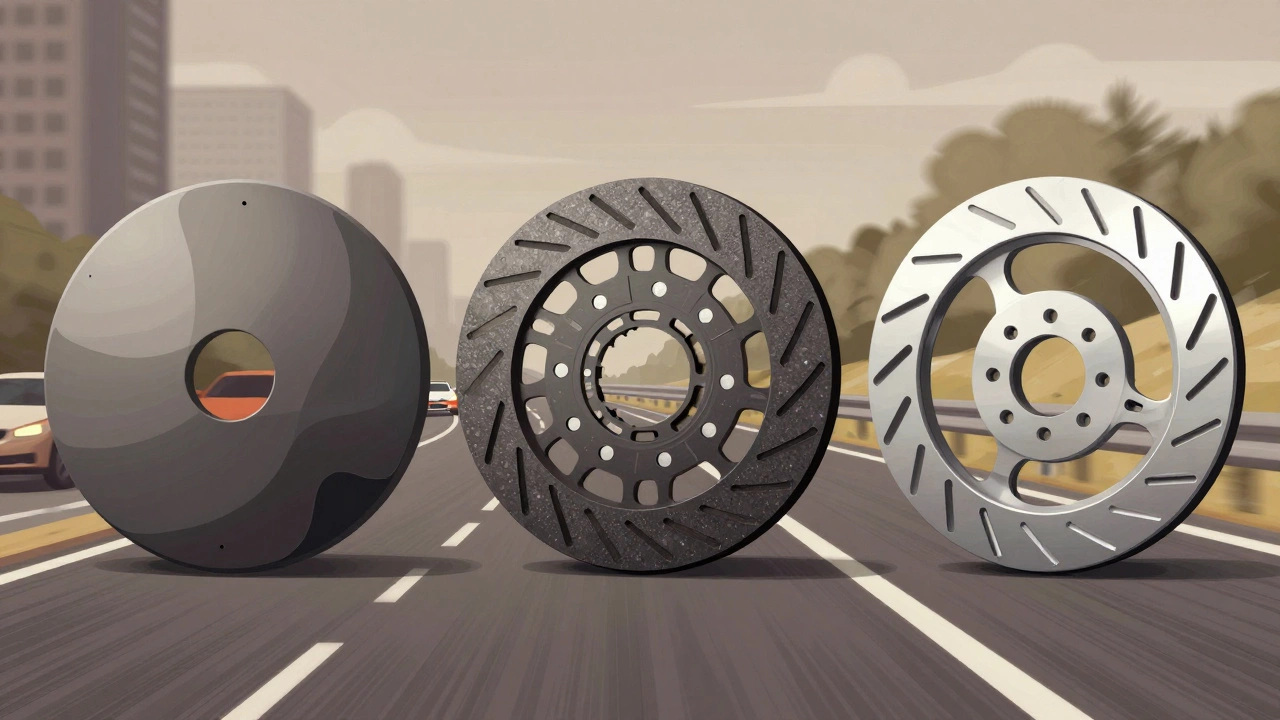
The clutch disc is the part that wears out. It’s got friction material on both sides, like brake pads. The pressure plate clamps it down. The type of material used in the disc determines how it behaves. Organic discs are smooth and quiet - good for daily driving. Ceramic or metallic discs grip harder but are harsher on the pedal and can chatter when cold. If you’re not racing, stick with organic or improved organic.
Match the Clutch to How You Drive
This is where most people mess up. You might see a “performance” clutch advertised for track use and think, “I want that.” But if you drive 30 miles a day in city traffic, a heavy-duty clutch will make your commute painful. You’ll be riding the clutch pedal just to get moving. It’ll wear out faster. And you’ll hate every stoplight.
Here’s a simple rule:
- Daily driver? Go with an OEM-style or upgraded organic clutch. It’ll last 80,000-100,000 miles and feel just like stock.
- Weekend enthusiast? Look for a performance organic or light metallic disc. These handle more torque and heat but still drive smoothly. Brands like Exedy, ACT, and LUK make good ones.
- Track or drag racer? You’ll need a full race clutch - usually multi-plate, with aggressive friction material. But even then, you need to match it to your engine’s power curve. A 400hp turbo needs a different clutch than a 300hp NA engine.
Don’t fall for the “upgraded for high torque” marketing. If your car makes 200hp and you haven’t modified the engine, you don’t need a 600hp-rated clutch. You just need a reliable one.
Check Your Engine’s Power Output
Even if your car is stock, engines change over time. A 10-year-old 2.0L engine might only make 140hp now - down from 160hp when new. That’s normal wear. But if you’ve added a turbo, a cam, or a tune, you’ve increased torque. That changes everything.
Use a dyno sheet if you’ve done modifications. If not, estimate based on common mods. For example:
- Stock 2.0L turbo - 250hp
- Stock + intake + exhaust - 270hp
- Stock + tune + downpipe - 310hp
- Stock + turbo upgrade - 400hp+
Clutch kits are rated by torque capacity. Look for one rated at least 10-15% above your engine’s output. If your engine makes 300lb-ft of torque, get a clutch rated for 350lb-ft. That gives you breathing room. Too close, and the clutch will slip under load.
Brand Matters - But Not How You Think
There’s no “best” clutch brand. There’s only the right one for your situation. OEM parts from Sachs, Valeo, or LUK are reliable for daily drivers. They’re what your car came with. If you want to replace it with the same thing, go OEM.
Aftermarket brands like Exedy, ACT, and Centerforce offer better performance options. Exedy is known for smooth engagement and longevity. ACT makes tougher clutches for higher power, but they’re stiffer. Centerforce has a good reputation for balancing performance and drivability.
Avoid no-name brands on Amazon or eBay. I’ve seen clutches from brands like “ProPower” or “RacingX” fail in under 10,000 miles. They save money on materials, skip heat treatment, and don’t test for balance. You’ll feel it in the pedal - vibrations, chatter, or sudden slipping.
Don’t Forget the Flywheel
When you replace the clutch, you should always resurface or replace the flywheel. A warped or glazed flywheel will ruin a new clutch fast. If your flywheel is cracked, grooved, or has heat spots, it’s done.
Some cars use dual-mass flywheels (DMF) - they’re designed to smooth out engine vibrations. But if you’re upgrading to a performance clutch, the DMF can’t handle the extra torque. You’ll need to swap it for a solid single-mass flywheel (SMF). That changes the feel - it’ll be noisier and more direct, but more durable. For daily driving, stick with the DMF unless you’re doing serious mods.
Where to Buy - And What to Avoid
Buy from reputable suppliers. That means auto parts stores with return policies, or direct from the manufacturer’s website. Avoid random sellers on Facebook Marketplace or discount sites that don’t list part numbers.
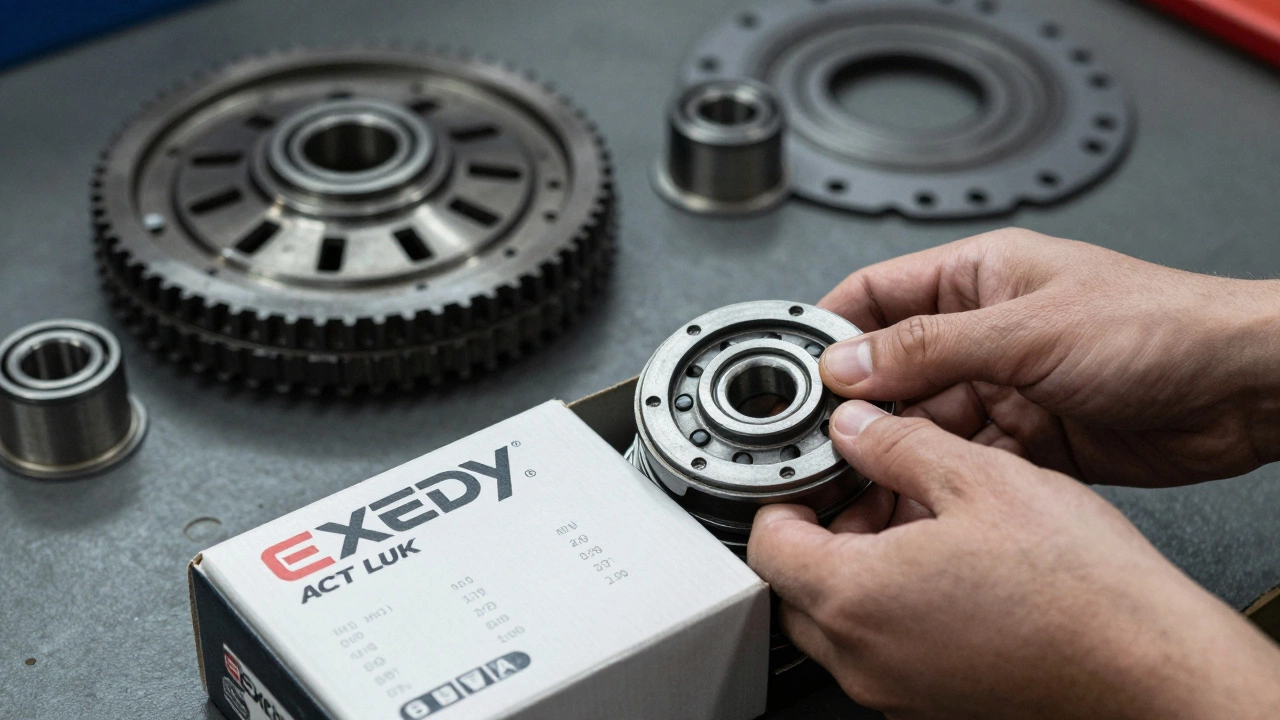
Check the packaging. A real clutch kit comes in a sealed box with the brand logo, part number, and installation instructions. If it’s in a plastic bag with no label - walk away.
Also, watch out for “universal” clutch kits. They claim to fit 20 different cars. They don’t. The spline count, diameter, and pressure plate bolt pattern are all different. You’ll waste time and money trying to make it work.
What Happens If You Get It Wrong?
Buy a clutch that’s too soft? It’ll slip when you accelerate hard. You’ll smell burning friction material. It’ll get worse over time.
Buy one that’s too stiff? You’ll struggle to drive smoothly in traffic. The pedal will be heavy. You might stall at stoplights. It’ll wear out your transmission mount faster.
Buy one with the wrong friction material? You’ll get chatter when cold, or it might grab too suddenly and jerk the car. That’s not just annoying - it can damage your drivetrain over time.
And if you skip replacing the release bearing or don’t resurface the flywheel? You’ll be back in the shop in 6 months. That’s not a repair - that’s a waste.
Final Checklist Before You Buy
- ✓ Match the year, make, model, engine, and transmission exactly
- ✓ Know your engine’s torque output (stock or modified)
- ✓ Choose the right friction material for your driving style
- ✓ Check if you need a single-mass or dual-mass flywheel
- ✓ Buy from a trusted supplier with clear part numbers
- ✓ Get a full kit - disc, pressure plate, bearing, and lubricant
- ✓ Don’t buy used or unbranded parts
If you follow this, you won’t just get a clutch that works. You’ll get one that lasts. And that’s worth more than the cheapest option.