Suspension Health Checker
This tool helps you assess your vehicle's suspension condition based on common symptoms. Select all symptoms you're experiencing to get your suspension health score.
Good Suspension Condition
Your suspension appears to be in good condition. Continue with regular inspections as recommended for your vehicle.
When you drive with a bad suspension, it’s more than just an uncomfortable ride-it’s a safety hazard. suspension system is the critical part of your car that connects the wheels to the chassis. It includes shock absorbers, struts, control arms, and other components that keep your tires firmly on the road. Without it working properly, your vehicle becomes unstable and dangerous.
How Bad Suspension Ruins Your Car's Handling
When your suspension is worn out, your car starts to lean excessively in corners. On UK roads with sharp bends and potholes, this makes steering feel vague and unresponsive. The Royal Automobile Club (RAC) reports that drivers with failing suspension systems are 30% more likely to lose control during sudden maneuvers. Imagine taking a roundabout at 30 mph and feeling the car sway dangerously-that's a classic sign of bad shocks or struts. sway bars help reduce body roll during turns. When they fail, your car leans more in corners, making it harder to control.
Tire Wear and Alignment Issues
Uneven tire wear is one of the first visible signs of suspension problems. If you notice bald patches on one side of your tires or cupping (small dips in the tread), it's because the suspension isn't holding the tires flat against the road. In Manchester, where road surfaces can be rough, this wear happens faster. A study by the UK's Tyre Industry Association found that cars with bad suspension can wear out tires up to 50% quicker than normal. Plus, wheel alignment issues from worn suspension components can cause the car to pull to one side, making driving harder and less safe.
Braking Performance Suffers
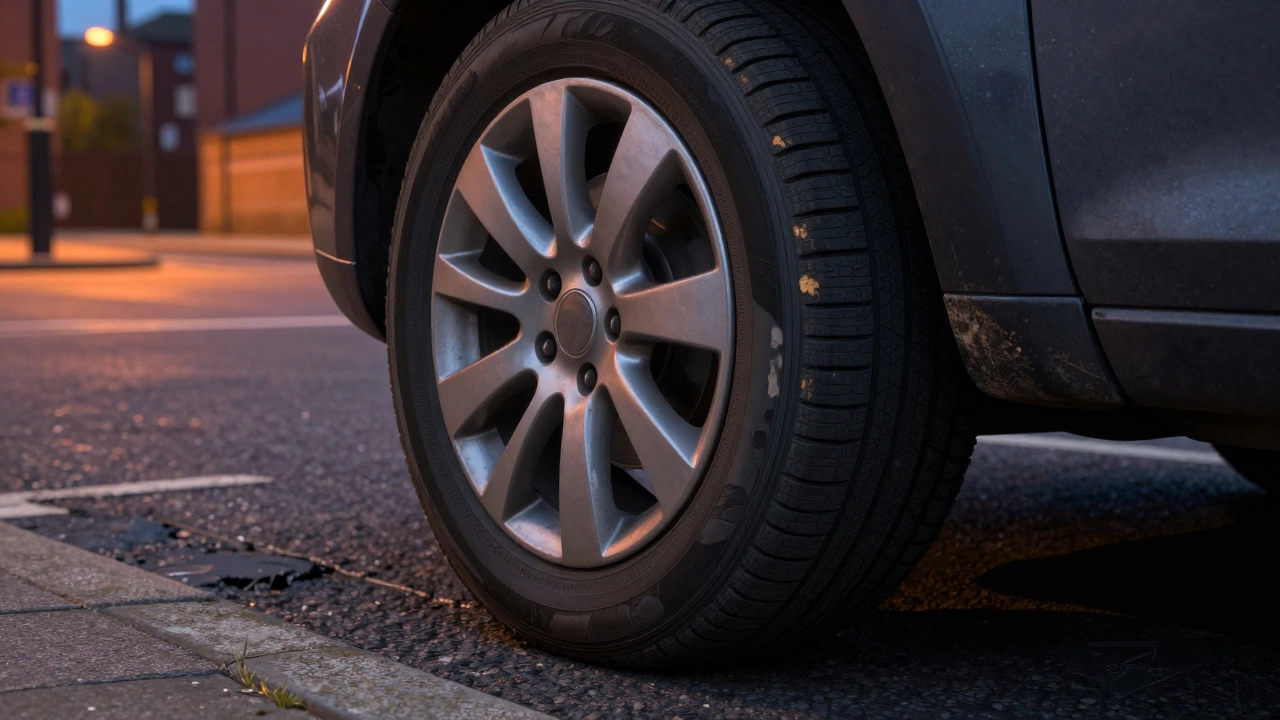
When your suspension is failing, braking distances increase significantly. According to a 2024 Royal Automobile Club report, vehicles with worn shock absorbers take up to 20% longer to stop on wet roads. That's like driving 50 mph and needing an extra 10 meters to stop-enough to cause a crash. Imagine braking suddenly on a rainy day; if your suspension can't keep the tires in contact with the road, you'll skid instead of stopping cleanly. This isn't just a theory-real-world tests by the Institute of Advanced Motorists confirm these dangerous delays.
Safety Risks You Can't Ignore
Driving with a bad suspension isn't just risky for you-it's dangerous for everyone on the road. In an emergency, like swerving to avoid a pedestrian or another car, a compromised suspension makes it harder to control the vehicle. The National Highway Traffic Safety Administration (NHTSA) has documented cases where suspension failures led to rollover accidents, especially in SUVs and vans. In the UK, where narrow country lanes and sharp bends are common, this risk is even higher. If your car feels unstable during normal driving, don't wait-get it checked immediately.

Long-Term Damage to Other Parts
Ignoring suspension problems doesn't just affect your ride-it damages other parts of your car. Worn shocks and struts put extra stress on your steering system, tires, and even the chassis. For example, ball joints (which connect the control arms to the wheels) wear out faster when suspension components fail. In Manchester, where potholes are common, the damage happens quickly. Mechanics often find that cars with neglected suspension issues need multiple repairs at once, costing hundreds more than fixing the suspension early.
Signs You Need Suspension Repairs
Here are clear signs your suspension needs attention:
- Excessive bouncing after hitting a bump-your car should settle quickly, not keep rocking.
- Uneven tire wear, especially on the inner or outer edges.
- Steering that feels loose or pulls to one side.
- Noise from the front or rear when driving over bumps, like clunking or knocking.
- Car leaning to one side when parked or turning.
If you notice any of these, visit a trusted mechanic. A quick inspection can prevent bigger problems down the road.
What are the most common signs of a bad suspension?
Common signs include excessive bouncing after bumps, uneven tire wear, steering that pulls to one side, clunking noises over bumps, and the car leaning to one side. If you notice any of these, it's time to get your suspension checked.
Can I drive with a bad suspension temporarily?
Driving with a bad suspension is unsafe. Even short trips can be dangerous, especially in emergencies. The risk of losing control or increasing stopping distances makes it critical to get repairs done as soon as possible. Never ignore these warning signs.
How much does suspension repair cost?
Costs vary depending on the issue. Replacing shock absorbers typically ranges from £150 to £300 per corner. Struts might cost £200 to £400 each. Ball joints or control arms can be £100 to £250 per part. However, if you ignore the problem, the total cost could rise quickly due to damage to tires, steering components, or other parts.
How often should I check my suspension?
Have your suspension inspected every 12,000 miles or annually. In areas with rough roads like Manchester, check it more often-every 6 months. Early detection saves money and prevents accidents.
What happens if I ignore suspension problems?
Ignoring suspension issues leads to accelerated wear on tires, steering components, and the vehicle's frame. It also increases the risk of accidents due to poor handling and longer braking distances. In severe cases, it can cause complete loss of control, especially in emergencies. The longer you wait, the more expensive repairs become.