Spark Plugs: What They Do, When to Replace Them, and How to Tell If They're Failing
When your car sputters, hesitates, or won’t start on a cold morning, the problem might not be the battery—it could be your spark plugs, small but critical components that ignite the fuel-air mixture in your engine’s cylinders. Also known as ignition plugs, they’re the reason your engine fires up at all. Without them, your car is just a very expensive paperweight. Most cars have four, six, or eight of these tiny devices, each sitting in the top of a cylinder, delivering a precise electric spark at just the right moment. They don’t last forever, and when they wear out, your engine doesn’t just lose power—it starts acting up in ways you can’t ignore.
Spark plugs connect directly to your ignition system, the network of wires, coils, and sensors that control when and how the spark is delivered. If the spark is weak or late, your fuel doesn’t burn cleanly. That leads to poor fuel economy, rough idling, and even engine misfires. Over time, carbon buildup, electrode wear, or oil contamination can kill a spark plug’s effectiveness. And while some drivers wait until their car won’t start to check them, smart owners know the signs long before that point. You don’t need a diagnostic tool to spot bad spark plugs—listen for the rattle, feel for the jerk, and watch for the warning lights.
Replacing spark plugs isn’t a major repair, but it’s one of the most cost-effective maintenance tasks you can do. A full set usually costs under £50, and the job takes less than an hour if you’re handy. But if you skip it, you risk damaging your catalytic converter, an expensive emissions component that can fail if unburned fuel floods into the exhaust. That’s not a hypothetical risk—thousands of UK drivers pay hundreds in unnecessary repairs every year because they ignored simple spark plug symptoms.
You’ll find real-world examples below—drivers who noticed their car acting strange, what they checked, and what they found. Some thought it was the fuel system. Others blamed the battery. In nearly every case, it came down to spark plugs that had been sitting there, silently failing, for thousands of miles. Whether you’re driving a 10-year-old Ford or a modern hatchback, these little parts don’t care about the brand—they care about time, mileage, and how you treat your engine.
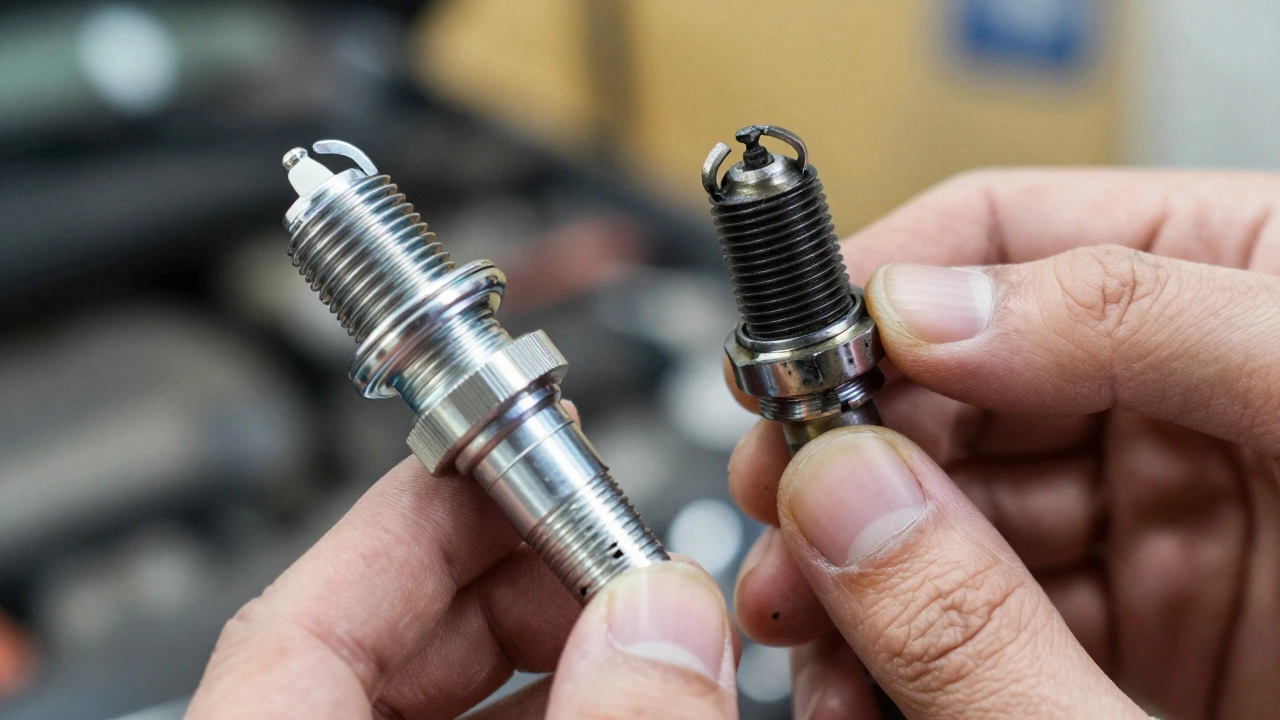
What to Expect After Changing Spark Plugs: Performance, Sounds, and Warning Signs
Discover what to expect after changing spark plugs, including improved performance, smoother idling, and potential issues to watch for.
July 9 2026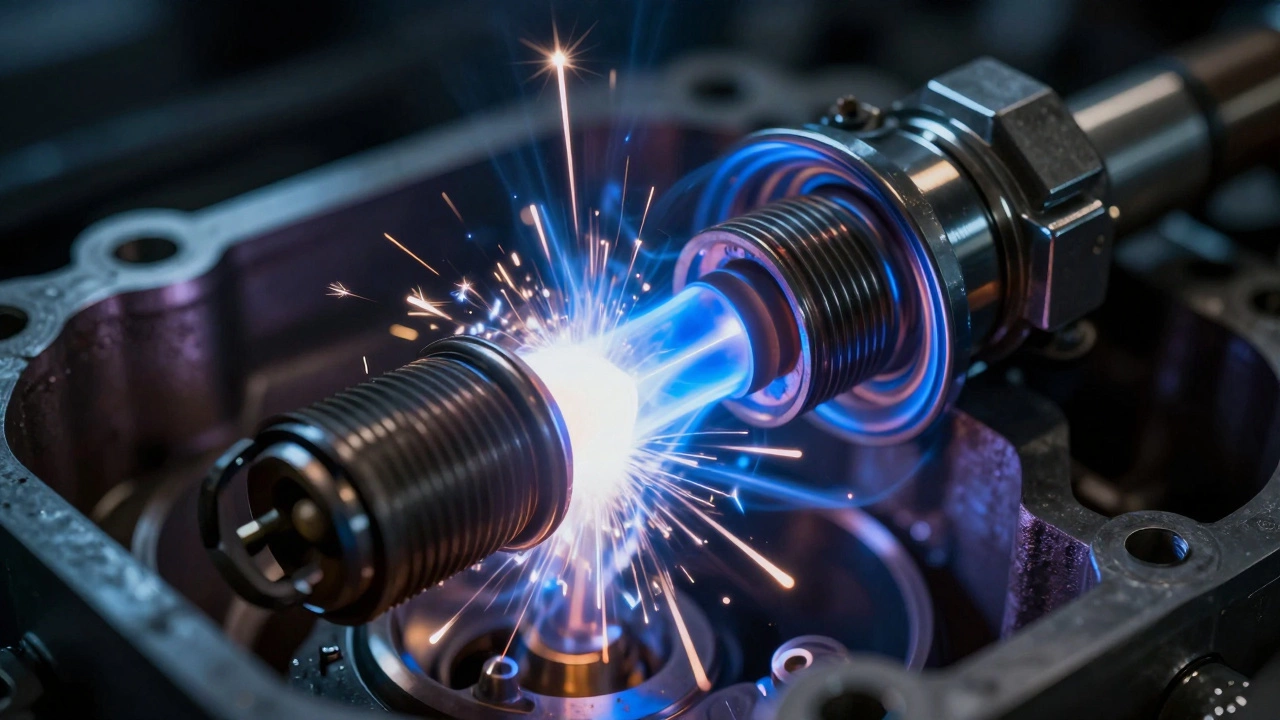
Are Spark Plugs Only Used for Starting? Here’s What They Really Do
Spark plugs aren’t just for starting your car-they fire thousands of times per minute while driving. Learn how they affect fuel economy, engine performance, and why waiting until your car won’t start is too late.
March 22 2026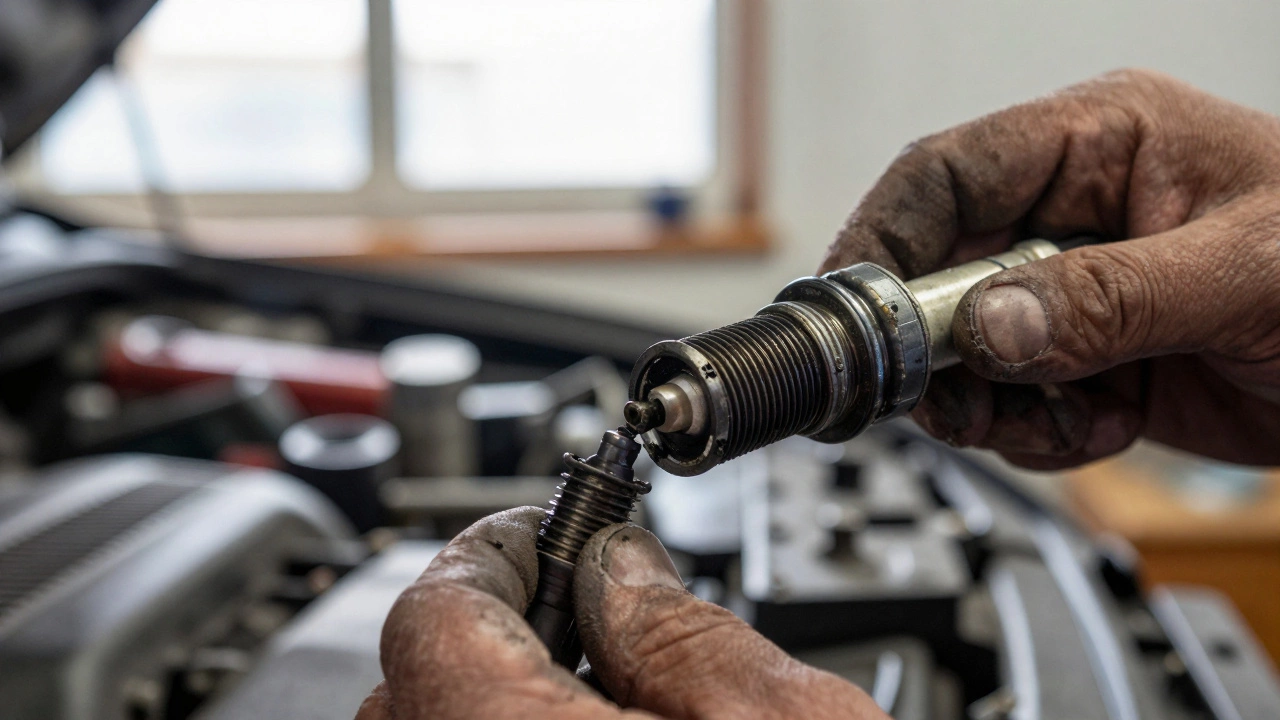
Is It Better to Clean or Replace Spark Plugs? Here’s What Actually Works
Replacing spark plugs is usually better than cleaning them. Learn when cleaning might help, why replacement is safer, and how to choose the right plugs to avoid costly engine damage.
February 22 2026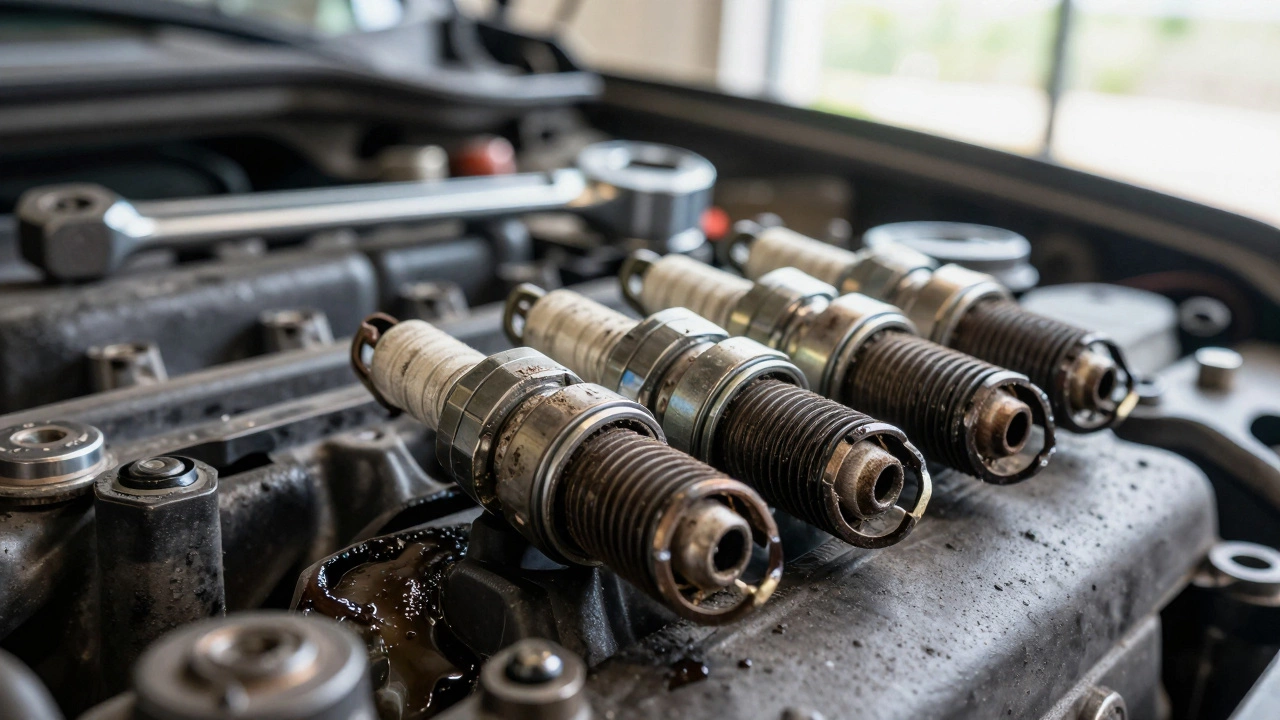
Do I Really Need Spark Plugs? The Truth About Ignition and Engine Performance
Spark plugs are essential for gasoline engines-even if your car seems fine. Ignoring them hurts fuel economy, risks engine damage, and can fail your MOT. Here’s when and why to replace them.
January 15 2026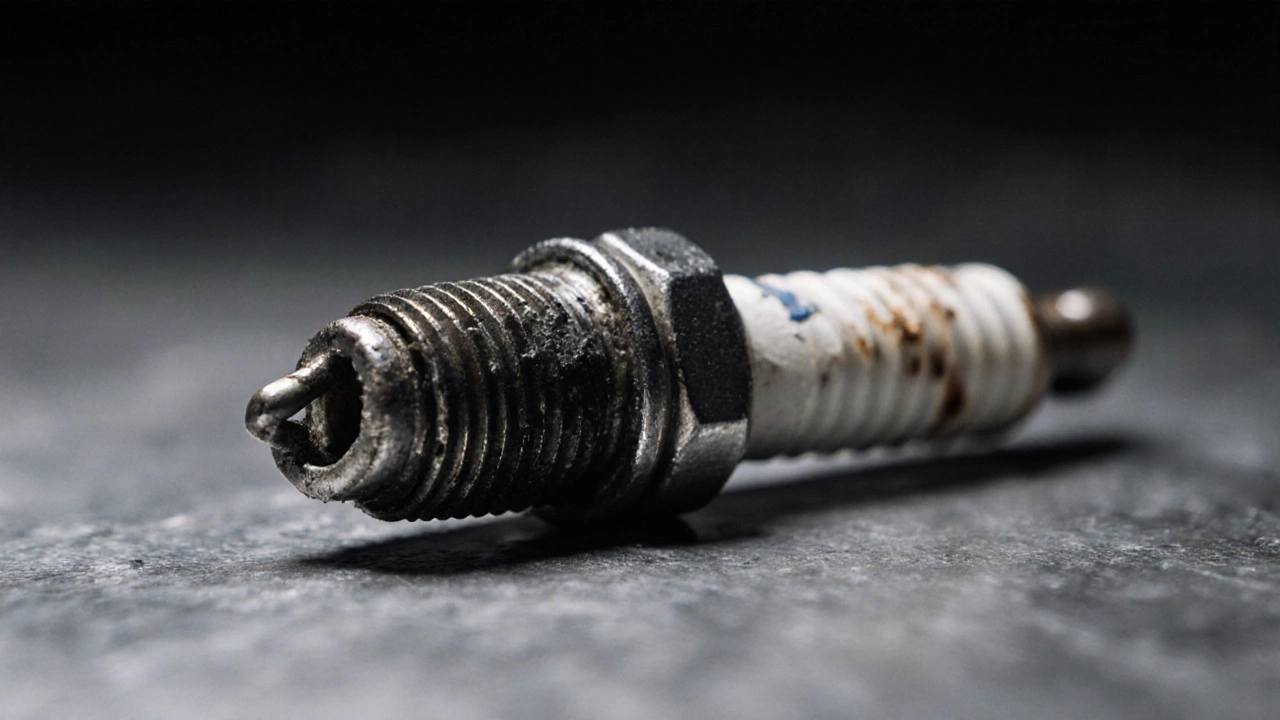
How Do I Know If My Spark Plugs Need Changing? Signs You Can't Ignore
Learn the clear signs your spark plugs need replacing-rough idle, poor fuel economy, hard starts, and more. Don't wait for breakdowns; fix them before they cost you more.
November 20 2025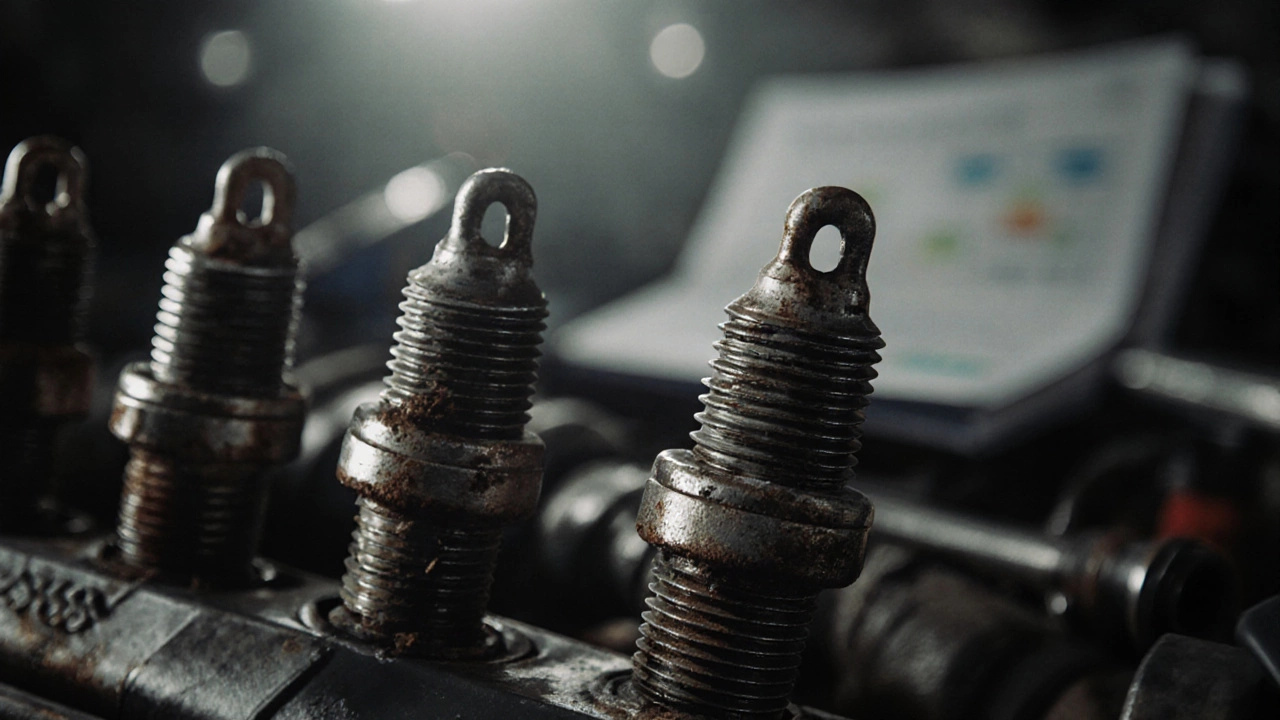
Should I Change Spark Plugs If Nothing Is Wrong? The Real Truth About Preventive Spark Plug Replacement
Even if your car runs fine, worn spark plugs silently hurt fuel economy and risk costly engine damage. Learn when and why to replace them before they fail.
November 6 2025
Boost Your Engine's Idle with New Spark Plugs
Wondering if changing spark plugs could improve your car's idle? Discover how fresh spark plugs can enhance engine performance and stability. Learn why they matter, the signs that show they need replacement, and how they contribute to smooth idling. Get tips on maintaining your vehicle’s health for a more efficient drive.
March 20 2025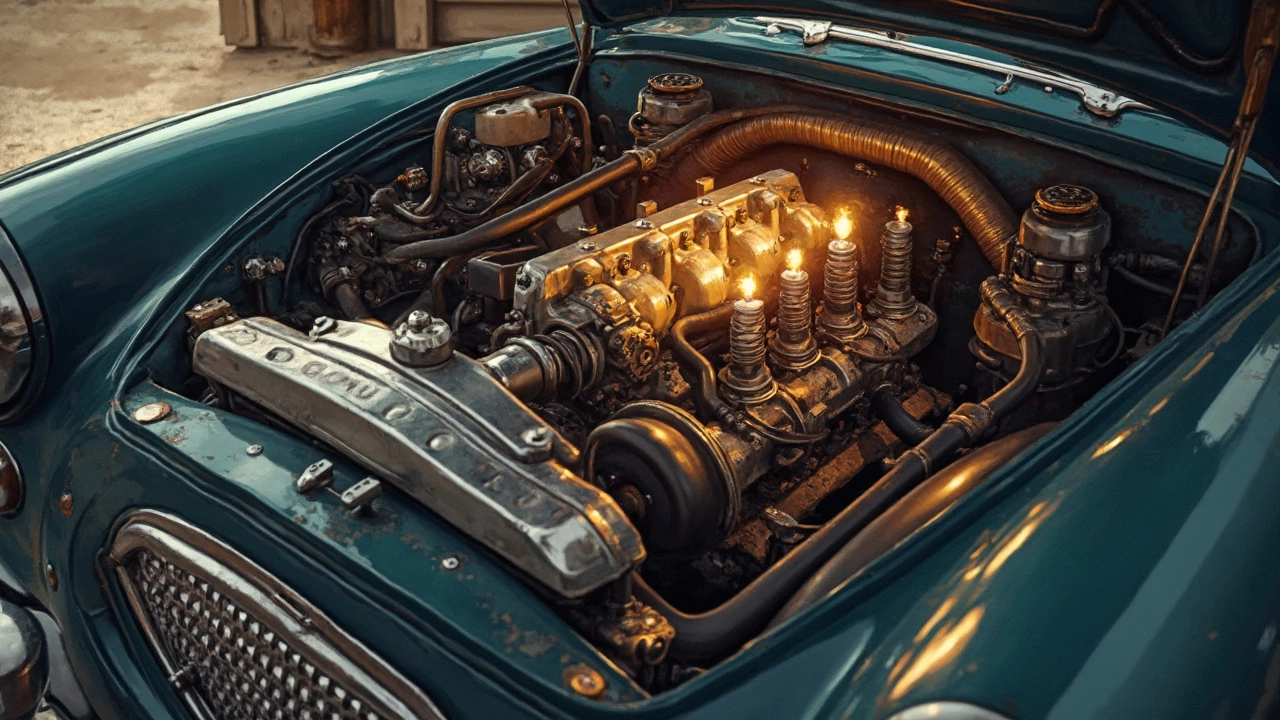
Do Spark Plugs Affect the Exhaust? The Surprising Connection
Ever wondered if those little spark plugs in your engine could be affecting your car's exhaust system? This article dives into the role of spark plugs in engine efficiency and emission levels, explaining how their condition can influence what's coming out of your exhaust pipe. Discover practical maintenance tips to keep both your spark plugs and exhaust system in top shape.
February 12 2025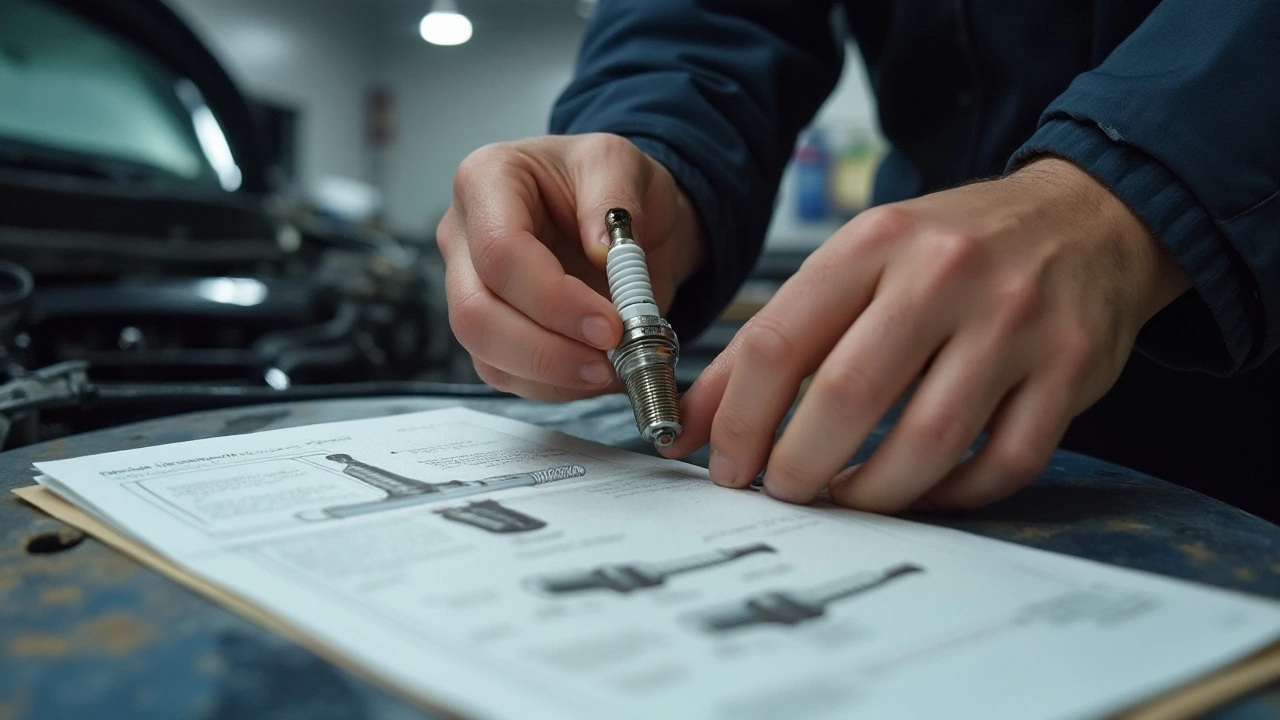
How Spark Plugs Affect Your Vehicle's Fuel Economy
This article delves into how spark plugs can influence your car's fuel efficiency. It explains the mechanism behind spark plugs and their connection to the combustion process, sheds light on symptoms of worn-out spark plugs, and offers practical tips for maintenance. Understanding these elements could lead to more informed decisions about car care, potentially saving money on fuel costs. The discussion provides insights into the economic and environmental advantages of maintaining healthy spark plugs.
January 9 2025