Spark Plug Replacement Impact Estimator
Select the condition of your old spark plugs to see what changes you might expect. Remember: New plugs restore factory performance; they don't add power beyond design specs.
Estimated Impact Analysis
Likely Symptoms Resolved
Idle Quality
Throttle Response
Potential Annual Fuel Savings
$0.00
Based on estimated efficiency recovery vs. worn state.
Enter your details and click "Analyze" to see the results.
You just spent an hour under the hood swapping out old spark plugs for shiny new ones. You wipe your hands on a rag, turn the key, and listen. Did it sound different? Probably not. Here is the uncomfortable truth: most drivers won’t feel a dramatic change immediately after replacing spark plugs, especially if their old plugs weren’t completely dead.
This isn’t to say the work was wasted. It’s just that modern engines are incredibly good at hiding minor inefficiencies until they become major problems. If you’re expecting your car to suddenly drive like a sports car, you might be disappointed. But if you’re looking for smoother idling, better throttle response, or just peace of mind, understanding what actually changes is crucial.
The Myth of Instant Transformation
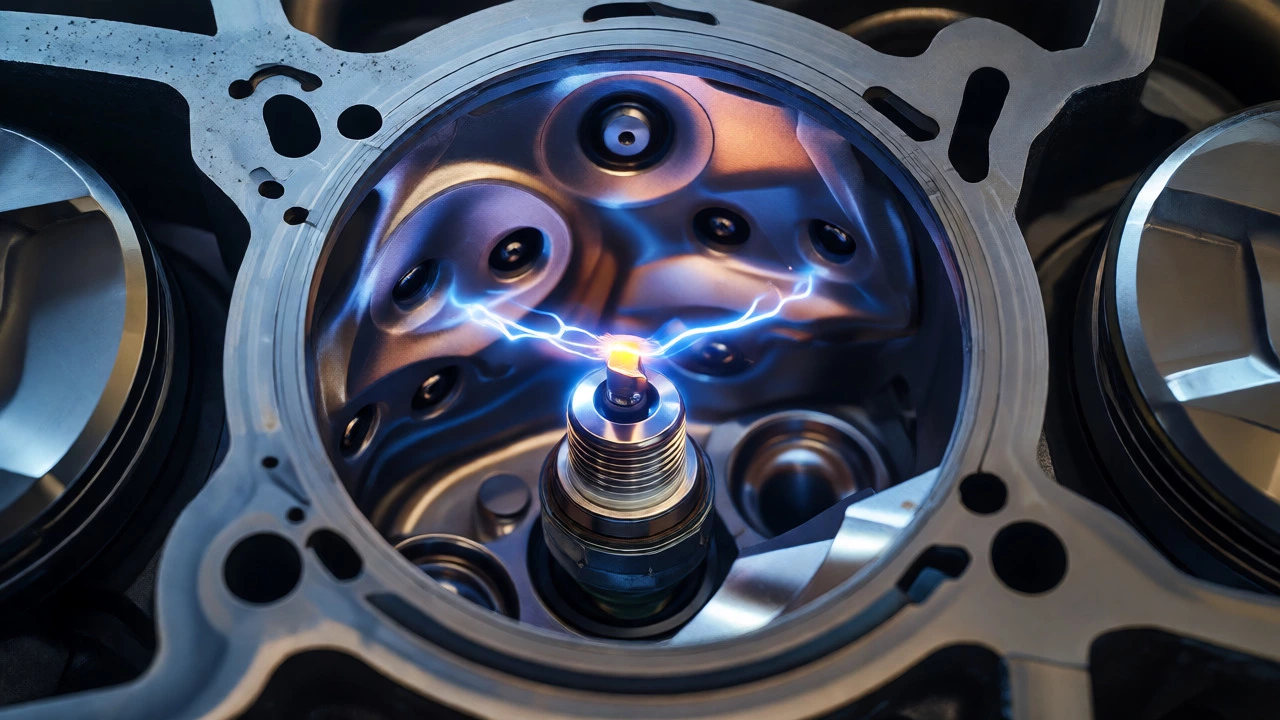
People often confuse spark plug replacement with installing a cold air intake or a turbocharger. Those modifications force more air or pressure into the engine, creating immediate, noticeable power gains. Spark plugs are different. They are consumables, like oil filters or brake pads. Their job is to ignite the air-fuel mixture at the precise moment required by the Engine Control Unit (ECU).
If your old plugs were worn but still firing, the ECU likely compensated for the weaker spark by adjusting timing or fuel injection duration. This means your car was running “close enough” to optimal. When you install new plugs, you restore that optimal baseline. You aren’t adding power; you’re removing drag from the system. Think of it like cleaning a dirty windshield. You don’t see more of the road than before, but everything looks sharper and clearer once the grime is gone.
What You Might Actually Feel
While you might not feel a horsepower boost, there are subtle shifts in behavior that point to healthier combustion. These changes depend heavily on how worn your old plugs were.
- Smoother Idle: This is the most common immediate win. Worn plugs often cause microscopic misfires that shake the steering wheel slightly when you’re stopped at a red light. New plugs ensure every cylinder fires consistently, resulting in a steadier idle.
- Crisper Throttle Response: Pressing the gas pedal might feel slightly more responsive. The gap between pressing the pedal and the engine reacting shrinks because the spark ignites the fuel faster and more reliably.
- Easier Cold Starts: If you live in a colder climate, you might notice the engine catches quicker on chilly mornings. A strong spark helps vaporize fuel more effectively when temperatures drop.
- Reduced Vibration: At highway speeds, a slight hum or vibration caused by uneven cylinder firing may disappear, making long drives less fatiguing.
Notice a pattern here? These are refinements, not revolutions. If your car had a rough idle before, fixing it feels great. If your idle was already smooth, you might not notice anything at all.
When You Will Definitely Notice a Difference
There are specific scenarios where changing spark plugs yields tangible results. If any of these apply to you, the difference will be obvious.
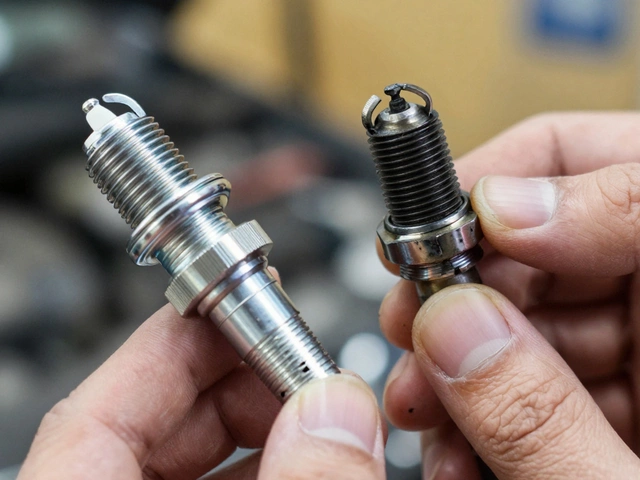
| Old Plug Condition | Likely Symptom Before Change | Expected Improvement After Change |
|---|---|---|
| Moderately Worn | Slight hesitation during acceleration | Smoother power delivery, better fuel efficiency |
| Heavily Fouled | Rough idle, check engine light on | Steady idle, elimination of error codes |
| Gap Too Wide | Hard starting, weak spark | Faster starts, stronger combustion |
| Electrode Eroded | Poor fuel economy, knocking sounds | Restored MPG, quieter engine operation |
For example, if your fuel economy dropped by 10% over the last year, new plugs could recover half of that loss. That’s real money saved at the pump. Or, if you experienced occasional stumbling when merging onto the highway, consistent ignition eliminates those hiccups.

The Hidden Cost of Ignoring Them
Why bother if the difference is so subtle? Because spark plugs degrade gradually. Your brain adapts to the slow decline in performance, a phenomenon known as sensory adaptation. You get used to the slight roughness or the extra second it takes to accelerate.
Neglecting them doesn’t just hurt performance; it risks damage to other components. A severely worn plug can fail to ignite fuel properly, sending unburned gasoline into the exhaust system. This raw fuel hits the hot catalytic converter, which can overheat and melt its internal substrate. Replacing a catalytic converter costs hundreds, sometimes thousands, of dollars. Replacing plugs costs twenty to fifty per set.
Furthermore, seized spark plugs can snap off inside the aluminum cylinder head during removal attempts. This turns a simple ten-minute job into a complex machine shop repair. Regular replacement prevents corrosion buildup, keeping threads clean and removal easy.
How to Verify the Change Worked
Don’t rely solely on your feelings. Use data to confirm the improvement.
- Check Fuel Mileage: Fill up your tank before the change and track miles driven until the next fill-up. Compare this average to previous months. Look for a 3-5% increase.
- Listen to the Idle: Sit in the car with the radio off. Place your hand on the steering wheel. Does it vibrate less? Is the engine note more rhythmic?
- Test Acceleration: Find a safe, empty stretch of road. Accelerate from 30 mph to 60 mph. Does the pickup feel linear without dips or stumbles?
- Scan for Codes: If you have an OBD-II scanner, clear any pending codes before the change. Drive for a week. If no new misfire codes appear, the ignition system is healthy.
If you notice zero difference across all these metrics, your old plugs were likely still within serviceable limits. You bought insurance against future failure rather than restoring lost performance.
Tips for Maximum Benefit
To ensure you get the best result from your new plugs, follow these guidelines:
- Use the Correct Heat Range: Not all plugs are created equal. Using a plug too “cold” for your driving style can cause fouling; too “hot” can cause pre-ignition. Stick to the manufacturer’s recommendation unless you’ve modified the engine significantly.
- Set the Gap Properly: Even “pre-gapped” plugs can shift during shipping or installation. Check the gap with a feeler gauge before installing. For many modern cars, the spec is between 0.8mm and 1.1mm.
- Apply Anti-Seize Sparingly: If using nickel-plated plugs, a tiny dab of anti-seize compound on the threads helps prevent seizing. Avoid copper-based compounds on aluminum heads, as they can create galvanic corrosion.
- Torque Correctly: Over-tightening cracks the ceramic insulator; under-tightening allows heat escape and carbon buildup. Use a torque wrench. Most 14mm plugs require 15-20 ft-lbs, but always check your manual.
Proper installation ensures the plug performs as designed. A poorly installed plug can cause misfires worse than the old one did.
Final Thoughts on Expectations
Changing spark plugs is maintenance, not magic. You won’t gain ten horsepower overnight. But you will protect your engine, improve reliability, and potentially save on fuel. The real value lies in consistency. A well-maintained ignition system keeps your car running smoothly for years, avoiding the expensive repairs that come from neglect.
So, did you notice a difference? Maybe not today. But next time you merge onto the highway without hesitation, or start your car instantly on a freezing morning, you’ll know the work paid off.
Do new spark plugs make my car faster?
Not directly. New spark plugs restore factory-level performance by ensuring efficient combustion. They do not add horsepower beyond the engine's design specifications. However, if your old plugs were worn, the restoration of proper ignition can make the car feel more responsive compared to its degraded state.
How long does it take to notice a difference after changing spark plugs?
If the old plugs were severely worn, you might notice smoother idling and easier starts immediately. For improvements in fuel economy, it may take several tanks of gas to see measurable changes as the engine control unit relearns fuel trims and driving patterns normalize.
Can bad spark plugs damage my engine?
Yes. Severely worn plugs can cause misfires, which allow unburned fuel to enter the exhaust system. This can overheat and destroy the catalytic converter. In extreme cases, a broken electrode can fall into the cylinder and score the piston wall, causing catastrophic engine damage.
Should I replace all spark plugs at once?
Yes, always replace them in sets. Mixing old and new plugs leads to uneven combustion across cylinders. This imbalance causes vibrations, poor performance, and forces the ECU to compensate inefficiently, negating the benefits of the new plugs.
What happens if I put in the wrong spark plugs?
Using plugs with the wrong heat range or thread size can cause serious issues. Incorrect heat ranges lead to fouling or pre-ignition (knocking). Wrong thread sizes can strip the cylinder head threads or fail to seal properly, leading to compression loss and potential physical damage to the plug or head.