Spark Plug Replacement Impact Estimator
Vehicle Details
Enter your vehicle details to see estimated performance gains and savings.
Post-Replacement Diagnostic Check
Select any issues you are experiencing after changing spark plugs:
Did you just pay a mechanic or spend an afternoon under the hood swapping out old spark plugs? If so, you’re probably sitting in your car right now, wondering if that slight hum is normal or if something went wrong. It’s a common feeling. You expect the car to drive better, but sometimes it feels different-maybe quieter, maybe slightly jerky at first.
The truth is, changing spark plugs isn’t like hitting a magic reset button for your entire vehicle. While they are critical for starting the combustion process, their impact on daily driving can be subtle. However, there are specific signs that indicate whether the job was done correctly and how your engine is adapting to the new parts.
Why does my car feel different after changing spark plugs?
Your car may feel different because the ignition timing has been optimized. Old, worn plugs cause misfires and weak combustion. New plugs restore consistent spark energy, leading to smoother acceleration and a more responsive throttle. This sudden efficiency can feel "different" compared to the sluggishness you got used to with old plugs.
The Immediate Sensation: Smoother Starts and Idle
The first thing you’ll notice is usually at startup. If your previous plugs were near the end of their life, your engine might have struggled to catch on cold mornings or vibrated noticeably while idling at traffic lights. With fresh plugs installed, the engine control unit (ECU) receives cleaner feedback from the oxygen sensors and crankshaft position sensor.
This allows the ECU to deliver the precise amount of fuel and air needed. The result? A steadier idle. If your steering wheel used to shake slightly when stopped, that vibration should vanish. The engine runs more evenly because each cylinder is firing consistently. Think of it like replacing tired runners on a relay team; the baton pass becomes seamless instead of fumbling.
- Cold starts: The engine should turn over faster and start immediately without excessive cranking.
- Idle stability: RPMs should hold steady without hunting up and down.
- Noise reduction: A rough, rattling sound caused by misfires will disappear, leaving only the normal mechanical hum of the engine.
Acceleration and Throttle Response
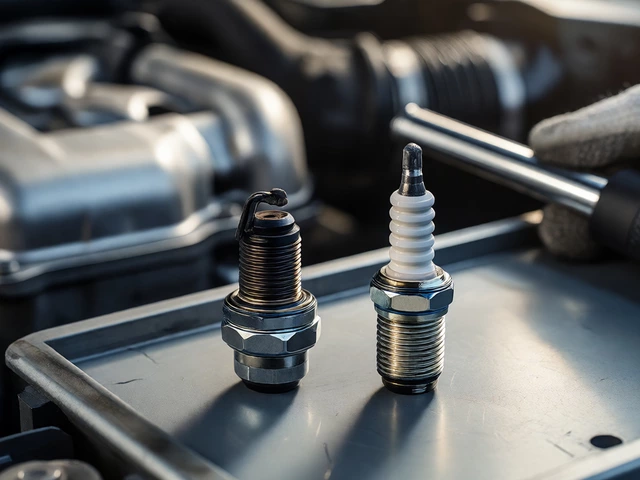
Once you get moving, the difference becomes apparent during acceleration. Old spark plugs often suffer from electrode erosion or carbon buildup, which increases the gap between the electrodes. This makes it harder for the electrical spark to jump across, resulting in a weaker flame kernel inside the combustion chamber.
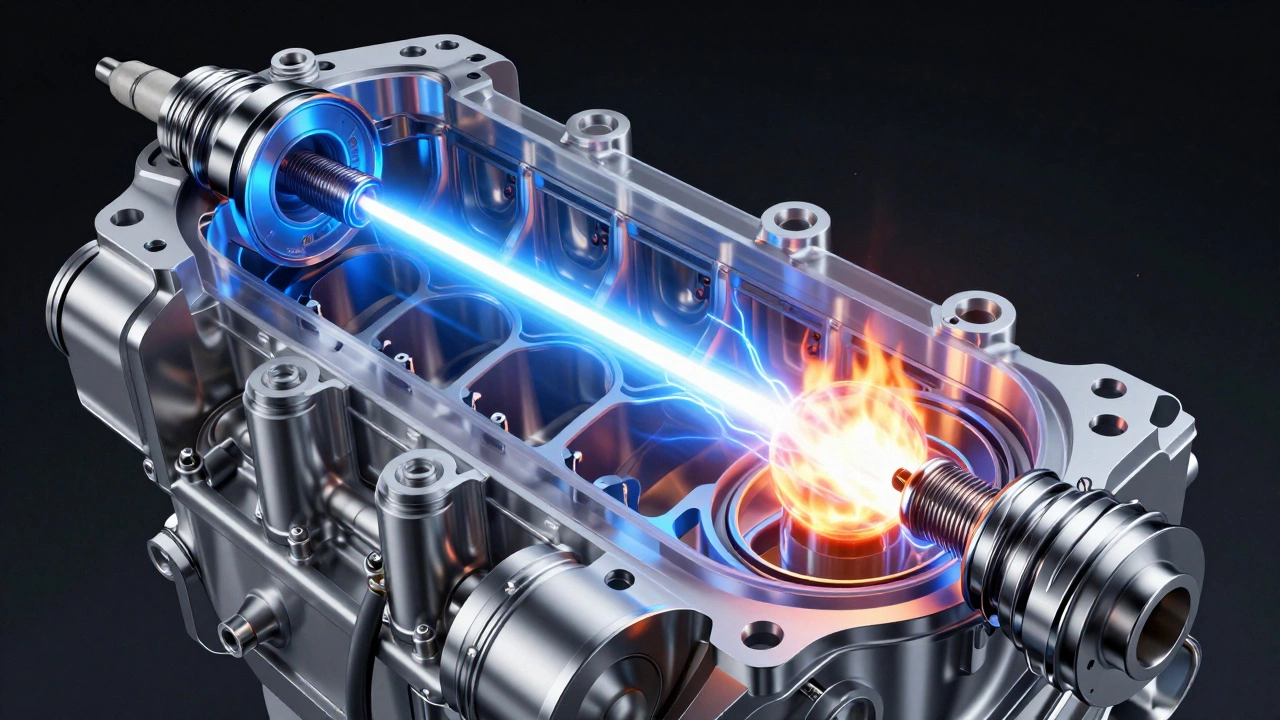
New plugs bridge this gap easily, creating a stronger, hotter spark. This leads to more complete combustion of the air-fuel mixture. When you press the gas pedal, the power delivery should feel linear and immediate. There shouldn’t be any hesitation or "flat spots" where the engine seems to think about accelerating before actually doing it.
If you drive a turbocharged vehicle, this effect is even more pronounced. Turbos rely heavily on efficient combustion to maintain boost pressure. Inefficient burning can lead to pre-ignition or knock, causing the ECU to pull timing and reduce power. Fresh plugs help prevent this, allowing the turbo to spool efficiently and deliver power as designed.
Fuel Economy Changes
One of the most practical benefits of new spark plugs is improved fuel efficiency. When plugs are worn, the engine burns fuel incompletely. This wasted fuel exits through the exhaust rather than being converted into kinetic energy. Over time, this inefficiency adds up, potentially costing you several pounds per tank.
After replacement, you might see a modest improvement in miles per gallon (MPG). It’s rarely a dramatic 50% increase, but a 1-3% gain is typical and realistic. To measure this accurately, fill your tank to the brim, reset your trip meter, and drive your usual route. Compare the cost per mile against your previous average. Keep in mind that other factors like tire pressure, driving style, and weather also affect MPG, so don’t expect miracles overnight.

Sound and Vibration Differences
Your ears are excellent diagnostic tools. A healthy engine has a rhythmic, balanced sound. Misfiring cylinders create irregular pops or backfires through the exhaust. After installing new plugs, these noises should cease entirely. If you still hear popping or rumbling, it could indicate a different issue, such as a faulty coil pack or leaking valve cover gasket.
Vibration is another key indicator. Engines vibrate naturally due to reciprocating parts, but excessive shaking suggests uneven power distribution among cylinders. New plugs ensure all cylinders contribute equally to the engine’s rotation. If your seat or floorboard still vibrates excessively after the change, inspect the engine mounts or check for vacuum leaks.
Potential Issues: What Could Go Wrong?
While new plugs generally improve performance, installation errors can cause problems. Here are some common issues to watch for:
- Torque mistakes: Spark plugs must be tightened to specific torque specifications. Overtightening can crack the ceramic insulator or strip the threads in the cylinder head. Undertightening can allow heat to escape, causing pre-ignition. If you experience overheating or persistent misfires, verify the plug installation.
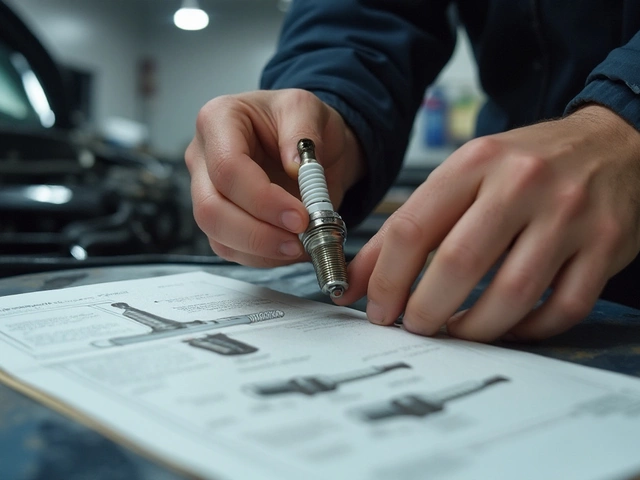
- Wrong gap setting: Some plugs come pre-gapped, but others require adjustment. An incorrect gap can lead to poor performance or fouling. Check your vehicle’s manual for the recommended gap size.
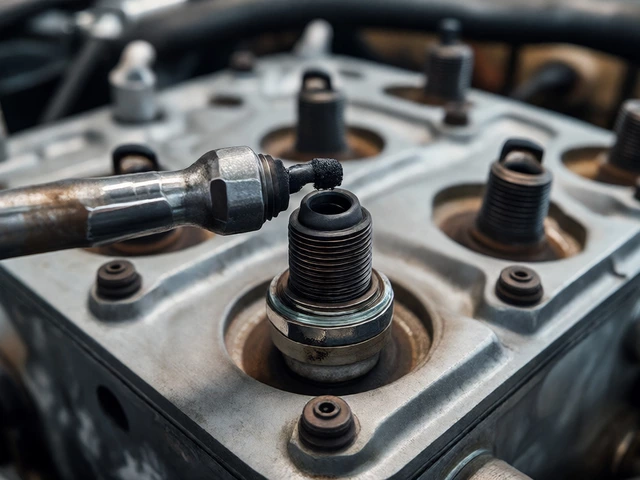
- Debris entry: Dropping dirt or metal shavings into the spark plug hole during installation can damage pistons or valves. Always clean the area around the plug well before removal.
- Incompatible type: Using copper plugs in an engine designed for iridium or platinum can shorten lifespan and reduce performance. Ensure you use the manufacturer-recommended type.
Long-Term Maintenance Tips
To maximize the life of your new spark plugs, follow these best practices:
- Use quality fuel: High-quality gasoline reduces carbon deposits on the electrodes.
- Monitor oil consumption: Burning oil can foul plugs quickly. If you need to add oil frequently, investigate potential leaks or wear.
- Replace coils if necessary: Ignition coils work hard to generate high voltage. Worn coils can stress new plugs, reducing their effectiveness.
- Follow service intervals: Standard copper plugs last about 30,000 miles, while platinum and iridium plugs can last up to 100,000 miles. Don’t wait until they fail.
When to Seek Professional Help
If you’ve changed your spark plugs and still experience rough idling, loss of power, or illuminated check engine lights, it’s time to consult a professional. These symptoms suggest underlying issues beyond simple plug wear. Common culprits include:
- Mass airflow sensor (MAF) contamination
- Exhaust gas recirculation (EGR) valve sticking
- Fuel injector clogging
- Timing belt or chain issues
A diagnostic scan tool can read trouble codes stored in the ECU, pinpointing the exact source of the problem. Don’t ignore persistent issues, as they can lead to more expensive repairs down the line.
Conclusion
Changing spark plugs is a straightforward maintenance task with noticeable benefits. You should expect smoother starts, better acceleration, improved fuel economy, and reduced vibrations. However, be aware of potential installation pitfalls and monitor your vehicle’s behavior closely. If anything feels off, address it promptly to avoid further complications. Regular maintenance keeps your engine running efficiently and extends its overall lifespan.
How long does it take for new spark plugs to bed in?
New spark plugs do not require a break-in period. They begin working at full capacity immediately upon installation. Any initial roughness is likely due to the ECU adjusting to the new components or residual effects from old plugs.
Can bad spark plugs damage the catalytic converter?
Yes. Unburned fuel from misfiring cylinders can enter the exhaust system and ignite within the catalytic converter. This excessive heat can melt the internal honeycomb structure, leading to costly repairs. Replacing worn plugs prevents this damage.
Should I replace all spark plugs at once?
Absolutely. Replacing only one or two plugs creates an imbalance in combustion efficiency. All cylinders should have identical conditions to ensure smooth operation and optimal performance.
What causes spark plugs to fail prematurely?
Common causes include oil burning, coolant leaks into cylinders, rich fuel mixtures, and extreme driving conditions. Regular inspections can identify these issues early.
Is it safe to drive with old spark plugs?
It depends on their condition. Slightly worn plugs may function adequately but reduce efficiency. Severely damaged plugs can cause misfires, stalling, or even engine damage. Replace them according to the manufacturer’s schedule.