Spark Plug Impact Estimator
Not sure if you'll feel a difference? Answer these questions to estimate the likely impact of replacing your spark plugs.
Estimated Impact Level
What You Might Notice:
You change your spark plugs and expect the car to feel brand new. Maybe you imagine a surge of power or a smoother idle. But often, you get back in the driver's seat, turn the key, and... nothing feels different. Is it just placebo effect? Or did you actually fix something without noticing?
The truth is nuanced. For many drivers, especially those with well-maintained cars, the difference isn't dramatic. It’s subtle. But for others, particularly if the old plugs were severely worn, the change can be night and day. Let’s break down what you should actually feel, why some changes go unnoticed, and how to tell if you did it right.
What Spark Plugs Actually Do (And Why They Matter)
Before we talk about feelings, let’s look at the mechanics. A spark plug is a small component that delivers electricity from your car’s ignition system to the engine’s combustion chamber. Its job is simple: create a spark to ignite the air-fuel mixture. When this happens efficiently, your engine runs smoothly, burns fuel cleanly, and produces power consistently.
Over time, spark plugs wear out. The electrode erodes, carbon builds up, and the gap between electrodes widens. This leads to weaker sparks, misfires, or incomplete combustion. Replacing them restores optimal ignition conditions. But here’s the catch: modern engines are incredibly good at compensating for minor inefficiencies. Your ECU (Engine Control Unit) adjusts timing and fuel delivery to keep things running, even when plugs are aging. That’s why you might not notice a gradual decline until it becomes severe-or until you replace them and realize how much better it could run.
The Subtle Signs You Might Miss
If you’re expecting a rocket-like acceleration boost after changing spark plugs, you’ll likely be disappointed. Modern cars don’t work like that. Instead, look for these quieter improvements:
- Smoother Idle: If your car used to shudder slightly at traffic lights or vibrate more than usual, fresh plugs often eliminate that roughness. Pay attention when you’re stopped at a red light-does the steering wheel still tremble?
- Better Cold Starts: Worn plugs struggle most when the engine is cold. If your car now starts instantly on frosty Manchester mornings instead of cranking for three seconds, that’s a win.
- Improved Throttle Response: This isn’t about raw horsepower. It’s about how quickly the engine reacts when you press the gas pedal. With new plugs, the response feels more immediate and linear, less hesitant.
- Fuel Efficiency Gains: You won’t see an instant jump at the pump, but over weeks, you might notice fewer trips to the petrol station. Misfires waste fuel; fixing them recovers efficiency.
These changes are easy to dismiss because they happen gradually as plugs degrade. You adapt to the sluggishness. Once restored, the baseline feels normal again-but it’s objectively better.
When You Will Definitely Feel a Difference
Not all replacements are equal. If your old plugs were in decent shape, swapping them early might yield minimal perceptible change. But under certain conditions, the impact is undeniable:
| Condition | Likely Symptom Before Change | Expected Improvement After Change |
|---|---|---|
| Severe Wear/Erosion | Misfires, rough running, check engine light | Elimination of misfires, smooth operation |
| Carbon Fouling | Hard starting, black smoke, poor idling | Cleaner start, no smoke, stable idle |
| Wide Gap Due to Age | Hesitation during acceleration | Crisp throttle response |
| High Mileage (>60k miles) | General lethargy, reduced MPG | Restored performance, better fuel economy |
If your car was throwing a P0300 code (random misfire) before the change, you’ll absolutely feel the difference. The engine will run quietly and confidently. Similarly, if you drive a high-performance vehicle where ignition precision matters more, even slight plug degradation affects power delivery noticeably. In these cases, replacement isn’t just maintenance-it’s restoration.

Why Some People Feel Nothing At All
It’s common to hear, “I changed my plugs and noticed zero difference.” Here’s why that happens:
1. Preventive Maintenance Too Early: Many manufacturers recommend replacing spark plugs every 60,000-100,000 miles for iridium or platinum types. If you swapped them at 40,000 miles while they were still functional, the car was already running near-optimally. There was little room for improvement.
2. Compensation by Other Systems: As mentioned, ECUs adjust for minor issues. If your old plugs caused only slight inefficiency, the computer masked it. Removing the problem doesn’t remove the compensation logic immediately, so driving habits may need adjustment to notice gains.
3. Psychological Expectations: We often expect big changes from small parts. Unlike brake pads or tires, which directly affect safety and handling feedback, spark plugs influence internal combustion dynamics that aren’t always tactilely obvious unless extreme.
4. Incorrect Installation: Sometimes, the issue isn’t the part but the process. Over-tightening can damage threads or crack insulators. Under-tightening causes heat dissipation problems. If either occurs, you might not gain benefits-or worse, introduce new faults.
How to Verify the Change Was Worth It
Don’t rely solely on gut feeling. Use objective measures to confirm whether your new spark plugs made a real difference:
- Track Fuel Economy: Reset your trip meter after installation. Drive similar routes for two weeks. Compare average MPG/L per 100km against previous data. Even a 2-5% increase confirms improved combustion efficiency.
- Listen to the Engine: Put your ear close to the hood (carefully!) while idling. Old plugs often cause irregular ticking or popping sounds due to weak sparks. New ones produce a steady, rhythmic hum.
- Check Exhaust Smoke: Blue or black smoke indicates unburnt fuel escaping due to poor ignition. Fresh plugs should result in clear exhaust emissions.
- Use an OBD-II Scanner: Clear any stored codes before the swap. After driving for a few days, scan again. No pending misfire codes mean the ignition system is healthy.
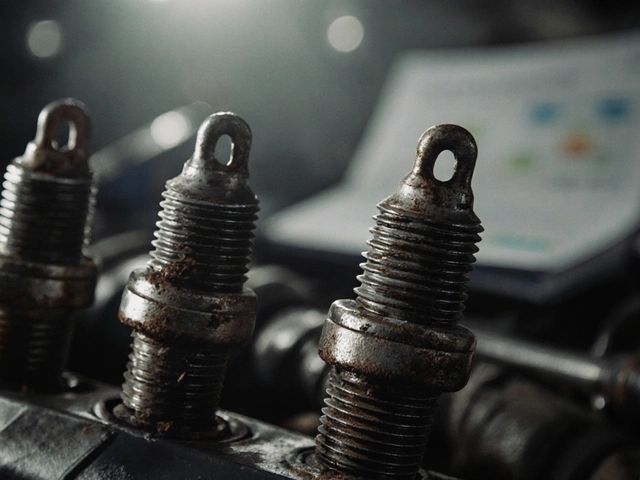
For DIY enthusiasts, taking photos of the old plugs versus new ones helps visualize wear patterns. Look for rounded electrodes, heavy carbon deposits, or oil fouling. These visual cues validate mechanical necessity beyond subjective sensation.

Common Mistakes That Mask Benefits
Even with correct parts, errors during replacement can negate potential gains. Avoid these pitfalls:
- Using Wrong Heat Range: Spark plugs come in different thermal ratings. Installing too hot or too cold a plug alters combustion temperature. Too hot causes pre-ignition; too cold leads to fouling. Always match OEM specifications exactly.
- Neglecting Coil Packs: On coil-on-plug designs, inspect the rubber boots connecting coils to plugs. Cracked or oily boots cause arcing, mimicking bad plug symptoms. Replacing plugs alone won’t fix this.
- Ignoring Air Filters: Dirty air filters restrict airflow, enriching the fuel mixture unnecessarily. This accelerates plug fouling. Clean or replace filters simultaneously for best results.
- Torque Errors: Use a torque wrench. Most passenger car plugs require 15-20 ft-lbs. Guesswork risks thread stripping or improper seating.
In my experience working on vehicles across Greater Manchester, I’ve seen countless instances where people blamed faulty new plugs when the real culprit was a leaking valve cover gasket dripping oil onto the ignition coils. Context matters.
Final Thoughts: Trust Data, Not Just Sensation
So, do you feel a difference after changing spark plugs? Sometimes yes, sometimes no. And both outcomes are valid. If your car ran poorly before, you’ll feel relief and clarity. If it ran fine, you’ll enjoy extended longevity and peace of mind rather than immediate thrills.
Think of spark plugs like toothbrushes. Brushing daily doesn’t make your teeth sparkle visibly each morning, but skipping it leads to decay eventually. Regular replacement ensures long-term health, prevents costly repairs (like catalytic converter damage from chronic misfires), and keeps your engine performing within design parameters.
Next time you consider skipping a service interval, ask yourself: Am I willing to risk reduced efficiency and potential breakdowns for short-term savings? Probably not. Keep those plugs fresh, monitor actual metrics, and appreciate the quiet reliability of a well-tuned engine.
How long does it take to notice improvements after changing spark plugs?
Immediate effects like smoother idling appear right away. However, measurable fuel economy gains typically emerge after 100-300 miles of mixed driving as the ECU recalibrates and you establish new baselines. Don’t judge effectiveness based on the first ten minutes of driving.
Can bad spark plugs damage other car components?
Yes. Chronic misfires send unburnt fuel into the exhaust system, overheating and damaging the catalytic converter-a repair costing £500-£1,500+. Severe misfires also stress piston rings and valves over time. Timely plug replacement protects these expensive downstream parts.
Should I replace all spark plugs at once?
Always replace all plugs simultaneously. Mixing old and new creates uneven resistance levels, causing inconsistent firing intervals. This imbalance stresses the ignition coils and disrupts engine balance, negating benefits of partial replacement.
Do expensive spark plugs perform better than cheap ones?
Premium iridium or platinum plugs last longer (up to 100,000 miles vs. 30,000 for copper) and provide more consistent sparks under high load. For standard commuting, mid-range brands suffice. High-performance or turbocharged engines benefit significantly from premium options due to higher cylinder pressures requiring robust ignition.
What if I installed the wrong spark plugs?
Symptoms include knocking/pinging (too hot), rough idle/fouling (too cold), or physical damage if reach/thread size mismatches. Check your owner’s manual or use an online configurator matching VIN number. Never assume compatibility based on appearance alone.