Post-Swap Spark Plug Troubleshooter
Answer the questions below to identify the most likely cause of performance loss after replacing your spark plugs.
Diagnostic Results
Recommended Actions:
You just spent an afternoon swapping out old spark plugs, expecting your engine to purr like a kitten. Instead, it’s stumbling at idle, hesitating on acceleration, and feeling generally sluggish. It’s frustrating, especially when you know the job was supposed to be simple. But here’s the thing: changing spark plugs isn’t just about screwing in new parts. If your car runs worse after the swap, something went wrong during installation or selection. You’re not imagining things-this is a common issue with specific, fixable causes.
The Gap Setting Mistake
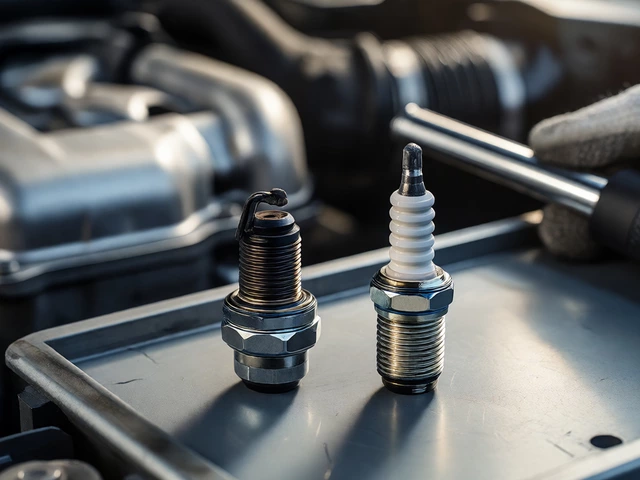
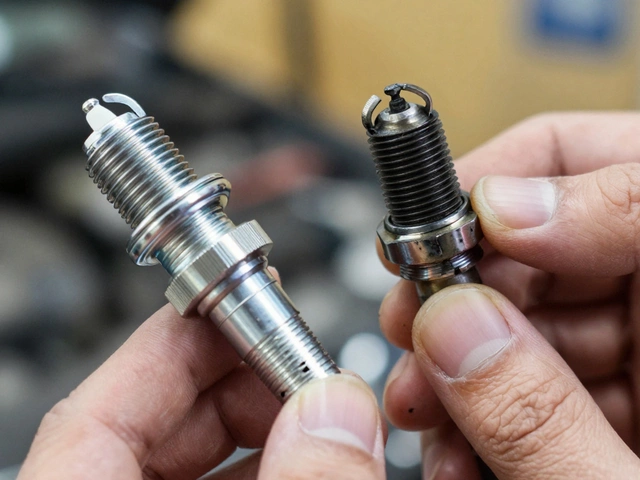
The most frequent culprit behind post-swap performance drops is incorrect electrode gap. This is the tiny distance between the center electrode and the ground strap on the plug. Manufacturers specify this measurement down to the millimeter because it dictates how easily the spark jumps. Too wide? The coil pack struggles to jump the gap, causing weak sparks or complete misfires under load. Too narrow? The spark is too small to ignite the air-fuel mixture efficiently, leading to incomplete combustion and power loss.
Many people assume new plugs come pre-gapped from the factory. While high-end brands like NGK or Bosch often do, cheaper alternatives might not. Even if they are gapped, handling them can knock the delicate electrodes out of alignment. Before installing, always check the gap with a feeler gauge against your vehicle’s service manual specification. For example, many modern turbocharged engines require gaps as tight as 0.6mm, while older naturally aspirated engines might need 1.1mm. A difference of just 0.2mm can significantly alter how your engine breathes and burns fuel.
Cross-Threading and Torque Issues
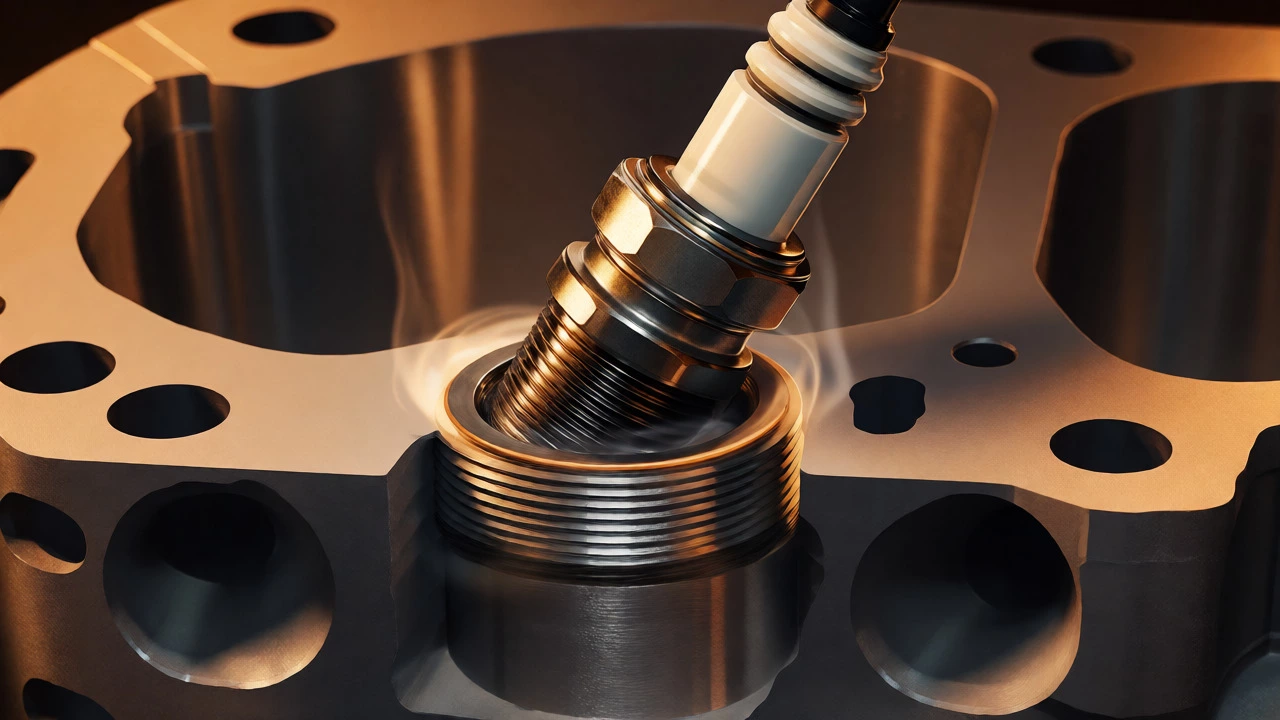
If the gap is perfect but the car still feels off, look at how the plugs were seated. Aluminum cylinder heads, which dominate modern cars, are soft. Cross-threading a spark plug into an aluminum head is incredibly easy if you don’t start by hand. You might think you’ve tightened it enough, but the threads could be stripped or damaged. This creates a poor seal, allowing compression leaks that kill power and cause rough idling.
Over-torquing is another silent killer. Applying too much force can crack the ceramic insulator inside the plug. This crack might not be visible externally, but it allows moisture and carbon to track across the surface, causing electrical leakage. The result? Intermittent misfires that get worse as the engine warms up. Conversely, under-torquing leaves the plug loose. Heat cycles can cause it to vibrate, potentially damaging the threads or allowing exhaust gases to bypass the seat. Always use a torque wrench set to the manufacturer’s spec-usually between 15 and 25 Nm for standard plugs-to avoid these mechanical failures.
Incompatible Plug Specifications
Not all spark plugs are created equal, even if they fit physically. Using the wrong heat range or resistor type can mess with your engine’s computer. The heat range determines how well the plug dissipates heat. A "cold" plug in an engine designed for a "hot" plug will run too cool, accumulating carbon deposits quickly. These deposits can bridge the gap, causing short circuits and misfires. On the flip side, a hot plug in a high-performance application can overheat, causing pre-ignition or detonation, which feels like violent shaking under acceleration.
Modern vehicles rely heavily on sensors. Many use platinum or iridium plugs with specific resistance values. Replacing OEM iridium plugs with basic copper ones can increase electrical resistance beyond what the ignition coils expect. This extra resistance forces the coils to work harder, potentially overheating them or triggering fault codes. Additionally, some aftermarket plugs lack the proper resistor built into the tip. Without this resistor, electromagnetic interference (EMI) can scramble signals from sensitive sensors like the crankshaft position sensor, leading to erratic timing and poor driveability.
| Issue | Symptom | Primary Cause |
|---|---|---|
| Incorrect Gap | Rough idle, hesitation under load | Gap too wide or narrow vs. spec |
| Cross-Threaded | Compression leak, loud ticking noise | Threads damaged in aluminum head |
| Wrong Heat Range | Fouling or pre-ignition knocking | Plug too cold or hot for engine |
| Non-OEM Resistance | Check Engine Light, EMI issues | Missing resistor or wrong value |
Coil Pack Damage During Installation
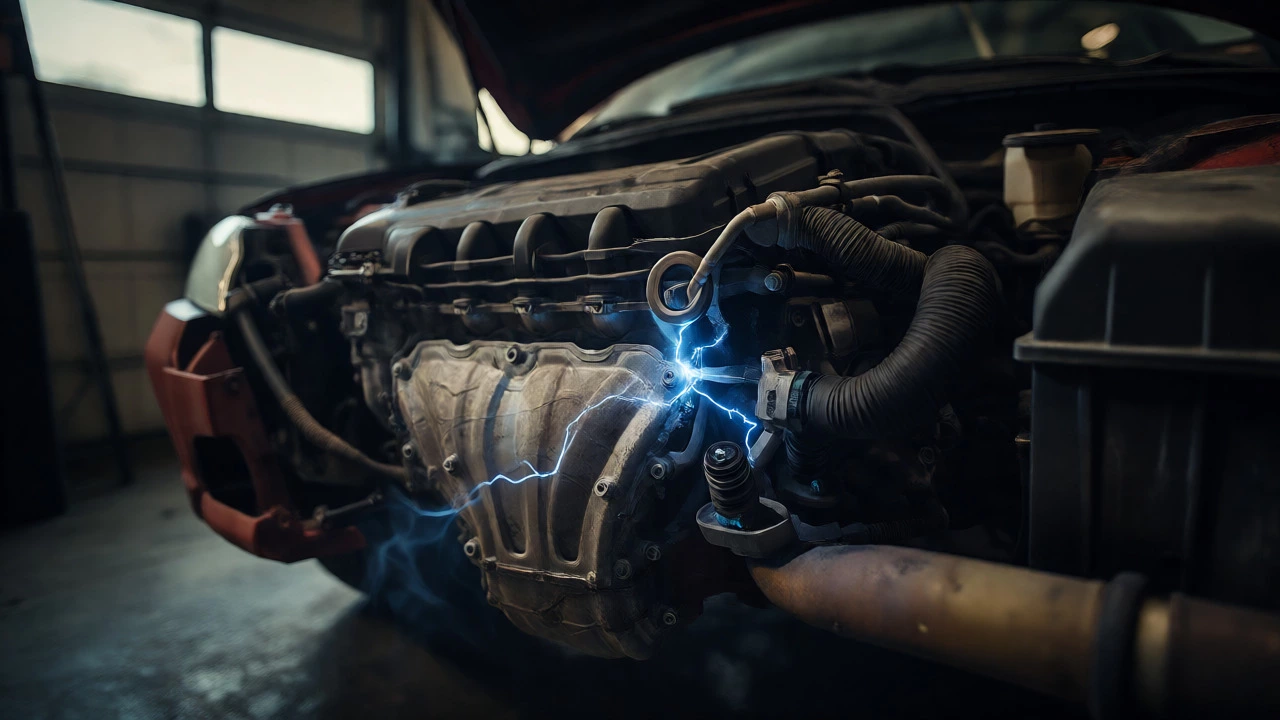
Sometimes the problem isn’t the plug itself, but what happened to the ignition coil. When removing old plugs, dirt and debris often fall into the spark plug well. If you didn’t blow this out with compressed air before installing the new plug, that debris gets trapped around the coil boot. Moisture mixes with this grime, creating a conductive path for electricity to arc away from the plug. This causes external arcing, which you might see as blue flashes in a dark garage, resulting in misfires.
Furthermore, pulling old coils can damage their rubber boots. If the boot is torn or hardened, it won’t seal tightly against the new plug. Air enters the chamber, cooling the spark and weakening its intensity. In severe cases, forcing a stuck coil out can break the internal windings. If one cylinder is consistently misfiring after a swap, try swapping the coil pack with a known good one from another cylinder. If the misfire moves, the coil is faulty. If it stays put, the issue lies with the plug or wiring.
Software and Adaptations
Believe it or not, your car’s Engine Control Unit (ECU) needs time to adjust to new components. Modern ECUs constantly monitor oxygen sensor data to fine-tune fuel injection and ignition timing. When you replace worn plugs, the combustion characteristics change slightly. The ECU might initially interpret these changes as a fault, running rich or lean until it relearns the baseline. This adaptation period usually lasts a few days of normal driving. However, if the performance doesn’t improve after a week, it’s likely a hardware issue rather than software learning.
To help the ECU adapt, perform a gentle drive cycle. Avoid aggressive throttle inputs immediately after installation. Let the engine reach operating temperature and drive at varied speeds. Some advanced diagnostic tools can reset the long-term fuel trims, forcing an immediate relearn. If you have access to an OBDII scanner, check for pending codes. Sometimes, a single misfire count spike during installation triggers a code that persists until cleared, making the car limp-home mode engage unnecessarily.
Quick Troubleshooting Checklist
Before tearing everything apart again, run through this list. It solves 90% of post-swap performance issues.
- Re-check the gap: Use a wire feeler gauge, not a tool that bends the electrode. Compare against the sticker under your hood or the manual.
- Inspect the boots: Ensure coil-on-plug boots are intact and seated firmly. Replace any cracked or oily boots.
- Verify torque: Loosen and retighten to spec using a torque wrench. Do not guess.
- Check part numbers: Confirm the new plugs match the OEM heat range and thread reach exactly. Short-reach plugs in long-reach heads can foul; long-reach in short-reach heads can hit pistons.
- Clean the wells: Blow out each spark plug tube with compressed air to remove debris before reinstalling coils.
Can I drive my car if it runs worse after changing spark plugs?
You can drive it gently for short distances, but avoid heavy acceleration or towing. A persistent misfire can unburnt fuel into the catalytic converter, overheating and destroying it. If the Check Engine Light is flashing, stop immediately and tow the vehicle to prevent permanent engine damage.
How long does it take for a car to adjust to new spark plugs?
Typically, the ECU adapts within 50 to 100 miles of mixed driving. If performance hasn't normalized after this period, there is likely a mechanical error such as incorrect gapping, cross-threading, or incompatible parts.
Do cheap spark plugs make cars run worse?
Yes, frequently. Cheap plugs may have inconsistent gaps, inferior materials that degrade quickly, or lack necessary resistors. This can lead to EMI interference with sensors and premature wear, causing rough running compared to OEM-spec plugs.
What happens if spark plugs are too tight?
Over-tightening can crack the ceramic insulator, leading to electrical leakage and misfires. It can also strip the threads in the aluminum cylinder head, requiring expensive repair with helicoils or head replacement.
Why is my car vibrating after changing spark plugs?
Vibration usually indicates a misfire in one or more cylinders. Common causes include a faulty coil pack damaged during removal, an incorrectly gapped plug, or debris falling into the spark plug well causing arcing.