Spark Plug Replacement Estimator
Enter your details and click "Analyze" to see if new spark plugs are worth it.
You’re driving along, maybe on the M60 or just popping to the shops in Manchester, and you notice something feels off. The idle is a bit rough, or maybe the acceleration isn’t as snappy as it used to be. Your mate at the garage says, "Just put new spark plugs in it." It sounds like a cheap fix, but will it actually make your car run better? Or is it just another thing to spend money on?
The short answer is: yes, but only if they were worn out. If your current plugs are fine, swapping them won’t turn your family hatchback into a sports car. But if they’re old, fouled, or have a massive gap, replacing them can absolutely restore lost power, smooth out the idle, and even save you a few quid on fuel. Let’s break down exactly when this swap pays off and when it’s just noise.
What Do Spark Plugs Actually Do?
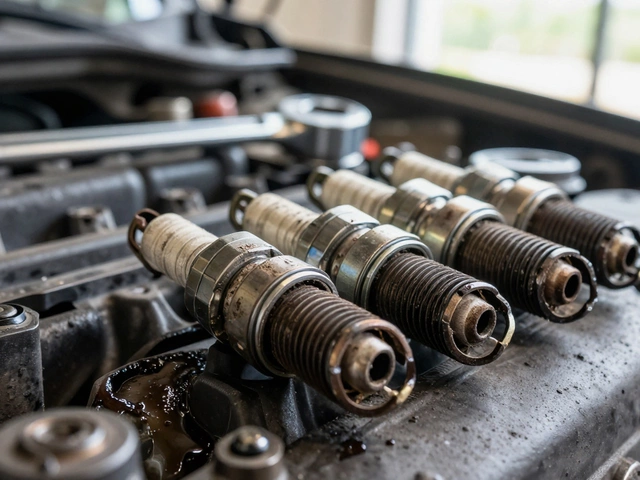
To understand why they matter, you need to know what they’re doing under the bonnet. A spark plug is a small electrical component that delivers high-voltage electricity from the ignition coil to the combustion chamber to ignite the air-fuel mixture. Think of it as the match that lights the fire in each cylinder. Without a strong, consistent spark, the fuel doesn’t burn efficiently. This means less energy pushing the pistons down, which translates directly to reduced power and poor throttle response.
Most modern cars use four, six, or eight cylinders, meaning you have that many plugs working simultaneously. If one is weak, the engine has to work harder to compensate for that missing kick. This imbalance causes vibrations, hesitation, and that dreaded "check engine" light. Over time, the electrode tip erodes, the gap widens, and carbon builds up. These physical changes degrade performance long before the plug fails completely.
Signs You Might Need Replacement
How do you know if your plugs are the culprit? Cars don’t usually shout; they whisper. Here are the most common symptoms that point directly to ignition issues:
- Rough idling: The engine shakes or vibrates more than usual when you’re stopped at traffic lights.
- Misfires: You feel a sudden jerk or stumble during acceleration, especially under load (like going uphill).
- Difficulty starting: The engine cranks longer than normal before catching.
- Poor fuel economy: Unburnt fuel goes out the exhaust instead of powering the wheels.
- Check Engine Light: Codes P0300 through P0308 often indicate specific cylinder misfires linked to plugs or coils.
If you experience these, checking the plugs is a logical first step. However, don’t assume it’s always the plugs. Ignition coils, fuel injectors, and vacuum leaks can mimic these same symptoms. That’s why diagnosis matters before you start buying parts.
When Will New Plugs Improve Performance?
This is the million-dollar question. Replacing spark plugs improves performance primarily by restoring factory specifications. Manufacturers design engines to operate with precise spark timing and energy levels. When plugs wear, the required voltage to jump the gap increases. Eventually, the ignition system struggles, leading to incomplete combustion.
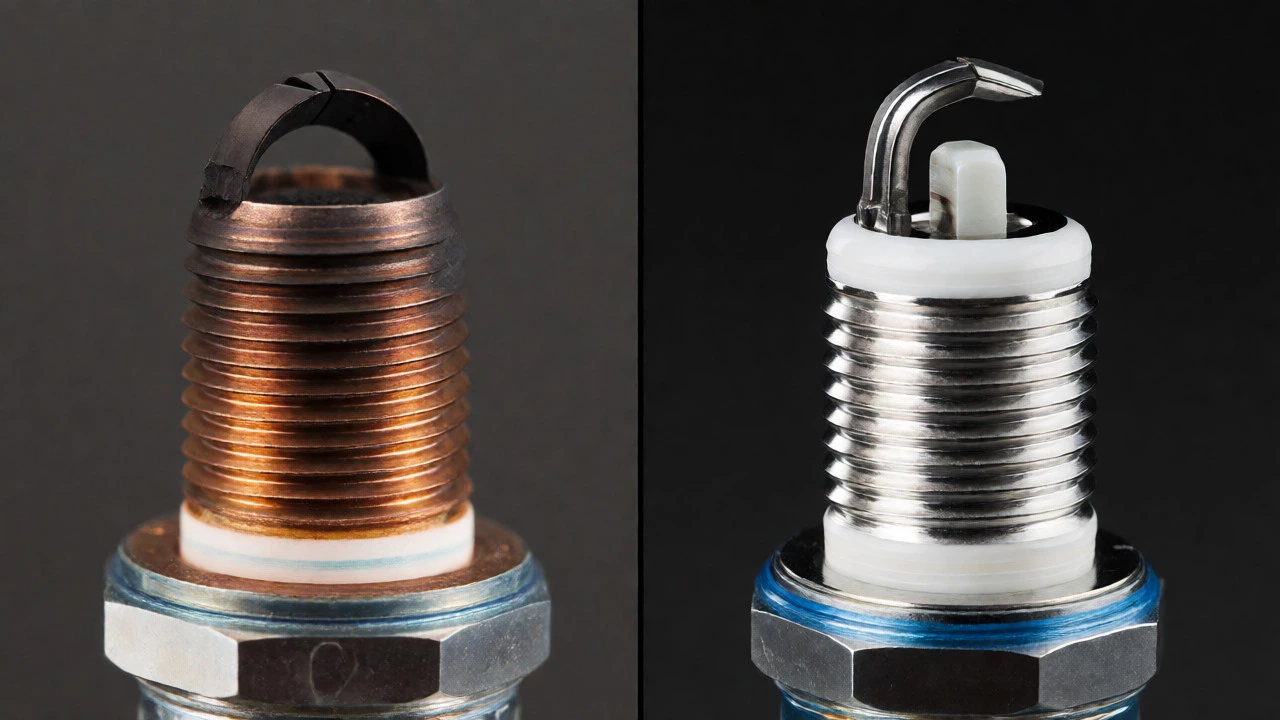
Consider a scenario where your car has done 40,000 miles on standard copper plugs. These typically last around 20,000-30,000 miles. By mile 40,000, the electrodes are likely rounded and eroded. Installing new plugs resets the baseline. You might notice:
- Smoother acceleration: Throttle response becomes immediate rather than laggy.
- Steadier RPMs: The needle stays steady at idle instead of bouncing.
- Better cold starts: The engine fires up quickly even on a damp UK morning.
However, if you install premium iridium plugs on a brand-new engine with perfect plugs, you won’t feel a difference. In fact, you might not even see a change in fuel consumption. The gain comes from fixing a deficiency, not adding magic power.
Copper vs. Platinum vs. Iridium: Does Type Matter?
Not all spark plugs are created equal. The material of the center electrode determines how long the plug lasts and how well it performs under stress. Choosing the wrong type can lead to premature failure or unnecessary expense.
| Type | Lifespan | Performance | Best For |
|---|---|---|---|
| Copper Core | 20,000 - 30,000 miles | Good conductivity, wears fast | Older vehicles, low-budget fixes |
| Platinum | 50,000 - 60,000 miles | Durable, stable spark | Modern daily drivers |
| Iridium | 80,000 - 100,000+ miles | Highest hardness, finest electrode | Turbocharged engines, high-performance |
Iridium plugs have a much finer center electrode than copper ones. This allows for a more concentrated spark with less voltage drop. For turbocharged engines, which run higher compression ratios, this consistency is critical. If you drive a hot hatch or a modern diesel-petrol hybrid, sticking to OEM-spec iridium is usually the smartest move. Downgrading to copper might cause misfires sooner than you expect.
The Myth of "More Power" from Aftermarket Plugs
Marketing departments love to promise horsepower gains from simple bolt-ons. You’ll see claims like "Adds 5 BHP!" on boxes of racing plugs. Here’s the reality: unless you’ve heavily modified your engine (big turbo, remapped ECU, high-compression pistons), stock-spec plugs are already optimized for your setup.
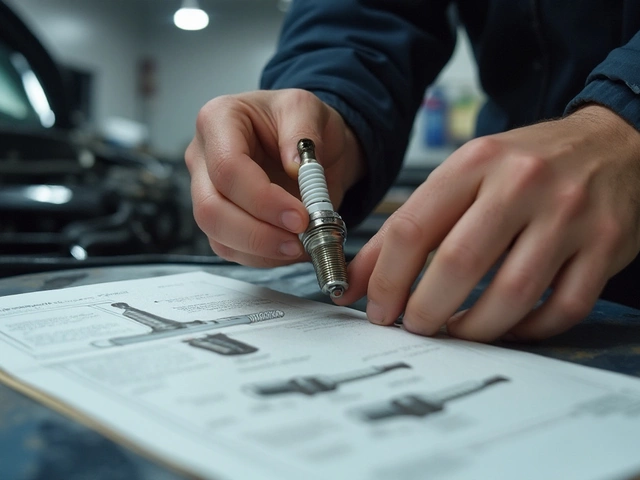
Installing "racing" plugs with a smaller heat range on a standard commuter car can actually hurt performance. They might foul faster because the engine doesn’t get hot enough to burn off carbon deposits. Conversely, using a hotter plug in a track car might cause pre-ignition (knocking). Always check the manufacturer’s recommended heat range and gap settings. Deviating from these without data support is gambling, not tuning.

DIY vs. Professional Installation
Can you do this yourself? Absolutely. It’s one of the easiest jobs for a beginner. You’ll need a socket set, a torque wrench, and perhaps an anti-seize compound (though many modern plugs come pre-coated).
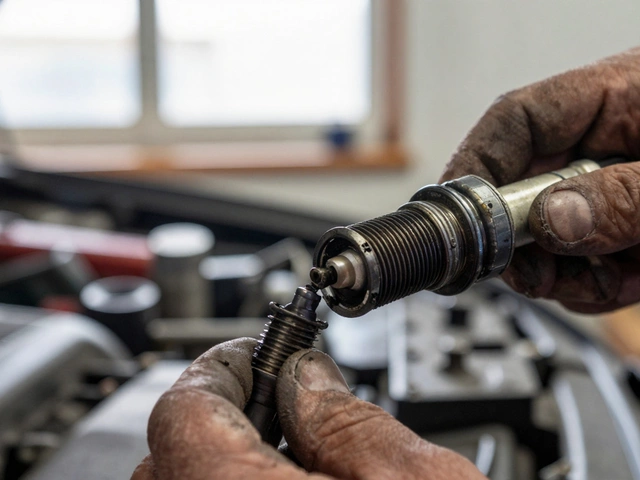
But there are pitfalls. Overtightening can crack the ceramic insulator, rendering the new plug useless instantly. Undertightening can let heat escape, causing the plug to blow out of the head. Also, some modern engines require removing intake manifolds or plastic covers to access the plugs, turning a 30-minute job into a weekend project. If your car requires significant disassembly, paying a mechanic £50-£100 for labour might be worth the sanity saved.
Real-World Impact on Fuel Economy
Does changing plugs save petrol? Yes, but modestly. The EPA and various automotive studies suggest that a single misfiring cylinder can reduce fuel efficiency by up to 10%. Fixing that restores the loss. However, if your plugs are merely "old" but not misfiring, the savings might be negligible-perhaps 1-2%.
Think of it this way: replacing plugs is about maintaining efficiency, not boosting it beyond design limits. If you combine new plugs with a clean air filter and fresh oil, you create a synergistic effect. The engine breathes better, lubricates better, and ignites better. Together, these small improvements add up to noticeable cost savings over thousands of miles.
Frequently Asked Questions
How often should I change my spark plugs?
It depends on the plug material and your vehicle's manufacturer recommendations. Copper plugs typically need replacement every 20,000 to 30,000 miles. Platinum and iridium plugs can last between 50,000 and 100,000 miles. Always check your owner's manual for the specific interval for your car model.
Can bad spark plugs damage my engine?
Yes. Severe misfires caused by failed plugs can allow unburnt fuel to enter the exhaust system, potentially destroying the catalytic converter. Additionally, if a plug breaks apart, fragments can fall into the cylinder and score the piston walls or valves, leading to expensive internal engine repairs.
Do spark plugs affect acceleration?
Worn spark plugs can cause hesitation and sluggish acceleration because the air-fuel mixture does not ignite efficiently. Replacing them can restore crisp throttle response, especially in older vehicles where electrode erosion has widened the spark gap significantly.
Is it worth upgrading to iridium spark plugs?
If your car came with iridium plugs from the factory, yes, stick with them. They offer superior durability and consistent spark quality. If your car uses copper plugs, upgrading to iridium can extend service intervals and provide slightly more stable ignition, but it won't drastically increase horsepower on a stock engine.
Why is my car still running poorly after changing spark plugs?
The issue may lie elsewhere. Common culprits include faulty ignition coils, clogged fuel injectors, vacuum leaks, or sensor failures (like the mass airflow sensor). Changing plugs addresses ignition delivery, but if the fuel supply or air measurement is incorrect, performance issues will persist.