Overheating Car: Signs, Causes, and How to Prevent Engine Damage
When your overheating car, a vehicle whose engine temperature rises beyond safe operating limits, often due to cooling system failure. Also known as engine overheating, it’s one of the most urgent car problems you can face—because it doesn’t just annoy you, it can destroy your engine in minutes. Most drivers think overheating means a busted radiator, but it’s rarely that simple. It’s usually a chain reaction: low coolant, a faulty thermostat, a broken water pump, or even a clogged radiator all team up to turn a small issue into a $2,000 repair.
The car radiator, the main component responsible for dissipating heat from engine coolant is often the star of the show, but it’s not always the culprit. A radiator can look fine on the outside while being blocked inside with rust or debris. And if your coolant level, the fluid that circulates through the engine and radiator to absorb and release heat is low, even a brand-new radiator won’t help. You might think topping it off is enough, but if coolant keeps disappearing, you’ve got a leak—maybe from a cracked hose, a failing water pump seal, or a blown head gasket. These aren’t just "maybe" problems. They’re ticking time bombs.
What does an overheating car actually feel like? It’s not always a red warning light. Sometimes it’s the smell of hot coolant, a sudden drop in heater performance, or the engine running rough just after a short drive. If you notice your temperature gauge creeping into the red—even for a few seconds—pull over. Idling in traffic with the AC on? That’s when overheating hits hardest. And if you’ve been ignoring small coolant leaks or skipping radiator inspections, you’re playing Russian roulette with your engine. A 2022 UK MOT report showed over 12% of failures linked to cooling system issues, mostly because drivers waited too long to act.
Fixing an overheating car isn’t about guessing. It’s about checking the right things in order: coolant level first, then hoses for cracks or soft spots, then the radiator cap for proper seal pressure, then the thermostat’s operation. A simple visual inspection of the radiator failure, when the radiator can no longer effectively cool engine fluid, leading to overheating and potential engine seizure signs—like rust around the neck, oily coolant, or visible leaks—can save you from a tow truck. And if your car overheats after a recent service? Someone might’ve missed a bleed procedure or used the wrong coolant mix.
Don’t let myths fool you. "It’s fine if it only overheats once." "I just need to add water." "My car’s old, so it’s normal." None of these are true. Overheating is never normal. It’s your engine screaming for help. The posts below give you the exact steps to diagnose, test, and fix the most common causes—without paying for guesswork repairs. You’ll find real-world guides on checking your radiator, understanding coolant degradation, spotting hidden leaks, and knowing when you need a full system flush versus a simple top-up. This isn’t theory. It’s what works for UK drivers who’ve been there—and lived to tell the tale.
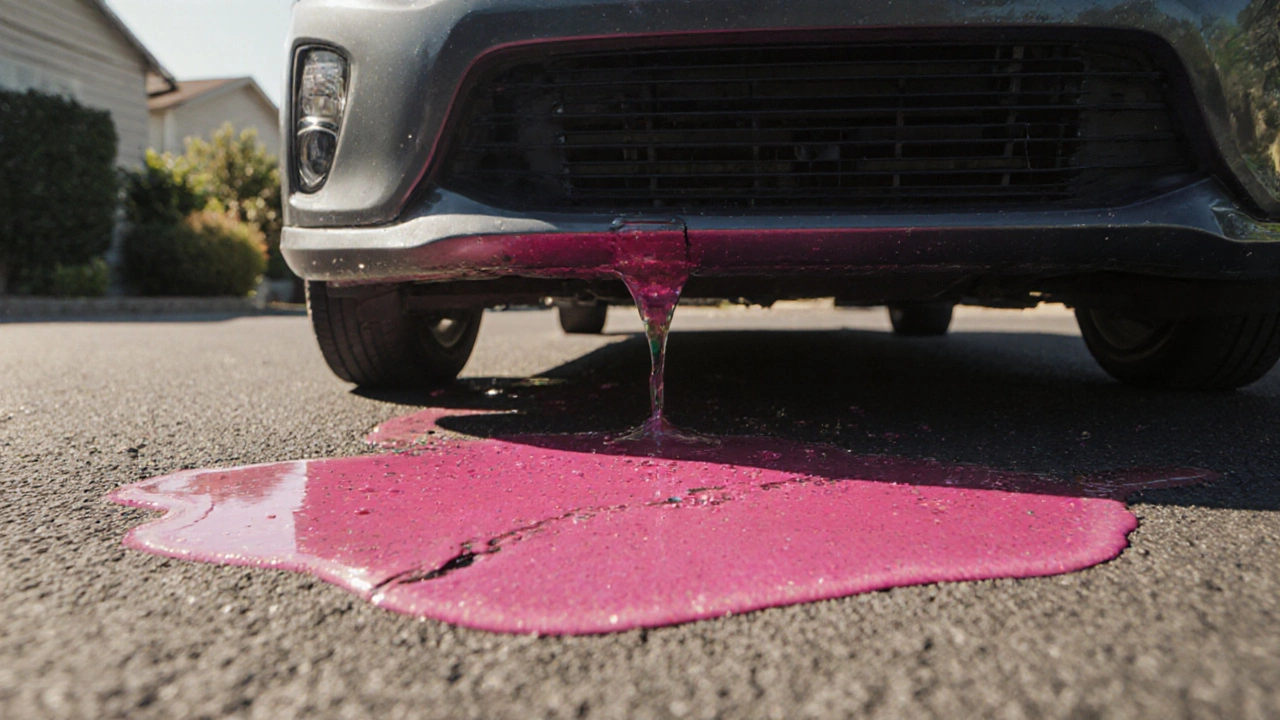
Signs Your Car Radiator Needs Replacing - How to Spot Radiator Problems
Learn how to spot the signs that your car radiator needs replacing, from coolant leaks to overheating, and follow a step-by-step diagnostic guide.
October 12 2025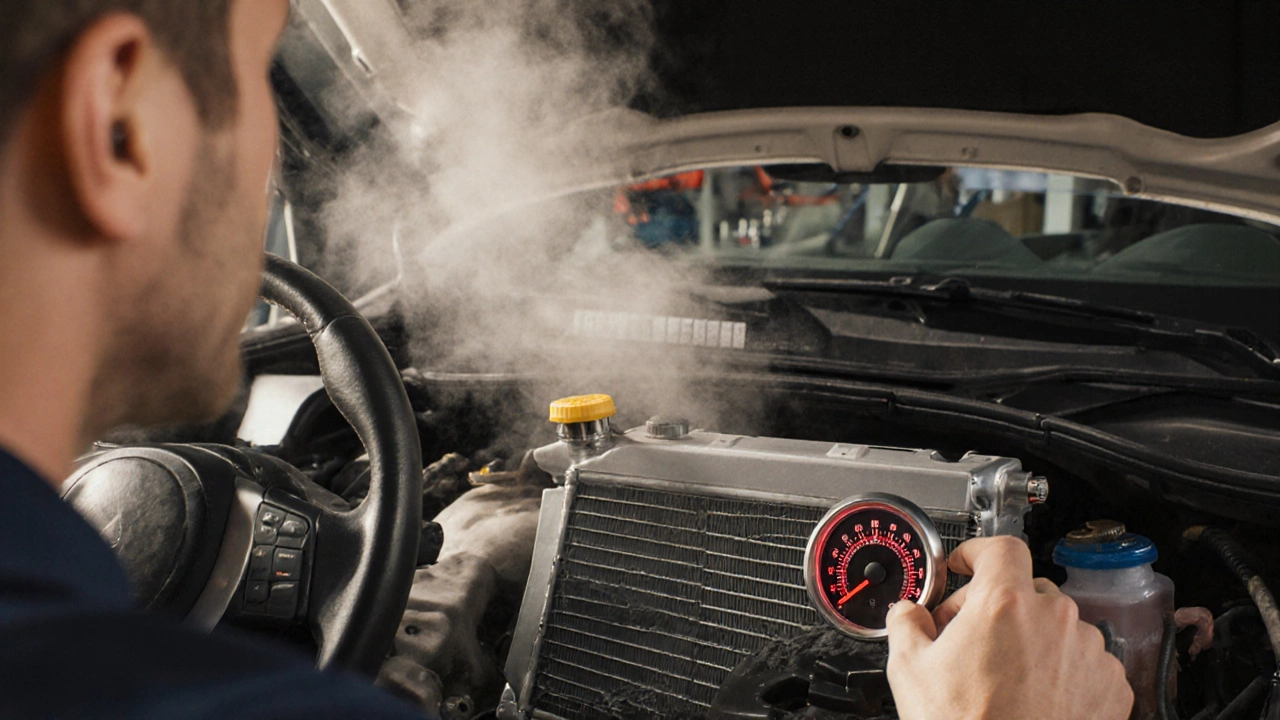
Why Do Car Radiators Fail? Common Causes and How to Prevent Them
Learn why car radiators fail, from corrosion and leaks to faulty thermostats. Spot early symptoms, follow a maintenance checklist, and know when to repair or replace.
October 8 2025