Windshield Wiper Size Calculator
Enter your vehicle details to get the correct windshield wiper sizes for your car. Accurate wiper size ensures proper coverage, clear visibility, and prevents damage to your windshield or wiper system.
Driver Side
Size: -
Passenger Side
Size: -
Mounting Type
-Replacement Tip
Ever bought a new set of windshield wipers only to find they don’t fit your car? You’re not alone. Thousands of drivers make this mistake every year because they assume all wipers are the same. The truth? Windshield wipers are not universal. They come in dozens of sizes, shapes, and mounting styles - and getting the wrong one can leave you with blurry vision, noisy operation, or even damaged windshields.
Why Windshield Wipers Aren’t One-Size-Fits-All
Your car’s windshield isn’t flat like a piece of glass on a kitchen window. It’s curved, angled, and often has a complex shape that changes from one model to the next. That means the wiper blades need to match the exact length and curvature to sweep properly. A blade that’s too long will lift off the glass or hit the hood. One that’s too short won’t clear enough area, leaving streaks and blind spots - especially dangerous in heavy rain or snow.Then there’s the mounting system. There are at least six common types of wiper arm connectors: hook, pin, side-pin, bayonet, proprietary, and adapter-style. Even if two blades are the same length, they might not attach to your car’s wiper arm. For example, a 2022 Toyota Corolla uses a hook-style arm, while a 2021 Ford Focus uses a side-pin. Swap them without an adapter, and they won’t stay on.
How to Find the Right Wiper Size for Your Car
The easiest way to get the right size? Check your owner’s manual. It lists the exact length for both driver and passenger side blades. If you don’t have it, look up your car online using its make, model, and year. Most auto parts stores like Halfords, Kwik Fit, or AutoZone have online fitment tools. Just type in your vehicle details, and they’ll show you the correct sizes.Here’s a real example: A 2023 Volkswagen Golf has a 24-inch driver-side blade and a 19-inch passenger-side blade. The rear wiper on the hatchback is 11 inches. Get any of those wrong, and the wipe pattern won’t cover the glass properly. Some cars even have different sizes for winter and summer blades - the winter ones are usually slightly longer to handle snow buildup.
Don’t trust generic packaging that says “fits most cars.” That’s marketing speak. A blade labeled “fits 90% of vehicles” still leaves 10% of drivers with the wrong fit. That 10% includes popular models like the Honda Civic, BMW 3 Series, and Nissan Qashqai - all of which have unique wiper arm designs.
Common Wiper Mounting Types and How to Identify Them
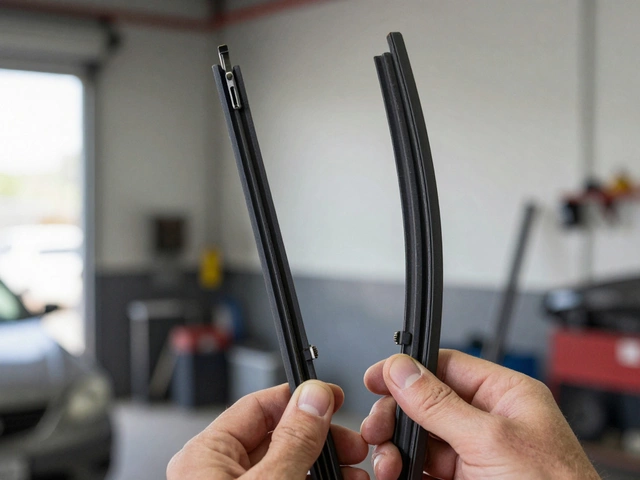
There’s no single standard for how wiper blades connect to the arm. Here are the five most common types you’ll run into:- Hook-style: The most common in modern cars. Looks like a J-shaped metal hook. You squeeze the tab and slide the blade onto the arm.
- Pin-style: Found on older European and some American cars. Has a small metal pin that slots into a hole on the blade.
- Side-pin: Used by Ford, VW, and Hyundai. A pin comes out the side of the arm and locks into a notch on the blade.
- Bayonet: Common on Japanese models like Toyota and Subaru. Push down and twist to lock.
- Proprietary: Used by luxury brands like Audi, Mercedes, and BMW. These often require special adapters or OEM blades.
If you’re unsure, pull off your old blade and look at the connector. Take a photo. Compare it to diagrams on manufacturer websites or auto parts stores. Many brands like Bosch, Rain-X, and Michelin include mounting guides on their packaging.
Can You Use Universal Wiper Blades?
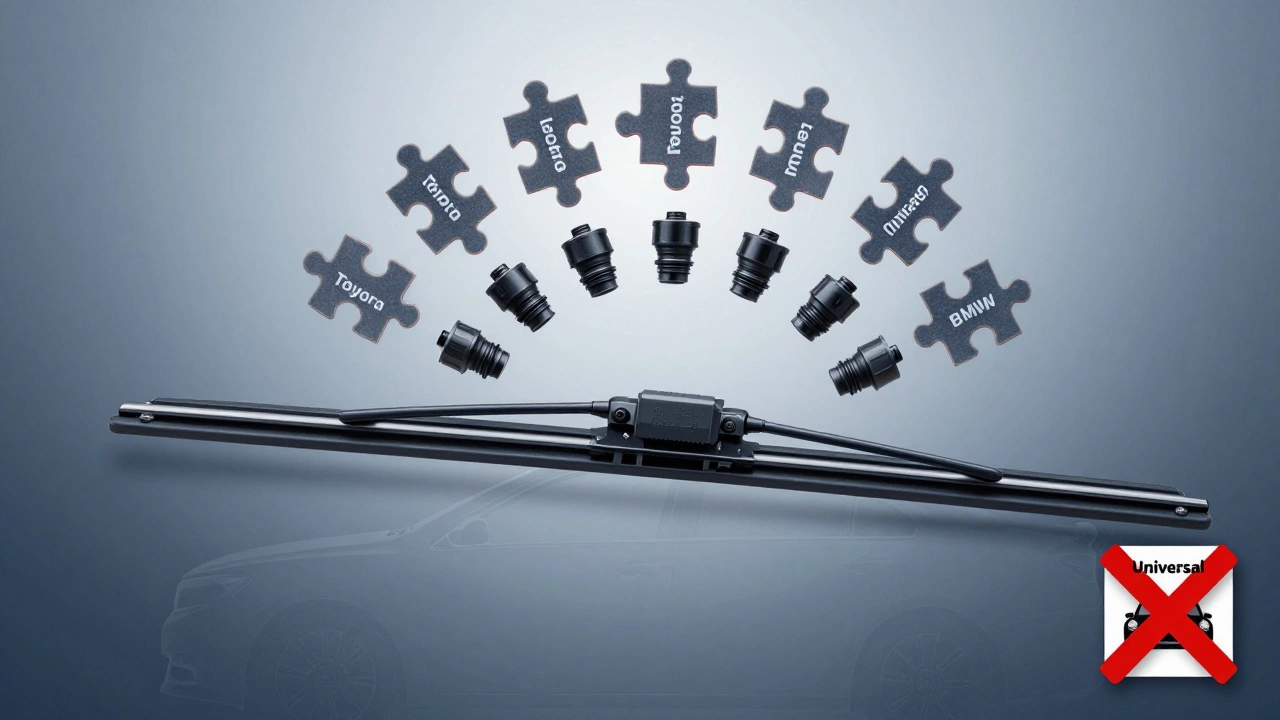
Some brands sell “universal” wiper blades that come with multiple adapters. These are designed to fit several mounting types by swapping out the connector piece. They’re convenient if you own multiple cars or need a quick replacement while traveling.But here’s the catch: Universal blades often sacrifice performance. The adapter joints can loosen over time, causing the blade to chatter or jump across the glass. In heavy rain, that’s not just annoying - it’s unsafe. A 2024 study by the UK’s Road Safety Foundation found that 37% of wiper-related accidents involved blades that weren’t factory-spec or used aftermarket adapters.
For everyday driving, especially in the UK where rain is frequent, stick with blades designed specifically for your car. The extra £5-£10 you spend on the right fit is worth it for clear visibility and safety.
What Happens If You Use the Wrong Wiper Blade?
Using the wrong size or type doesn’t just mean poor wiping. Here’s what can go wrong:- Streaking and smearing: The blade doesn’t lie flat on the glass, leaving patches of water.
- Noise: Chattering or squeaking from uneven pressure or poor contact.
- Damage to the windshield: A blade that’s too long can scrape the paint or plastic trim. A misaligned blade can scratch the glass over time.
- Blade failure: If the connector doesn’t lock properly, the blade can fly off while driving - which is terrifying at 70mph on the M6.
- Wiper motor strain: A blade that’s too heavy or too long forces the motor to work harder, shortening its lifespan.
One driver in Manchester reported replacing their wiper motor twice in two years because they kept using oversized blades. The motor cost £220 each time. The right blades cost £18.
When to Replace Windshield Wipers
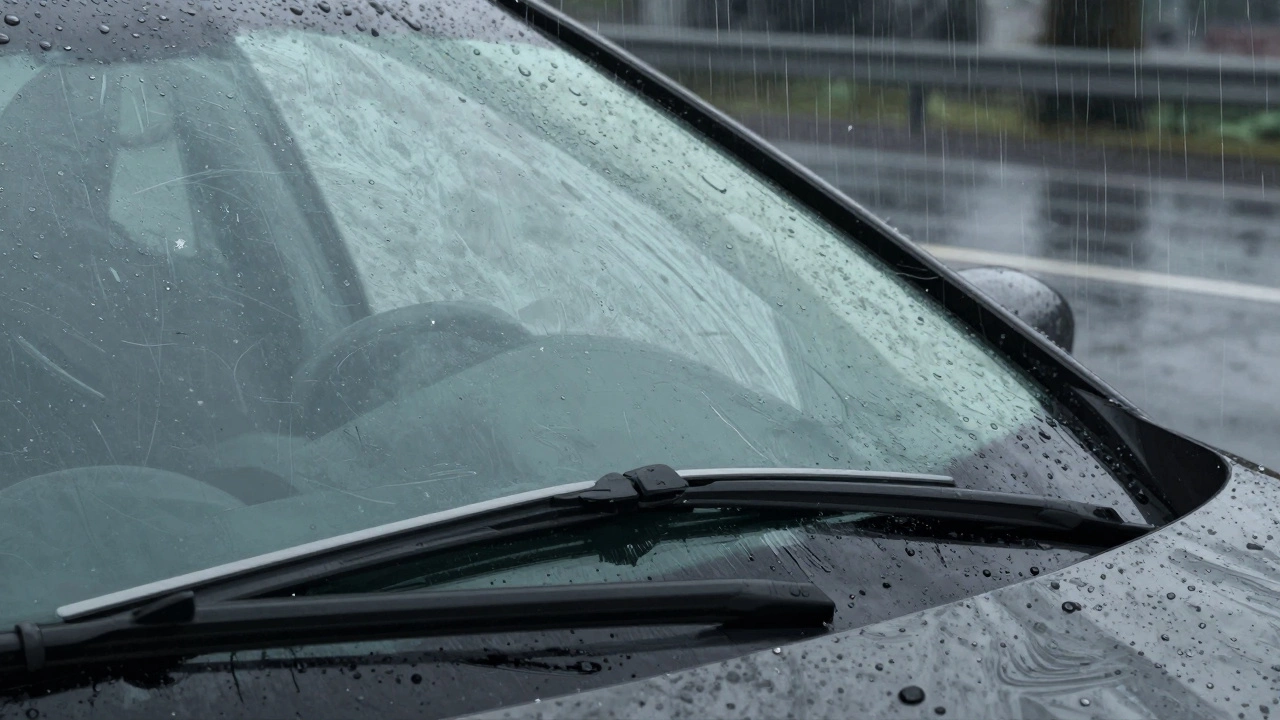
Even the right blades wear out. Most last 6-12 months, depending on weather and usage. Signs it’s time for new ones:- Streaks or smears when wiping
- Chattering or skipping across the glass
- Cracked or brittle rubber
- Missing sections of the rubber edge
- Water beads up instead of flowing off
Don’t wait until you can’t see clearly. Replace them before the rainy season starts - ideally in October or March. Winter blades with rubber covers to prevent ice buildup are worth considering if you get frost or snow.
Pro Tip: Always Replace Both Blades at Once
Even if one blade looks fine, the other is likely close to failing. Using mismatched blades creates uneven wiping - one side clears well, the other leaves streaks. It’s like driving with one headlight out. Replace both at the same time for consistent performance.Also, consider upgrading to beam-style blades. They’re frameless, more aerodynamic, and maintain better contact on curved windshields. Brands like Bosch Icon and Michelin Stealth are popular in the UK for their quiet operation and durability in wet conditions.
Final Answer: Are Windshield Wipers Universal?
No. Windshield wipers are not universal. They’re engineered for specific vehicles based on size, shape, and mounting type. What works on your neighbour’s Ford Fiesta won’t fit your Hyundai Kona. Buying the wrong ones wastes money, compromises safety, and can damage your car.The safest, smartest move? Always check your vehicle’s exact wiper size before buying. Use your owner’s manual, an online fitment tool, or visit a local auto parts store and ask them to verify. Spend a few extra minutes now - and you’ll thank yourself when you’re driving through a downpour on the M60 with crystal-clear visibility.
Can I use any windshield wiper on my car?
No. Windshield wipers must match your car’s specific blade length and mounting type. Using the wrong size or connector can lead to poor visibility, noise, or damage to your windshield or wiper motor.
How do I find the correct wiper blade size for my car?
Check your owner’s manual, or use an online fitment tool from retailers like Halfords, Kwik Fit, or AutoZone. Enter your car’s make, model, and year - they’ll show you the exact driver and passenger side sizes.
Are universal wiper blades a good idea?
They’re convenient for emergencies or multi-car households, but not ideal for daily use. Universal blades often have adapter joints that can loosen over time, causing chattering or poor contact. For safety and performance, stick with vehicle-specific blades.
How often should I replace windshield wipers?
Replace them every 6 to 12 months, or sooner if you notice streaking, chattering, or cracked rubber. In the UK’s wet climate, replacing them in autumn before winter rains is a smart habit.
Do I need to replace both wiper blades at the same time?
Yes. Even if one blade looks fine, the other is likely worn. Using mismatched blades creates uneven wiping and reduces visibility. Always replace them as a pair for consistent performance.