Radiator Causes: Common Reasons Your Car Overheats and How to Fix Them
When your car starts overheating, the radiator, the main component that cools engine coolant by transferring heat to the air. Also known as the engine cooler, it’s not just a metal box—it’s the heart of your cooling system. If it fails, your engine can seize in minutes. Most radiator problems don’t come out of nowhere. They’re caused by simple things you might be ignoring.
One of the most common radiator causes, the underlying issues that lead to cooling system failure. Also known as cooling system faults, it includes coolant leaks, which often start as tiny drips under your car. These aren’t just messy—they mean your coolant level is dropping, and without enough fluid, the radiator can’t do its job. Then there’s clogged radiator cores, internal blockages from rust, scale, or debris that stop coolant flow. This traps heat inside the engine, even if the coolant tank looks full. And don’t forget the thermostat, a small valve that controls coolant flow into the radiator. If it sticks closed, your radiator might be perfectly fine, but the engine still overheats because coolant can’t circulate.
Outside factors matter too. A broken radiator fan, the electric or belt-driven fan that pulls air through the radiator when the car is idle or moving slow. Also known as cooling fan, it’s critical in traffic or hot weather. If it stops spinning, your radiator can’t shed heat fast enough. And then there’s low coolant, a simple but deadly problem caused by neglect or hidden leaks. Many drivers think topping off coolant once a year is enough—but coolant breaks down over time, loses its protective additives, and turns acidic. That eats away at hoses, gaskets, and the radiator itself.
You don’t need to be a mechanic to spot trouble. Listen for gurgling sounds under the hood. Watch for steam or warning lights. Check for puddles of green, orange, or pink fluid. Smell for sweet, syrupy odors—that’s antifreeze burning. These aren’t just signs. They’re alarms. Ignoring them doesn’t save money. It just moves the problem from a £150 radiator flush to a £2,000 engine rebuild.
The posts below show you exactly what to look for when your radiator is failing. You’ll find real-world signs like coolant leaks, overheating at idle, and discolored sludge in the reservoir. You’ll learn how to test your radiator’s flow, check for internal corrosion, and know when a repair isn’t worth it. No fluff. No theory. Just what works on UK roads, in winter rain and summer heat. Whether you’re checking your own car or deciding whether to replace a radiator, these guides give you the facts before you open your wallet.
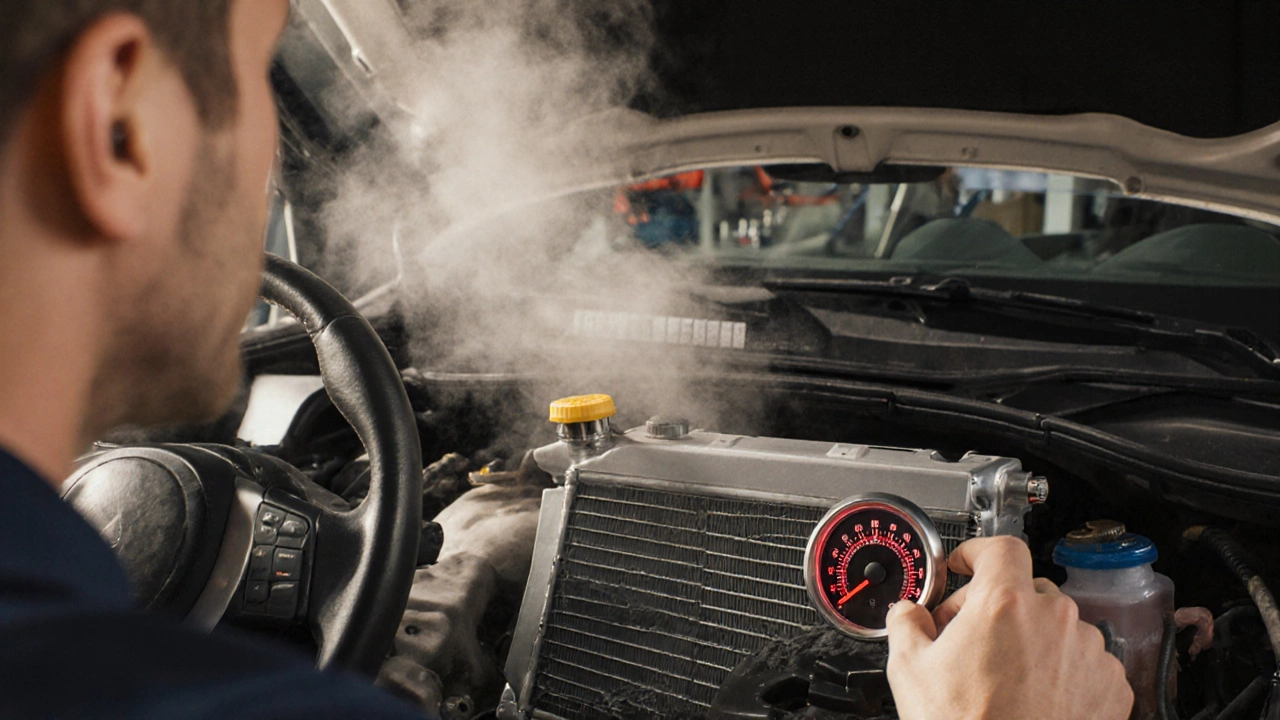
Why Do Car Radiators Fail? Common Causes and How to Prevent Them
Learn why car radiators fail, from corrosion and leaks to faulty thermostats. Spot early symptoms, follow a maintenance checklist, and know when to repair or replace.
October 8 2025