Rotor Safety Checker
This tool helps you determine if your brake rotors are safe to drive with based on measurements and symptoms described in the article.
Results will appear here
Enter your rotor measurements and symptoms to check safety.
Driving with bad rotors isn’t just risky-it’s dangerous. You might think your car still stops fine, but worn, warped, or cracked rotors can turn a routine brake job into a life-threatening situation. Brake rotors are the metal discs that your brake pads clamp down on to stop your car. When they’re in bad shape, they don’t work the way they’re supposed to. And no, you can’t safely ignore them just because the car still moves.
What Exactly Are Brake Rotors?
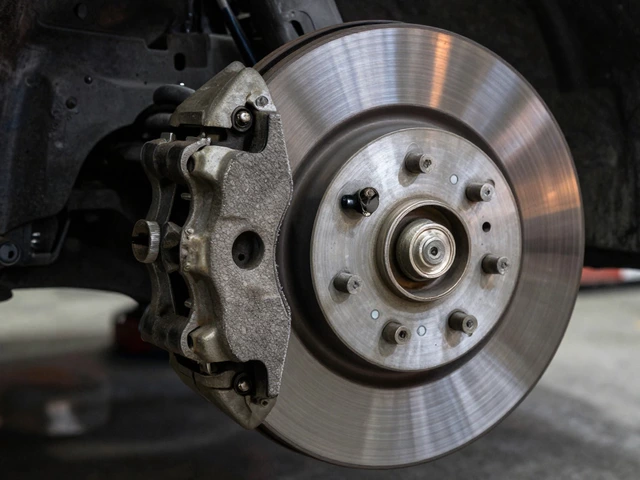
Brake rotors (also called brake discs) are heavy, circular metal parts attached to each wheel hub. When you press the brake pedal, the calipers squeeze brake pads against the rotors. That friction slows the wheels down and stops the car. Rotors handle serious heat-sometimes over 700°F during hard stops. Over time, they wear thin, get grooved, warp from heat, or crack from stress. Once they hit a certain point, they don’t just stop working well-they start failing unpredictably.
Signs Your Rotors Are Bad
You don’t need a mechanic to tell you something’s wrong. Your car will scream it:
- Vibrating steering wheel when braking-especially at highway speeds. This is the #1 sign of warped rotors.
- Squealing, grinding, or metallic scraping noises. If it sounds like metal on metal, your rotors are likely worn down to the point where the brake pads are hitting the rotor’s bare metal.
- Longer stopping distances. Your car takes longer to stop than it used to, even with new pads.
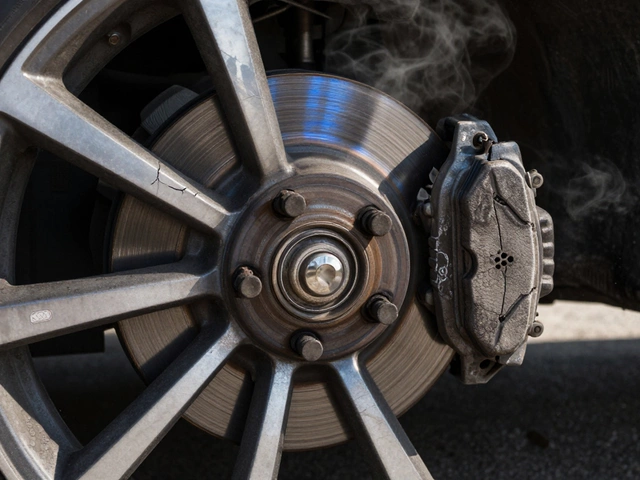
- Visible damage. Look through the wheel spokes. If you see deep grooves, cracks, or blue discoloration (heat damage), the rotor is done.
- Brake pedal pulsing. A spongy or bouncing pedal means the rotor surface isn’t flat anymore.
One driver in Ohio replaced his rotors after noticing his car pulled hard to the right during braking. He thought it was alignment. Turns out, one rotor was 0.8mm thinner than the other-enough to throw off brake balance and cause dangerous pulling.
Can You Really Drive With Bad Rotors?
Technically? Yes. You can still press the pedal and the car will slow down-sometimes. But here’s the problem: brake rotors aren’t like a broken radio or a squeaky hinge. They’re a critical safety component. Driving with bad rotors means you’re gambling with your life and everyone else’s.
Here’s what happens when you keep driving:
- Increased stopping distance: A warped or worn rotor doesn’t make even contact with the pad. That means less friction, more heat buildup, and less stopping power. Studies show worn rotors can increase stopping distance by up to 30% in emergency situations.
- Brake fade: As rotors overheat, they lose their ability to transfer heat away. This causes the brake fluid to boil, creating air bubbles. Air compresses. Fluid doesn’t. Result? Your brake pedal goes to the floor.
- Caliper damage: If the rotor is uneven, the caliper pistons have to move more to make contact. This stresses the seals and can lead to leaks.
- Complete rotor failure: Cracked rotors can break apart while driving. There’s no warning. One moment you’re braking, the next, you’ve lost all stopping power on that wheel.
Real-world example: In 2024, a Tesla Model Y in Texas lost braking control after a cracked rotor shattered during highway driving. The driver avoided a crash by steering into a grassy shoulder, but the car was totaled. The NHTSA later flagged that rotor cracks were underreported in electric vehicles due to regenerative braking masking brake wear.
How Bad Is Too Bad?
Not all wear is equal. Rotors have a minimum thickness stamped on them-usually near the edge or inside the hat section. If your rotor is even 0.5mm below that minimum, it’s unsafe. Most manufacturers recommend replacement when rotors are worn to within 1mm of the minimum thickness. You can measure this with a micrometer, but most auto shops do it for free during a brake inspection.
Here’s what’s considered unsafe:
- Rotors below minimum thickness
- Deep grooves over 0.015 inches (0.38mm) deep
- Cracks that reach the cooling fins or hub
- Blue or black discoloration (sign of overheating)
- Warped rotors causing pedal pulsation or steering vibration
If any of these are present, don’t drive the car. Call a tow truck.
What About Just Replacing the Pads?
A lot of drivers try to save money by only replacing brake pads. That’s a false economy. If you put new pads on old, damaged rotors, you’ll get:
- Uneven pad wear
- Reduced braking performance
- Noise and vibration
- Shorter pad life-sometimes as little as 10,000 miles instead of 40,000
Brake pads are designed to wear evenly against a smooth, flat surface. A grooved or warped rotor will tear into the new pad like sandpaper. You’ll end up replacing pads twice as often-and still not stop safely.
When to Replace Rotors
There’s no fixed mileage. Rotors last anywhere from 30,000 to 70,000 miles, depending on:
- Driving habits (city driving with frequent stops wears them faster)
- Vehicle weight (heavier vehicles like SUVs and trucks put more stress on rotors)
- Brake pad material (harder pads wear rotors faster)
- Climate (wet, salty roads cause corrosion)
Best practice: Have your rotors inspected every time you get your brake pads changed. Most shops check rotor thickness and surface condition for free. If they’re close to the minimum, replace them now. Don’t wait for them to fail.
What to Do If You’re Already Driving With Bad Rotors
If you’ve been driving with bad rotors and now you’re worried:
- Stop driving if you feel vibration, noise, or longer stopping distances.
- Get a professional inspection. Ask for rotor thickness measurements-not just a visual check.
- Replace both rotors on the same axle. Never replace just one. Uneven braking can cause loss of control.
- Replace pads at the same time. Even if they look okay, they’ve been damaged by the bad rotors.
- Bleed the brake system. Old fluid can boil under stress. Fresh fluid improves performance.
Don’t delay. A $300 rotor replacement is cheaper than a hospital bill or a funeral.
How Much Does It Cost to Replace Rotors?
On average, replacing both front rotors and pads costs $250-$500. Rear rotors are usually cheaper, around $150-$300. Premium rotors (like drilled or slotted) cost more but aren’t necessary for everyday driving. Stock replacements are perfectly safe.
Some shops offer brake packages that include labor, parts, and fluid flush. Avoid places that only offer rotor resurfacing (turning). That’s a temporary fix. If the rotor is worn thin, resurfacing just makes it thinner-and more likely to warp again.
Final Word: Don’t Risk It
Brakes are the most important safety system on your car. You can drive with a bad muffler. You can drive with a cracked windshield for a while. But you cannot drive safely with bad rotors. The risk isn’t theoretical. It’s documented. It’s real. And it’s happening every day.
If your rotors are worn, cracked, or warped-replace them. Now. Not tomorrow. Not next month. Now. Your life, and the lives of others, depend on it.
Can you drive with bad rotors if the brakes still feel okay?
No. Brake performance can feel normal even when rotors are dangerously worn. Warped or thin rotors often don’t cause obvious symptoms until they’re close to failure. By then, it’s too late. Vibrations, longer stopping distances, or squealing noises are warning signs-but even without them, rotors can fail without warning. Never assume "it still works" means it’s safe.
How long can you drive with warped rotors?
There’s no safe timeline. Warped rotors get worse with every stop. Heat builds up, the warp grows, and braking performance drops. Some drivers make it a few hundred miles. Others experience failure within days. The longer you wait, the higher the risk of total brake failure. Replace them as soon as you notice symptoms.
Do you need to replace rotors every time you change brake pads?
Not always, but you should inspect them every time. If the rotors are above minimum thickness, smooth, and free of cracks or deep grooves, they can be reused. But if they’re worn, warped, or damaged, replacing them with new pads is essential. Skipping rotor replacement when needed reduces braking power and wears out new pads prematurely.
Can bad rotors cause a car to pull to one side?
Yes. If one rotor is warped, worn, or corroded more than the other, brake pressure won’t be equal between the two sides. This causes the car to pull toward the side with more braking force. It’s a major safety hazard, especially at high speeds. Always replace rotors in pairs on the same axle.
What happens if you ignore bad rotors completely?
You risk total brake failure. Rotors that are too thin can crack or shatter under pressure. Warped rotors can cause brake fluid to boil, leading to pedal collapse. You might not stop in time to avoid a crash. In extreme cases, brake lines can rupture or calipers can seize. The cost isn’t just money-it’s your life and the lives of others.