Alloy Wheels: What You Need to Know About Performance, Care, and Common Problems
When you hear alloy wheels, lightweight wheels made from aluminum or magnesium alloys, commonly used on modern cars for better handling and style. Also known as mag wheels, they’re a standard upgrade on most vehicles today because they’re lighter, improve fuel efficiency, and let more air reach the brakes. But unlike steel wheels, they don’t bend—they crack. And once they crack, they’re often done for good.
Wheel alignment, the adjustment of a vehicle’s wheels to match manufacturer specs for even tire wear and straight driving matters more with alloy wheels because they’re stiffer. A misaligned car doesn’t just wear tires faster—it puts extra stress on the wheel’s spokes, leading to tiny fractures you won’t see until it’s too late. Same with tire balance, the even distribution of weight around the wheel to prevent shaking and uneven wear. An unbalanced wheel vibrates, and that vibration over time can fatigue the metal in an alloy wheel, especially at high speeds.
Most people don’t realize alloy wheel repair, the process of fixing cracks, bends, or curb damage on alloy wheels using heat, welding, or straightening techniques is possible—but not always worth it. A small curb scrape? Maybe. A deep crack along a spoke? Probably not. Many shops will tell you they can fix it, but if the wheel’s structure is compromised, it’s a safety risk. And if you’ve ever driven on a bent alloy wheel, you know it doesn’t just feel weird—it makes your car pull, shakes the steering wheel, and wears out your suspension faster.
Corrosion is another silent killer. Salt in winter, brake dust buildup, and even harsh car wash chemicals eat away at the protective clear coat. Once that’s gone, the aluminum starts to oxidize. It doesn’t rust like steel, but it turns chalky, flakes, and weakens the wheel’s structure. A quick clean with a non-acidic alloy wheel cleaner every few months can save you thousands in replacements.
And let’s talk about size. Bigger isn’t always better. Upgrading to 20-inch alloys might look cool, but they come with thinner sidewalls. That means every pothole, speed bump, or uneven road surface hits the wheel harder. You’ll get more road noise, worse ride comfort, and a higher chance of a bent or cracked rim. Most experts agree: stick within 1-2 inches of your factory size unless you’re building a show car.
What you’ll find below isn’t just theory. These are real fixes, real mistakes, and real cost-saving tips from UK drivers who’ve been there. You’ll learn how to spot early damage before it turns into a £500 repair bill. How to tell if a wheel is bent or just dirty. Why some ‘reconditioned’ wheels are worse than used steel ones. And what to do when your alloy wheel starts making a strange noise—because it’s never just the tire.
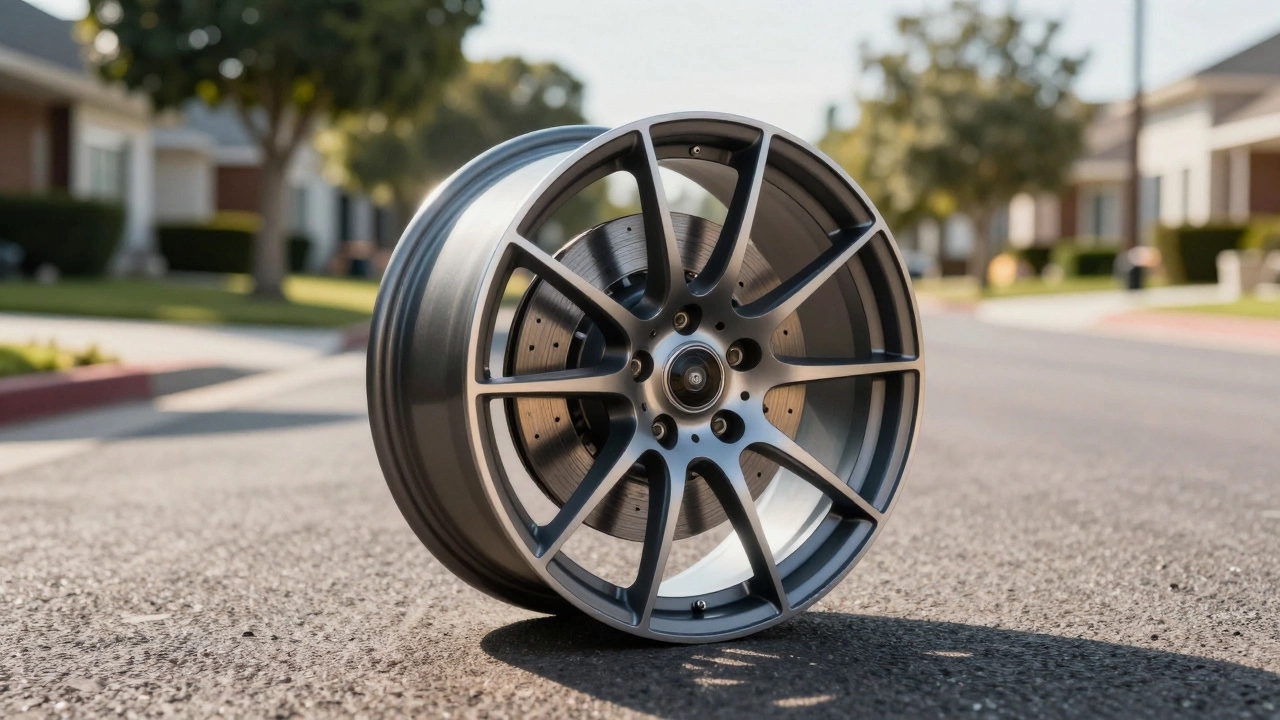
Are Alloy Rims Good? The Real Pros and Cons You Need to Know
Alloy rims offer better performance, fuel efficiency, and looks but come with higher costs and less durability on rough roads. Learn who benefits most and when steel wheels are smarter.
March 8 2026
Do Alloy Wheels Crack Easily? Real Facts and What Drivers Should Know
Are alloy wheels magnets for cracks, or is that just a myth? This article breaks down how and why alloy wheels crack, what really influences their durability, and gives practical advice for keeping them in good shape. You'll get tips on spotting early signs of trouble, why potholes are enemy number one, and learn if repairs are ever safe. If you’re thinking about switching to alloys or just want your set to last longer, you’ll get clear, no-nonsense answers right here.
June 21 2025
Are Alloy Wheels Expensive? Real Costs Explained
Are alloy wheels out of reach for most drivers, or are the high prices just a myth? This article breaks down the actual costs of alloy wheels and explains why prices vary so much. You'll find out about the factors that make some wheels pricey and others more affordable, plus tips on getting the best deals. We’ll also look at how long these wheels really last and if they're worth the investment for your car. Expect clear answers and real-world advice, not confusing jargon.
June 11 2025
Alloy Wheels: What Are Alloys on Wheels and Why Do They Matter?
Ever wondered what people mean when they talk about 'alloys' on cars? This article breaks down what alloy wheels are, why they’re so popular, and how they stack up against regular steel wheels. You'll find out what they're made of, what makes them special, plus some helpful tips on choosing and caring for them. If you’ve thought about upgrading your ride, these facts can help you decide if alloys are worth the hype.
May 30 2025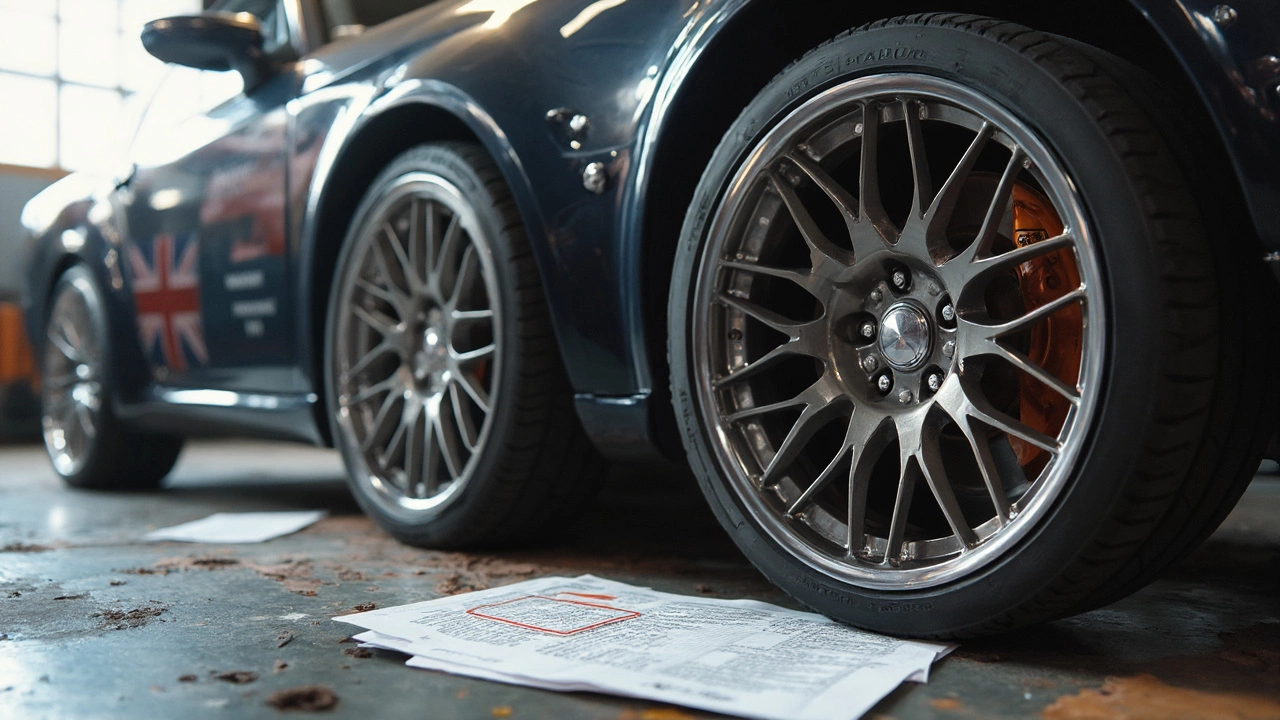
What to Avoid When Buying Rims: Key Alloy Wheels Mistakes
Choosing alloy wheels isn’t just about looks—there are some costly pitfalls that can wreck your ride or your wallet. This article breaks down what to watch out for when shopping for rims, from sizing blunders to fake brands. You'll get actionable tips, easy checks, and insider tricks to help you buy with confidence. Don't throw money away on the wrong wheels. Get the facts before you hit 'buy now.'
May 24 2025
Are Alloy Wheels Worth the Money? What You Really Get for the Price
Thinking of switching to alloy wheels? This article cuts through the hype to lay out exactly what alloy wheels offer—more than just looks. We'll dig into performance, cost, maintenance, and common myths. If you’re on the fence, you'll find out who really benefits from the upgrade, and who’s better off sticking with standard wheels. No sugar-coating, just what you need to make the choice.
April 24 2025