Air Filter Type Selector
Select your primary driving scenario to find the ideal filter for your vehicle.
Commuter / City Driver
Standard paved roads, low mileage, minimal dust exposure.
Lowest CostDusty / High Mileage
Unpaved roads, dusty environments, want longer replacement intervals.
Best ValuePerformance Enthusiast
Track days, modified engines, willing to perform maintenance.
ReusableRecommended Filter
Filter Name
Description goes here.
You’ve probably stared at the box on your dashboard or scrolled through an online parts store wondering why there are so many options for such a simple-looking part. You need to keep dust out of your engine, right? So why does one filter look like a flat sheet of paper while another looks like a thick, oily sponge? The confusion usually stems from marketing jargon, but under the hood, there are really only three distinct types of air filters you’ll encounter in modern automotive maintenance.
Knowing which type your vehicle uses-and how it works-isn’t just about buying the right part. It’s about understanding airflow, filtration efficiency, and longevity. A cheap filter might save you five bucks today but could cost you hundreds in restricted airflow or clogged sensors down the road. Let’s break down the three main categories: Panel, Pleated, and Oiling (Oiled) filters, and figure out which one actually belongs in your car.
The Workhorse: Panel Air Filters
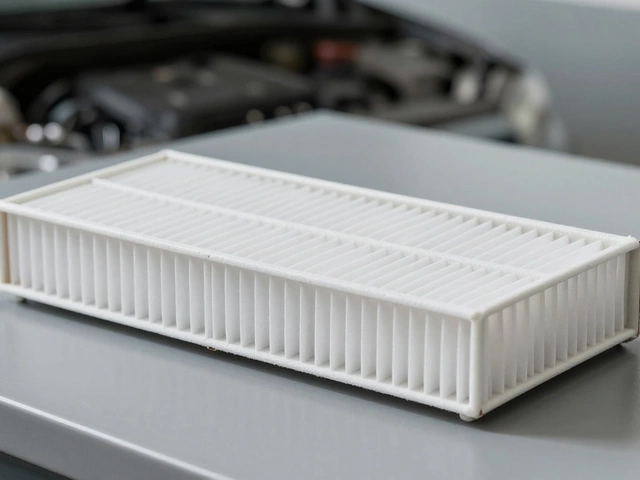
If you open the airbox of most economy cars, compact SUVs, and even many mid-size sedans, you’re going to find a panel filter. Also known as a "flat" filter, this is the most common design in the automotive world. It consists of a single layer of filter media-usually synthetic fibers or cotton gauze-compressed between two layers of cardboard or plastic support.
The beauty of the panel filter is its simplicity. It’s lightweight, takes up very little space, and is incredibly cheap to manufacture. For manufacturers, this means lower production costs passed on to you. For you, it means easy access during routine maintenance. You don’t need special tools; often, a few clips or screws hold the airbox cover in place, and you can swap the filter in under two minutes.
However, simplicity comes with trade-offs. Because it has only one layer of media, the surface area available to trap dirt is limited. This means panel filters have a shorter lifespan compared to their counterparts. In dusty environments or if you drive frequently on unpaved roads, a panel filter can clog quickly, restricting airflow to the engine. When airflow is restricted, your engine has to work harder to breathe, which can slightly reduce fuel efficiency and throttle response. Most panel filters are designed to be replaced every 12,000 to 15,000 miles, depending on driving conditions.
The Efficiency Upgrade: Pleated Air Filters
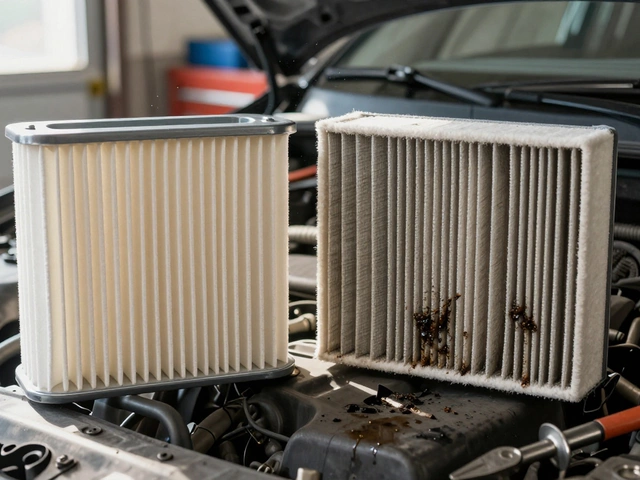
Now, imagine taking that same panel filter and folding it back and forth like an accordion. That’s exactly what a pleated air filter is. By adding these folds, manufacturers dramatically increase the surface area of the filter media without increasing the overall size of the filter housing. This is a crucial distinction because more surface area means better filtration and longer life.
Pleated filters are often found in vehicles where engine performance and longevity are prioritized over absolute minimum cost. Many luxury brands, trucks, and performance-oriented models come equipped with pleated filters from the factory. The extra surface area allows the filter to trap smaller particles more effectively without choking off airflow. Think of it like this: a panel filter is a narrow hallway, while a pleated filter is a wide-open room. Both get people from point A to point B, but the room handles much higher traffic without congestion.
The material used in pleated filters is also typically higher quality. You’ll often see multi-layered synthetic media or high-grade cotton gauze. These materials are engineered to repel moisture and resist tearing, which is important because a torn filter lets unfiltered air into the engine-a recipe for premature wear. Pleated filters generally last longer than panel filters, often surviving 20,000 to 30,000 miles before needing replacement. They are also easier to inspect; you can hold them up to the light to see how much light passes through, giving you a visual cue on when it’s time to change them.
| Feature | Panel Filter | Pleated Filter |
|---|---|---|
| Surface Area | Low (single layer) | High (folded/accordion) |
| Filtration Efficiency | Moderate (catches larger particles) | High (catches fine dust & debris) |
| Lifespan | 12,000 - 15,000 miles | 20,000 - 30,000 miles |
| Cost | $5 - $15 | $15 - $40 |
| Airflow Restriction | Higher (clogs faster) | Lower (maintains flow longer) |
The Performance Choice: Oiling (Oiled) Air Filters
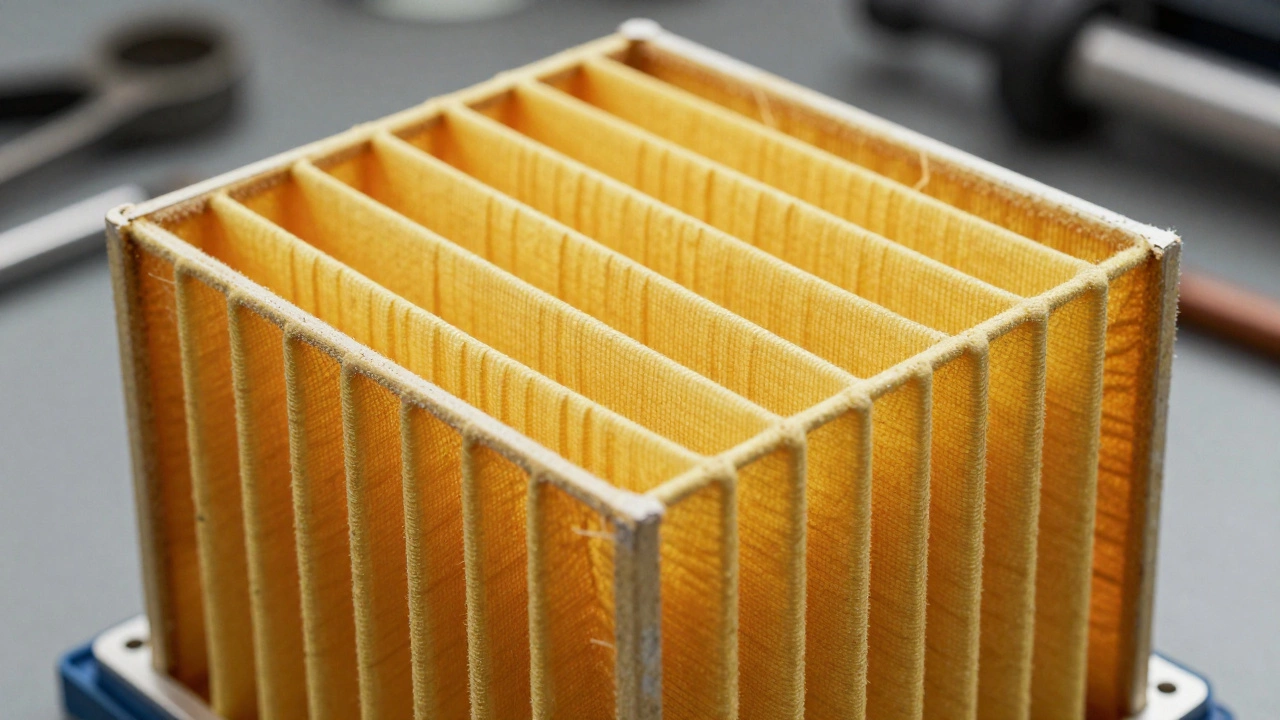
The third type is the oiled air filter, often referred to by brand names like K&N or generic terms like "performance" or "reusable" filters. Unlike panel and pleated filters, which are disposable, oiled filters are designed to be cleaned and reused multiple times. They use a specialized cotton gauze or synthetic mesh that is saturated with a lightweight, tacky oil.
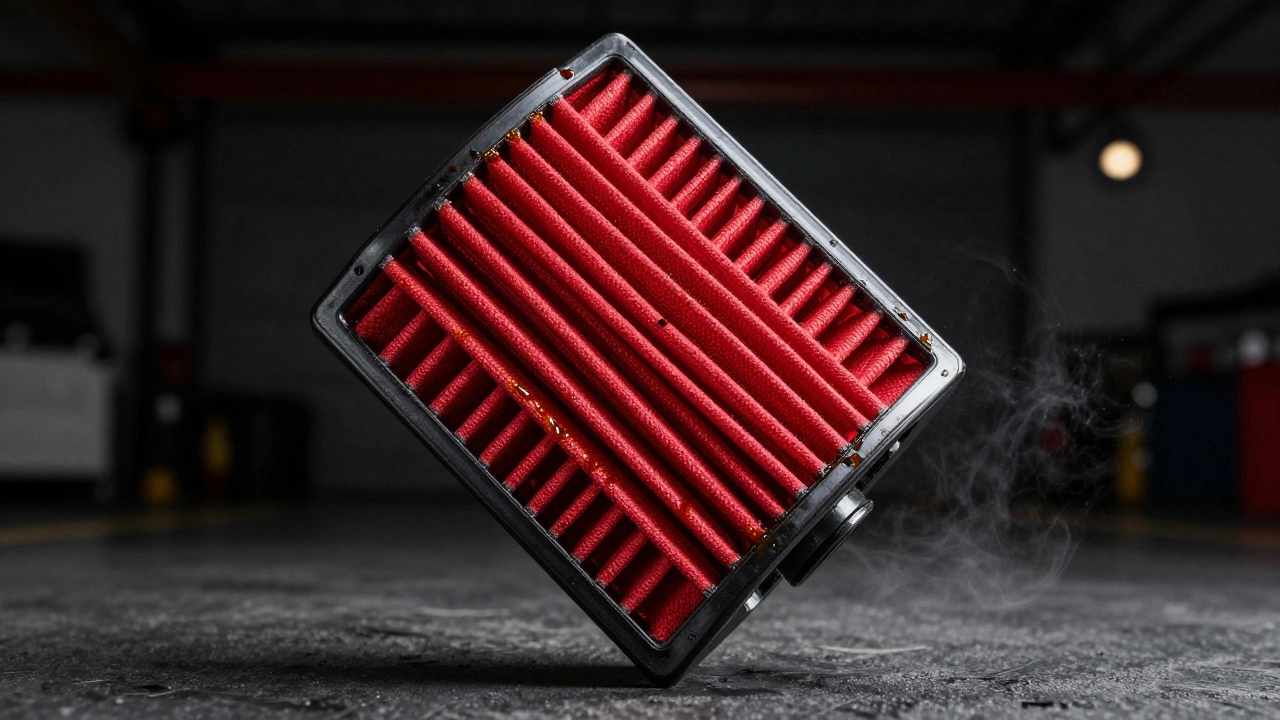
How does the oil work? The oil acts as a sticky trap for dirt particles. As air flows through the filter, dust and debris adhere to the oil-coated fibers rather than passing through to the engine. This method allows for a very high level of filtration while maintaining excellent airflow. Enthusiasts love oiled filters because they believe the increased airflow leads to better horsepower and torque. While the real-world gains in stock engines are often minimal (sometimes less than 1-2 horsepower), the psychological boost and the aesthetic appeal of a bright red filter are undeniable.
However, oiled filters come with significant caveats. First, they require maintenance. Every 60,000 to 100,000 miles, you need to clean the filter using a specific cleaning kit and re-oil it. If you skip this step, the filter becomes dry and ineffective. If you over-oil it, excess oil can fling off onto Mass Air Flow (MAF) sensors, causing erratic engine behavior, poor fuel economy, and check engine lights. Cleaning a MAF sensor is a pain no one wants to deal with.
Second, oiled filters are not always compatible with every vehicle. Some modern engines have extremely sensitive MAF sensors that react poorly to any trace of oil. Always check your owner’s manual or consult with a mechanic before switching to an oiled filter. Finally, they are significantly more expensive upfront, often costing $50 to $100, plus the cost of cleaning kits. For the average commuter who drives mostly on paved roads, the benefits rarely outweigh the hassle and cost.
Which Type Should You Choose?
Choosing the right filter isn’t about picking the "best" one universally; it’s about matching the filter to your driving habits and vehicle requirements. Here is a quick decision guide:
- Stick with Panel Filters if: You drive a standard commuter car, want the lowest upfront cost, and don’t mind replacing the filter every year or two. It’s a set-it-and-forget-it solution for low-mileage drivers.
- Upgrade to Pleated Filters if: You want better protection for your engine, drive in dusty areas, or simply want to extend the time between replacements. This is the sweet spot for most drivers seeking reliability and value.
- Consider Oiling Filters if: You are a performance enthusiast, track your car, or specifically want the potential marginal gain in airflow. Be prepared to maintain the filter properly and monitor your MAF sensor health.
Common Mistakes to Avoid
Even knowing the three types, many people make costly errors when handling air filters. One of the biggest mistakes is forcing a filter into the housing. Air filters must fit snugly but never require excessive force. If it doesn’t slide in easily, it’s the wrong size or shape. Forcing it can damage the seal, allowing unfiltered air to bypass the filter entirely.
Another error is washing a disposable filter. You cannot wash a panel or standard pleated filter. Water destroys the structural integrity of the paper or synthetic media, causing it to disintegrate inside the engine. Only oiled filters can be washed, and even then, only with approved cleaners.
Finally, ignore the "cleanable" claims on some budget filters. Unless it’s a genuine reusable oiled filter with a warranty, assume it’s disposable. Trying to vacuum out a clogged panel filter is a temporary fix that compromises filtration efficiency. Just replace it.
Can I use a panel filter in a car that requires a pleated filter?
Generally, no. The physical dimensions and mounting points are different. Even if it fits loosely, the airflow characteristics will be wrong, potentially causing engine issues. Always use the filter specified by your manufacturer.
Do oiled air filters really improve horsepower?
In stock vehicles, the improvement is negligible, often less than 1-2 horsepower. The benefit is more noticeable in modified engines with upgraded intake systems. For most daily drivers, the difference is imperceptible.
How often should I replace my air filter?
Check your owner’s manual, but a good rule of thumb is every 12,000 to 15,000 miles for panel filters and every 20,000 to 30,000 miles for pleated filters. If you drive in dusty conditions, check it more frequently.
What happens if I drive with a dirty air filter?
A dirty filter restricts airflow, causing the engine to run rich (too much fuel, not enough air). This reduces fuel economy, increases emissions, and can lead to rough idling or hesitation during acceleration.
Are cabin air filters the same as engine air filters?
No. Engine air filters protect the engine from dust. Cabin air filters protect you and your passengers by filtering the air coming through your HVAC system. They are located in different places and serve completely different functions.
Understanding these three types helps you make smarter decisions for your vehicle. Whether you prioritize cost, convenience, or performance, there’s a filter type that fits your needs. Don’t let the variety overwhelm you; stick to the specs, maintain regularly, and your engine will thank you.