Slipping Clutch Lifespan Estimator
Answer the questions below to estimate your remaining mileage and risk level. This tool uses data from typical mechanical wear patterns.
Estimated Status
--
--
You’re cruising down the highway, push the gas pedal harder to pass a truck, and the engine RPMs shoot up like a rocket while your speed barely changes. That sinking feeling in your stomach? That’s your clutch telling you it’s on its last legs. You know it needs replacing, but maybe you can’t get to a mechanic today, or maybe you’re saving up for the bill. The big question burning in your mind is simple: how long do I have before this thing completely quits?
The honest answer isn’t a specific number of miles. It’s more like a countdown timer that depends entirely on how you drive and what caused the slip in the first place. But don’t panic just yet. In many cases, a slipping clutch gives you a warning window-sometimes days, sometimes weeks-that allows you to plan the repair rather than being stranded on the shoulder of the road. Here is exactly what happens when a clutch starts to slip, how to gauge your remaining time, and when you absolutely must stop driving.
What Does a Slipping Clutch Actually Feel Like?
Before we talk about timelines, you need to be sure it’s actually the clutch. A slipping manual transmission has very distinct symptoms that separate it from a turbo lag or a fuel injection issue.
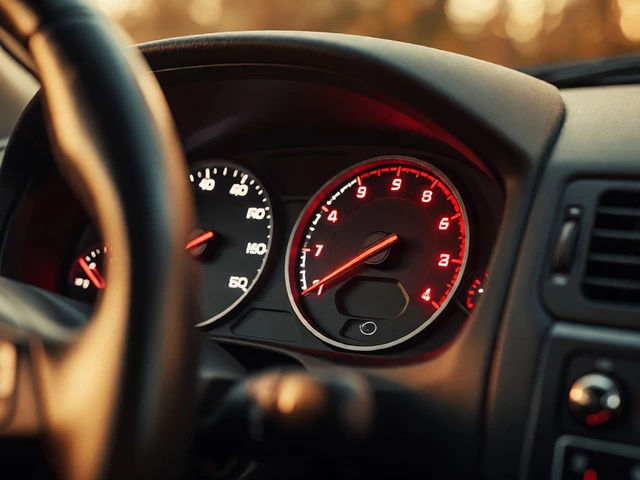
The classic sign is an RPM surge without acceleration. If you are in third gear at 40 mph and step on the gas, the tachometer needle should climb steadily as the car speeds up. If the needle jumps from 2,000 RPM to 3,500 RPM but the car feels like it’s trying to move through molasses, the friction disc isn’t grabbing the flywheel properly. Another telltale sign is a change in the bite point. If your clutch used to engage halfway up the pedal and now engages right at the top (or doesn’t engage until you’re nearly off the floor), the disc material is worn thin.
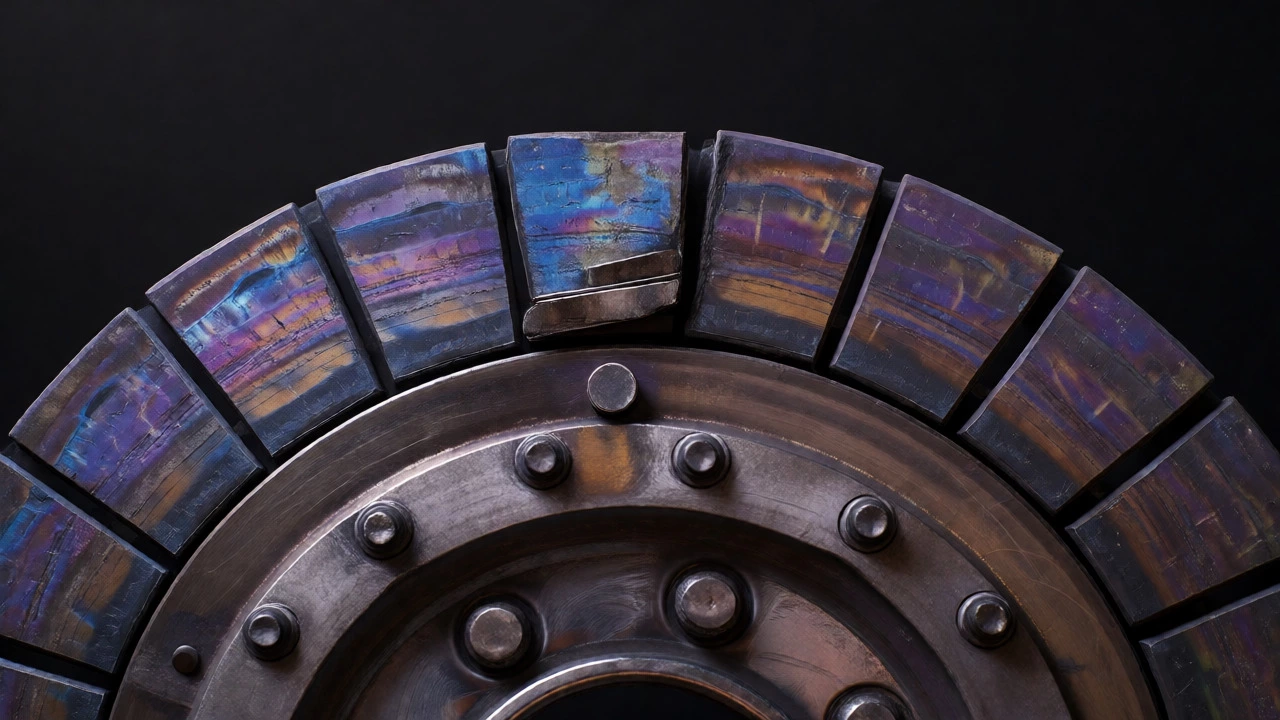
You might also smell something acrid, similar to burnt toast or overheated brakes. This happens because the friction material is generating excessive heat due to slippage instead of transferring power. If you smell that odor after a hill start or aggressive launch, your clutch life is measured in minutes, not months.
The Three Factors That Determine Your Remaining Drive Time
There is no universal "1,000 miles left" rule. The lifespan of a slipping clutch depends on three critical variables: the severity of the wear, your driving habits, and the root cause of the slip.
Severity of Wear
Is the clutch slipping only under heavy load, like going uphill or towing? Or does it slip every time you accelerate gently in city traffic? If it slips under load, you likely have 5-10% of the friction material left. If it slips during gentle acceleration, you might have less than 2% left. The latter means you could fail within 50-100 miles if you hit a steep grade.
Driving Habits
This is the biggest variable you control. Aggressive driving kills a dying clutch fast. Rapid launches, high-RPM shifts, and riding the clutch at red lights generate massive heat. Heat is the enemy of clutch plates; once they overheat, the metal warps, and the damage becomes catastrophic. If you drive gently, keeping RPMs low and avoiding sudden torque spikes, you can stretch the life of a bad clutch significantly.
Root Cause
Not all slips are created equal. Sometimes the clutch disc is worn out (normal wear). Other times, the problem is hydraulic. If your master or slave cylinder is leaking fluid, the clutch won’t fully disengage or engage, causing slip that looks like wear but might be fixable with a cheaper repair. However, if the pressure plate diaphragm spring is broken, there is no driving around it-the failure will be immediate and total.
Can You Drive With a Slipping Clutch?
Yes, but you need to treat your car like it has a terminal illness. Every mile you drive is a gamble. The goal is to minimize stress on the drivetrain until you can replace the clutch kit.
Here are the rules for surviving with a slipping clutch:
- Avoid High Torque Situations: No towing, no hauling heavy loads, and avoid steep hills whenever possible. Gravity and weight are your enemies right now.
- Keep Revs Low: Shift early. If you normally shift at 3,000 RPM, shift at 2,000 RPM. Lower RPMs mean less rotational force trying to break through the slipping interface.
- No Aggressive Launches: Ease onto the throttle. Do not try to beat anyone to the green light. Smooth inputs reduce heat buildup.
- Stop Riding the Clutch: When stopped at a light, put the car in neutral. Keeping the clutch depressed while idling puts constant pressure on the throw-out bearing and release mechanism, which are already stressed.
- Monitor Temperature: If you have a temperature gauge, watch it closely. If the engine temp spikes unexpectedly, it might be related to the increased load and heat generation from the slipping components.
Estimating the Timeline: From Days to Weeks
Let’s look at realistic scenarios based on common vehicle types and usage patterns. These estimates assume you are driving moderately and not pushing the car hard.
| Slip Severity | Symptoms | Estimated Miles Left | Risk Level |
|---|---|---|---|
| Mild | Only slips under heavy load (towing/uphill); normal acceleration feels fine. | 500 - 1,500 miles | Low/Medium |
| Moderate | Noticeable RPM flare during hard acceleration; slight delay in engagement. | 100 - 500 miles | Medium/High |
| Severe | Slips during gentle city driving; strong burnt smell; bite point at the very top. | 0 - 100 miles | Critical |
These numbers aren't guarantees. They are averages derived from thousands of repair jobs. A mild slip on a daily commuter who drives 10 miles roundtrip might last two weeks. The same mild slip on a delivery van making twenty stops a day might fail in two days. Frequency of use matters as much as distance.
When to Stop Driving Immediately
There comes a point where continuing to drive risks damaging other expensive parts. If you ignore a slipping clutch too long, you risk scoring the flywheel. A scored flywheel requires resurfacing or replacement, adding $100-$300 to your repair bill. Worse, if the clutch disc shatters, fragments can jam the transmission input shaft, potentially destroying the gearbox itself.
Stop driving immediately if you experience any of these:
- Total Loss of Power: You press the gas, RPMs go to redline, and the car doesn’t move at all. This means the friction material is gone.
- Grinding Noises: If you hear metal-on-metal grinding when engaging the clutch, the rivets holding the friction disc may be exposed and cutting into the flywheel.
- Inability to Shift Gears: If the clutch won’t disengage properly (dragging), you won’t be able to get into gear without forcing it. Forcing gears breaks synchronizers.
- Visible Smoke: Thick white or blue smoke from under the hood indicates severe overheating of the clutch assembly.
The Cost of Waiting vs. Replacing Now
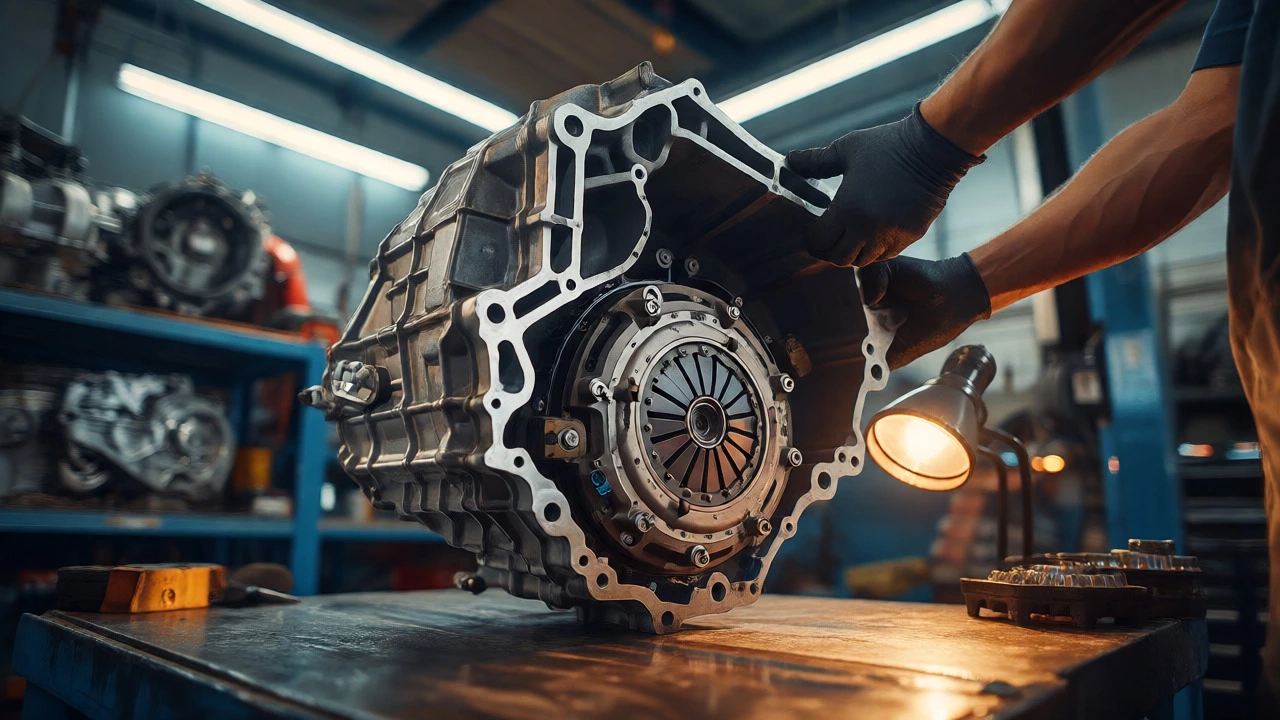
Replacing a clutch is labor-intensive. It usually requires removing the transmission, which takes 6-10 hours of work depending on the vehicle. The part itself (the clutch kit) typically costs between $150 and $400 for standard passenger cars. Performance kits can run higher.
If you wait until the clutch fails completely, you might need a tow truck ($75-$150). If the flywheel is damaged, add another $150-$300 for parts and machining. If the transmission is damaged by debris, you’re looking at thousands. By replacing the clutch as soon as it starts slipping noticeably, you save money on potential collateral damage and avoid the inconvenience of a breakdown.
Also, consider the value of your time. If you drive 15,000 miles a year, a clutch lasting another 500 miles buys you less than two weeks of normal use. Is it worth the stress of wondering if it will die on the way to work tomorrow? Usually, scheduling the repair within a week of noticing consistent slip is the smartest financial move.
Pro Tips for Extending the Life of Your New Clutch
Once you get that new friction disc installed, you want it to last. Most premature failures are caused by driver error, not manufacturing defects.
- Break-in Period: Treat the first 500 miles gently. Avoid high-torque launches. This allows the friction material to bed in evenly against the flywheel and pressure plate.
- Use Neutral at Lights: Don’t hold the clutch down for more than 10 seconds. Put it in neutral and let the system rest.
- Don’t Rest Your Foot: Keep your foot off the clutch pedal when not shifting. Even slight pressure can cause micro-slippage and heat buildup.
- Check Hydraulic Fluid: Bleed the hydraulic system properly during installation. Air bubbles in the line cause inconsistent engagement and premature wear.
Frequently Asked Questions
Can a slipping clutch repair itself?
No, a mechanical wear component like a clutch disc cannot regenerate its friction material. Once the material wears down below the optimal thickness, it will continue to slip until replaced. Occasionally, cleaning oil contamination from the disc might temporarily improve grip, but the underlying wear remains.
How many miles does a healthy clutch last?
A typical street car clutch lasts between 50,000 and 100,000 miles. Heavy-duty trucks or performance cars driven aggressively might see 30,000 to 50,000 miles. Commercial vehicles often exceed 150,000 miles with careful driving.
Is it safe to drive a slipping clutch home?
If the slip is mild and the car still accelerates reasonably well, yes. Drive slowly, keep revs low, and avoid hills. If the car struggles to maintain speed in lower gears or smells burnt, call a tow truck to prevent further damage.
Why does my clutch slip only when hot?
This is often a sign of warped components or hydraulic issues. As the metal heats up, it expands. If the flywheel or pressure plate is slightly warped, the gap increases when hot, reducing clamping force. It can also indicate that the hydraulic fluid is boiling or expanding, reducing pedal travel effectiveness.
Does using synthetic motor oil help a slipping clutch?
No. Motor oil lubricates the engine internals, not the clutch friction surface. Unless oil has leaked from the rear main seal onto the clutch disc, changing oil types won't fix slipping. If oil contamination is the cause, the clutch must be replaced along with the seal.