Windshield Wiper Lifespan Calculator
Don't wait for failure.
Replace proactively before storms to ensure maximum visibility.
-- Months
Replacement due by: --
Why this estimate?
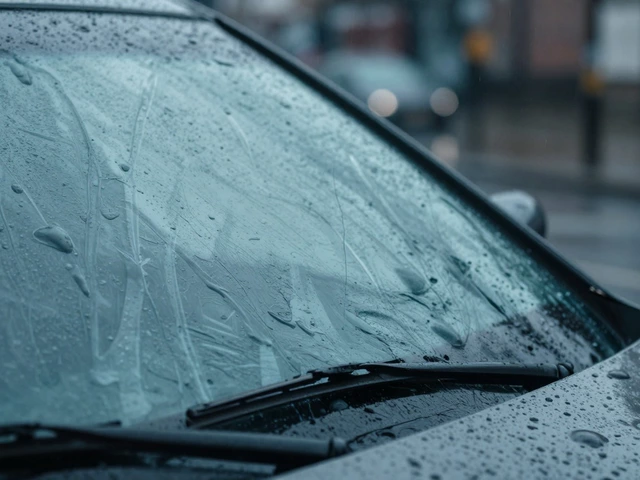
It’s raining sideways in Manchester, your visibility is zero, and suddenly you hear that familiar *chatter-squeak-scrape* sound. Your windshield wipers are failing you at the worst possible moment. You might think they’re just rubber bands on a stick, but they are critical safety components that take a beating from UV rays, extreme temperatures, and road debris every single day.
The short answer? Most windshield wipers last between six and twelve months. However, if you live somewhere with harsh winters or scorching summers, that number drops significantly. Ignoring worn blades doesn’t just annoy you; it compromises your ability to see clearly during emergencies. Let’s break down exactly how long they should last, why they fail prematurely, and how you can squeeze every last mile out of them before replacing them.
The Average Lifespan Breakdown
There isn’t one universal expiration date for wiper blades because several factors influence their durability. Generally, manufacturers design these parts to handle about 10,000 to 15,000 wipes per cycle. If you drive daily in an area with frequent rain or snow, you hit that limit faster than someone who only drives on sunny days.
| Wiper Type | Average Lifespan | Best For |
|---|---|---|
| Conventional Frame Blades | 6-9 Months | Budget-conscious drivers; standard climates |
| Beam (Flat) Blades | 12-18 Months | Harsh weather; consistent pressure distribution |
| Hybrid Blades | 9-12 Months | Mixed conditions; balance of cost and performance |
Beam blades, also known as flat or frameless blades, tend to outlast traditional framed designs. This is because they use a single piece of flexible metal or plastic to apply even pressure across the entire blade. Traditional frames have multiple joints and springs that can corrode, freeze, or bend over time, leading to uneven wiping. If you want longevity, beam blades are usually the smarter investment despite the slightly higher upfront cost.
Environmental Factors That Shorten Wiper Life
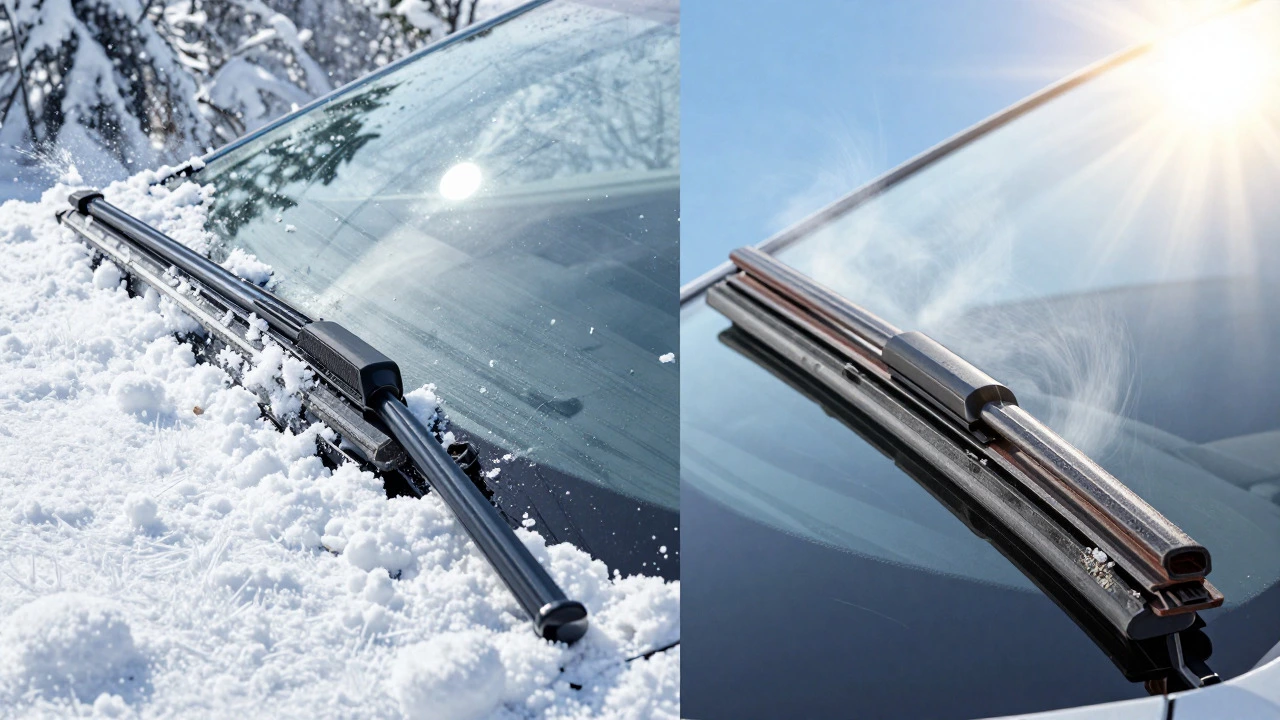
Your local climate plays a massive role in how quickly your wipers degrade. Rubber is sensitive to both heat and cold. In hot climates, direct sunlight accelerates oxidation, causing the rubber to harden, crack, and lose its flexibility. A blade left baking on a dashboard-facing windshield in July will dry out much faster than one kept in shade.
In colder regions like the UK, North America, or Northern Europe, ice and snow are the enemies. Freezing temperatures make rubber brittle. If you try to force frozen wipers up against the glass, you risk tearing the rubber edge or breaking the internal spring mechanism. Salt used on roads also accelerates corrosion on the metal arms and joints. If you park outside year-round, expect to replace your blades closer to the six-month mark rather than twelve.
Signs It’s Time to Replace Your Wipers
You don’t need a calendar to tell you when to swap out your wipers. Your car will give you clear visual and auditory cues. Here are the most common indicators that your blades are past their prime:
- Streaking: If you see thin lines of water remaining after a wipe, the rubber edge is likely uneven or hardened. This reduces visibility significantly during heavy rain.
- Chattering or Skipping: If the blade jumps across the glass instead of gliding smoothly, the tension spring may be weak, or the rubber has lost its grip due to contamination or wear.
- Squeaking: A high-pitched noise usually means the rubber is drying out or there is dirt trapped between the blade and the glass.
- Visible Cracks or Tears: Inspect the rubber edge closely. If you see splits, chunks missing, or severe curling, replace them immediately. These imperfections create gaps that let water through.
- Bent Arms: Check the metal arm itself. If it’s bent or loose, it won’t apply enough pressure to keep the blade against the curved windshield.
If you notice any of these issues, don’t wait. Poor visibility is a leading cause of accidents in bad weather. Replacing wipers costs less than a tow truck call.
How to Extend the Life of Your Wiper Blades
You can double the lifespan of your wipers with simple maintenance habits. Most people treat wipers as disposable items without realizing that proper care makes a huge difference.
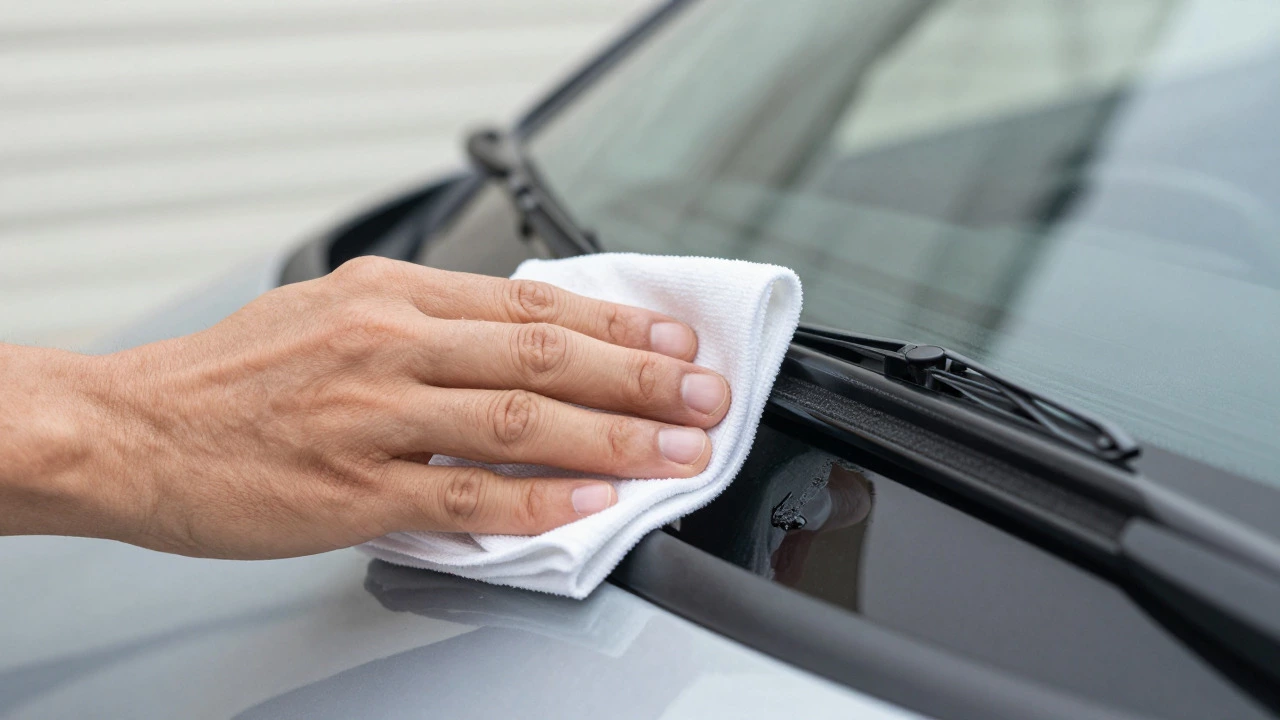
Clean them regularly. Road grime, tree sap, bug splatter, and industrial fallout coat the rubber edges. Once a month, lift the wiper arm and wipe the rubber blade with a cloth dampened with water and mild soap or rubbing alcohol. This removes contaminants that cause streaking and premature wear.
Don’t use them dry. Always activate the washer fluid before turning on the wipers if the windshield is dirty. Dragging dry, gritty dust across the glass acts like sandpaper on the rubber, wearing it down rapidly.
Lift them in winter. Before a snowstorm or freezing rain event, lift the wiper arms away from the glass. This prevents them from freezing solid to the windshield, which protects both the rubber and the motor. Just remember to lower them before driving!
Park in the shade or garage. UV radiation is the number one killer of rubber. If you can’t park indoors, consider using a windshield cover in summer to block direct sunlight.
Choosing the Right Replacement Wipers
When it’s time to buy new ones, don’t just grab the cheapest option off the shelf. The fit matters more than the brand name. An ill-fitting blade will chatter and skip regardless of quality.
Check your vehicle’s owner manual for the correct size (measured in inches) and connector type. Common connectors include J-hook, side-pin, and bayonet styles. Using an adapter can work, but direct-fit blades offer better stability and longevity. Beam blades are generally recommended for modern vehicles with curved windshields because they conform better to the glass shape.
Also, consider the material. Natural rubber was the standard for decades, but many modern blades use synthetic polymers or silicone. Silicone blades resist heat and chemicals better than natural rubber and often last longer, though they can be noisier on very dirty glass. For most drivers, high-quality synthetic rubber offers the best balance of price, silence, and durability.
Installation Tips for Best Performance
Installing wiper blades is straightforward, but doing it wrong leads to poor performance. First, protect your windshield with a towel or soft rag under the arm so it doesn’t snap back and crack the glass. Second, ensure the old blade is completely removed before attaching the new one. Force is rarely needed; if it doesn’t slide on easily, check the orientation of the clip or hook.
After installation, run the wipers on a wet surface once to seat the rubber evenly. If you notice slight squeaking initially, clean the blade again with alcohol to remove any manufacturing oils. Proper installation ensures the full lifespan of the product is realized.
Do front and rear wiper blades wear out at the same rate?
Usually not. Rear wipers are used less frequently unless you have a hatchback or SUV where rear visibility is critical. They also face less direct UV exposure depending on your parking angle. However, rear blades often suffer from dirt buildup from the trunk or cargo area. Check them every six months, but they typically last longer than front blades.
Can I replace just the rubber insert instead of the whole blade?
Yes, for conventional framed blades, you can buy replacement rubber inserts (often called refills). This is cheaper and eco-friendly. However, beam blades require replacing the entire unit because the structure is integrated. Refills are a good option if your frame is still sturdy and straight.
Why do my wipers leave a semi-circle of unwiped glass?
This is usually caused by a contaminated or warped blade edge. Dirt, oil, or wax buildup on the rubber creates a barrier. Clean the blade thoroughly with alcohol. If cleaning doesn’t fix it, the rubber edge may be curled or damaged, requiring replacement. Sometimes, the wiper arm tension is too low, causing the blade to lift slightly in the center.
Should I replace wipers proactively or wait until they fail?
Proactive replacement is safer. Wait until you see early signs like minor streaking or slight chattering. Don’t wait for total failure during a storm. Many experts recommend changing them twice a year-once in spring and once in fall-to prepare for seasonal weather changes.
Does wiper fluid affect the lifespan of the blades?
Yes, indirectly. High-quality washer fluid contains lubricants that help the rubber glide smoothly. Cheap fluids or plain water can leave mineral deposits or lack lubrication, increasing friction and wear. Avoid using household detergents as they can degrade rubber over time.