Alloy Rim Cost-Benefit Calculator
Your Driving Profile
When you’re looking to upgrade your car’s look or performance, alloy rims often pop up as the go-to choice. But are they actually good? Or is all the hype just about how they look in a showroom? The answer isn’t simple-it depends on what you care about: weight, cost, durability, or style. Let’s cut through the noise and break down what alloy rims really do for your car, based on real-world use, not marketing brochures.
What Are Alloy Rims Anyway?
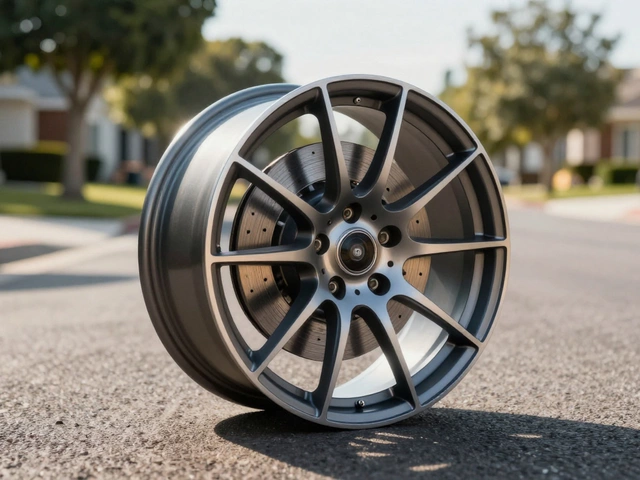
Alloy rims are wheels made from a mix of metals, usually aluminum and small amounts of magnesium or nickel. Unlike steel wheels-which are stamped from thick sheets of steel-alloy wheels are cast or forged into shape. This gives them a lighter, more intricate design that’s both stronger and more visually appealing. They’re not just for show; the material itself changes how your car behaves on the road.
Most factory cars come with steel wheels because they’re cheap and tough. But if you’ve ever seen a car with sleek, multi-spoke rims, chances are those are alloys. They became popular in the 90s and now dominate the market for anything above a basic economy model. Even budget cars today often come with alloy options.
Why People Love Alloy Rims
Let’s start with the positives. The biggest win with alloy rims is weight. They’re typically 30% lighter than steel wheels of the same size. That might not sound like much, but every pound you take off the wheel reduces unsprung weight. That means better handling, quicker braking, and a smoother ride. Think of it like wearing running shoes instead of boots-your legs tire less, and you move more efficiently.
Lighter wheels also help with fuel efficiency. A study from the Society of Automotive Engineers found that swapping steel wheels for alloys on a mid-size sedan improved fuel economy by 1.5% to 2.5%. That’s not huge, but over 12,000 miles a year, it adds up to roughly 15-20 extra miles per tank.
Then there’s heat dissipation. Aluminum conducts heat better than steel. That means your brakes stay cooler during hard driving or long descents. This isn’t just about comfort-it’s safety. Overheated brakes fade, and that’s when accidents happen. Alloy wheels help keep brake temps in check, especially if you drive aggressively or live in hilly areas.
And yes, they look better. There’s no denying it. The polished, machined, or painted finishes on alloys make your car look more expensive, even if it’s a 10-year-old hatchback. People notice. And if you care about resale value or just enjoy driving a car that turns heads, that matters.
The Downsides Nobody Talks About
But alloys aren’t perfect. The biggest issue? Cost. A single alloy wheel can cost 2 to 4 times more than a steel one. If you hit a pothole hard and crack a rim, replacing it isn’t just an inconvenience-it’s a financial hit. Steel wheels? You can pick up a replacement for under £50. Alloys? You’re looking at £150 to £400 each.
They’re also more brittle. Aluminum doesn’t bend like steel-it cracks. That means a sharp impact from a curb or a deep pothole is more likely to leave a permanent scar. You’ll see it in the form of cracks, bends, or even air leaks. And because they’re often thinner for weight savings, they’re more prone to damage.
Then there’s maintenance. Alloys show every scratch, chip, and curb rash. If you live in a city with rough roads or drive in winter conditions with salt and grime, you’ll be cleaning and refinishing them more often. Steel wheels? You can scrape them, paint them, and they still look fine. Alloys need care.
Some people also claim alloys are noisier. That’s not because of the material itself-it’s because they’re often paired with lower-profile tires to enhance looks. Lower profile means less rubber between the rim and the road, which translates to more road noise and a harsher ride. If you’re buying alloys just for looks, make sure you’re not sacrificing comfort.
Alloy vs Steel: A Quick Comparison
| Feature | Alloy Rims | Steel Rims |
|---|---|---|
| Weight | Lighter (30% reduction) | Heavier |
| Heat Dissipation | Excellent | Poor |
| Strength | Strong but brittle | Durable, bends before breaking |
| Cost (per wheel) | £150-£400 | £30-£80 |
| Repairability | Hard to fix; often replaced | Easily bent back into shape |
| Aesthetics | High-end, customizable | Basic, often hidden by hubcaps |
| Winter Suitability | Prone to corrosion from salt | More resistant |
Who Should Skip Alloy Rims?
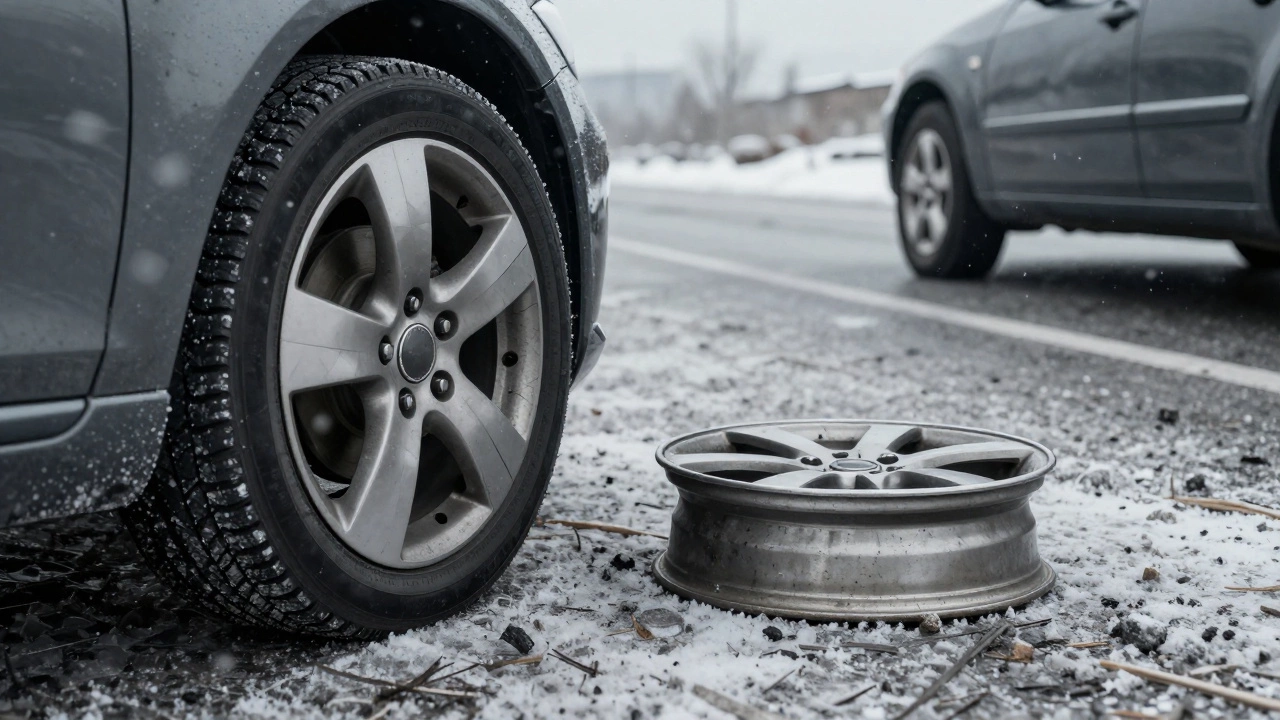
If you’re on a tight budget, live in an area with bad roads, or drive in snowy, salty conditions, steel wheels might be smarter. I’ve seen too many alloy owners in Manchester spend £800+ replacing cracked rims after one winter. Salt eats away at the finish, and once the protective coating is gone, corrosion sets in fast.
Same goes if you drive a work vehicle, a family hauler, or a car you plan to keep for 15 years. Alloys look great, but they’re not built for punishment. If you’re hauling kids, dogs, or gear every day, the risk of damage just isn’t worth it.

Who Benefits Most From Alloys?
If you drive a sports car, enjoy weekend drives on open roads, or care about fuel economy and handling, alloys are a no-brainer. They’re especially useful if you live in a place with good roads and mild weather. The weight savings improve acceleration and cornering. The heat dissipation keeps your brakes working better. And if you like the way your car looks, that’s a legitimate reason.
Also, if you’re upgrading from factory steel wheels, the difference is real. Even a basic set of 16-inch alloys can make an older car feel more modern and responsive. I’ve seen a 2015 Ford Focus with alloys handle like a completely different car-because the suspension wasn’t fighting extra weight anymore.
What About Forged vs Cast Alloys?
Not all alloys are created equal. There are two main types: cast and forged. Cast alloys are made by pouring molten metal into a mold. They’re cheaper, common, and perfectly fine for daily driving. Forged alloys are made by squeezing solid metal under extreme pressure. They’re lighter, stronger, and more expensive-used in performance cars or racing.
For most people, cast alloys are enough. Forged? Only if you’re doing track days or want the absolute best performance. The price difference is huge: a set of forged alloys can cost £2,000+. Unless you’re racing, it’s overkill.
Final Verdict: Are Alloy Rims Good?
Yes-if you understand the trade-offs. They’re better for performance, efficiency, and looks. But they’re more expensive to replace, harder to repair, and less forgiving on rough roads.
Don’t buy them just because they’re shiny. Buy them because they match your driving style. If you’re a daily commuter on cracked pavement, stick with steel. If you’re someone who enjoys driving and wants to shave off weight for better handling, alloys are a smart upgrade.
And if you do go with alloys? Get a set of winter wheels. Keep your alloys for summer, and swap to cheaper steel wheels with winter tires when the snow hits. That way, you protect your investment and save money in the long run.
Are alloy rims worth the extra cost?
It depends on your priorities. If you care about handling, fuel efficiency, and looks, then yes. But if you’re on a tight budget, drive in rough conditions, or plan to keep your car for over 10 years, the cost of replacing damaged rims may outweigh the benefits. For most drivers, the upgrade makes sense if you drive on good roads and value performance.
Do alloy rims rust?
They don’t rust like steel, but they can corrode. Aluminum alloys form a thin oxide layer that protects them, but salt from winter roads can eat through the finish and cause pitting or flaking. Once the protective coating is damaged, corrosion spreads. That’s why many owners in snowy climates use steel winter wheels to protect their alloys.
Can you repair a cracked alloy rim?
Sometimes, but it’s not always reliable. Minor bends can be fixed by specialists using heat and pressure, but cracks usually mean replacement. Welding a crack can temporarily fix it, but the metal’s integrity is compromised. Most shops recommend replacement for safety, especially if the crack is near the spoke or bead seat.
Do alloy rims improve fuel economy?
Yes, slightly. Lighter wheels reduce rotational mass, which helps the engine work less to accelerate and maintain speed. Studies show fuel savings of 1.5% to 2.5% on average. That’s about 1 to 2 extra miles per gallon over time. It’s not massive, but it adds up, especially if you drive a lot.
Are alloy rims better for winter?
No. Salt and grit in winter conditions accelerate corrosion on alloys. Many drivers switch to cheaper steel wheels with winter tires to avoid damage and save money. Steel wheels are also easier to clean and repair after winter. Keeping alloys for summer and using steel in winter is the smartest approach.
How long do alloy rims last?
With proper care, alloy rims can last the life of the car-10 to 15 years or more. But damage from curbs, potholes, or road salt can shorten that lifespan. Regular cleaning, avoiding harsh cleaners, and using wheel protectants can extend their life. If you drive carefully and maintain them, they’ll outlast most tires.