Rotors: What They Are, How They Wear, and When to Replace Them
When your car slows down, it’s not just the brake pads doing the work—it’s the rotors, flat metal discs that the brake pads clamp down on to stop your vehicle. Also known as brake discs, they’re a core part of your braking system and one of the most overlooked components in routine maintenance. Every time you hit the brake, friction between the pads and rotors turns your speed into heat. Over time, that heat and wear change the rotor’s surface. Thin, cracked, or warped rotors don’t stop you as well—and they can make your steering wheel shake or your brakes squeal.
Rotors don’t last forever, and they rarely fail suddenly. Most wear out between 30,000 and 70,000 miles, but that depends on your driving style, climate, and whether you’ve been replacing brake pads on time. If you’ve been ignoring squeaky brakes or noticed your car takes longer to stop, you’re not just dealing with worn pads—you might be riding on damaged rotors. A warped rotor can cause uneven braking, increased stopping distance, and even damage to your calipers or brake lines. And if you wait too long, replacing just the pads won’t fix the problem. You’ll end up paying twice as much for a full brake job.
It’s not just about safety—it’s about money. A rotor that’s worn thin or scored deep can’t be resurfaced anymore. Once it’s below the manufacturer’s minimum thickness, it has to go. And if you drive in wet or salty conditions, rust can eat into the surface faster than you think. You don’t need a garage to spot early signs: check for visible grooves, a bluish tint (from overheating), or if your brake pedal feels spongy or vibrates when you stop.
What you’ll find below isn’t just theory. These are real stories from drivers who ignored the warning signs, mechanics who’ve seen the damage, and guides that show you exactly how to check your rotors without lifting a single tool. From how to measure rotor thickness at home to why some shops push replacements too early, you’ll get the straight facts—no fluff, no upsells.
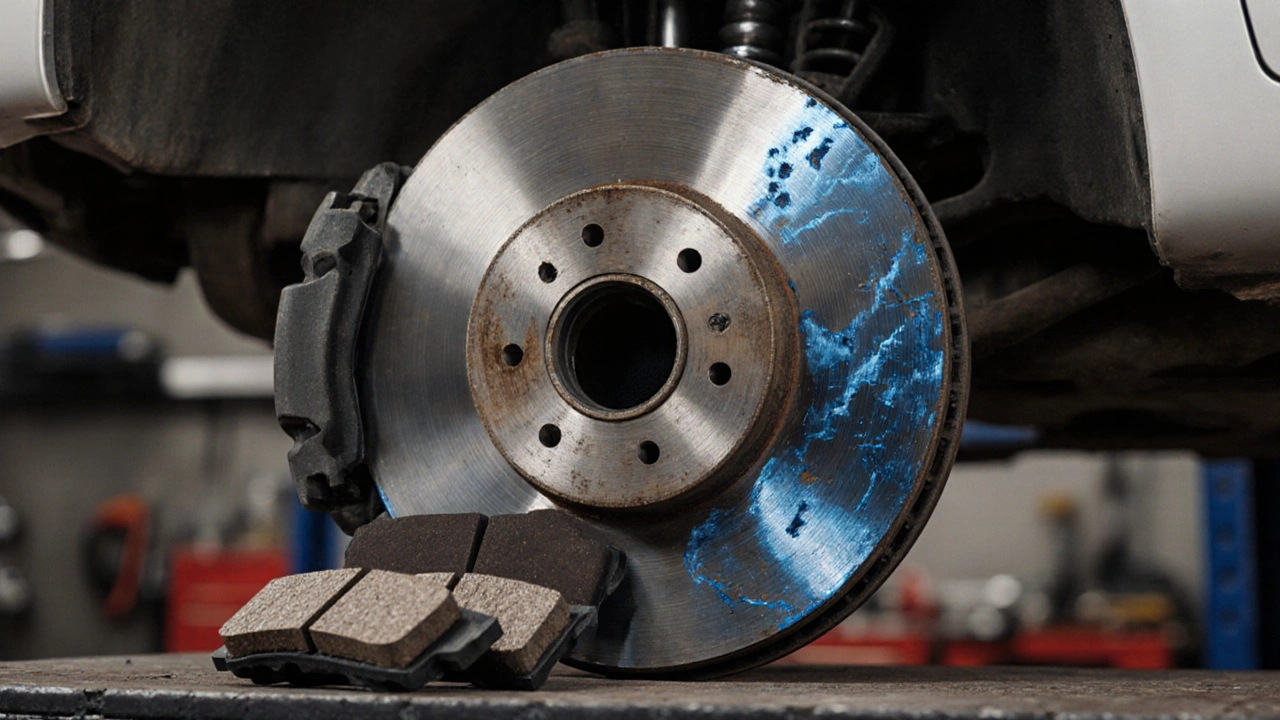
Do I Need New Rotors or Just Brake Pads? A Clear Guide for UK Drivers
Learn when to replace just brake pads versus when you need new rotors too. Avoid costly mistakes and unsafe braking with clear, practical advice for UK drivers.
November 10 2025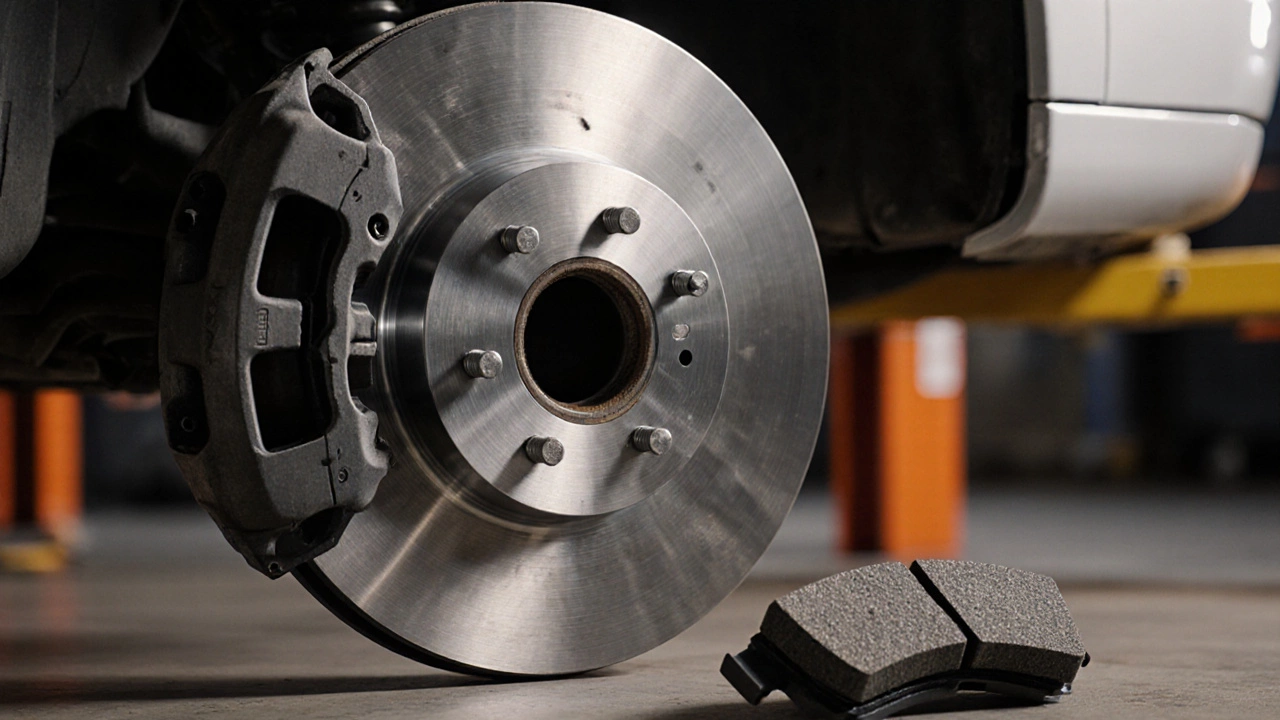
Can You Replace Brake Pads Without Changing Discs? Expert Guide
Learn when you can replace brake pads without changing the discs, how to inspect rotors, cost differences, DIY steps, and signs that discs need replacement.
October 24 2025
Brake Pads or Rotors Bad? Spot the Telltale Signs Fast
Unsure whether it's your brake pads or rotors acting up? This guide breaks down the obvious and not-so-obvious signs that something's wrong with your brakes. Learn what sounds, sights, and feelings to pay attention to before things get dangerous. Get real-world tips for checking your brakes without a mechanic. Take control of your ride’s safety and avoid getting ripped off at the shop.
May 10 2025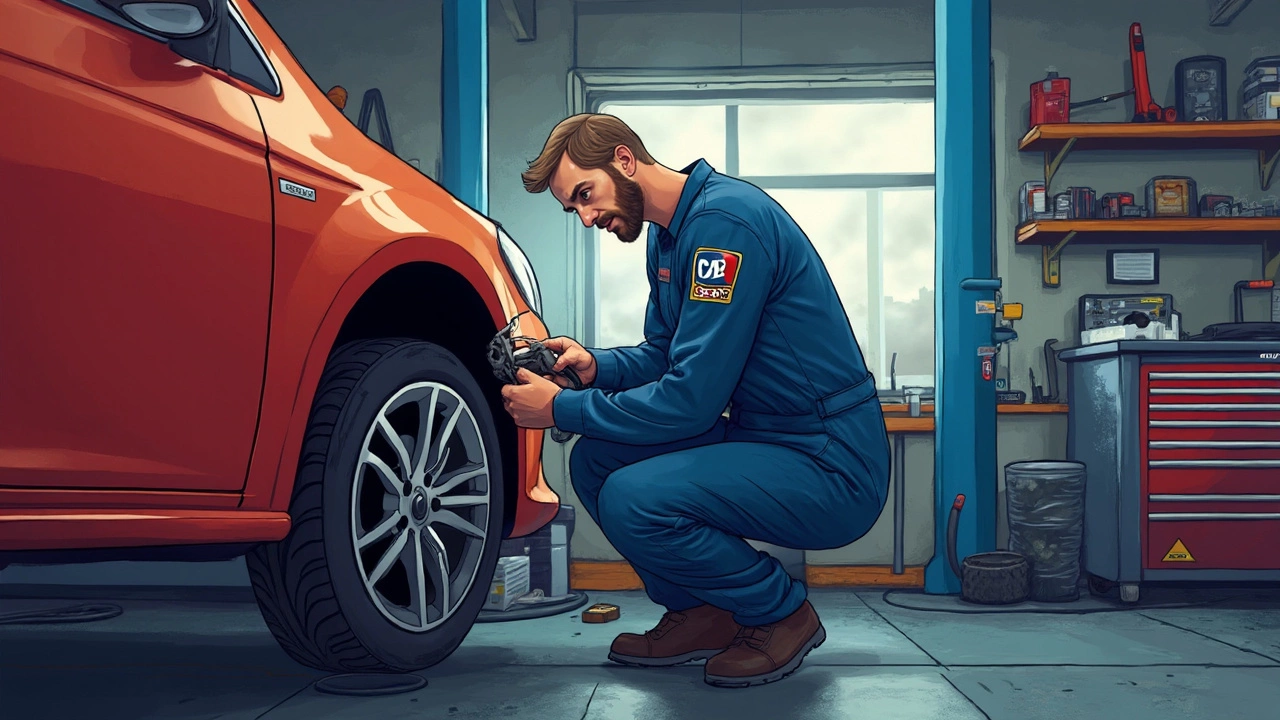
Brake Pad and Rotor Replacement Cost: What to Expect
Replacing brake pads and rotors is a crucial aspect of car maintenance that can influence your vehicle's performance and safety. The costs for this service vary depending on several factors including car model, type of parts used, and service provider. Understanding these elements can help plan your budget effectively and ensure you're not overspending. In this article, explore common price ranges, DIY tips, and what to consider when choosing a mechanic.
March 14 2025