Brake Replacement: Signs, Costs, and What You Need to Know
When your brake replacement, the process of inspecting, repairing, or swapping out worn components in a vehicle’s stopping system. Also known as brake service, it’s one of the most critical maintenance tasks for safety on UK roads. Ignoring worn brakes doesn’t just mean slower stops—it means risking your life and others’. Many drivers wait until they hear squealing or feel the pedal sink, but by then, damage is already done. The truth? Brake pads wear down slowly, and the signs are subtle until it’s too late.
Your brake pads, the friction material that clamps down on the rotor to slow or stop the vehicle typically last between 25,000 and 70,000 miles, but that depends on how you drive. City driving with constant stops wears them faster than highway cruising. And it’s not just the pads—your brake system, the full set of components including rotors, calipers, fluid lines, and sensors that work together to stop the car is a chain. A worn rotor can ruin new pads in weeks. A leaky caliper can turn a simple brake replacement into a £500 repair. You don’t need to be a mechanic to spot trouble: listen for high-pitched squeals, feel for vibrations when braking, or watch for the brake warning light. These aren’t myths—they’re red flags.
Brake noise isn’t always bad—some light grinding after rain is normal—but consistent screeching, grinding, or clicking means something’s wrong. A spongy pedal? That’s air in the lines or low fluid. Pulling to one side? Uneven wear or a stuck caliper. These aren’t "maybe" problems. They’re urgent. And replacing brakes isn’t just about buying new pads. You often need to check the rotors, flush the brake fluid, and inspect the hardware. Skipping these steps leads to uneven wear, reduced stopping power, and higher costs later.
What you’ll find below isn’t theory. It’s real-world advice from drivers who ignored the signs—and those who caught them early. From how to check brake pad thickness without lifting the car, to why some shops push unnecessary upgrades, to what noise actually means when you press the pedal—this collection cuts through the noise. You’ll learn what’s worth doing yourself, when to walk into a garage, and how to avoid being overcharged. No jargon. No fluff. Just what you need to keep your brakes working and your family safe.
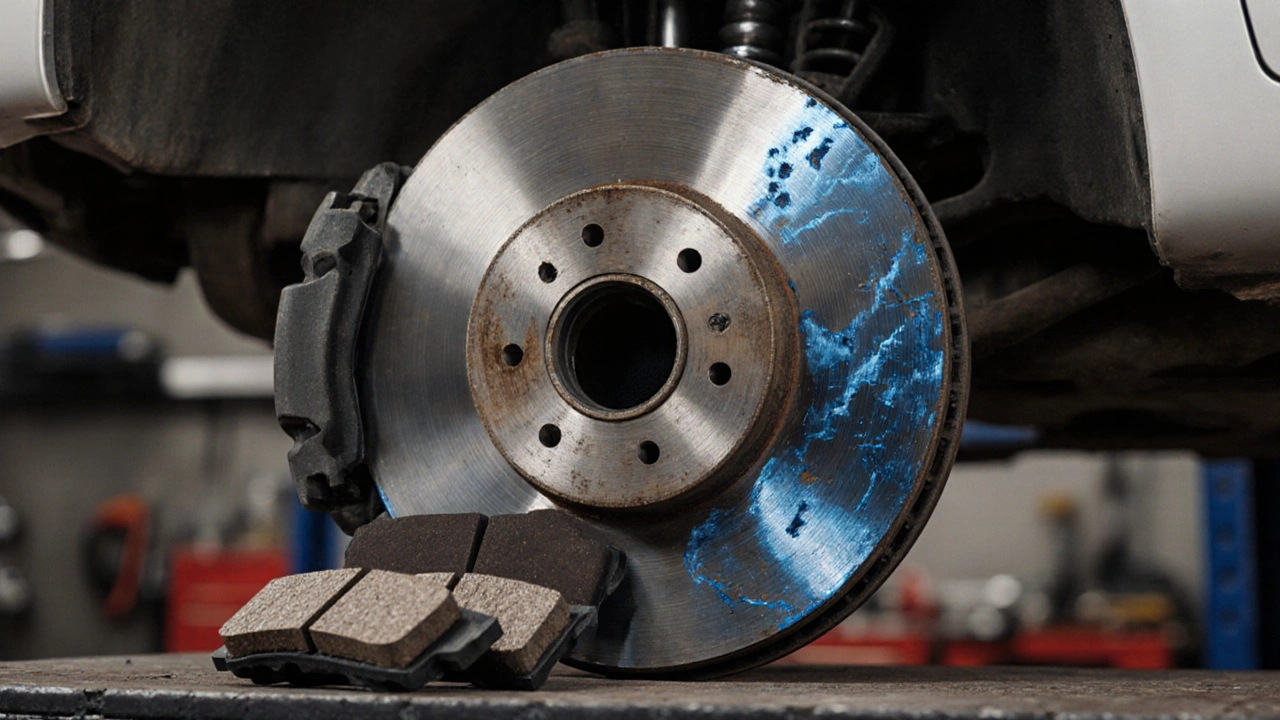
Do I Need New Rotors or Just Brake Pads? A Clear Guide for UK Drivers
Learn when to replace just brake pads versus when you need new rotors too. Avoid costly mistakes and unsafe braking with clear, practical advice for UK drivers.
November 10 2025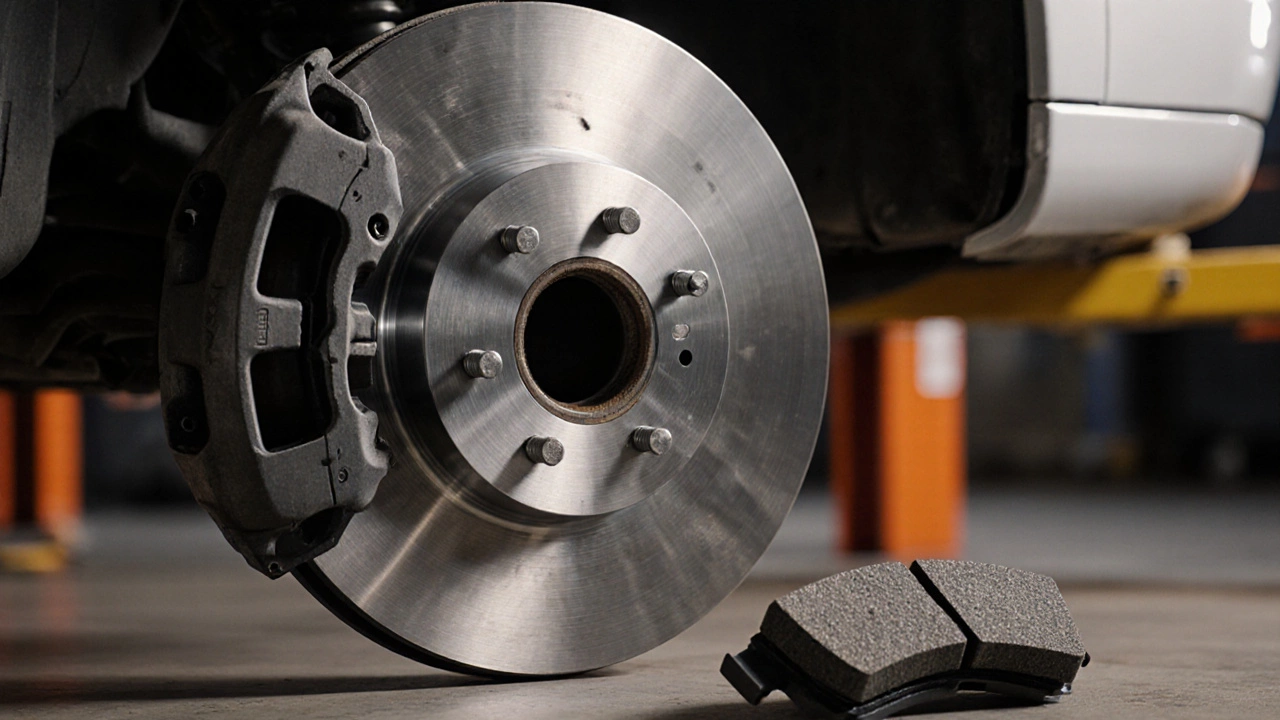
Can You Replace Brake Pads Without Changing Discs? Expert Guide
Learn when you can replace brake pads without changing the discs, how to inspect rotors, cost differences, DIY steps, and signs that discs need replacement.
October 24 2025