Air Filters: What They Do, When to Replace Them, and How They Affect Your Car
When you think about car maintenance, air filters, devices that trap dust, pollen, and debris before they enter your engine or cabin. Also known as engine or cabin filters, they’re one of the simplest parts to check—and one of the most ignored. Your engine needs clean air to burn fuel efficiently. A clogged engine air filter forces your car to work harder, hurting fuel economy and power. Meanwhile, a dirty cabin air filter, the filter that cleans air entering your car’s interior through the HVAC system lets dust, pollen, and even mold into your breathing space, making the cabin smell bad and triggering allergies.
These two filters aren’t the same, and they don’t last the same amount of time. The engine air filter usually lasts 15,000 to 30,000 miles, but if you drive on dusty roads or in heavy traffic, it can clog much faster. The cabin air filter often needs replacing every 12,000 to 15,000 miles, sometimes even sooner if you notice weak airflow from your vents or a musty smell when you turn on the AC. Neither one is expensive, but skipping them leads to bigger problems: a dirty engine air filter can cause long-term damage to your intake system, and a blocked cabin filter can overload your blower motor, costing you hundreds in repairs.
What you might not realize is how much your car HVAC system, the network of ducts, fans, and controls that manage cabin temperature and air quality depends on that tiny cabin filter. If it’s clogged, your AC won’t cool as fast, your defroster won’t clear fog from your windshield efficiently, and your heater might struggle to push warm air through. You don’t need a mechanic to check it—most cabin filters are behind the glovebox and take five minutes to swap. Same with the engine filter: pop the hood, pull out the old one, and slip in the new one. No tools needed.
And it’s not just about performance. A clean air filter means cleaner emissions. If your engine is starved for air, it burns fuel less completely, spitting out more pollutants. That’s not just bad for the planet—it could mean failing your UK MOT test. The testing standards for emissions are strict, and a clogged air filter is an easy thing to fix before you even show up at the station.
What you’ll find below are real-world stories from UK drivers who learned the hard way. One person replaced their cabin filter after their AC started blowing warm air—only to find out it was never the compressor, just a filthy filter. Another swapped their engine filter after noticing their fuel economy dropped by 15%. They didn’t know it until they checked. These aren’t theoretical fixes. They’re simple, cheap, and they make a real difference. Whether you’re trying to save money, stay healthy, or just keep your car running smoothly, the right air filter is the first place to look.
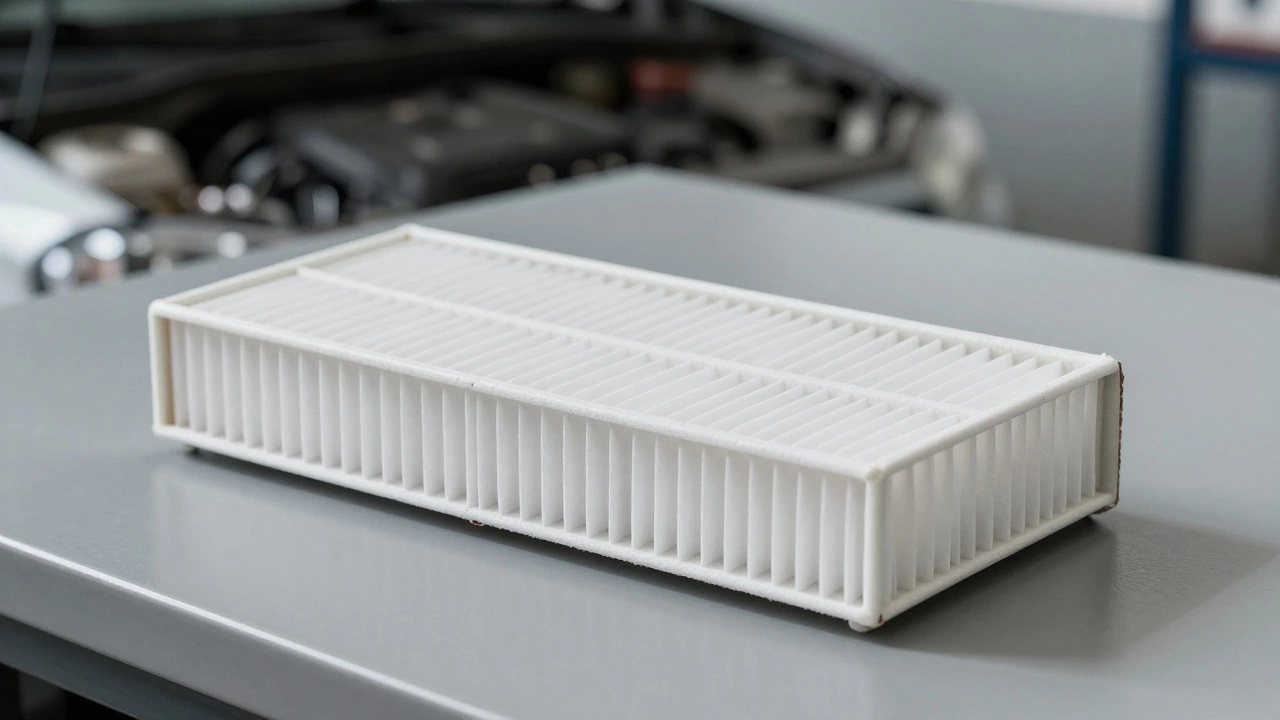
The 3 Main Types of Air Filters: Panel, Pleated, and Oiling Explained
Discover the three main types of air filters: panel, pleated, and oiling. Learn how each works, their pros and cons, and which one is best for your vehicle's engine performance and longevity.
May 7 2026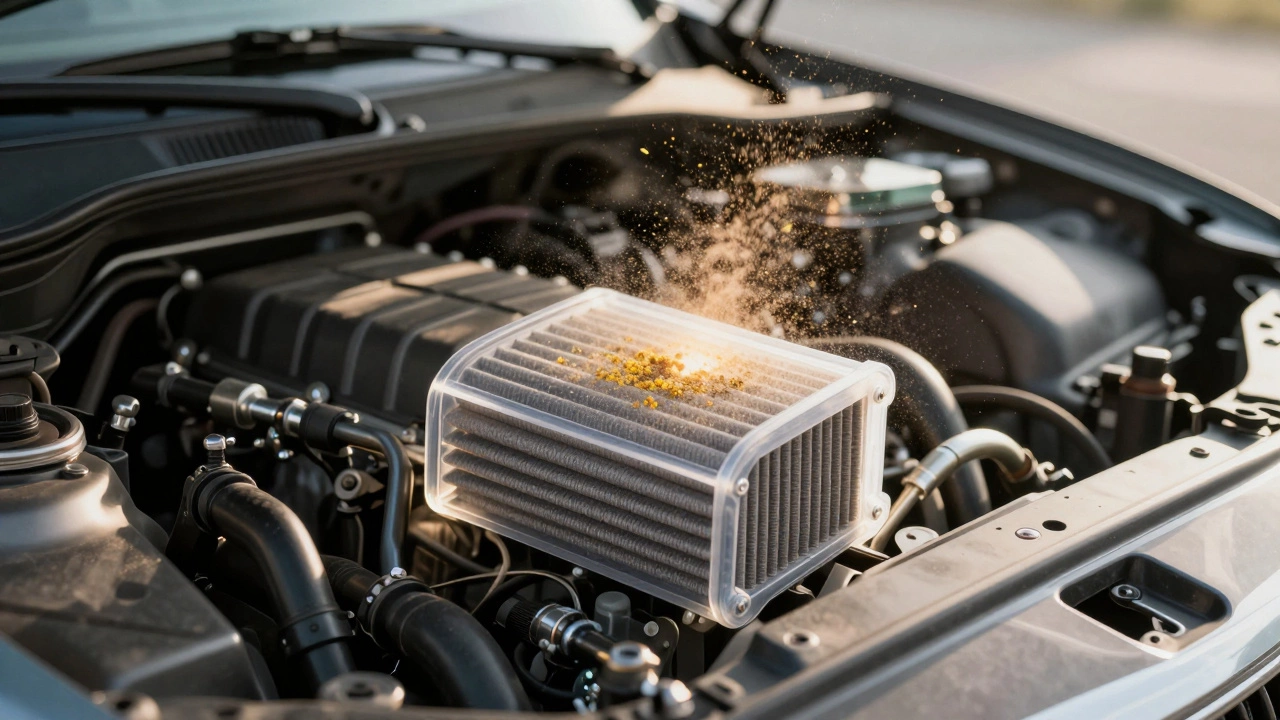
What Are Air Filters Used For? Essential Functions and Real-World Impact
Air filters protect your engine from dirt and your lungs from pollutants. Learn how engine and cabin filters work, why they matter, and when to replace them for better performance and health.
February 12 2026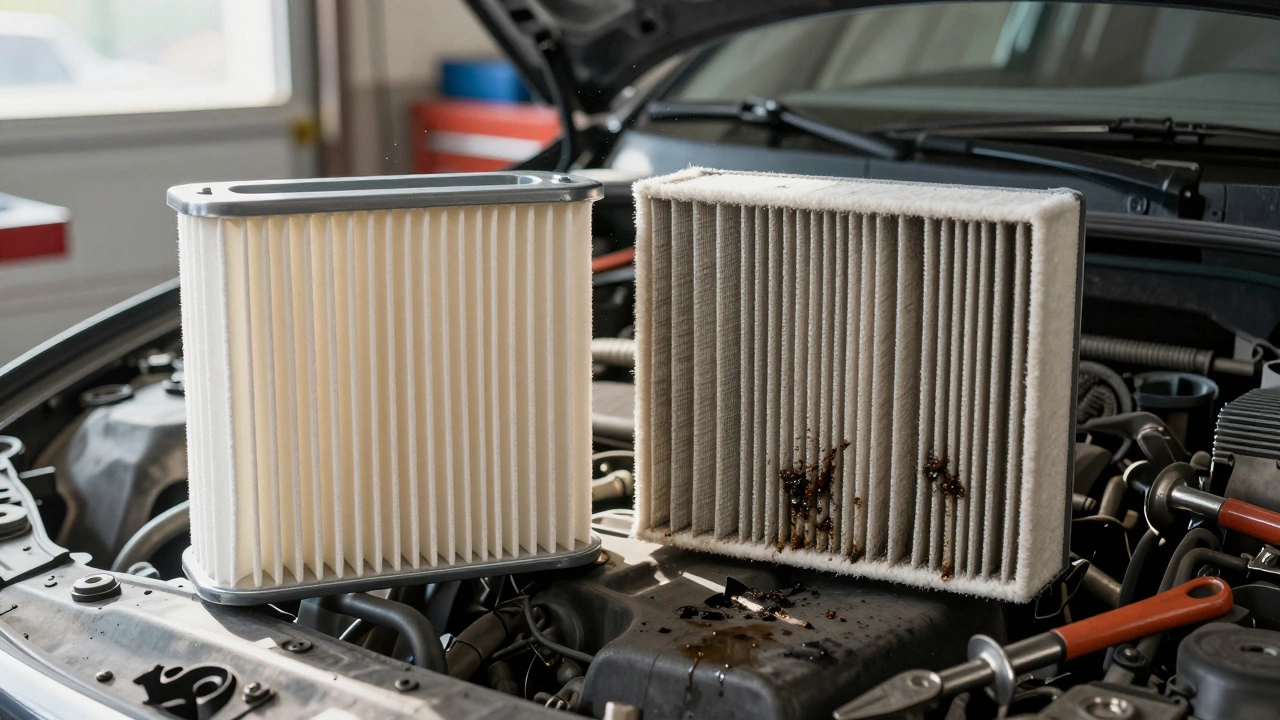
Are more expensive air filters really better? Here's what actually matters
Expensive air filters sound better, but they rarely deliver real benefits for everyday drivers. Learn what actually matters when choosing an air filter and how to save money without sacrificing performance.
February 1 2026
Merv 8 or 11: Which Air Filter is Right for You?
Choosing between Merv 8 and Merv 11 air filters depends on your specific needs like air quality, cost, and health concerns. Merv 8 filters offer basic filtration and are cost-effective, making them suitable for most homes. However, Merv 11 filters provide better air quality by capturing smaller particles. Knowing the differences helps in making an informed decision, ensuring a healthier living environment without overspending.
February 19 2025