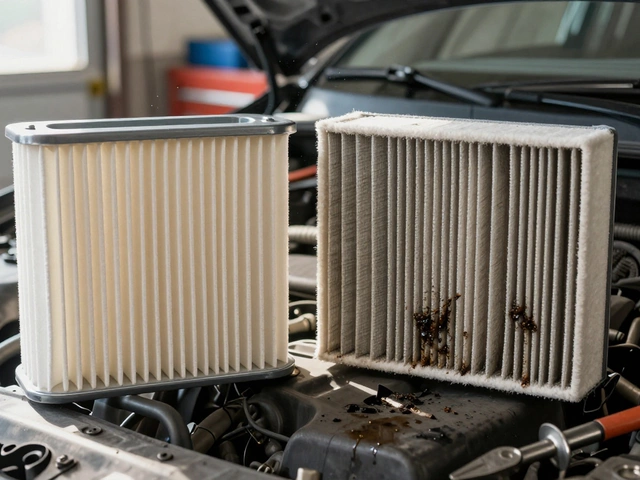
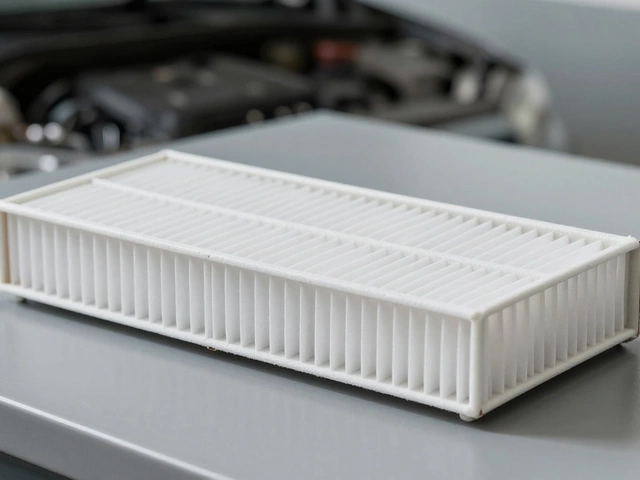
Ever stared at the shelf at the auto parts store, wondering if that £40 air filter is really worth twice the price of the £20 one? You’re not alone. Most people assume that if it costs more, it must be better. But when it comes to air filters, that’s not always true - and sometimes, it’s downright misleading.
What even is an air filter?
There are two types of air filters in your car: the engine air filter and the cabin air filter. They do completely different jobs. The engine air filter keeps dirt, dust, and debris out of your engine’s intake system. If it gets clogged, your engine struggles to breathe, which can hurt fuel economy and power. The cabin air filter cleans the air coming into your car’s interior - trapping pollen, pollution, and even odours. It’s the reason your car doesn’t smell like a dusty garage after a long drive.
Both filters are cheap to replace - usually under £20 - and easy to swap yourself. So why do some brands charge £35 or more? What are you actually paying for?
Material doesn’t always mean performance
Expensive air filters often claim to use ‘premium’ materials like cotton gauze, synthetic nanofibers, or multi-layered media. Brands like K&N, BMC, or AEM market these as ‘high-flow’ or ‘reusable’ filters. They sound impressive. But here’s the truth: for 95% of drivers, these materials don’t deliver noticeable benefits.
Factory air filters are made from pleated paper. They’re designed to trap particles as small as 5 microns - that’s smaller than a strand of human hair. Independent tests by the Society of Automotive Engineers (SAE) show that even basic paper filters capture over 98% of airborne contaminants. High-flow cotton filters might let in 1-3% more dust. That’s not a performance gain - it’s a risk.
And reusable filters? They need washing and re-oiling. Messy. Time-consuming. And if you over-oil them, you can contaminate your mass airflow sensor. That’s an expensive repair. One mechanic in Manchester told me he sees three failed sensors a month from DIY filter owners who didn’t follow the cleaning instructions exactly.
What about fuel economy and power?
Ads for expensive filters often promise better fuel economy and more horsepower. The science says otherwise. A study by the U.S. Department of Energy tested over 50 air filters across 12 car models. The difference in fuel economy between a clean OEM filter and a premium aftermarket one? Less than 0.5%. That’s less than a penny per gallon.
As for horsepower, dyno tests show gains of 1-3 horsepower at most - and only under full throttle. In real-world driving? You won’t feel it. If you’re not racing on a track, that tiny boost is noise. Not performance.
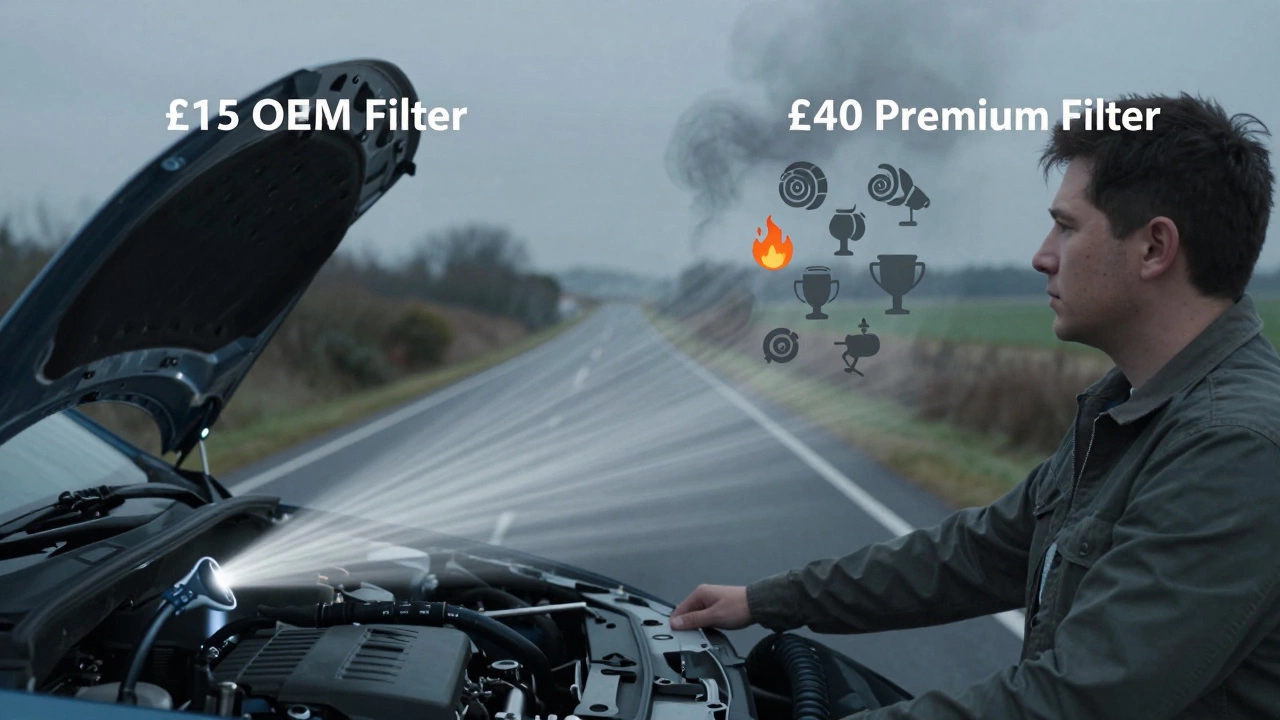
What you will feel is the cost. Paying £40 for a filter that lasts 12,000 miles means you’re spending £3.33 per month. A £15 OEM filter lasts the same time - that’s £1.25 a month. You’re paying over 200% more for zero real-world benefit.
When does an expensive filter make sense?
There are two cases where upgrading might be worth it:
- You drive in extreme conditions - think desert dust, unpaved roads, or heavy construction zones. In those cases, a high-efficiency filter like a Fram Ultra or Mann-Filter might offer better protection over time.
- You have a modified engine - turbocharged, supercharged, or tuned for racing. These engines move more air and need filters that can handle higher flow without clogging. Even then, stick to filters designed for your exact setup, not generic ‘performance’ brands.
For normal city driving, motorway commutes, or weekend trips? Stick with the OEM filter or a reputable aftermarket brand like Mann, Mahle, or Bosch. They’re tested to meet or exceed manufacturer specs. No magic. No hype. Just reliable protection.
Cabin air filters: don’t get tricked
The cabin filter is where people get fooled the most. You’ll see ads for ‘activated carbon’ filters that claim to remove odours, smoke, and even viruses. Some do - but not all.
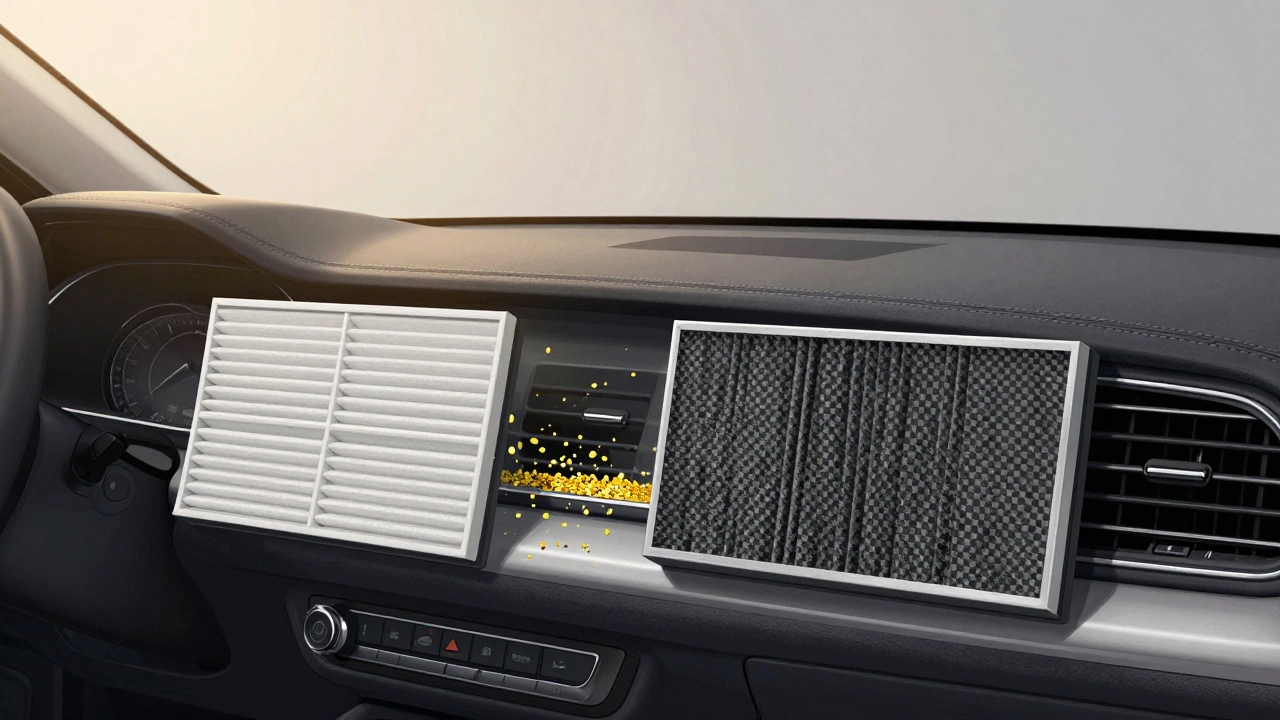
Basic cabin filters trap pollen and dust. Carbon filters add a layer of charcoal to absorb smells. That’s useful if you drive through heavy traffic or near factories. But if you’re mostly driving in clean rural areas? You’re paying extra for something you don’t need.
And here’s a hidden truth: many ‘premium’ cabin filters are just basic filters with a thin carbon coating. They last 6-12 months, same as the cheap ones. The difference? Price. You can buy a genuine OEM cabin filter for £12. A ‘premium’ one with the same specs? £35. That’s not quality - that’s branding.
What you should actually look for
Forget the price tag. Look at these three things instead:
- Fit - Does it match your car’s exact model year and engine? A filter that doesn’t seal properly is worse than no filter at all.
- Rating - Check if it meets or exceeds the manufacturer’s MERV rating (Minimum Efficiency Reporting Value). MERV 8-13 is standard for cars. Higher isn’t always better - it can restrict airflow.
- Reviews - Look for real owner reviews, not marketing blurbs. Search for ‘[your car model] air filter review’ on YouTube or forums. Real people report what lasts, what clogs, and what smells.
Don’t buy based on brand name. Buy based on compatibility and proven performance.
When to replace your air filter
Most manufacturers recommend replacing the engine air filter every 15,000-30,000 miles. But if you drive in dusty areas, check it every 10,000 miles. Hold it up to the light. If you can’t see through it, it’s time.
Cabin filters should be replaced every 12-18 months - or sooner if you notice musty smells, weak airflow from the vents, or more sneezing while driving. That’s not allergy season - that’s a clogged filter.
Replacing it yourself takes 10 minutes. No tools needed. You save £40-£60 in labour. Why pay more than you have to?
Final verdict
More expensive air filters are not better - not for most drivers. They’re more expensive because of marketing, not performance. The factory filter your car came with was designed by engineers who know exactly what your engine needs. Aftermarket brands can be good - but only if they’re matching specs, not inflating prices.
Save your money. Buy the right filter for your car. Change it on time. And don’t let flashy packaging fool you. Your engine doesn’t care if it’s made in Germany or marketed as ‘race-proven.’ It just wants clean air.
If you want performance, focus on spark plugs, fuel injectors, or a tune. Not the air filter.
Do expensive air filters improve fuel economy?
No, not in any meaningful way. Tests by the U.S. Department of Energy show fuel economy improvements of less than 0.5% with premium filters - far too small to notice or justify the higher cost. A clean OEM filter performs just as well.
Are reusable air filters worth it?
Only for a small group: off-road drivers or track enthusiasts who change filters often. For daily drivers, reusable filters are a hassle. Cleaning and re-oiling them incorrectly can damage your mass airflow sensor, leading to expensive repairs. The cost savings over time rarely make up for the risk.
Can I use a universal air filter?
Never. Universal filters don’t seal properly. Even a tiny gap lets unfiltered air into your engine, which causes accelerated wear on pistons, valves, and cylinders. Always use a filter designed specifically for your car’s make, model, and engine.
Do carbon cabin filters really remove viruses?
Carbon filters trap odours and some gases - not viruses. Only HEPA-grade filters can capture airborne viruses, and those aren’t used in standard cars because they restrict airflow too much. If you’re worried about air quality, replace your cabin filter regularly and keep windows closed in heavy traffic.
How do I know if my air filter needs replacing?
Check the engine air filter by holding it up to a bright light. If you can’t see light through the pleats, it’s clogged. For the cabin filter, watch for weak airflow, musty smells, or increased sneezing inside the car. Replace it every 12-18 months, or sooner if you drive in dusty areas.