Radiator Performance Calculator
This tool calculates whether your radiator can handle engine heat based on modifications and driving conditions. A radiator doesn't improve performance directly, but a properly sized one prevents overheating that can cause power loss.
Your Engine Modification Level
Driving Conditions
When your engine starts running hotter than usual, or you notice the temperature gauge creeping into the red zone, it’s easy to think: new radiator will fix this and make my car faster. But here’s the truth-replacing an old radiator won’t give you more horsepower, more torque, or a quicker 0-60 time. What it can do is stop your engine from killing itself from overheating. That’s not glamour. It’s survival.
What a radiator actually does
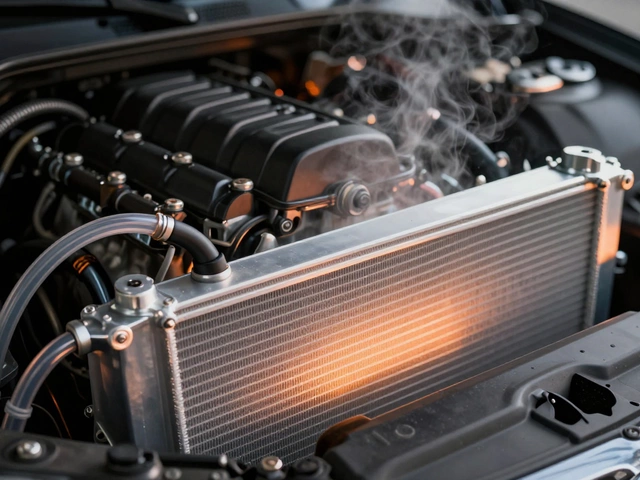
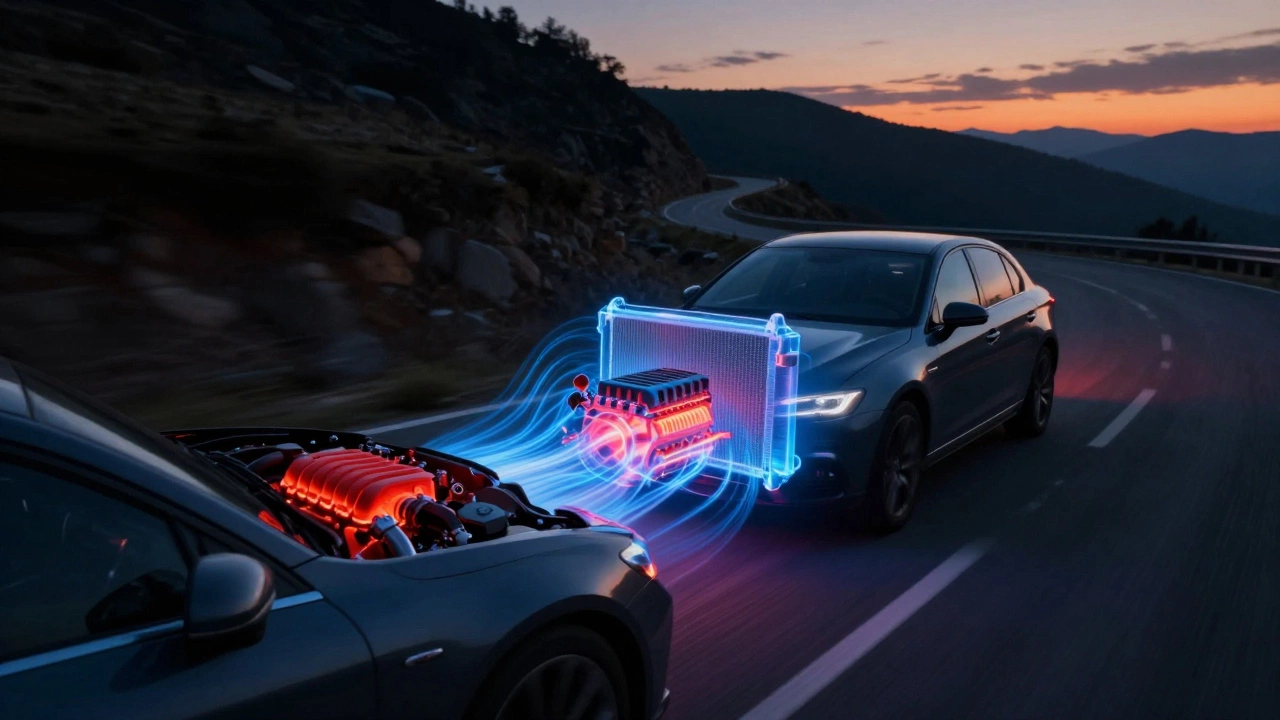
A radiator isn’t a performance part. It’s a heat exchanger. Its only job is to pull heat out of the engine coolant and dump it into the air. Think of it like a fan blowing on a hot cup of tea. The tea doesn’t get stronger-it just stops burning your mouth. Same with your engine. The radiator doesn’t make the engine work harder. It keeps it from melting down.
Modern engines run hot-often above 200°F (93°C)-because that’s how they get the best fuel efficiency and lowest emissions. But if the coolant can’t carry that heat away fast enough, the engine starts to overheat. That’s when things go wrong: warped cylinder heads, blown head gaskets, seized pistons. A clogged, corroded, or leaking radiator can’t do its job. That’s when you need a replacement.
When a new radiator actually helps performance
Here’s the twist: a new radiator doesn’t boost performance. But a better radiator can let your engine perform at its full potential-without pulling back because it’s scared of overheating.
Let’s say you’ve added a performance chip, upgraded the exhaust, or installed a bigger turbo. Now your engine makes more heat. Your factory radiator, designed for stock power levels, might struggle. In that case, swapping to a larger, higher-efficiency radiator-like a triple-pass aluminum unit with thicker cores-keeps coolant temps stable under load. That means your engine management system doesn’t have to pull timing or reduce boost to protect itself. You get the full power you paid for.
One real-world example: a 2018 Subaru WRX with a stage 2 tune. Stock radiator kept coolant above 220°F during track days. After switching to a Mishimoto 3-inch core radiator, coolant temps dropped to 195°F under the same conditions. Power didn’t magically increase. But the car could hold full boost for 10 laps instead of 3 before the ECU started limiting it.
Old radiator problems that mimic performance loss
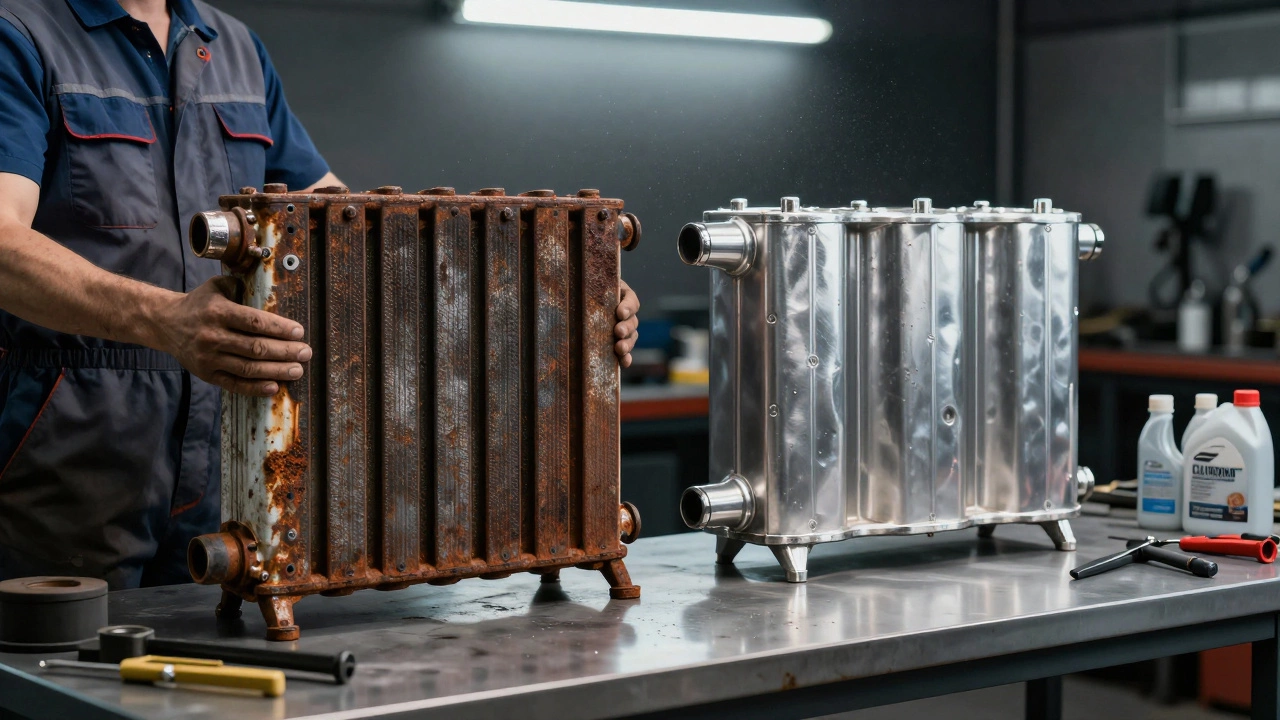
Many people think their car feels sluggish because it needs a tune or new spark plugs. But sometimes, the real culprit is a radiator that’s half-clogged with rust and scale.
When coolant flow slows down, heat builds up. The engine’s computer senses this and goes into limp mode. You lose power. Acceleration feels flat. The car hesitates. You might even hear knocking. It’s not the fuel system. It’s not the spark. It’s the cooling system failing silently.
Check your coolant. If it’s brown, gritty, or smells like burnt plastic, your radiator’s probably clogged. Drain it and flush the system. If the problem comes back in a few months, it’s time for a new radiator. A clean, unrestricted flow means your engine runs at its designed temperature-no more hiding power.
What kind of radiator should you get?
Not all radiators are made equal. Here’s what matters:
- Material: Aluminum is lighter and more efficient than brass/copper. Most OEMs switched to aluminum by the early 2000s. Stick with it.
- Core thickness: Thicker cores (like 2-inch or 3-inch) move more heat. Good for modified cars or hot climates.
- Flow design: Multi-pass cores (where coolant loops through the radiator more than once) improve cooling efficiency. Single-pass is fine for stock cars.
- Fan setup: Electric fans are smarter than belt-driven ones. They only run when needed. A high-flow electric fan paired with a new radiator makes a big difference.
For a daily driver with no mods, a direct OEM replacement is fine. For track use, towing, or tuning, spend the extra £150-£300 on an aftermarket performance unit. Brands like BeCool, Koyo, and Mishimoto are trusted in the UK for reliable cooling under stress.
What won’t help-even if you install it
Don’t fall for myths:
- Painting your radiator black won’t make it cooler. The paint layer is too thin to affect heat transfer. It’s just for looks.
- Adding coolant additives like “engine restore” or “radiator sealant” won’t fix leaks long-term. They clog small passages and make future repairs harder.
- Bigger fans alone won’t fix a bad radiator. If the core is clogged or too small, a bigger fan just spins faster and wastes battery power.
- Replacing the radiator cap won’t solve overheating unless it’s broken. A bad cap can cause pressure loss, but that’s rare. Test it with a pressure tester before assuming.
Real cost vs. real benefit
A new radiator costs between £100 and £400, depending on your car and quality. Labor adds another £100-£200. That’s £200-£600 total.
What do you get?
- No more overheating on motorway climbs
- Stable engine temps during summer traffic
- Prevention of a £2,000+ engine repair
- Peace of mind on long trips
You won’t see a dyno graph go up. But you’ll stop worrying every time the temp needle moves. That’s worth more than a few extra horsepower.
Signs you actually need a new radiator
Don’t replace it just because it’s old. Replace it because it’s failing. Look for:
- Consistent high coolant temperature-even after the engine warms up
- Coolant leaks under the car (green, orange, or pink fluid)
- Rusty or sludgy coolant in the reservoir
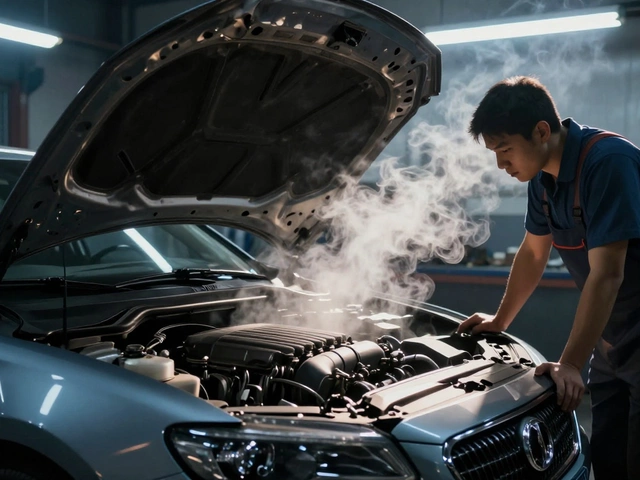
- Steam or smoke from under the hood
- Heater not blowing hot air (a sign coolant isn’t circulating)
If you’re seeing two or more of these, get it checked. A pressure test at a garage takes 15 minutes and costs £20-£30. It’ll tell you if the radiator, hoses, or head gasket is the problem.
Bottom line
A new radiator doesn’t make your car faster. But it makes sure your car can run at full speed without self-destructing. If your engine is overheating, your radiator is the silent hero you didn’t know you needed. Fix it, and you’re not upgrading performance-you’re restoring it.
For most people, a direct-fit OEM replacement is enough. For those who push their cars hard-track days, towing, tuning-a better radiator isn’t a luxury. It’s insurance.