Fuel Pump Failure Risk Calculator
This calculator helps you assess your risk of sudden fuel pump failure based on your vehicle's mileage and fueling habits. The article explains how many fuel pumps fail unexpectedly when drivers run their tanks too low.
Prevention Recommendations
Imagine you’re on the highway, cruising at 70 mph, music playing, and then-nothing. The engine sputters, loses power, and dies. No warning. No check engine light. Just silence. If this has ever happened to you, you’re not alone. A failing fuel pump is one of the most dangerous and unpredictable car problems because it can go out without warning-right in the middle of traffic.
Yes, a fuel pump can fail suddenly while driving
Fuel pumps don’t always give you a heads-up. Unlike a brake pad that squeals or a battery that struggles to turn over, a fuel pump can stop working in seconds. It’s not a matter of if-it’s a matter of when. Most fuel pumps last between 100,000 and 150,000 miles, but many fail earlier due to poor fuel quality, running the tank too low, or overheating.
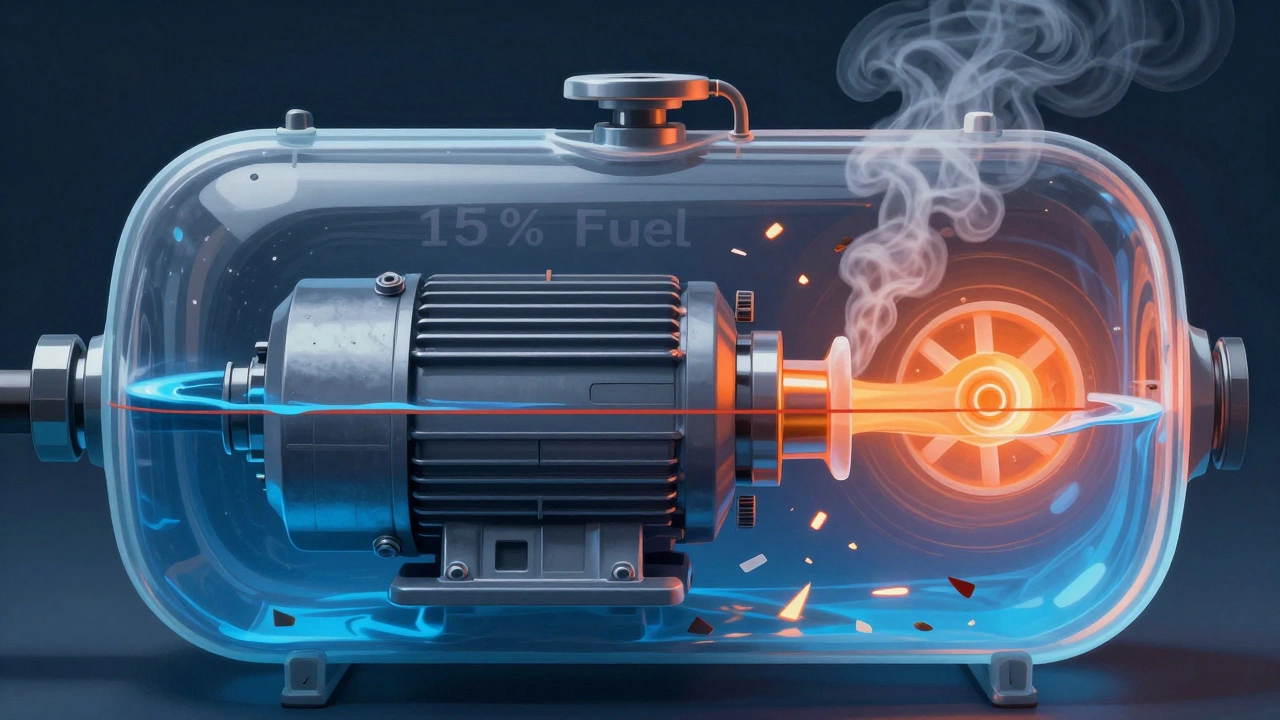
Modern electric fuel pumps are submerged in the fuel tank to stay cool. When you drive with less than a quarter tank, the pump isn’t fully covered in fuel. That means it runs hotter, wears out faster, and can burn out unexpectedly. A study by the National Institute for Automotive Service Excellence found that 37% of sudden fuel pump failures occurred in vehicles with fuel levels below 15% at the time of failure.
How a fuel pump works (and why it fails)
Your fuel pump pulls gasoline from the tank and pushes it through lines to the engine at the right pressure. Most cars use an electric in-tank pump that runs constantly when the engine is on. It doesn’t just move fuel-it maintains pressure. If pressure drops even slightly, the engine can’t run properly.
There are three main ways a fuel pump dies suddenly:
- Motor burnout: The electric motor inside the pump overheats and stops spinning. This often happens after prolonged low fuel levels.
- Impeller failure: The plastic or metal blades that push fuel can crack or break from debris or age. Once they fail, fuel flow drops to zero.
- Electrical connection loss: Corroded wires, a bad relay, or a blown fuse can cut power to the pump instantly. This looks like a pump failure but is actually an electrical issue.
These failures don’t always come with warning signs. But when they do, they’re subtle.
Warning signs you might ignore
Most drivers don’t realize the symptoms until it’s too late. Here’s what to watch for:
- Engine hesitation under load: When you step on the gas to pass someone, the car stumbles or loses power for a second. This isn’t a bad spark plug-it’s the pump struggling to keep up.
- Difficulty starting: You turn the key and the engine cranks for 5 seconds before firing up. That’s the pump taking too long to build pressure.
- Whining noise from the tank: A loud, high-pitched whine coming from the back seat area isn’t normal. It means the pump is working harder than it should.
- Stalling at idle: The car runs fine at highway speeds but dies at stoplights. Low fuel pressure can’t maintain idle.
- Check engine light with no code: Sometimes, a failing pump doesn’t trigger a diagnostic code. The engine control unit can’t always detect pressure loss until it’s critical.
These symptoms don’t mean your pump is dead yet-but they’re your last chance to fix it before it leaves you stranded.

Why sudden failure is so dangerous
Unlike a flat tire or a dead battery, a fuel pump failure can happen at any speed, in any weather, in any traffic condition. You might be on a rural road with no cell service. Or in heavy rain on a busy interstate. No lights, no power steering, no power brakes-just coasting into oncoming traffic.
According to the National Highway Traffic Safety Administration, over 2,300 crashes each year in the U.S. are linked to fuel system failures, with fuel pump failure being the most common cause. Most of these involve vehicles with over 100,000 miles and drivers who regularly ran the tank low.
The risk isn’t just about being late for work. It’s about safety. If your car dies while merging onto a highway, you have less than 3 seconds to react. That’s not enough time to pull over safely.
What to do if your fuel pump fails while driving
If your engine suddenly dies and won’t restart:
- Stay calm and keep steering. Power steering and power brakes may still work for a few seconds after the engine dies. Use them.
- Turn on your hazard lights. Immediately alert other drivers.
- Steer to the shoulder or a safe area. Don’t try to restart the car in traffic. Get off the road first.
- Do not keep turning the key. Repeatedly cranking the engine can flood the system or damage the starter.
- Call for help. If you have roadside assistance, use it. If not, call emergency services for non-emergency towing.
Never try to push a car with a fuel pump failure. Modern cars have electronic steering and braking systems that won’t work without engine power. Pushing it could cause more damage.
How to prevent sudden fuel pump failure
Prevention is simple, but most people ignore it:
- Never run your tank below a quarter full. Keep the pump submerged in fuel. This is the single biggest thing you can do.
- Use quality fuel. Cheap gas often has more water and debris that clog filters and damage pumps. Stick to top-tier gasoline brands.
- Replace the fuel filter every 30,000 to 40,000 miles. A clogged filter forces the pump to work harder, leading to early failure.
- Don’t ignore strange noises. If you hear a new whine from the rear of the car, get it checked before it’s too late.
- Consider replacing the pump proactively after 100,000 miles. Even if it’s still working, the risk rises sharply after this point.
Replacing a fuel pump isn’t cheap-it costs between $400 and $800 depending on your car-but it’s far cheaper than a tow bill, a rental car, or worse, an accident.
What to expect when replacing a fuel pump
Most modern cars have the fuel pump inside the gas tank. That means the tank has to be dropped or accessed through a panel under the rear seat. The job takes 3 to 5 hours and requires draining the tank. It’s not a DIY job for most people.
When replacing the pump, always replace the fuel filter and inspect the fuel lines. Also, clean the inside of the tank if there’s visible debris. A new pump on a dirty tank will fail again in months.
Use OEM or high-quality aftermarket parts. Cheap pumps often use inferior motors and plastic parts that break within a year. Brands like Bosch, Denso, and Delphi have proven reliability.
Myth: Fuel pump failures always show up on the check engine light
This is a dangerous myth. Many fuel pump failures don’t trigger a diagnostic trouble code. The engine control unit monitors fuel pressure, but only if the drop is sudden and severe. Gradual pressure loss? Often invisible to the system.
Just because your check engine light is off doesn’t mean your pump is fine. If you’re experiencing symptoms like hesitation or hard starts, don’t wait for a code. Get it checked.
What to do next
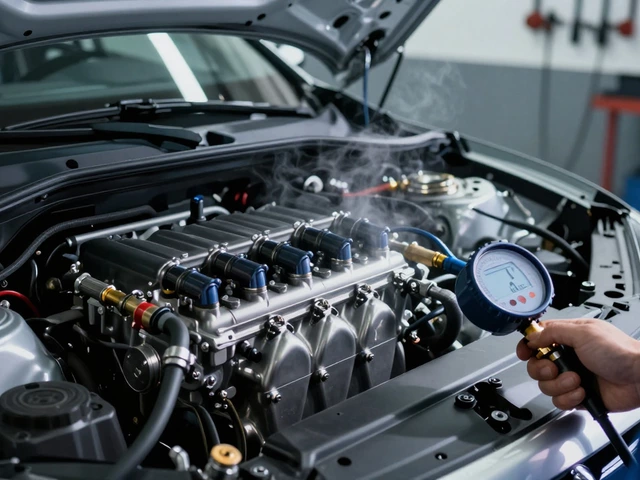
If your car has over 80,000 miles and you’ve been running low on fuel, you’re playing with fire. Don’t wait for it to die on the highway. Schedule a fuel pressure test with a trusted mechanic. It takes 15 minutes and costs under $100.
Keep your tank above a quarter full. Use quality fuel. Replace the filter regularly. These three habits will extend your fuel pump’s life by years-and keep you safe.
Fuel pump failure doesn’t have to be a surprise. It’s preventable. You just have to act before it’s too late.
Can a fuel pump fail without warning?
Yes. Unlike other car parts, fuel pumps often fail without warning. They don’t always trigger a check engine light, and symptoms like hesitation or hard starts can be subtle. Many drivers don’t realize the pump is failing until the engine dies suddenly.
What causes a fuel pump to fail suddenly?
The most common causes are running the fuel tank too low (causing overheating), using dirty or low-quality fuel, a clogged fuel filter, or internal wear from age. Electric motors inside the pump can burn out, and plastic impellers can break without notice.
How long do fuel pumps usually last?
Most fuel pumps last between 100,000 and 150,000 miles. But many fail earlier-especially if the tank is frequently run low. Some fail as early as 60,000 miles under poor conditions.
Will a bad fuel pump trigger the check engine light?
Not always. While some fuel pressure issues will trigger a code (like P0191 or P0087), many gradual failures go undetected by the engine computer. Don’t rely on the check engine light to warn you.
What should I do if my car dies while driving?
Stay calm, turn on your hazard lights, and steer to the shoulder. Do not keep trying to restart the engine. Power steering and brakes may still work briefly. Call for roadside assistance or towing. Never attempt to push the car.
Can I replace a fuel pump myself?
It’s possible on some vehicles with an access panel, but most require dropping the fuel tank. This is dangerous due to fuel vapors and requires special tools. For safety and reliability, it’s best left to a professional mechanic.