Spark Plug Replacement: When, Why, and How to Do It Right
When your engine misfires, sputters, or struggles to start, the culprit isn’t always the battery or fuel pump—it could be your spark plugs, small but critical components that ignite the air-fuel mixture in your engine’s cylinders. Also known as ignition plugs, they’re one of the few parts in your car that need regular replacement, not just repair. Most manufacturers recommend replacing them every 30,000 to 100,000 miles, depending on the type. Copper plugs wear out faster; platinum and iridium ones last longer but still fail eventually.
Spark plug replacement, the process of removing worn-out plugs and installing new ones to restore proper ignition. It’s not just about fixing a rough idle—it’s about protecting your ignition system, saving fuel, and avoiding bigger damage like catalytic converter failure. A bad spark plug doesn’t just make your car run poorly; it can cause unburned fuel to flood the exhaust system, leading to expensive repairs. And if you ignore the signs, you might end up with a misfire so bad your engine won’t start at all. The right spark plug matters too. Using the wrong heat range or thread size can crack your cylinder head or cause pre-ignition. Always check your owner’s manual or a trusted parts database before buying replacements.
Many drivers wait until their car is barely running before thinking about spark plugs. But the best time to replace them is before they fail—not after. Look for symptoms like sluggish acceleration, poor fuel economy, or a check engine light with codes like P0300 (random misfire). You don’t need a garage to do it. With basic tools—a socket wrench, extension, and spark plug gap tool—you can swap them yourself in under an hour. Just make sure the engine is cold, and don’t mix up the ignition coils or wires.
What you’ll find below isn’t a generic list of articles. It’s a curated collection of real, practical guides from drivers and mechanics who’ve dealt with the same issues. You’ll see how spark plug problems connect to engine performance, fuel efficiency, and even emissions. You’ll learn how to spot early warning signs, avoid common DIY mistakes, and choose the right plugs for your car’s make, model, and driving style. Whether you’re trying to fix a rough idle or just want to keep your car running like new, these posts give you the facts—no hype, no fluff, just what works.

What Is the Lifespan of Spark Plugs in KM? A Clear Guide for UK Drivers
Spark plugs typically last between 30,000 and 120,000 km depending on type and driving habits. Learn how materials, fuel quality, and engine design affect lifespan - and when to replace them in the UK.
February 15 2026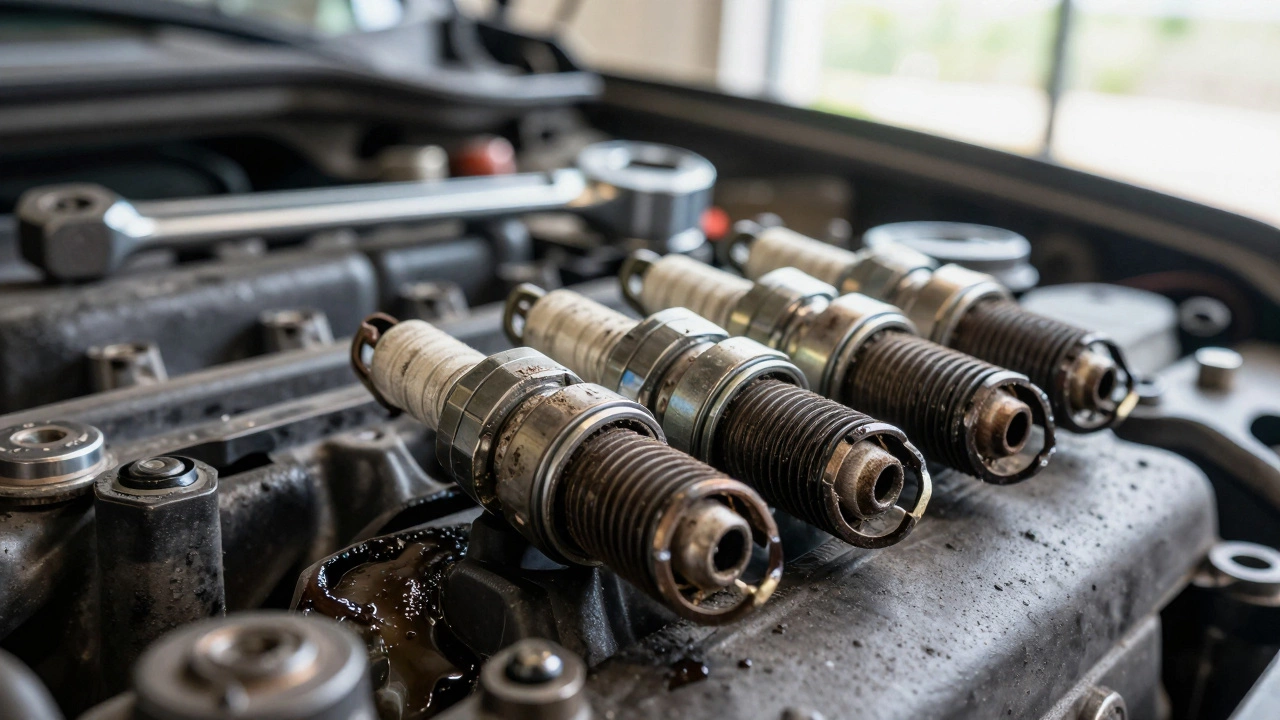
Do I Really Need Spark Plugs? The Truth About Ignition and Engine Performance
Spark plugs are essential for gasoline engines-even if your car seems fine. Ignoring them hurts fuel economy, risks engine damage, and can fail your MOT. Here’s when and why to replace them.
January 15 2026
Can Spark Plugs Last 10 Years? Real-World Durability Explained
Spark plugs can last up to 10 years in ideal conditions, but most drivers need replacements every 6-8 years due to driving habits, fuel quality, and engine wear. Learn the real signs of worn plugs and how to avoid costly damage.
November 24 2025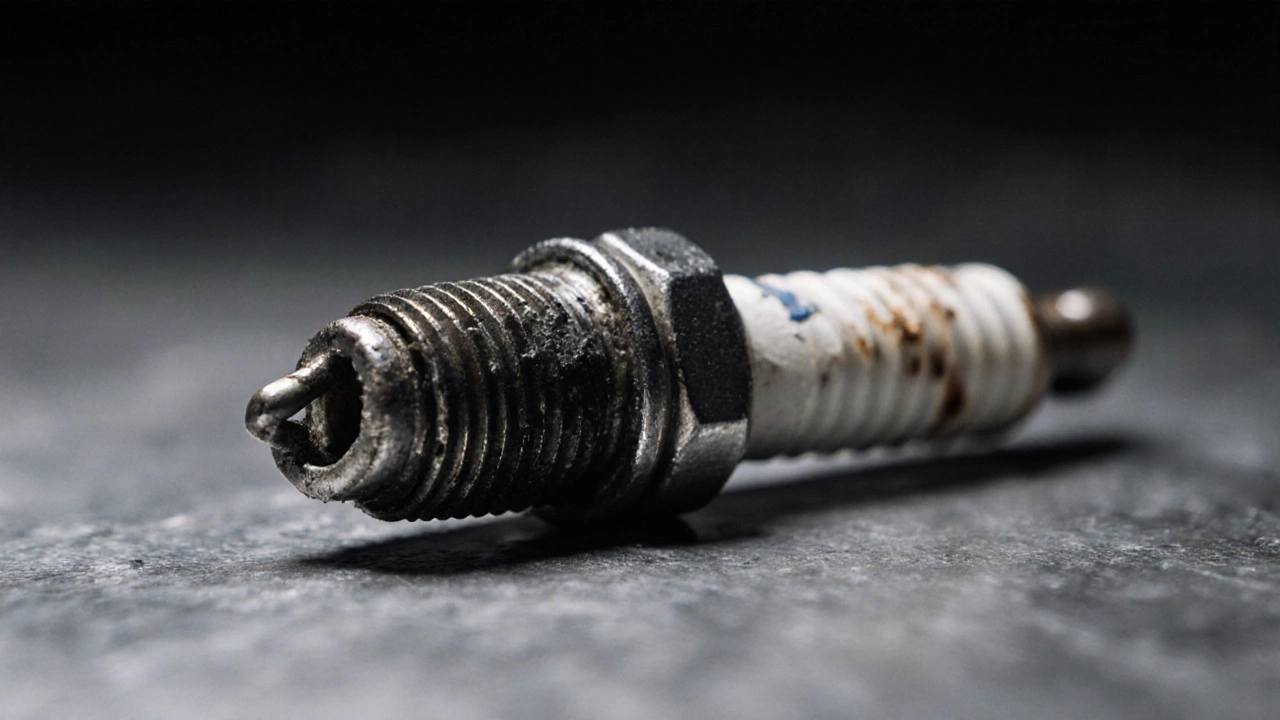
How Do I Know If My Spark Plugs Need Changing? Signs You Can't Ignore
Learn the clear signs your spark plugs need replacing-rough idle, poor fuel economy, hard starts, and more. Don't wait for breakdowns; fix them before they cost you more.
November 20 2025
Should I Change Spark Plugs If Nothing Is Wrong? The Real Truth About Preventive Spark Plug Replacement
Even if your car runs fine, worn spark plugs silently hurt fuel economy and risk costly engine damage. Learn when and why to replace them before they fail.
November 6 2025