How Long to Replace Radiator: Signs, Time, and What You Need to Know
When your radiator, the core component that keeps your engine from overheating by circulating coolant. Also known as a cooling system radiator, it's one of the most critical parts in your car's engine system. starts leaking, rusting, or overheating, you don't have much time to wait. Most radiators last between 8 and 12 years, but if you drive in extreme heat, skip coolant changes, or hit road debris, it can fail way sooner. A bad radiator doesn’t just make your car run hot—it can destroy your engine in minutes. That’s why knowing how long to replace a radiator isn’t just about convenience, it’s about survival.
Replacing a radiator isn’t a 10-minute job. On average, it takes 2 to 4 hours for a mechanic to remove the old unit, drain the coolant, disconnect hoses and electrical connections, install the new radiator, refill the system, and bleed out air bubbles. If your car has an electric fan, transmission cooler lines, or a complex layout (like many modern European or hybrid models), it could take longer. You’ll also need to check the coolant, the fluid that moves heat away from the engine and through the radiator—old or dirty coolant can clog the new radiator before it even gets started. And don’t forget the thermostat, a small valve that controls coolant flow and often fails at the same time as the radiator. Most pros replace it while they’re in there, because if it sticks shut, your new radiator won’t help.
What really tells you it’s time? Look for puddles under your car, especially green, orange, or pink fluid. Notice your temperature gauge climbing even on short drives? Or see steam coming from under the hood? These aren’t normal. You might also spot rust or cracks on the radiator tanks, or feel that the top hose is hard while the bottom one is cold—that means coolant isn’t flowing. If your car overheats after a short trip, or if you’ve had to top off coolant more than twice in six months, you’re already in danger zone. And yes, even if your car runs fine, a radiator that’s 10 years old is a ticking clock. Replacing it before it fails saves you from towing bills, engine repairs, or worse.
Some people try to delay radiator replacement to save cash, but that’s like ignoring a cracked windshield. One hot day, one traffic jam, and your engine seizes. That’s not a repair—it’s a total loss. The good news? A new radiator isn’t as expensive as you think, especially if you shop smart. And if you’re doing it yourself, you can cut labor costs in half. Just make sure you get the right fit for your make and model, and always flush the system before installing the new part. You’re not just replacing a part—you’re protecting your whole engine.
Below, you’ll find real-world guides on spotting radiator trouble before it’s too late, how long these parts actually last, what else to check when you replace one, and how to avoid common mistakes that lead to repeat failures. Whether you’re a DIYer or just trying to understand what your mechanic is telling you, these posts give you the straight facts—no fluff, no hype, just what works.
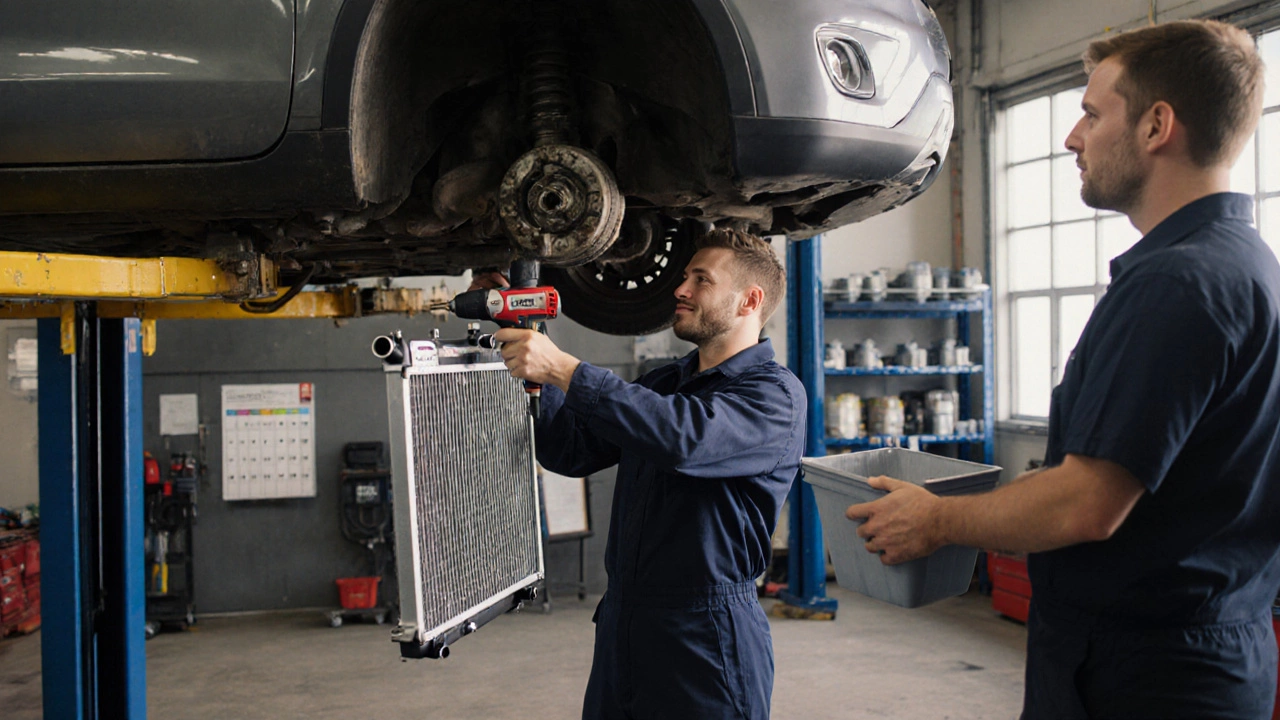
Radiator Replacement Time: How Many Days Does It Really Take?
Learn the typical calendar days for a radiator swap, factors that affect timing, DIY vs. professional estimates, and a step‑by‑step guide to avoid delays.
October 7 2025