Fuel Pump Replacement: Signs, Costs, and What You Need to Know
When your car suddenly loses power on the highway or won’t start after sitting overnight, the culprit might be a fuel pump, a critical component that delivers gasoline from the tank to the engine under pressure. Also known as a fuel delivery pump, it’s one of those parts you never think about—until it fails. Unlike a light bulb, you won’t get a warning light saying "fuel pump out of order." It just stops working, often at the worst time.
A failing fuel pump, a component that loses pressure or flow over time due to wear, contamination, or electrical issues doesn’t always make a loud noise, but when it does, it’s a whine from the back of the car—usually near the fuel tank. Other signs? Engine stalling at high speeds, trouble accelerating uphill, or the car taking longer than usual to start. These aren’t just inconveniences—they’re red flags. Ignoring them risks leaving you stranded or causing damage to your engine from running lean.
Most fuel pumps, electromechanical devices designed to move fuel under pressure from the tank to the fuel injectors last between 100,000 and 150,000 miles, but dirty fuel, running the tank low often, or using cheap gas can cut that in half. Replacing it isn’t always expensive, but labor can add up because the pump is usually inside the fuel tank. You’ll need to drop the tank or access it through a panel under the rear seat, depending on your car. That’s why many people wait too long—until the car won’t start at all.
It’s not just about swapping the old part. A bad fuel pump often means your fuel filter is clogged too, and sometimes the fuel sender unit or electrical connectors are corroded. A proper replacement includes checking the entire fuel system: lines, connectors, and even the fuel pressure regulator. You don’t want to spend money on a new pump only to have it fail again because the rest of the system is failing.
There’s no magic schedule for replacing a fuel pump—you don’t just change it every 100,000 miles like an oil change. But if your car is over 8 years old and you’ve noticed any of those symptoms, it’s worth getting it checked. A quick fuel pressure test takes 10 minutes and can save you hours of guesswork. And if you’re already doing other work near the fuel tank—like replacing the fuel filter or fixing a leak—it’s smart to replace the pump while you’re in there. It’s cheaper than doing two separate jobs later.
What you’ll find below are real stories from people who’ve dealt with this exact problem. From DIYers who saved money by doing it themselves, to mechanics who explain why some replacements fail faster than others. You’ll see what parts to look for, how much it actually costs in the UK, and the signs you can’t ignore before you’re stuck on the side of the road. No fluff. Just what works—and what doesn’t—when it comes to keeping your car running.
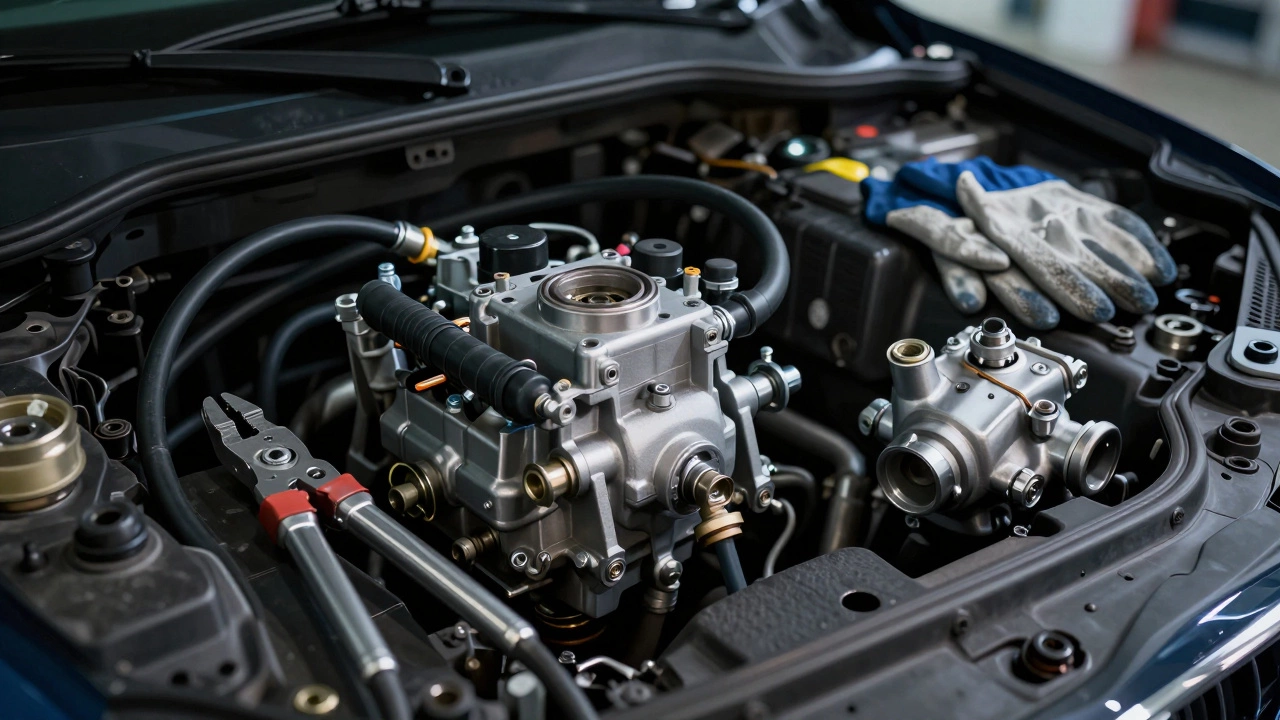
How Much Is a New Fuel Pump? Costs, Brands, and What to Expect
A new fuel pump costs between $250 and $1,200 depending on your car and labor. Learn what affects the price, how to choose the right part, and how to avoid costly mistakes when replacing it.
March 1 2026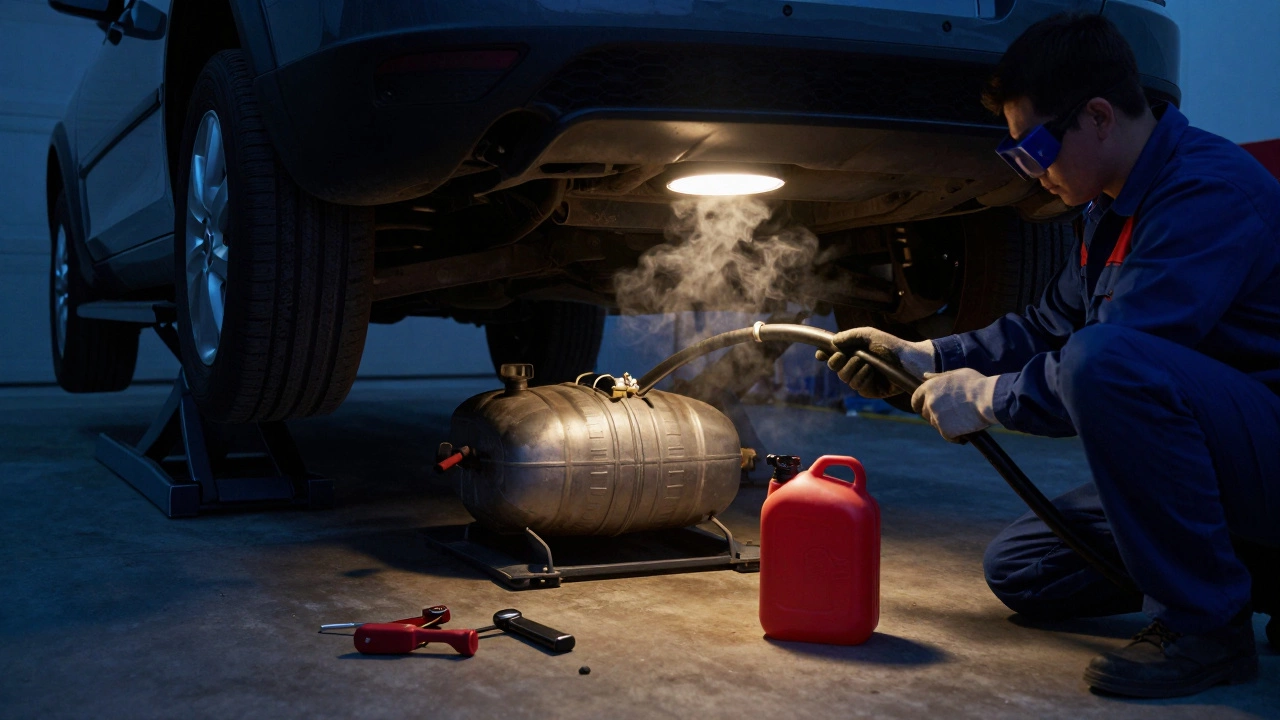
Do You Need an Empty Fuel Tank to Change the Fuel Pump?
You don't need an empty fuel tank to change the fuel pump, but you should get it as low as possible-ideally under 1/4 full. Less fuel means less risk, less mess, and safer work. Learn why and how to do it right.
February 9 2026
Can a Fuel Pump Fail Suddenly While Driving? What You Need to Know
A fuel pump can fail suddenly while driving with no warning, leaving you stranded. Learn the signs, risks, and simple steps to prevent this dangerous failure before it happens.
December 7 2025