Fuel Pump Life Estimator
Fuel Pump Health Assessment
Results
Prevention Tips
Nothing hits harder than hearing your car sputter and die on the side of the road - especially when you just filled up. If your fuel pump keeps dying, it’s not bad luck. It’s usually caused by a few predictable, avoidable problems. Most fuel pumps don’t just wear out randomly. They get killed by what’s in the tank - or what’s missing from it.
Running on Empty
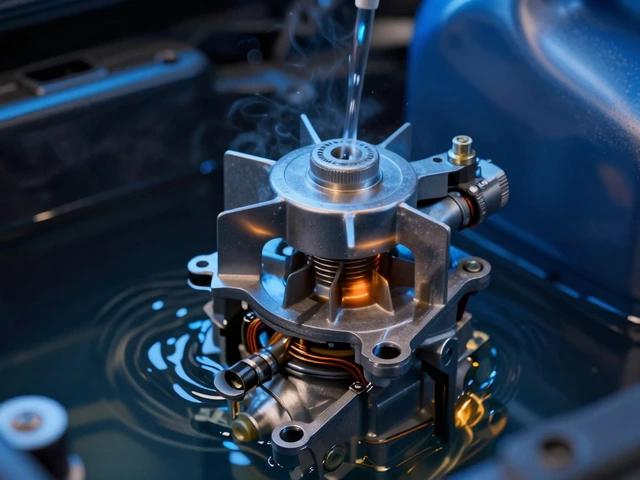
The most common killer of fuel pumps is running the tank too low. Fuel pumps are cooled and lubricated by the gasoline around them. When the tank is near empty, the pump is exposed to air instead of fuel. That causes it to overheat. Over time, that heat breaks down the internal components - the motor windings, the brushes, the bearings. A pump that runs dry once a month might last two years. One that runs dry every week? It’s dead in six months.
Most mechanics agree: keeping your tank at least a quarter full isn’t just good practice - it’s the single best way to extend pump life. You don’t need to fill up daily. But if you regularly drive on fumes, you’re not saving money. You’re just buying new fuel pumps more often.
Dirty Fuel and Contaminants
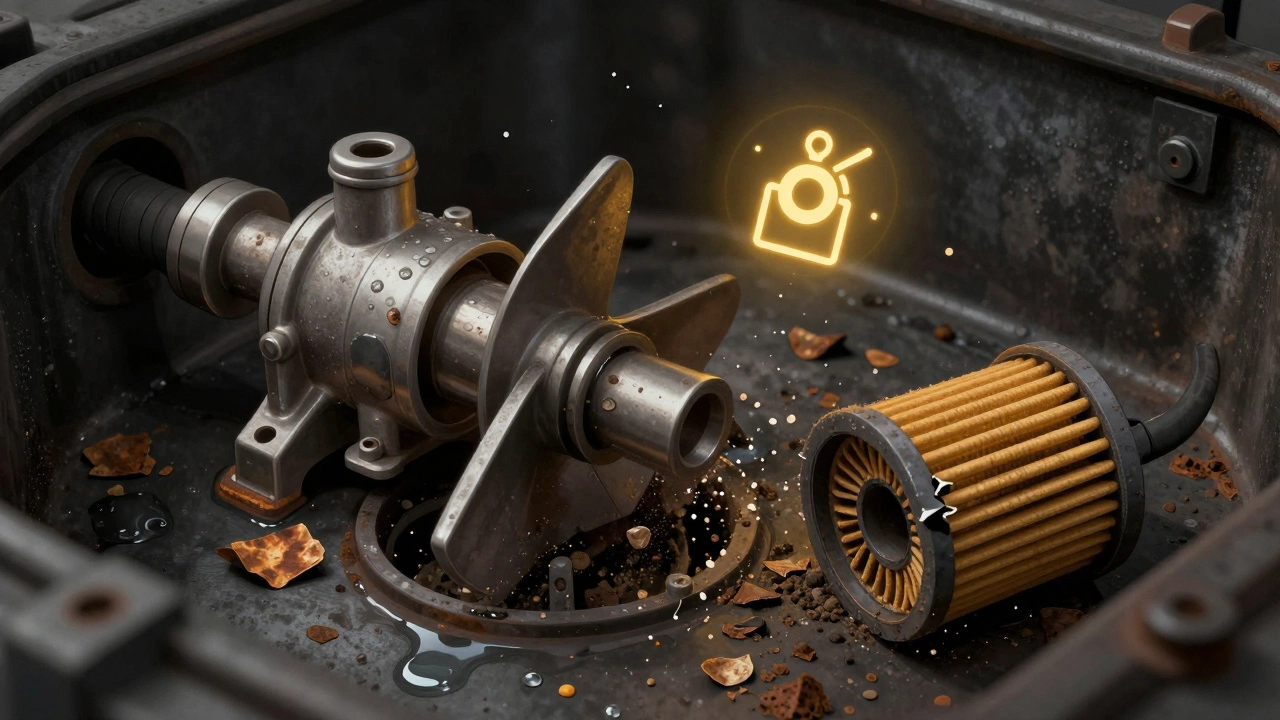
Fuel isn’t just gas. It picks up rust, dirt, water, and debris as it moves through old tanks, poorly maintained lines, or cheap gas stations. Modern fuel pumps have tiny internal filters - sometimes as small as 10 microns. That’s finer than a human hair. When grit gets past the tank’s main filter (or if your tank has no filter at all), it grinds against the pump’s moving parts like sandpaper.
One study from the Society of Automotive Engineers found that 68% of premature fuel pump failures were linked to contaminated fuel. That doesn’t mean bad gas stations - it means old tanks. If your car has been sitting for months, or if you bought a used car with a neglected fuel system, you’re likely running on sludge. Water in the tank is even worse. It doesn’t burn. It causes corrosion and clogs the pump’s fine mesh screen.
Faulty or Missing Fuel Filters
Most cars have two filters: one inside the tank (near the pump) and one in the fuel line. The in-tank filter is often called a “sock” because it’s a mesh sleeve that wraps around the pump. If that filter is clogged, worn out, or missing, the pump has to work harder. That extra strain makes it run hotter and wear out faster.
Some aftermarket parts or cheap rebuilds skip the sock entirely. Others use thin, low-quality mesh that tears after a few thousand miles. If you’ve ever replaced a fuel pump and found a shredded or clogged sock, you’ve seen the damage firsthand. The filter’s job isn’t to catch big chunks - it’s to keep fine particles out of the pump’s delicate valves and impellers. Replace it every 30,000 to 50,000 miles, even if the manual says otherwise.
Electrical Problems
Fuel pumps run on electricity. If the voltage is too low, the pump struggles to deliver fuel. If it’s too high, the motor burns out. Both situations happen more often than you think.
A weak battery, corroded connectors, or a failing relay can drop the voltage to the pump. That makes it run slower - and hotter - as it tries to keep up. On the flip side, a bad ground connection or a faulty voltage regulator can send surges through the system. These spikes fry the pump’s internal wiring. You might not notice anything wrong with your car until the pump dies. But if you’ve had electrical issues lately - flickering lights, slow starts, erratic gauges - it’s worth checking the fuel pump’s power supply.
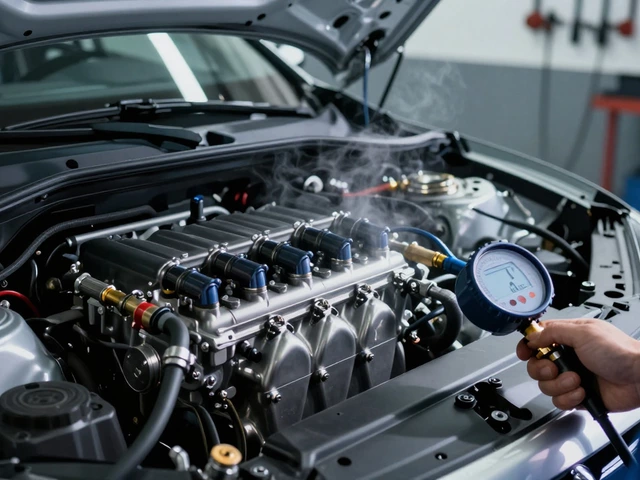
Use a multimeter to test the voltage at the pump connector. It should be between 12.6 and 13.8 volts when the engine is running. Anything below 12 volts or above 14.5 volts is a red flag.
Using the Wrong Fuel
Most cars don’t need premium gas. But some do - and using the wrong type can cause problems. High-performance engines, turbocharged models, and older cars with high compression ratios are designed for specific octane levels. Using lower-octane fuel can cause knocking or detonation. That puts extra stress on the entire fuel system, including the pump.
It’s not that the fuel itself burns the pump. It’s that the engine’s timing and fuel delivery get thrown off. The pump has to work harder to deliver more fuel to compensate for inefficient combustion. Over time, that extra workload wears it out. Always check your owner’s manual. If it says “Premium recommended,” don’t ignore it. If it says “Regular only,” don’t waste your money on premium.
Old Fuel and Ethanol Damage
Fuel degrades. Gasoline starts breaking down in as little as 30 days. Ethanol-blended fuels (E10, common in the U.S.) absorb water from the air. That water separates and sinks to the bottom of the tank. Ethanol also eats away at old rubber seals, plastic components, and even some metal parts inside the pump.
If you store a vehicle for the winter or leave gas sitting in the tank for months, you’re asking for trouble. The ethanol in modern fuel can dissolve varnish, gum, and residue inside the tank - then dump it straight into the pump. That’s why many mechanics recommend adding a fuel stabilizer if you’re not driving for more than a month. It keeps the fuel from breaking down and prevents water absorption.
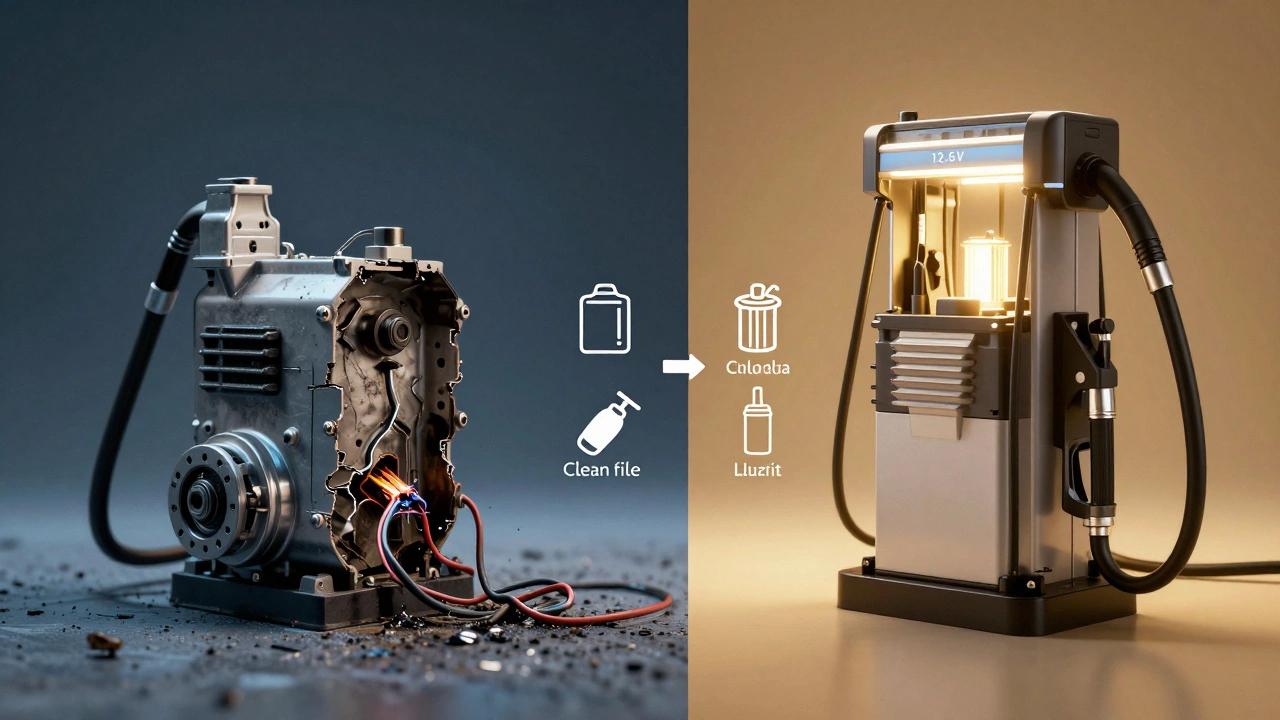
How to Prevent Fuel Pump Failure
- Never run on empty. Keep at least a quarter tank at all times.
- Replace the fuel filter every 30,000-50,000 miles. Don’t wait for symptoms.
- Use quality fuel. Stick to stations with high turnover. Avoid bargain brands with unknown sourcing.
- Check electrical connections. Clean terminals and test voltage if you’ve had other electrical issues.
- Add stabilizer for long-term storage. Especially if your car uses ethanol-blended fuel.
- Don’t ignore warning signs. Hesitation, sputtering, or loss of power under load are early clues.
What Happens When a Fuel Pump Dies?
When the pump fails, the engine doesn’t just stall. It usually won’t start again. You might hear a faint whine when you turn the key - or nothing at all. Some cars will run for a few seconds on leftover fuel in the lines, then die. Others just click when you try to start them.
Replacing a fuel pump is expensive. Labor can cost $300 to $600, depending on the car. The part itself runs $150 to $500. But if you caught the problem early - by noticing a drop in performance or hearing odd noises - you might have avoided the full replacement. A simple filter change or a tank cleaning could have saved you thousands.
Common Myths About Fuel Pumps
- Myth: Fuel pumps last the life of the car. Truth: Most last 100,000 to 150,000 miles - but only if maintained.
- Myth: Premium fuel cleans your pump. Truth: Premium doesn’t clean. Only dedicated fuel system cleaners do - and they’re not magic.
- Myth: If the car starts, the pump is fine. Truth: A pump can be failing slowly. It might still deliver enough fuel to start, but not enough to drive uphill or at highway speeds.
Fuel pumps aren’t mysterious. They’re simple devices that fail for simple reasons. You don’t need a degree in engineering to keep yours alive. Just stop running on empty. Change the filter. Use clean fuel. And don’t ignore the little signs. The pump won’t warn you twice.
Can a dirty fuel filter cause a fuel pump to burn out?
Yes. A clogged or damaged fuel filter forces the pump to work harder to push fuel through. That extra strain generates heat and wears out the motor faster. Many fuel pump failures are traced back to a filter that hasn’t been replaced in over 50,000 miles.
How do I know if my fuel pump is failing?
Signs include difficulty starting, sputtering at high speeds, loss of power when accelerating or climbing hills, and the engine stalling under load. You might also hear a loud whining noise coming from the fuel tank when the car is running. These aren’t always sudden - they often get worse over time.
Does using premium gas extend fuel pump life?
No. Premium gas doesn’t clean or lubricate the pump. It only prevents knocking in high-compression engines. If your car doesn’t require premium, using it won’t help - and it’ll cost you more. Stick to the octane rating in your owner’s manual.
Can water in the fuel tank ruin a fuel pump?
Yes. Water doesn’t burn, so it causes misfires and poor performance. It also causes corrosion inside the pump and tank. Ethanol-blended fuels attract moisture from the air, which makes this worse. If you suspect water in your tank, have it drained and cleaned before replacing the pump.
How often should I replace my fuel pump?
Most fuel pumps last between 100,000 and 150,000 miles. But they often fail earlier if you run on empty, use dirty fuel, or skip filter changes. Replace the pump only when it fails - but replace the fuel filter every 30,000 to 50,000 miles to protect it.