Engine Cooling: What Keeps Your Car from Overheating and How to Spot Trouble
When your car’s engine cooling, the system that regulates engine temperature to prevent damage from overheating. Also known as cooling system, it’s not just about keeping the engine from smoking—it’s about keeping your whole car alive. Without it, your engine can seize in minutes. Most people think overheating only happens in summer or after long drives, but a failing cooling system can quietly kill your engine even on a cool morning.
The heart of engine cooling is the radiator, a heat exchanger that pulls heat out of coolant circulating through the engine. It works with the coolant, a liquid mixture of water and antifreeze that flows through the engine and radiator. The thermostat, a valve that controls when coolant flows to the radiator. opens and closes based on temperature. If any of these parts fail, your engine runs hot—and that’s when things go wrong fast.
You don’t need a mechanic to spot early warning signs. If your temperature gauge creeps up, even slightly, or you see steam under the hood, stop. A leaky radiator, low coolant, or a stuck thermostat can turn a $150 fix into a $2,000 engine rebuild. Many drivers ignore the warning lights until the engine won’t start. That’s too late. The posts below show you exactly how to check your radiator, spot coolant leaks before they get worse, and understand why your car overheats even when it looks fine.
Some of these guides focus on radiator lifespan, others on how coolant degrades over time, and a few on what happens when the thermostat fails. You’ll find real-world advice on testing your cooling system without tools, when to replace parts instead of just topping off fluid, and why synthetic coolant isn’t always better. This isn’t theory—it’s what actually happens to cars in the UK, in rain, in traffic, and in freezing winters. What you learn here could save you from a tow truck, a rental car, or worse.
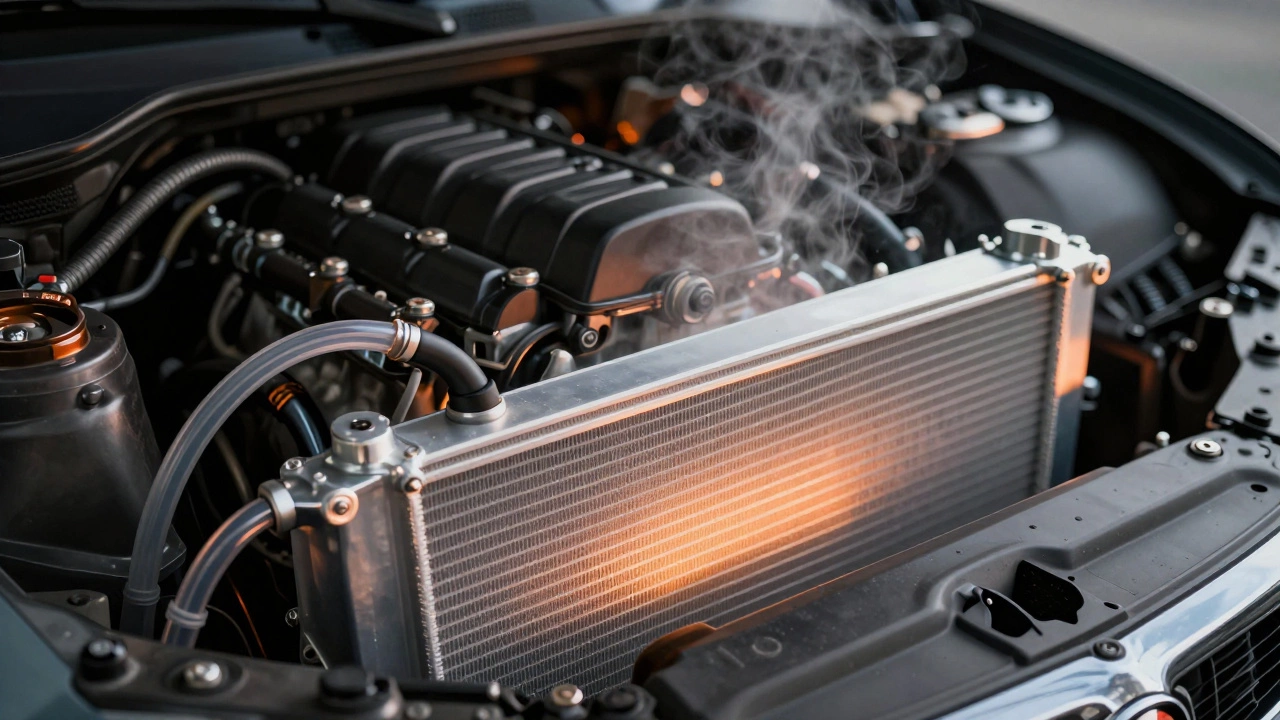
Does a New Radiator Improve Car Performance?
A new radiator won't boost your car's horsepower, but it can prevent overheating and let your engine perform at its full potential. Here's what actually changes when you replace a failing radiator.
December 28 2025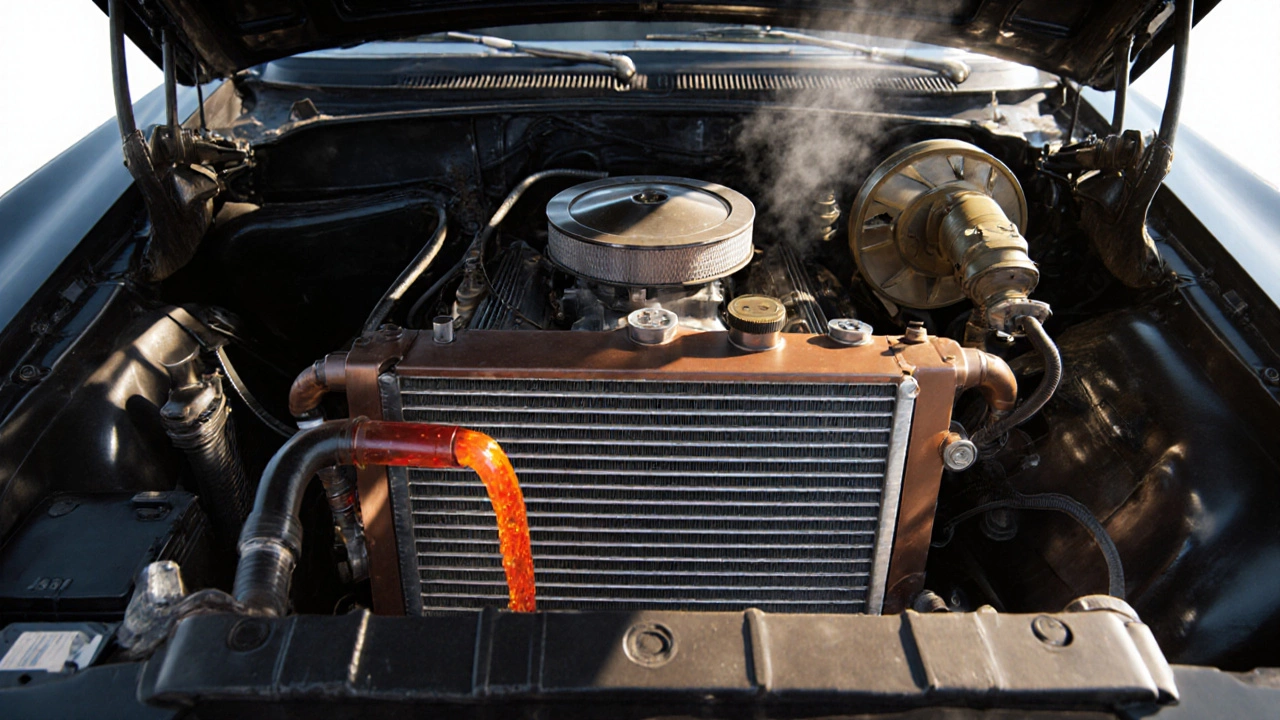
Do Modern Cars Still Use Radiators?
Explore why most cars still use radiators, how electric pumps and fans have changed cooling, and what EVs need to keep cool. Get maintenance tips and a clear comparison.
October 17 2025
Can You Drive with a Bad Radiator? Risks, Tips, and What Happens Next
Wondering if you can drive with a bad radiator? Discover what really happens, the real dangers, and how far you might get before serious damage begins.
August 1 2025
Upgrading Car Radiators: Is it Really Worth It?
Thinking about upgrading your car's radiator? Here's why it might be a smart move. We'll explore the benefits of improved cooling, potential cost-effectiveness, and enhanced performance. Whether you're a car enthusiast or just someone looking to extend your vehicle's life, understanding radiator upgrades can make a big difference. Let's delve into the key considerations.
February 21 2025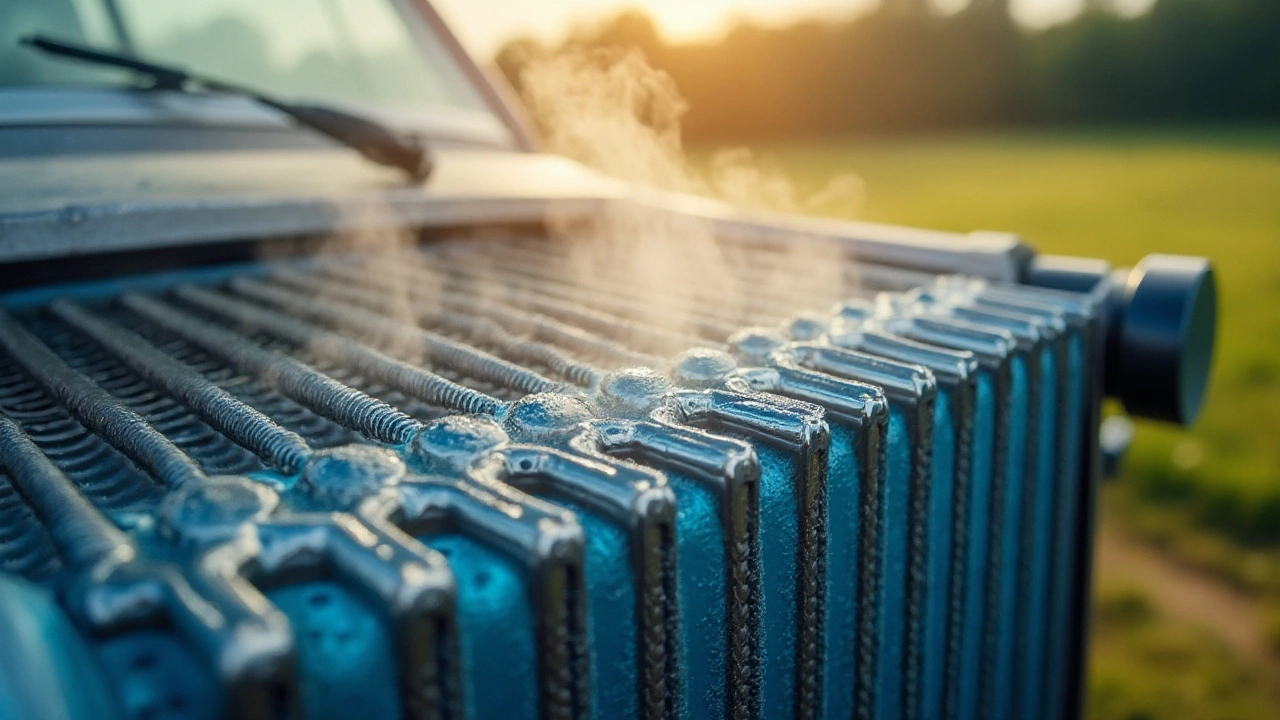
Understanding Car Radiators: Engine Cooling Essentials
A car radiator plays a vital role in preventing engine overheating by dissipating heat from the coolant. Understanding its function, common issues, and maintenance tips can enhance vehicle performance and longevity. This article dives into how radiators work, what signs indicate a malfunction, and essential upkeep practices to keep your car running smoothly. With this knowledge, drivers can ensure their vehicles remain cool and efficient.
January 25 2025