Choosing the best exhaust system isn’t about picking the loudest or the shiniest pipe. It’s about matching the right setup to your car, your driving style, and what you actually want out of it. Too many people buy a $1,200 aftermarket system because it sounds like a race car on YouTube-only to regret it when they’re stuck in traffic with a droning hum that turns every commute into a headache.
What Even Is an Exhaust System?
An exhaust system isn’t just a pipe that lets fumes out. It’s a carefully engineered chain of parts: headers (or manifolds), catalytic converters, mufflers, resonators, and tailpipes. Each part has a job. Headers collect exhaust gases from the engine. Catalytic converters clean emissions. Mufflers reduce noise. Resonators fine-tune sound. Tailpipes direct gases away from the car.
Stock systems are built for cost, durability, and emissions compliance-not performance or sound. Aftermarket systems replace these parts to improve flow, reduce backpressure, and change how the engine sounds and feels. But not all upgrades are created equal.
Three Main Types of Exhaust Upgrades
You’ve got three real options when upgrading:
- -cat-back: Replaces everything from the catalytic converter back. This is the most popular upgrade. It’s affordable, legal in most places, and gives noticeable gains in sound and flow.
- axle-back: Only replaces the section behind the rear axle. Minimal cost, minimal gain. Good if you just want a different sound without touching the rest of the system.
- full system: Replaces everything, including headers and catalytic converters. Maximum performance, maximum cost. Often requires tuning and may not be street legal.
For 90% of drivers, a cat-back system is the sweet spot. You get better flow, a deeper tone, and maybe 5-15 horsepower-without breaking the bank or risking a failed emissions test.
What Makes One Exhaust System Better Than Another?
Not all stainless steel is the same. Not all baffles are built to last. Here’s what actually matters:
- Material: 304 stainless steel lasts longer and resists rust better than 409. If you live where roads are salted in winter (like Manchester), go with 304. It’s worth the extra £100-£200.
- Pipe diameter: Too small, and you restrict flow. Too big, and you lose low-end torque. For most 4-cylinder engines, 2.25”-2.5” is ideal. V6s and V8s usually need 2.5”-3”. Check your engine size before buying.
- Muffler design: Straight-through (glasspack) mufflers are loud and free-flowing. Chambered mufflers give a deeper, richer tone without the drone. Dual-chamber designs like Borla’s or MagnaFlow’s are quiet at cruising speed but wake up under acceleration.
- Fitment: A system made for your exact model year and engine won’t rattle or leak. Avoid universal kits unless you’re welding it in yourself.
Brands like Akrapovič, Borla, and MagnaFlow have been testing these designs for decades. They don’t just slap a pipe on a car-they tune the whole system using dyno tests and real-world sound analysis.
Best Exhaust Systems for Common Cars in 2025
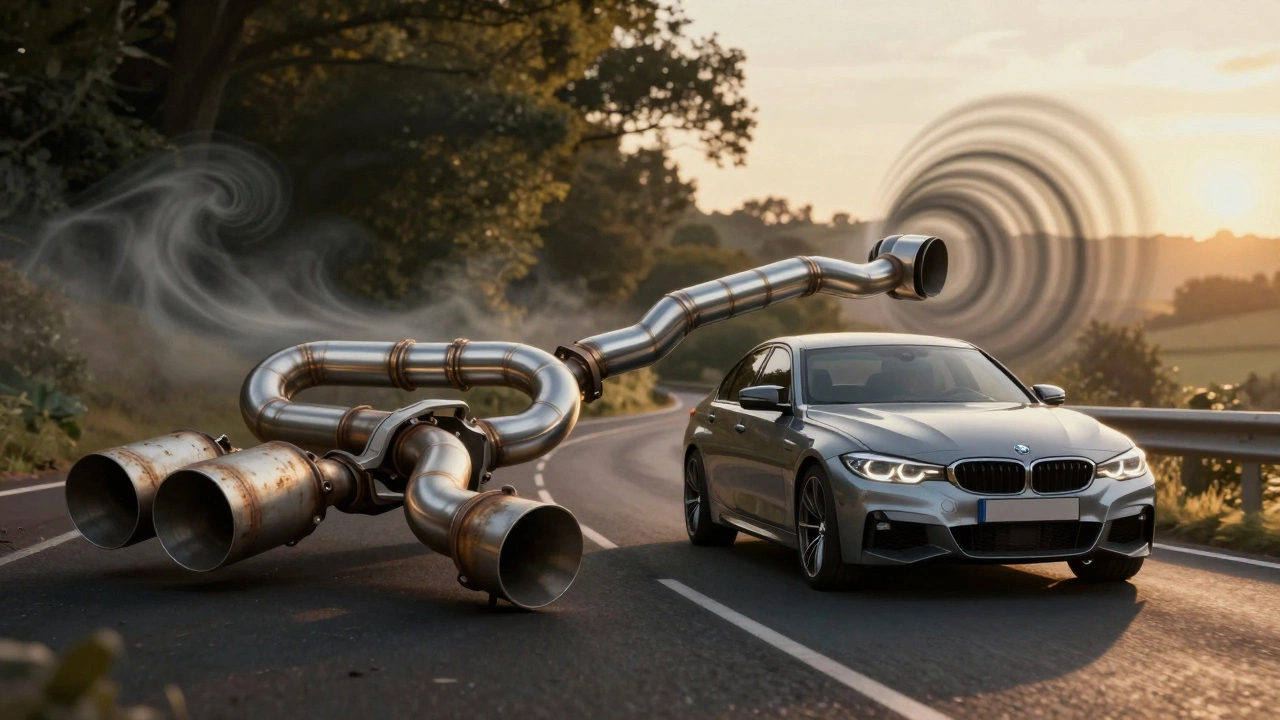
Here’s what actually works right now, based on real owner feedback and dyno results from UK tuning shops:
| Car Model | Best System | Price Range (GBP) | Sound Level | Power Gain |
|---|---|---|---|---|
| Toyota Corolla 1.8L | MagnaFlow Cat-Back | £550-£700 | Moderate, sporty | 8-12 hp |
| Ford Focus ST | Borla ATAK Cat-Back | £850-£1,000 | Loud, aggressive | 10-15 hp |
| BMW 330i | Akrapovič Titanium | £2,200-£2,800 | Refined, deep | 12-18 hp |
| Volkswagen Golf GTI | Scorpion Sport Cat-Back | £700-£850 | Balanced, not droning | 7-10 hp |
| Subaru WRX | Invidia N1 Cat-Back | £900-£1,100 | Aggressive, raspy | 15-20 hp |
Notice something? The priciest system isn’t always the best. The Akrapovič is gorgeous and lightweight, but unless you’re track-focused or care about the prestige, the Borla or Scorpion gives 90% of the benefit for half the price.
What About Sound? How Loud Is Too Loud?
Sound is personal. Some want a deep rumble. Others want a snarling growl. But here’s the truth: if your exhaust is louder than a motorcycle at 70 mph on the motorway, you’re probably annoying people-and possibly breaking the law.
UK regulations don’t have a specific decibel limit, but the MOT test checks for excessive noise. If your exhaust has been modified to make more noise than the original, you’ll fail. Police can also issue fines under the Road Vehicles (Construction and Use) Regulations 1986 if they deem your system a nuisance.
Look for systems labeled “MOT compliant” or “road legal.” Brands like Remus, Milltek, and Supersprint design their systems to pass inspections while still sounding good. Avoid cheap no-name systems with no baffles-they’re loud, cheap, and illegal.
Will an Aftermarket Exhaust Improve Fuel Economy?
It’s possible-but don’t count on it. A better-flowing exhaust reduces engine strain, which can help efficiency slightly under steady highway driving. But if you’re revving more because the sound feels cool, you’ll burn more fuel.
Real-world gains? Around 1-3% in ideal conditions. That’s maybe 0.5 mpg on a 40 mpg car. Not worth it for the fuel savings alone. Buy it for the sound, the feel, and the satisfaction-not the fuel bill.

Installation: DIY or Professional?
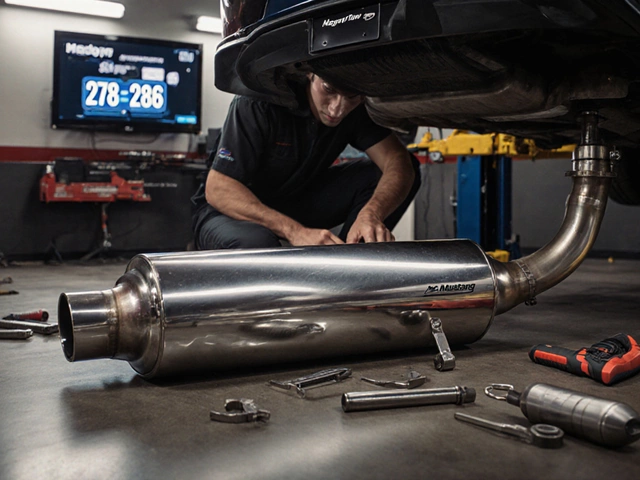
Most cat-back systems bolt on with basic tools. You’ll need jack stands, a wrench set, penetrating oil (for rusted bolts), and patience. If you’ve ever changed a brake pad, you can handle this.
But if your car is older, or if you’re replacing headers or catalytic converters, leave it to a pro. Rusty bolts, broken hangers, and misaligned flanges can turn a simple job into a £500 repair. Plus, if you mess up the oxygen sensor mounting or damage the catalytic converter, you’ll trigger a check engine light.
Expect to pay £80-£150 for professional installation at a local exhaust shop. It’s cheap insurance against a botched job.
What to Avoid
- Universal exhaust kits: They rarely fit right. They rattle. They leak. They sound awful.
- Chrome-plated systems: Chrome looks flashy but rusts fast. Stainless steel is the only real choice for longevity.
- Systems with no warranty: If a brand won’t stand behind its product, why should you trust it?
- “Race-only” systems: Unless you’re taking your car to the track, these are just loud, expensive, and illegal.
Final Advice: Pick Based on Use, Not Looks
Don’t buy an exhaust because it looks cool in a magazine. Ask yourself:
- Do I drive on motorways every day? Then pick a system with minimal drone.
- Do I want to impress at car shows? Go for a titanium system with polished tips.
- Do I just want my car to feel more alive on a Sunday drive? A mid-tier cat-back from Borla or MagnaFlow will do it.
The best exhaust system is the one that disappears when you’re commuting, and sings when you’re having fun. It’s not about volume. It’s about harmony-with your engine, your car, and your life.
Is it legal to install an aftermarket exhaust in the UK?
Yes, as long as the system doesn’t remove the catalytic converter or make the car louder than the original factory specification. The MOT test checks for excessive noise and emissions compliance. Systems labeled as "MOT compliant" or "road legal" are designed to pass. Avoid systems with no baffles or those marketed as "race-only"-they’ll fail inspection.
Do performance exhausts really add horsepower?
Yes, but modestly. A good cat-back system typically adds 5-15 horsepower, depending on the engine. Turbocharged cars like the Subaru WRX or Ford Focus ST see bigger gains because they’re more restricted by backpressure. Naturally aspirated engines gain less. The real benefit is improved throttle response and a more engaging driving experience-not massive power jumps.
What’s the difference between 304 and 409 stainless steel in exhausts?
304 stainless steel has more nickel and chromium, making it far more resistant to rust and corrosion. It’s ideal for wet, salty climates like the UK. 409 is cheaper and works fine in dry areas, but it will rust faster on roads treated with salt in winter. For long-term durability, 304 is worth the extra cost.
Can I install an exhaust system myself?
Yes, if you’re comfortable with basic tools and have a safe way to lift the car. Cat-back systems usually bolt on with no cutting or welding. But if your bolts are rusted, or you’re replacing headers or catalytic converters, it’s better to hire a professional. A poorly installed system can leak, rattle, or trigger engine codes.
How long does an aftermarket exhaust last?
A 304 stainless steel system can last 10-15 years or more with normal use. Cheaper 409 systems may start rusting in 3-5 years, especially in wet or salty environments. Proper installation and avoiding road salt buildup help extend life. Most reputable brands offer lifetime warranties on stainless steel components.
If you’re upgrading your exhaust, do it right. Pick a system built for your car, made from quality materials, and tuned for real driving-not just YouTube videos. The right exhaust doesn’t shout-it sings.