Brake Pad Replacement Calculator
How Often Should You Replace Brake Pads?
This calculator estimates when you should replace your brake pads based on your driving habits, vehicle type, and climate conditions. Remember: never ignore brake warning signs.
Based on your inputs:
Estimated replacement interval: 35,000 miles
Current recommendation: Replace brake pads every 15,000 miles
Note: Check your pads at least every 10,000 miles
Most drivers don’t think about their brake pads until they start squealing. By then, it’s often too late. Brake pads are one of the most critical safety components in your car, and knowing when to replace them can save you money-and maybe your life.
How long do brake pads usually last?
There’s no single answer, but most brake pads last between 30,000 and 70,000 miles. That’s a wide range, and it’s not because mechanics are guessing. It’s because driving habits, vehicle type, and climate all play a huge role.
If you drive mostly on highways with steady speeds, your pads might last closer to 70,000 miles. But if you live in a city like Manchester, where stop-and-go traffic is the norm, you could be looking at 30,000 miles or less. Heavy braking wears down pads faster than gentle deceleration.
Also, heavier vehicles need more stopping power. A small hatchback will put less stress on brake pads than a large SUV or a loaded van. And don’t forget about the type of pad: organic, semi-metallic, or ceramic. Ceramic pads last longer and handle heat better, but they cost more upfront.
What signs tell you it’s time to replace them?
You don’t need a mechanic to tell you when your pads are worn out. Your car will give you clear signals:
- Squeaking or squealing when you brake-especially at low speeds. This isn’t always dirt or moisture; it’s often a built-in wear indicator designed to make noise when the pad is thin.
- Grinding noise-metal-on-metal. If you hear this, you’re already damaging your rotors. Replace the pads immediately.
- Increased stopping distance. If it takes longer to stop than it used to, your pads are likely thin or glazed.
- Vibration or pulsing in the brake pedal. This usually means warped rotors, which often happen because worn pads overheated the rotor surface.
- Brake warning light. Some cars have sensors that trigger a dashboard light when pads are below a safe thickness.
Don’t wait for the warning light. By then, you’re already risking safety and spending more on repairs.
How often should you check them?
Check your brake pads every 10,000 miles, or at least once a year. If you drive a lot, check them every 6 months. Most mechanics will inspect them during an oil change, but don’t assume they’ll catch it if you skip services.
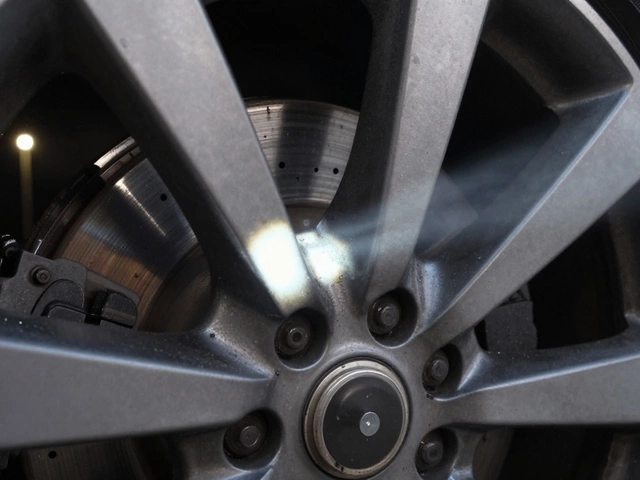
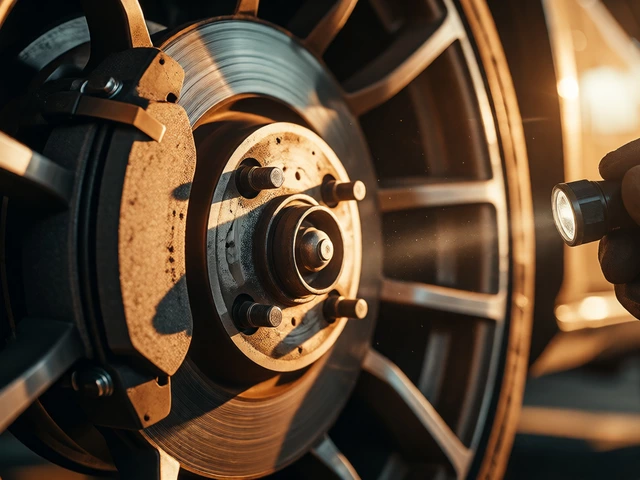
Here’s a simple way to check them yourself: look through the wheel spokes. You should see a thin metal backing plate with a thick rubber-like material pressed against it. That’s the pad. If the material looks less than a quarter-inch thick (about 6mm), it’s time to replace them. If you can see the metal backing plate at all, you’re already in danger zone.
Some drivers remove the wheel to get a better look. That’s fine, but not necessary unless you’re doing the replacement yourself. A flashlight and a quick glance through the rim is enough to spot major wear.
Do brake pads wear out faster in cold or wet climates?
Yes. In places like Manchester, where rain is frequent and winter brings icy roads, brake pads wear faster. Moisture causes corrosion on the rotor surface, which grinds down the pad material more quickly. Cold weather also makes the pad material stiffer, reducing friction until it warms up-leading to more aggressive braking.
Drivers in snowy areas often use their brakes more frequently to control speed on slippery surfaces. That extra use adds up. If you live where winters are harsh, plan on replacing pads closer to the 30,000-mile mark, even if your car is newer.
What happens if you wait too long?
Waiting too long doesn’t just mean a squeaky brake. It means you’re damaging the rotor-the expensive metal disc the pad clamps onto. Once the pad wears down to the metal backing, that metal scrapes against the rotor. This can score, warp, or even crack the rotor.
Replacing a rotor costs £150-£300 per axle. Replacing just the pads? £80-£150. That’s a big difference. And if you ignore the grinding noise long enough, you could end up with a complete brake failure. No one wants to find out their brakes don’t work when they need them most.
Can you extend brake pad life?
Absolutely. Here’s how:
- Coast to stop. Instead of braking hard at the last second, ease off the accelerator early. Let the car slow naturally.
- Avoid heavy loads. Don’t carry unnecessary weight in your trunk. Extra weight means more braking force needed.
- Use engine braking. On downhill stretches, shift to a lower gear. This lets the engine help slow the car, reducing brake use.
- Don’t ride the brake. Lifting your foot completely off the pedal when you don’t need to brake helps pads cool down and last longer.
These habits don’t just save money. They make driving smoother and safer.
Do all cars need the same replacement schedule?
No. Performance cars with high-friction pads wear out faster. Electric vehicles (EVs) often last longer because regenerative braking reduces mechanical brake use. But if you drive an EV aggressively-quick acceleration and hard stops-the pads will still wear quickly.
Older cars with drum brakes in the rear might have different wear patterns. The front pads take 70-80% of the braking load, so they wear faster. Rear pads can last twice as long in some models.
Check your owner’s manual. Most manufacturers give a recommended inspection interval. For example, Toyota suggests checking brakes every 12,500 miles. BMW recommends a visual check every 10,000 miles. Don’t treat these as suggestions-they’re based on real-world testing.
What about brake pad material?
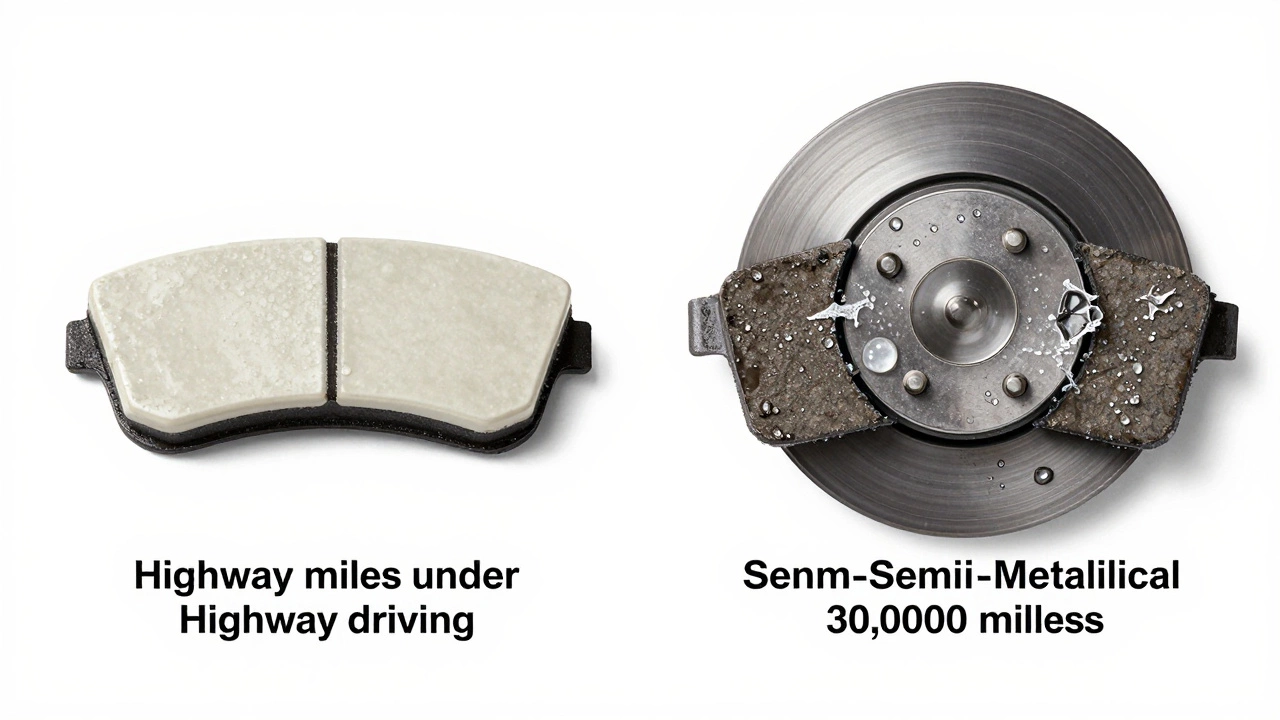
There are three main types:
- Organic (non-asbestos): Soft, quiet, and cheap. But they wear fast and fade under heavy heat. Common in older or budget cars.
- Semi-metallic: Made of metal fibers. Durable and heat-resistant. Good for performance or heavy vehicles. But they’re noisier and harder on rotors.
- Ceramic: Made of ceramic fibers and copper. Last the longest, produce less dust, and handle heat best. Quiet and smooth. Most modern cars come with these as standard.
If you’re replacing pads, ceramic is usually the best long-term choice unless you’re on a tight budget. The upfront cost is higher, but you’ll replace them less often.
Should you replace pads in pairs?
Always. Never replace just one side. Brake systems are balanced. If one pad is worn, the other is likely close behind. Replacing only one side creates uneven braking force, which can pull the car to one side or cause the ABS to activate unnecessarily.
Also, replace pads on both front wheels together, and both rear wheels together. Mixing old and new pads on the same axle is dangerous.
What’s the average cost to replace brake pads?
In the UK, you’re looking at £100-£250 for a full set, including labor. That’s for a standard family car. Performance cars or luxury models can go up to £400. DIY kits cost £40-£120, depending on brand and material.
Most garages include a rotor inspection in the price. If they say the rotors are damaged, get a second opinion. Some shops push replacements unnecessarily. A simple resurfacing (if the rotor isn’t too thin) can save you hundreds.
Final rule of thumb
Replace brake pads when they’re thinner than 3mm, or if you hear any unusual noise. Don’t wait for the warning light. Don’t assume they’re fine because the car feels "okay." Brakes are not something you can afford to guess on.
Check them every 10,000 miles. Drive smoothly. Choose ceramic pads if you can. And never ignore a squeal.
How often should brake pads be replaced on average?
On average, brake pads last between 30,000 and 70,000 miles. City driving, heavy braking, and wet climates reduce lifespan, while highway driving and ceramic pads extend it. Always check them visually every 10,000 miles.
Can you drive with worn brake pads?
Driving with worn brake pads is risky. If the pad material is below 3mm, stopping distance increases significantly. If you hear grinding, you’re damaging the rotor and risking brake failure. Replace them immediately.
Do brake pads wear out faster in winter?
Yes. Cold weather makes brake pad material stiffer, reducing grip until it warms up. Wet and icy roads require more frequent braking. Moisture also causes rotor corrosion, which accelerates pad wear. Drivers in rainy or snowy climates should expect to replace pads more often.
Should you replace brake pads and rotors at the same time?
Not always. If the rotors are still smooth and thicker than the minimum safe thickness (usually 2mm above the wear limit), they can be resurfaced. But if they’re scored, warped, or too thin, they must be replaced. A mechanic should measure them before deciding.
What’s the best type of brake pad to buy?
Ceramic brake pads are the best overall choice for most drivers. They last longer, produce less dust, operate quietly, and handle heat better than semi-metallic or organic pads. They cost more upfront but save money over time by reducing replacement frequency.