Clutch Replacement: When, Why, and How to Know It's Time
When your clutch replacement, the process of removing and installing a new clutch assembly to restore power transfer between engine and transmission. Also known as clutch repair, it's one of the most common but often misunderstood car maintenance tasks. Most drivers don’t think about their clutch until it starts slipping, grinding, or refusing to engage. But a failing clutch doesn’t always scream for attention—it often whispers. By the time you feel the pedal going soft or hear that metallic chatter, you’re already risking damage to the flywheel or transmission. Understanding how your clutch works—and when it’s truly done—is the key to avoiding expensive repairs.
The clutch lifespan, the typical mileage range a clutch assembly can handle before needing replacement, usually between 60,000 and 100,000 miles. depends less on time and more on how you drive. Stop-and-go city traffic? Holding the clutch halfway down at traffic lights? Riding the clutch while waiting? Each of those habits eats away at the friction material faster than normal use. A clutch in a diesel pickup used for towing might last 120,000 miles. One in a hatchback driven hard in London traffic? Maybe 40,000. The clutch wear, the gradual degradation of the friction plate and pressure plate due to heat, slippage, and mechanical stress. isn’t always visible, but the symptoms are. A spongy pedal, difficulty shifting, burning smell, or the engine revving without acceleration are all red flags. And if you hear grinding when shifting—even with the pedal fully pressed—you’re already damaging the clutch kit, the complete set of components including the pressure plate, friction disc, and release bearing that work together to engage and disengage engine power..
Clutch failure doesn’t happen overnight. It’s a slow leak of performance. You might notice your car doesn’t pull as hard uphill. Or your fuel economy drops for no obvious reason. Maybe the gear shift feels vague, like the car isn’t quite catching. These aren’t just "annoyances"—they’re early warnings. Ignoring them doesn’t save money. It just turns a £300 clutch job into a £1,200 transmission repair. And it’s not just about mileage. Moisture, oil leaks, or even a misadjusted cable can kill a clutch faster than aggressive driving.
Knowing when to replace your clutch isn’t about following a calendar. It’s about listening to your car. The posts below give you real, no-nonsense signs to watch for, what to expect during a replacement, and how to stretch your clutch’s life without turning your garage into a mechanic’s shop. Whether you’re a DIYer or just trying to avoid being overcharged, you’ll find the facts you need—no jargon, no hype, just what actually matters.

What Is the Average Life of a Clutch? Real-World Expectations and How to Extend It
Most clutches last 60,000 to 100,000 miles, but driving habits can cut that in half. Learn the real signs of wear, how to extend clutch life, and what to look for in a replacement kit.
December 4 2025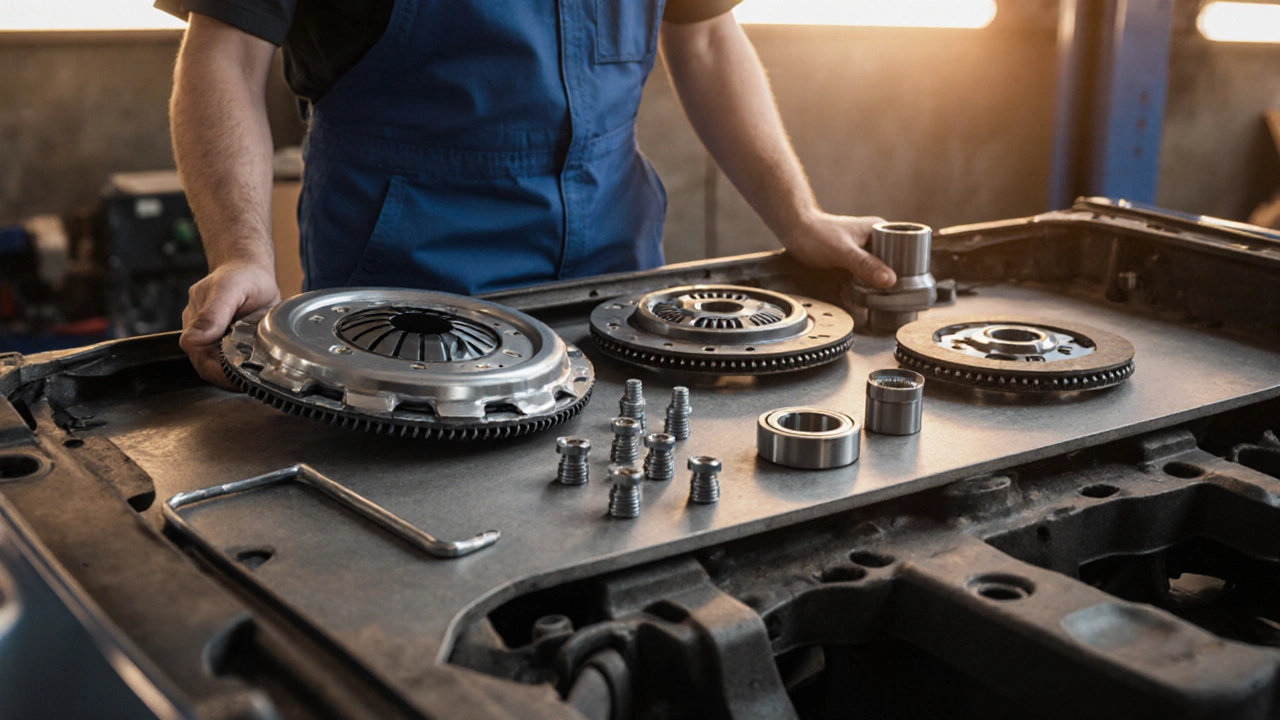
Additional Parts to Replace When Changing a Clutch
Learn which extra components to swap when you replace a clutch, from flywheel and pressure plate to hydraulic lines and engine mounts, with a full checklist and FAQs.
October 20 2025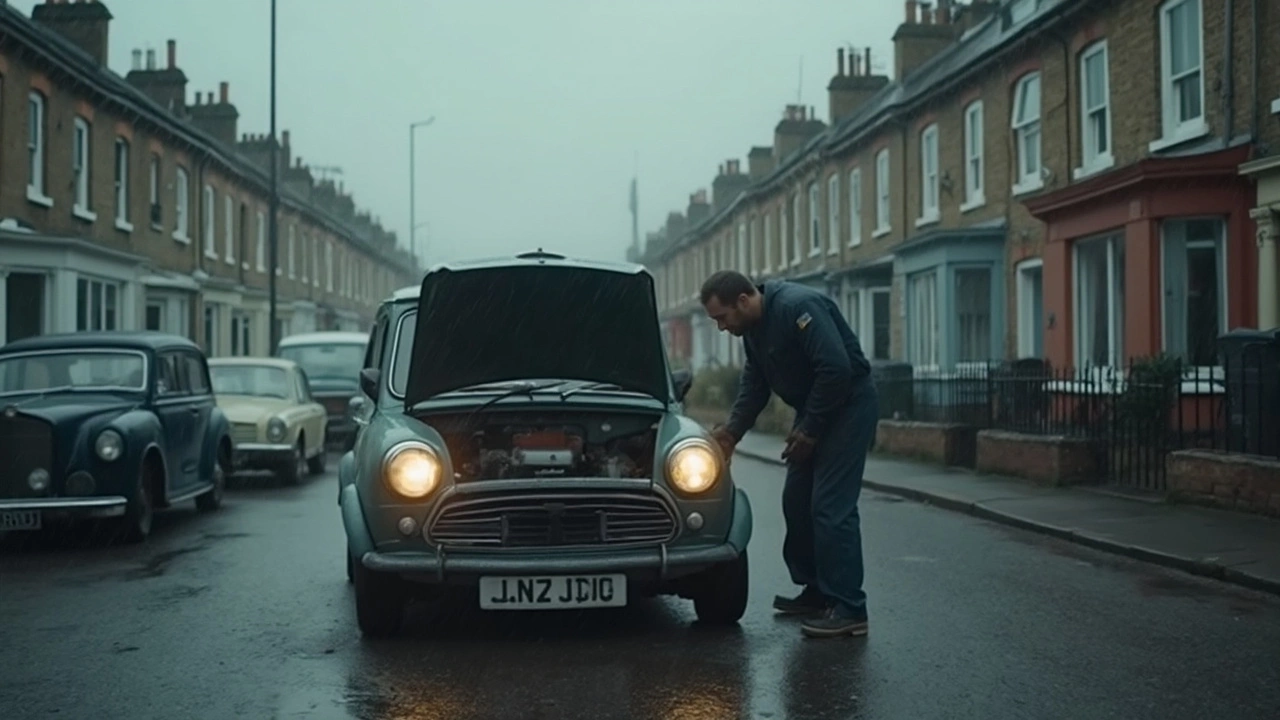
Clutch and Flywheel Failure Symptoms: How to Spot Issues Early
Wondering if your clutch or flywheel is failing? Learn how to spot warning signs, common causes, and what to do before repair costs spiral out of control.
June 26 2025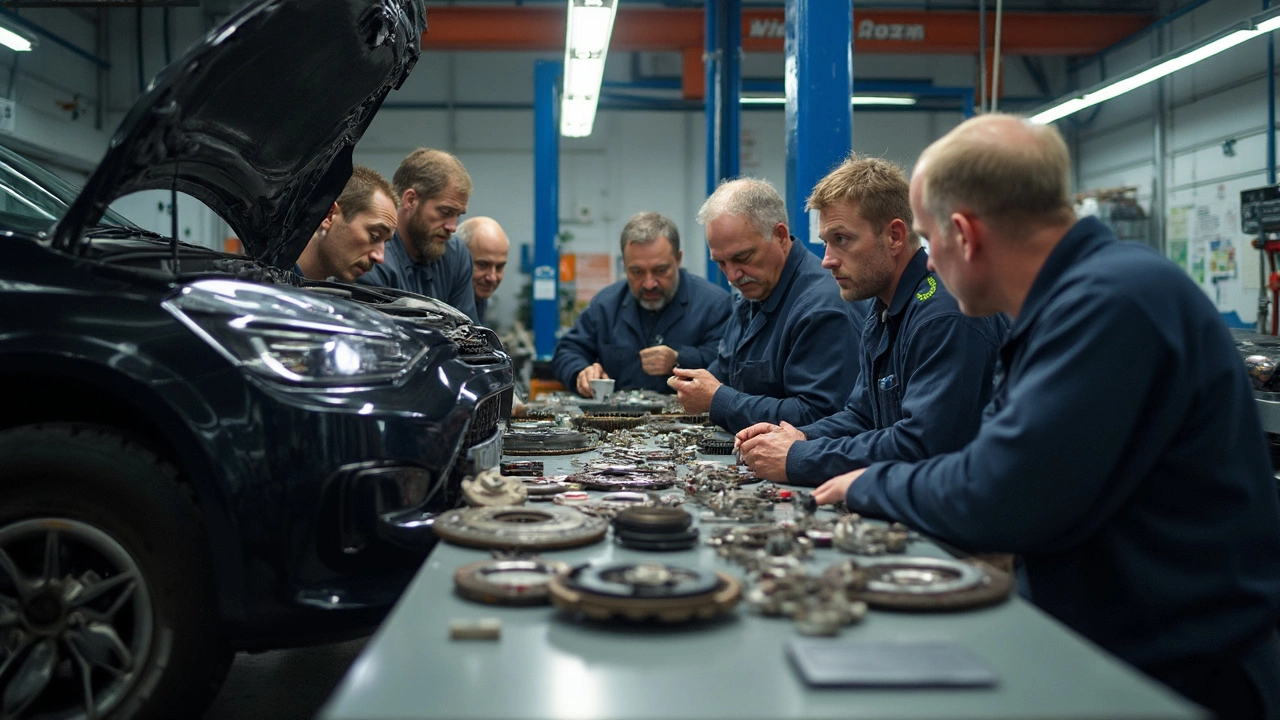
Clutch Replacement Cost: What to Expect and How to Save
Wondering how much a full clutch replacement really costs? This article breaks down the actual prices, what affects the cost, and what you’re really paying for at the shop. Find out when your clutch needs replacing and how you can cut your repair bill without skimping on quality. We’ll walk through tips to make sure you don’t get ripped off and answer the questions most folks have before spending big. Get the lowdown before you hand over your keys.
May 29 2025