Brake Noise: What It Means and How to Fix It
When your car makes a high-pitched squeal or a deep grinding sound when you brake, it’s not just annoying—it’s a brake noise, an audible signal that something in your braking system is worn, damaged, or failing. Also known as brake squeal, it’s one of the most common car warning signs drivers ignore until it’s too late. Brake noise doesn’t always mean immediate danger, but it always means you need to check your brakes—now. Ignoring it can turn a simple pad replacement into a full rotor and caliper job, costing you hundreds more.
Most brake noise comes from one of three places: brake pads, the friction material that presses against the rotor to stop your car, brake rotors, the metal discs the pads clamp onto, or debris caught between them. Worn pads often have metal wear indicators that scrape the rotor to make noise when the friction material is gone. That’s by design—it’s the system telling you to replace them. But if you hear a grinding sound, like metal on metal, you’ve already damaged the rotor. Rotors can warp from heat, get scored from worn pads, or rust if the car sits too long. Each of these issues creates different sounds and requires different fixes.
Brake noise can also come from bad calipers, loose hardware, or even cheap aftermarket parts that vibrate at certain speeds. It’s not always the pads or rotors—but those two are the most likely culprits. That’s why every brake inspection starts there. You can’t tell how much life is left in a rotor just by looking at the surface. You need to measure thickness and check for warping. And pad wear isn’t always obvious—some cars show wear on the inside pad first, which most drivers never see.
What you hear matters. A squeak at low speeds? Could be dust or moisture. A constant squeal under braking? Probably worn pads. A loud grind every time you press the pedal? Stop driving. That’s rotor damage, and it’s unsafe. Even if the car still stops, you’re risking brake failure. The UK’s MOT test checks brake performance, pad thickness, and rotor condition. If your brakes are noisy, they’re likely already failing that test.
There’s no magic fix for brake noise. No spray, no additive, no "quiet" pad will fix a damaged rotor. You can’t just slap on new pads over a grooved rotor and call it done. That’s how you get uneven wear, pulsating brakes, and early failure. The right fix depends on the cause—and that’s what the posts below cover in detail. You’ll find real-world guides on when to replace just the pads, when rotors need resurfacing or replacement, how to diagnose noise without a mechanic, and what to look for during a DIY brake inspection. Whether you’re trying to save money or just want to understand what’s happening under your hood, this collection gives you the facts—no fluff, no guesswork.

How to Tell if Brake Pads Are Bad: 7 Clear Signs You Need New Pads
Learn the 7 clear signs your brake pads are worn out, from squealing noises to longer stopping distances. Know when to replace them before it becomes dangerous or expensive.
December 18 2025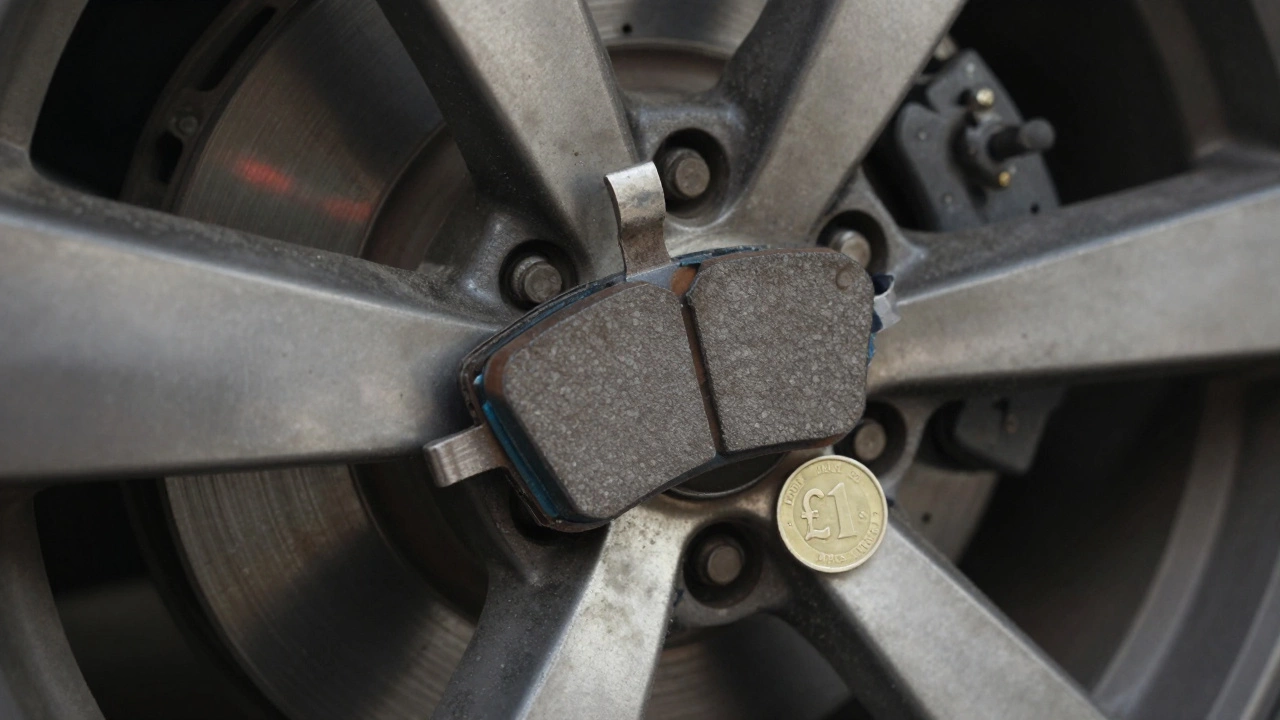
How Do You Know Your Brake Pads Are Bad? 7 Clear Signs You Need New Brake Pads
Learn the 7 clear signs your brake pads are worn out - from squealing noises to longer stopping distances. Don't wait until it's too late to replace them.
December 1 2025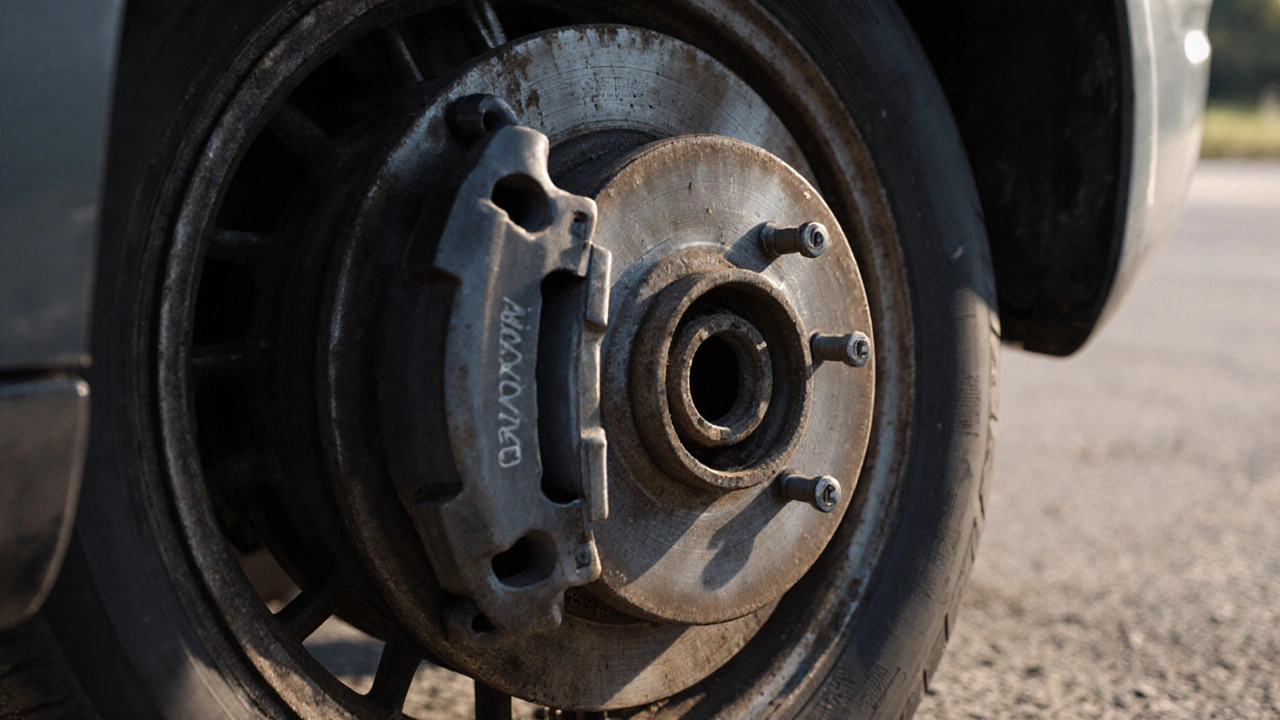
How to Know When Brake Pads Need Replacing: Signs You Can't Ignore
Learn the real signs your brake pads need replacing - from squealing noises to longer stopping distances. Don't wait until it's too late. Get safe, affordable brake checks before damage costs more.
November 23 2025
Is It Safe to Drive on Grinding Brakes? Risks, Warning Signs & What to Do
Wondering if you can drive with grinding brakes? Discover why your brakes grind, the dangers, warning signs, and smart ways to handle it fast.
June 27 2025