Aftermarket Exhaust: What Works, What Doesn't, and What You Need to Know
When you hear the deep rumble of a tuned car rolling past, that’s often the sound of an aftermarket exhaust, a replacement exhaust system designed to improve performance, sound, or both over the factory version. Also known as an upgraded exhaust, it’s one of the most popular modifications for drivers who want more from their car without swapping the engine. But not all aftermarket exhausts are created equal. Some deliver real gains in power and throttle response. Others just make noise—and sometimes, that noise breaks the law.
What you’re really buying with an performance exhaust, a system engineered to reduce backpressure and improve airflow for better engine efficiency is control. Control over how your car sounds, how it responds, and even how efficiently it burns fuel. A cat-back exhaust, the portion of the exhaust system from the catalytic converter back to the tailpipe is the most common upgrade because it’s legal in most places and doesn’t require tampering with emissions controls. It replaces the stock muffler, pipes, and tip with freer-flowing parts. That’s where you get the extra 5 to 10 horsepower—nothing flashy, but enough to feel the difference when you press the gas.
But here’s the catch: louder doesn’t mean better. A system that sounds like a jet engine might be illegal on UK roads, and you could get fined or fail your MOT. The best aftermarket exhausts balance sound, legality, and durability. Stainless steel lasts longer than aluminized steel. Dual-outlet tips look sharp but don’t add power. And a system that’s too free-flowing can hurt low-end torque, making your car sluggish in traffic.
Before you buy, ask yourself: Do you want more power, a better sound, or just a cooler look? If you drive daily, go for a moderate upgrade that keeps your car quiet enough for neighborhoods and legal for the MOT. If you’re building a weekend toy, you can push further—but don’t skip the exhaust inspection. A poorly installed system can rattle, leak, or even overheat nearby components.
And don’t forget the exhaust upgrade, any modification that replaces factory exhaust parts to improve flow, sound, or appearance isn’t just about the hardware. It’s about matching it to your car’s engine size, driving style, and even the type of fuel you use. A turbocharged car responds differently than a naturally aspirated one. A daily driver needs a different setup than a track-focused machine.
What you’ll find below are real-world tests and guides from UK drivers who’ve tried these systems. No hype. No guesswork. Just what works, what doesn’t, and what you need to know before you open your wallet. Whether you’re after a subtle growl or a full-throated roar, there’s a setup here that matches your car—and your budget.
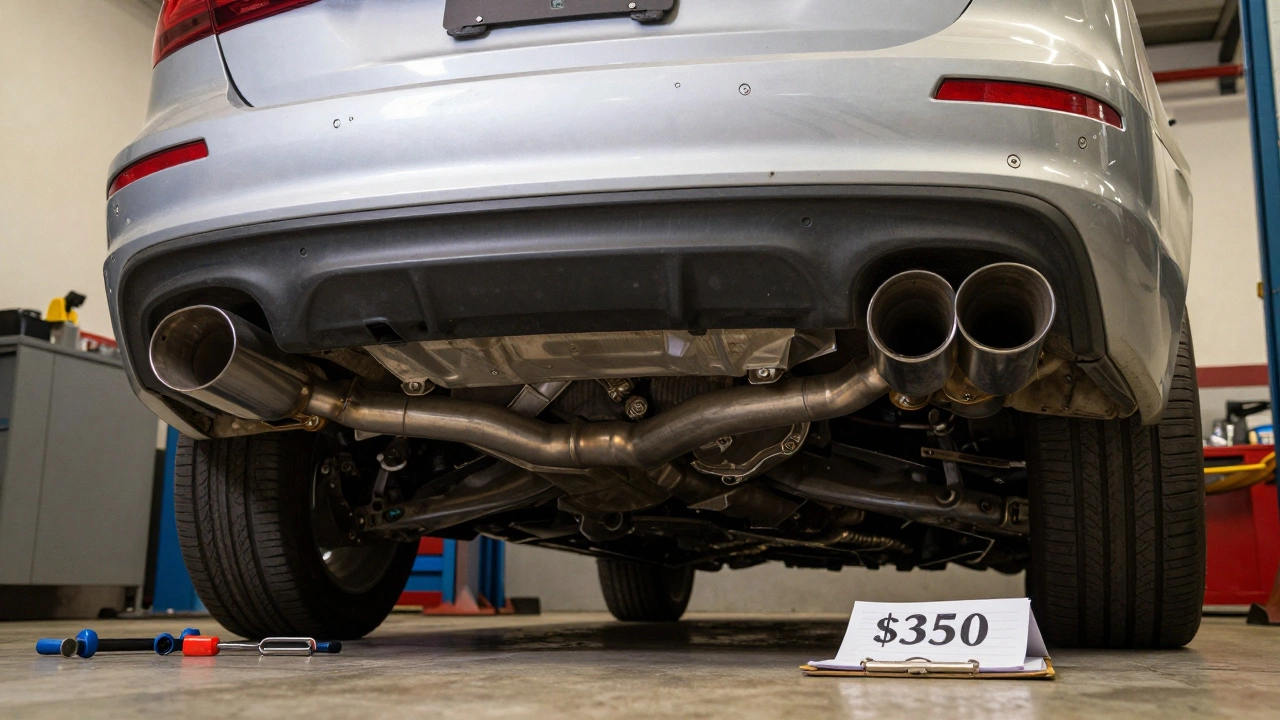
How Much Should I Spend on an Exhaust System?
Deciding how much to spend on an exhaust depends on your car, goals, and budget. Learn what you get at different price points, which materials last longest, and how to avoid common mistakes.
February 8 2026
What Are the Disadvantages of Aftermarket Exhaust Systems?
Aftermarket exhausts sound great but come with real downsides: louder noise, warranty risks, worse fuel economy, legal issues, and lower resale value. Know the trade-offs before you upgrade.
December 1 2025