Air Filter Maintenance Calculator
Recommended Maintenance Schedule
Most drivers don’t think about their air filter until their car starts running rough or the AC blows dusty air. But washing or replacing your air filter isn’t just about comfort-it affects fuel economy, engine life, and even your health. If you live in Manchester, where damp roads, urban dust, and frequent rain are normal, your air filter works harder than you might realize. So how often should you wash your air filter? The answer isn’t one-size-fits-all. It depends on your car, your driving habits, and the environment around you.
Engine Air Filter vs Cabin Air Filter: Know the Difference
First, you need to know which air filter you’re dealing with. There are two: the engine air filter and the cabin air filter. They’re not the same, and they don’t get cleaned the same way.
The engine air filter sits in the engine bay and stops dirt, leaves, and debris from getting into your engine’s intake system. If it gets clogged, your engine has to work harder to pull in air. That means less power, worse fuel economy, and eventually, internal damage. Most engine air filters are made of paper or foam and are designed to be replaced, not washed-unless your manual says otherwise.
The cabin air filter, on the other hand, cleans the air that comes into your car’s interior through the HVAC system. It traps pollen, exhaust fumes, dust, and even mold spores. This is the one you’ll want to wash or replace if you notice bad smells, weak airflow from the vents, or if you suffer from allergies. Many modern cabin filters are washable, especially those made from synthetic foam or reusable materials.
When to Wash (and When to Replace)
Not all air filters can be washed. Check your owner’s manual. If it says ‘replace only,’ don’t try to clean it. Washing a paper filter can damage it and let dust through-worse than leaving it dirty.
But if you have a reusable air filter-like those from K&N, AEM, or other performance brands-they’re designed to be cleaned and reused. These are usually made of oiled cotton gauze or foam. They’re common in modified cars or trucks, but more drivers are switching to them for long-term savings.
For reusable engine air filters: wash every 15,000 to 30,000 miles. In Manchester’s damp, dusty conditions, lean toward the 15,000-mile mark. For cabin air filters: if yours is washable, clean it every 6 to 12 months. If it’s disposable, replace it every 12,000 to 15,000 miles-or sooner if you drive a lot on country roads or during pollen season.
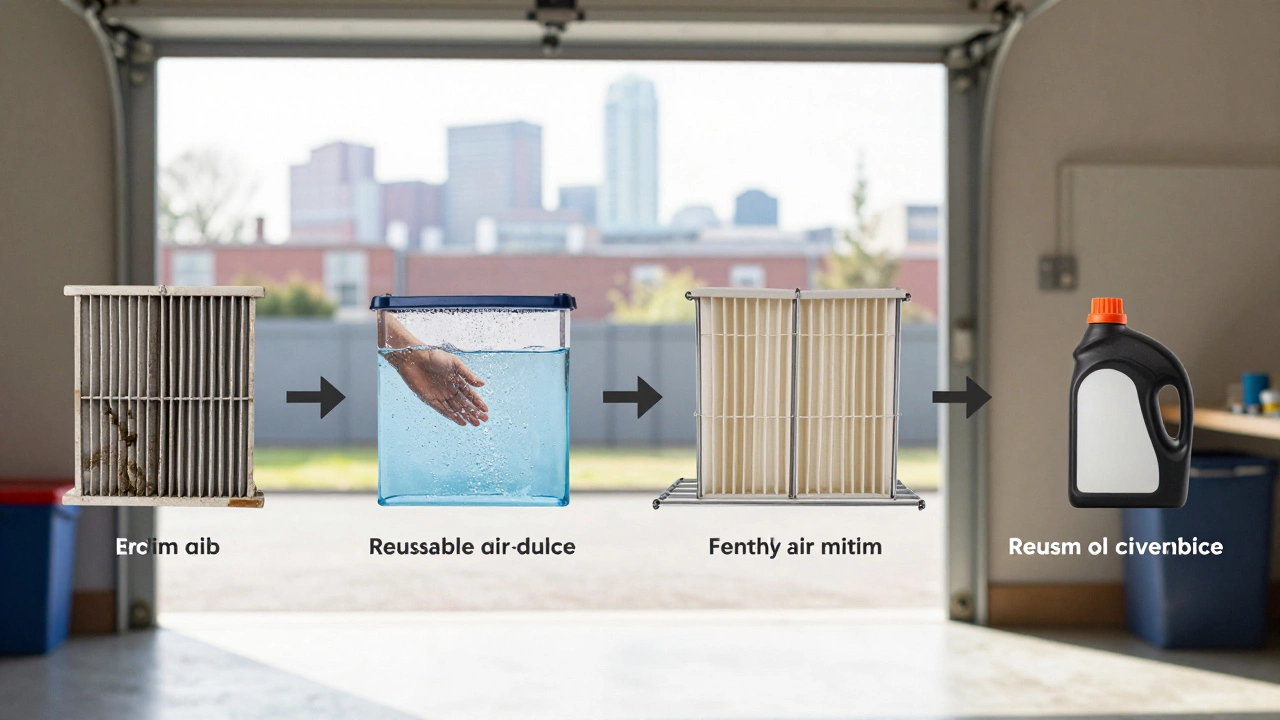
How to Wash a Reusable Air Filter (Step by Step)
If you’ve got a washable filter, here’s how to clean it properly:
- Remove the filter from its housing. Most are held in by clips or screws-no tools needed in most cases.
- Tap it gently to knock loose dirt. Do this outside to avoid making a mess indoors.
- Use a filter cleaning solution (available at auto parts stores). Don’t use dish soap or vinegar-it can break down the filter’s material or leave residue.
- Rinse with cool water, going with the grain of the filter (not against it). Never use a pressure washer.
- Let it air dry completely. This takes 12 to 24 hours. Don’t rush it with a hairdryer or heat.
- Re-oil it with the correct filter oil. Too much oil can clog your MAF sensor. Too little and it won’t trap dust.
- Reinstall and double-check the seal.
Skipping the drying or re-oiling step is the #1 mistake people make. A damp, un-oiled filter won’t work-and can actually let more dirt through than a clean one.
Signs Your Air Filter Needs Attention
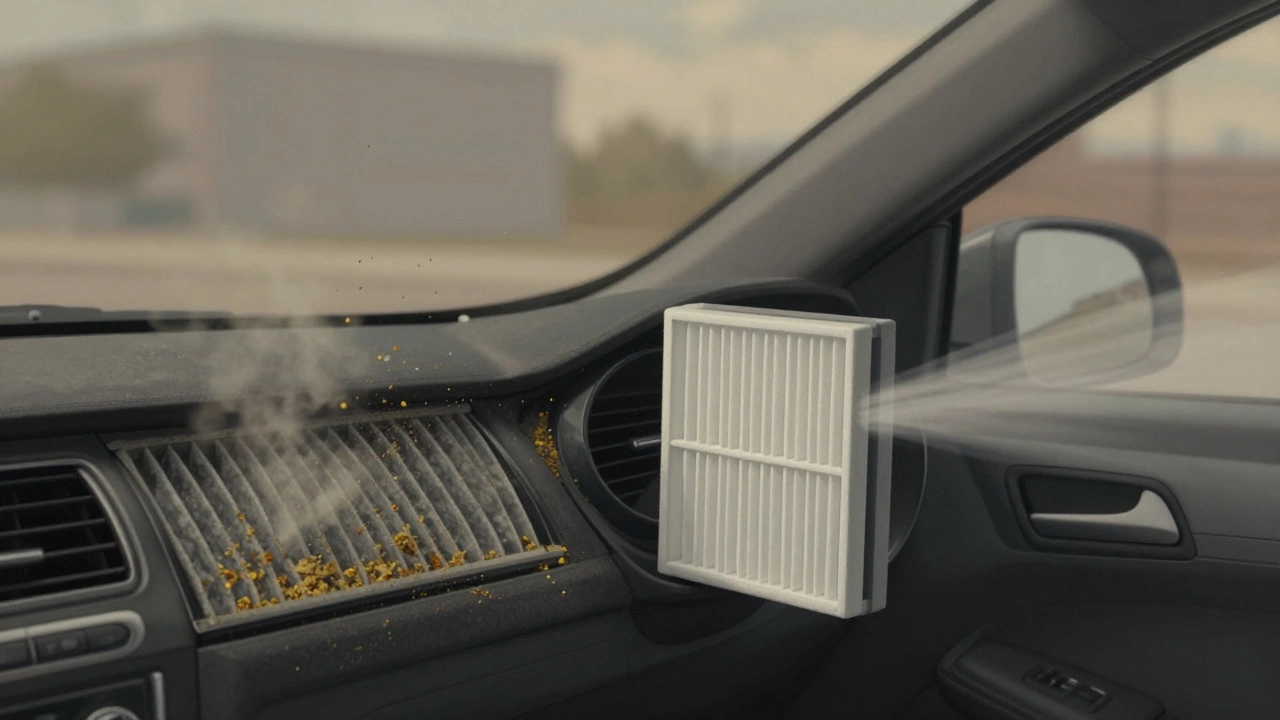
You don’t need a timer to know when it’s time. Watch for these red flags:
- Reduced airflow from vents (cabin filter)
- Engine hesitation or rough idle (engine filter)
- Decreased fuel economy by 5-10%
- Black smoke from the exhaust (bad engine filter causing rich fuel mix)
- Unusual smells coming from the AC-musty, like wet socks or mildew (cabin filter)
- Visible dirt when you hold the filter up to light
If you see any of these, don’t wait for your next service. A clogged cabin filter can strain your blower motor and cost you hundreds to replace. A dirty engine filter can lead to cylinder scoring or turbocharger failure-repairs that run into thousands.
Manchester’s Climate Makes a Difference
Here in Manchester, we get rain almost every week. That means wet roads kick up mud and road grime. Combine that with city traffic, industrial dust, and tree pollen in spring, and your filters are under constant stress.
Drivers who commute daily on the M60 or through Salford should consider checking their cabin filter every 6 months. If you drive on gravel roads near the Pennines or take weekend trips through the Peak District, your engine filter might need cleaning or replacement every 10,000 miles.
There’s no official UK standard for air filter life, but the AA and RAC both recommend checking both filters at your annual service. That’s a good baseline-but if you drive more than 12,000 miles a year, check them every 6 months.
Cost of Ignoring Your Air Filter
A new cabin air filter costs between £10 and £30. A reusable engine filter runs £50-£100 but lasts 5-10 years with proper care. Compare that to the cost of replacing a MAF sensor (£150-£300) or a damaged turbocharger (£1,500+).
One study from the Society of Automotive Engineers found that a severely clogged engine air filter can reduce fuel economy by up to 14%. That’s £150+ extra per year on fuel for the average UK driver.
And if you have asthma or allergies? A clean cabin filter isn’t a luxury-it’s a health necessity. A 2023 study by the UK’s Asthma UK charity showed that drivers with poor cabin air filtration reported 40% more respiratory symptoms during peak pollen months.
Pro Tips for Longer Filter Life
- Keep your car parked in a garage or under cover when possible. It cuts down on dust buildup.
- Use the ‘recirculate’ mode in heavy traffic or during pollution alerts. It keeps dirty air out.
- Don’t drive with windows open on dusty roads-it’s like running your AC without a filter.
- Keep your filter housing clean. Dirt around the seal can sneak past even a fresh filter.
- Mark your calendar. Set a reminder to check filters every 6 months or 6,000 miles.
Washing your air filter isn’t glamorous, but it’s one of the easiest ways to save money, protect your car, and breathe easier. It takes 30 minutes and costs less than a pint of petrol. Do it right, and your car will thank you for years.
Can I wash my paper air filter?
No, you should never wash a paper air filter. It’s designed to be replaced. Washing it will damage the fibers, reduce its ability to trap dust, and may let particles into your engine. Always replace paper filters according to your owner’s manual.
How often should I replace my cabin air filter?
Replace your cabin air filter every 12,000 to 15,000 miles, or once a year-whichever comes first. If you drive in dusty areas, near construction sites, or suffer from allergies, replace it every 6 months. Some manufacturers recommend replacement every 2 years, but that’s only for low-mileage drivers in clean environments.
What happens if I don’t clean or replace my air filter?
A dirty engine air filter can cause poor fuel economy, reduced power, and engine damage over time. A clogged cabin filter strains the blower motor, reduces airflow, and lets allergens and pollutants into your cabin. In extreme cases, a blocked filter can trigger check engine lights or cause HVAC system failure.
Are reusable air filters worth it?
Yes-if you drive regularly and want to save money long-term. A reusable engine air filter costs more upfront but lasts 5-10 years with proper cleaning. You’ll save £100-£200 over time compared to buying paper filters every 12-15,000 miles. Just make sure you follow the cleaning and oiling steps exactly.
Can I use water to clean my air filter?
Only if the filter is designed for it. For reusable filters, use cool water and a proper filter cleaning solution. Never use hot water, pressure washers, or household cleaners. Always let it dry fully before re-oiling and reinstalling. Water alone won’t remove oil-based grime and can leave residue that harms performance.