Brake Pad Cost Estimator
Vehicle & Service Type
Pad Quality & Extras
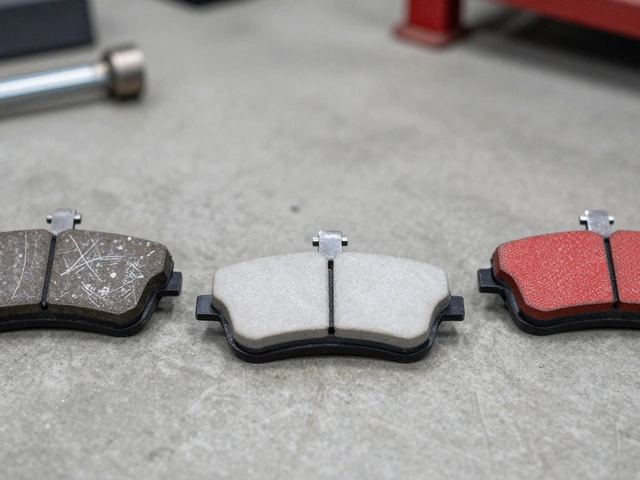
Good heat dissipation, but can be noisy. Faster rotor wear.
Quieter, less dust, consistent stopping power. Best for daily drivers.
For sports cars or heavy towing. Requires heat to work effectively.
There is no single answer to how much 4 brake pads should cost because the price swings wildly depending on whether you are buying a budget set for a compact sedan or a high-performance ceramic set for a heavy SUV. However, if you walk into an auto parts store today in 2026, you can expect to pay between $30 and $150 for the parts alone. If you are having a mechanic do the work, that total bill usually jumps to between $150 and $400 per axle.
I have seen customers shocked by invoices, and I have seen mechanics roll their eyes at 'budget' choices that failed after two weeks. The truth is that brake pads are not just friction material; they are safety equipment. Knowing what you should pay helps you avoid being overcharged while ensuring you don't skimp on quality. Let's break down exactly where your money goes.
The Parts-Only Price Breakdown
If you plan to change the pads yourself, you need to understand the three main tiers of brake pads available on the market. Each tier has a distinct price point and performance profile.
- Budget/Semi-Metallic Pads: These typically cost between $30 and $60 for a set of four. They are made with metal fibers which provide good heat dissipation but can be noisy and wear out your rotors faster. Brands like generic house brands or entry-level options from major manufacturers fall here.
- Premium Ceramic Pads: This is the sweet spot for most daily drivers. Expect to pay between $60 and $120. Ceramic compounds are quieter, produce less dust, and offer consistent stopping power in normal driving conditions. Brands like Bosch, Wagner, or Akebono dominate this space.
- Performance/Track Pads: For sports cars or towing-heavy vehicles, these range from $100 to $250+. They require heat to work effectively and are designed for aggressive driving. Brands like EBC or Hawk are common here.
Keep in mind that prices fluctuate based on vehicle size. A set for a Honda Civic will always be cheaper than a set for a Ford F-150 because the latter requires larger, heavier-duty components.
Labor Costs: Why Mechanics Charge What They Do
If you are not changing them yourself, labor is often the bigger expense. In 2026, average labor rates at independent shops hover around $90 to $120 per hour, while dealerships can charge $150 or more. Changing brake pads is usually a quick job-often taking less than an hour per axle-but shops rarely charge by the minute. They use a flat-rate system.
A typical brake pad replacement involves removing the wheels, compressing the caliper pistons, swapping the pads, and lubricating the slide pins. This process is standardized, so the labor cost shouldn't vary wildly between shops for the same vehicle. However, if your calipers are seized or your rotors are warped, the time-and cost-will increase significantly.
| Vehicle Type | Budget Shop Estimate | Dealer/High-End Shop Estimate |
|---|---|---|
| Compact Sedan (e.g., Toyota Corolla) | $150 - $200 | $250 - $350 |
| Midsized SUV (e.g., RAV4) | $200 - $275 | $300 - $450 |
| Heavy Truck/Luxury Vehicle | $300 - $400 | $450 - $600+ |
Hidden Costs That Blow Up Your Budget
The sticker price for pads is rarely the final price. Several factors can add unexpected costs to your brake job. Being aware of these helps you budget correctly and avoids arguments at the counter.
Rotor Resurfacing or Replacement
Your rotors (discs) must be smooth for the new pads to grip properly. If they are slightly worn, a machine can resurface them for about $50-$80 per rotor. If they are below the minimum thickness specification or severely grooved, they must be replaced. New rotors cost $30-$80 each, plus labor. Always ask if rotors need to be changed before authorizing the work.
Caliper Slide Pins and Hardware
Every brake job should include cleaning and greasing the caliper slide pins. If these pins are corroded or stuck, the caliper won't release fully, causing your new pads to drag and overheat. Replacing pin kits is cheap ($10-$20), but if the mechanic has to spend extra time freeing them up, labor costs rise. Some shops charge separately for 'hardware kits' which include clips and shims.
Brake Fluid Flush
This is often overlooked. When you compress the caliper pistons to fit new, thicker pads, you push old brake fluid back into the reservoir. If your fluid is old or contaminated, it can boil under hard braking, leading to failure. A flush costs $50-$100 but is a critical safety upgrade, especially if it has been more than two years since your last service.
DIY vs. Professional Installation: The Real Trade-Off
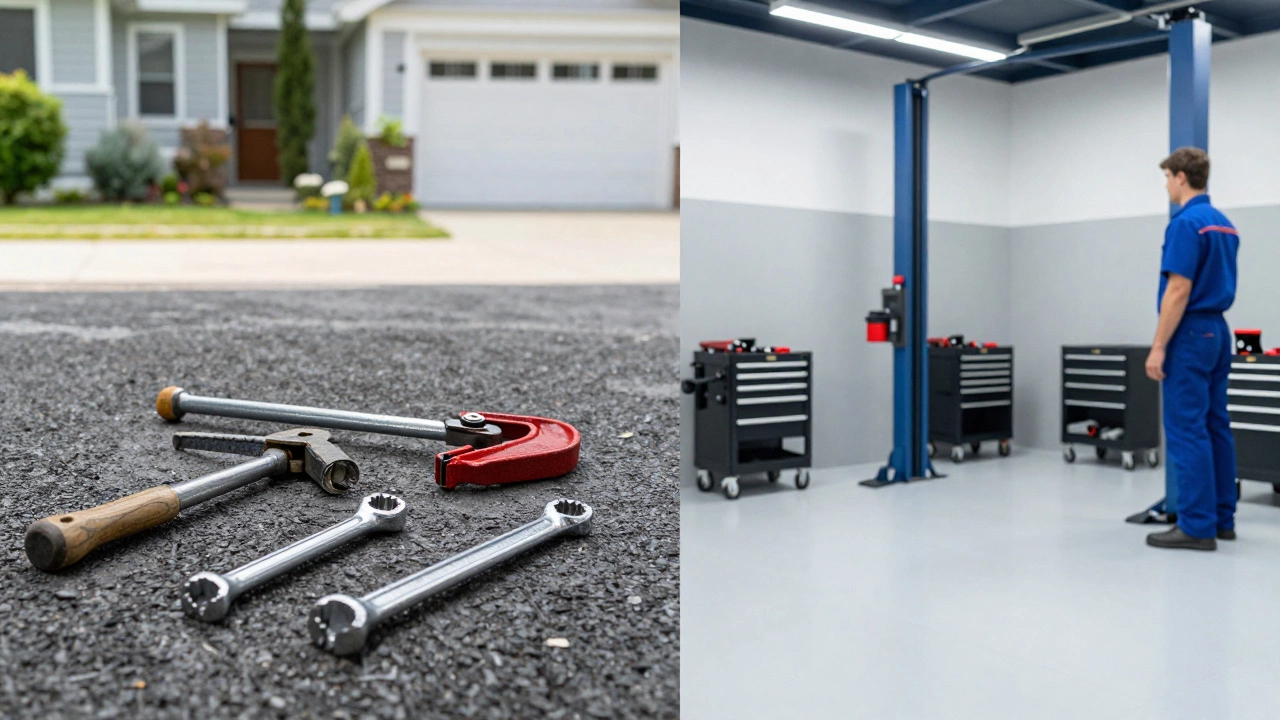
Changing brake pads is one of the most accessible DIY car repairs. You need a jack, jack stands, a lug wrench, a C-clamp or piston tool, and some brake cleaner. The tools cost less than $100 if you buy basic versions, and you can reuse them forever.
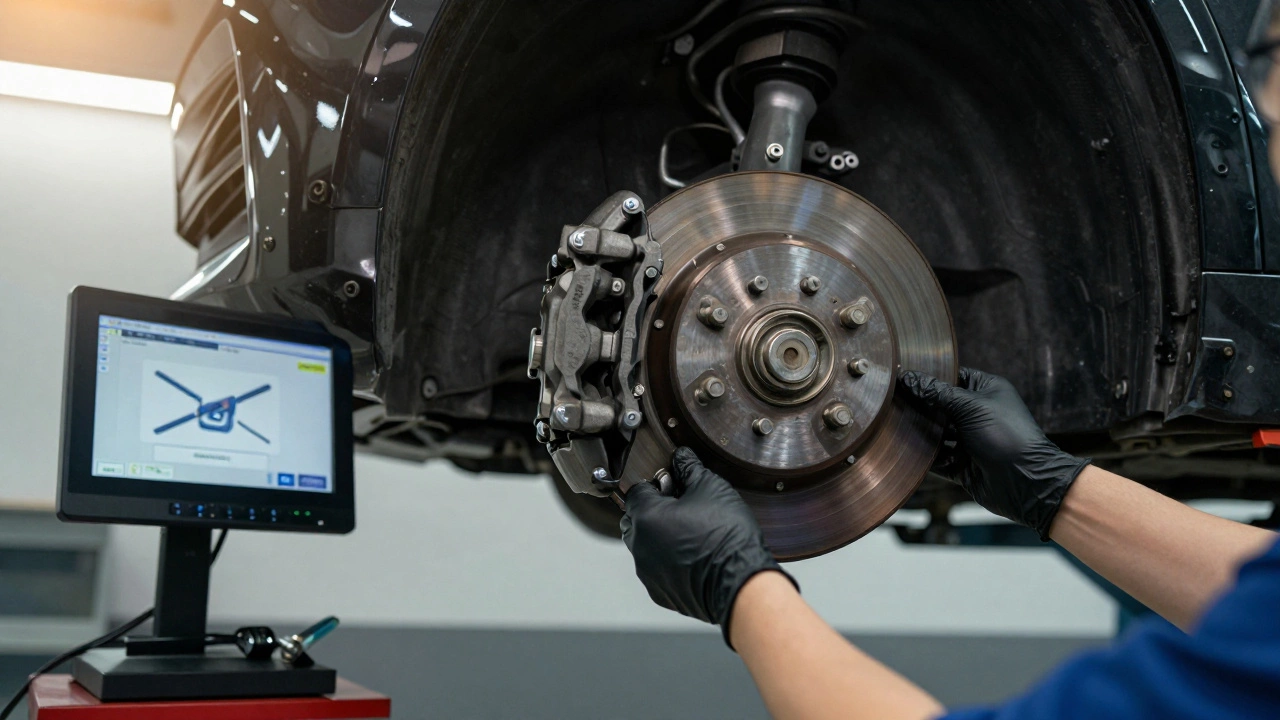
However, there is a risk factor. If you install the pads incorrectly, fail to lubricate the contact points, or torque the lug nuts improperly, you risk brake fade, noise, or even wheel detachment. Additionally, many modern cars have electronic parking brakes that require special software tools to retract the rear caliper pistons. Without this scan tool, you cannot replace rear pads on vehicles like newer Teslas, BMWs, or Audis. In these cases, professional installation is mandatory.
Signs You Are Being Overcharged
While prices vary by region, certain red flags indicate you might be paying too much. Here is how to spot them:
- Vague Quotes: A reputable shop gives you a quote for parts and labor separately. If they say 'it'll be around $300' without breaking it down, they may be inflating the parts markup.
- Forced Upsells: While rotors and hardware often need attention, being pressured to buy 'lifetime warranty' pads or unnecessary additives is a sales tactic, not a mechanical necessity.
- Excessive Markup: Shops typically mark up parts by 30%-50%. If you see a brand-name part listed at double its retail price without justification, ask for a receipt or compare online prices.
Choosing the Right Pads for Your Driving Style
The cost isn't just about the initial price tag; it's about longevity and performance. Cheap semi-metallic pads might save you $30 upfront but could wear out in 20,000 miles, whereas premium ceramics might last 40,000+ miles. Over five years, the premium option is often cheaper.
If you drive mostly in the city with lots of stop-and-go traffic, ceramic pads are ideal because they handle frequent low-speed stops well and stay quiet. If you tow trailers or drive in mountainous areas, semi-metallic or performance pads are better because they dissipate heat more efficiently, preventing brake fade during heavy use.
Frequently Asked Questions
Can I buy brake pads online to save money?
Yes, buying online from retailers like Amazon, RockAuto, or direct manufacturer sites can save you 20-40% compared to local auto parts stores. However, you must ensure you order the exact fitment for your vehicle year, make, model, and trim. Incorrect pads can cause poor braking or damage to rotors.
Is it safe to mix different brands of brake pads?
It is generally not recommended. Different brands use different friction coefficients. Mixing them can lead to uneven braking, pulling to one side, and inconsistent wear. Always replace all four pads on an axle (front or rear) with the same brand and type.
Why are rear brake pads more expensive to replace?
On many modern vehicles, rear brakes are integrated with the electronic parking brake system. This requires specialized diagnostic tools to retract the caliper piston electronically. Standard tools cannot compress these pistons, making DIY difficult and increasing labor time for professionals.
How often should brake pads be replaced?
There is no fixed mileage interval. It depends on driving habits. City drivers may need replacements every 30,000 miles, while highway drivers might go 70,000 miles. Most pads have a wear indicator that squeals when they are near the end of their life. Inspect them every 10,000 miles or during tire rotations.
What is the difference between OE and aftermarket brake pads?
OE (Original Equipment) pads are made by the supplier specified by the car manufacturer (e.g., Textar for BMW). Aftermarket pads are made by third-party companies. OE pads guarantee factory performance and noise levels. High-quality aftermarket pads (like Bosch or Wagner) often match or exceed OE performance and may offer better value or specific features like low-dust formulas.