Clutch Slippage & Repair Cost Estimator
Select the issues you are experiencing:
Estimate replacement costs based on your vehicle type:
Imagine you’re driving up a steep hill in Manchester traffic. You press the accelerator, expecting the car to surge forward, but instead, the engine screams while the speedometer barely moves. Your foot is on the gas, yet the power isn’t transferring to the wheels. This frustrating sensation is known as a slipping clutch. It’s a common issue that leaves many drivers wondering if there’s a simple fix-like tightening a bolt or adjusting a screw-to save them from expensive repairs.
The short answer is no. You cannot tighten a slipping clutch to fix it. In fact, trying to "tighten" the clutch mechanism often makes the problem worse or causes immediate failure. A slipping clutch is almost always caused by worn-out friction material, not loose hardware. Understanding why this happens and what actually needs to be done can save you time, money, and potential safety hazards on the road.
Why Can't You Just Tighten a Slipping Clutch?
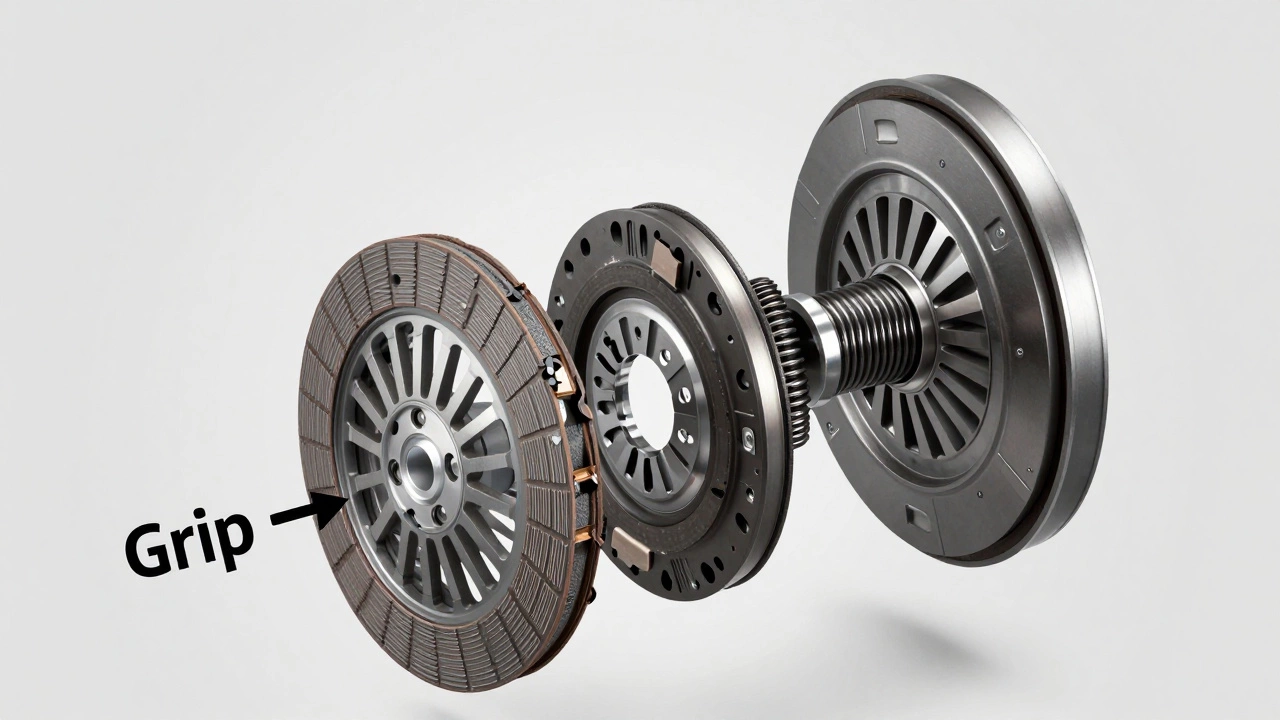
To understand why tightening isn’t an option, we need to look at how a clutch works. It is a mechanical device that engages and disengages the engine from the transmission. Inside your vehicle, a friction disc sits between two metal plates: the flywheel (connected to the engine) and the pressure plate (connected to the gearbox).
When you release the clutch pedal, springs inside the pressure plate squeeze the friction disc against the flywheel. This grip transfers power. Over time, the friction material on the disc wears down, much like brake pads. Once this material is gone, the disc can no longer grip the flywheel effectively, causing slippage. Since the issue is physical wear of the material, not a lack of tension, tightening screws or bolts won’t restore the missing friction surface. In older vehicles with cable-operated clutches, adjusting the cable might change the pedal feel, but it won’t stop a worn disc from slipping under load.
Signs Your Clutch Is Slipping
Identifying a slipping clutch early can prevent further damage to your transmission. Here are the most common symptoms:
- RPM spike without speed increase: You’re accelerating, the rev counter shoots up, but the car doesn’t speed up proportionally.
- Burning smell: A distinct odor resembling burning toast or overheated brakes indicates excessive friction heat.
- Spongy or soft pedal: The clutch pedal feels less resistant than usual, sinking closer to the floorboard.
- Difficulty shifting gears: Gears grind or refuse to engage smoothly, especially when moving from first to second gear.
- Vibration in the pedal: You feel shuddering or pulsing through the clutch pedal during engagement.
If you notice these signs, ignore them at your peril. Continuing to drive with a slipping clutch generates intense heat, which can warp the flywheel and damage the transmission bearings.
What Actually Fixes a Slipping Clutch?
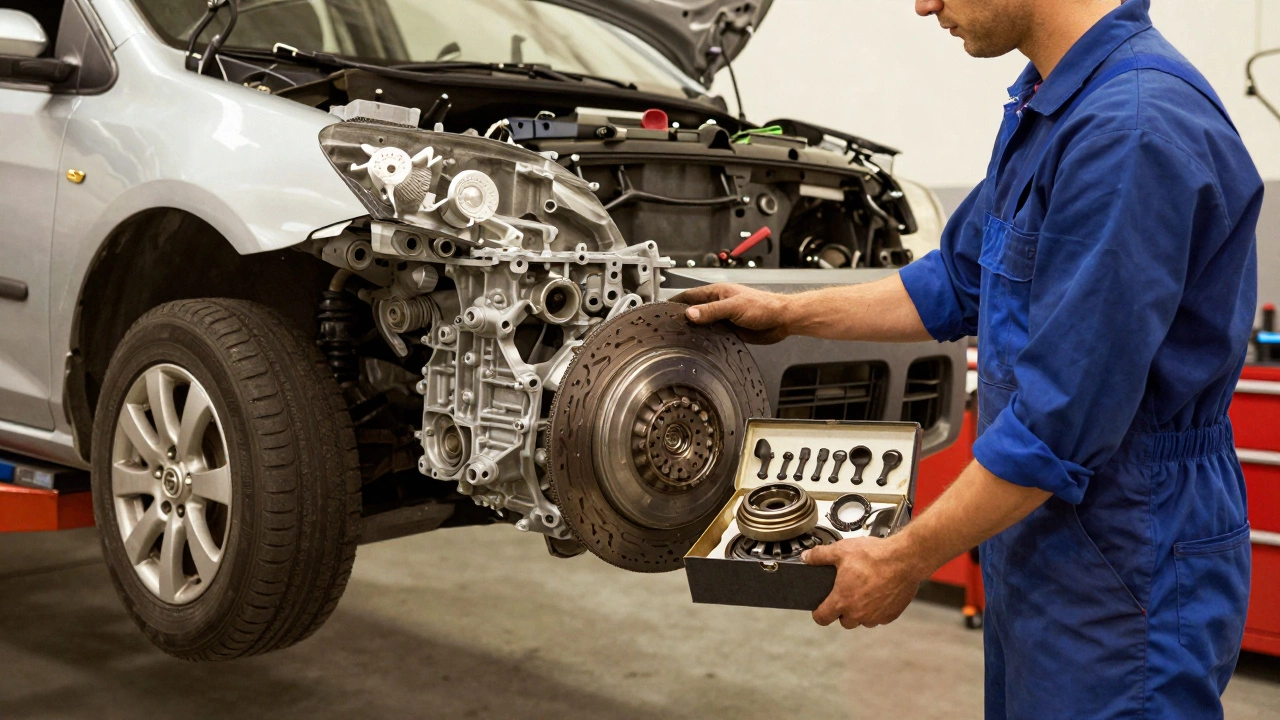
The only reliable solution for a slipping clutch is replacement. This involves installing a new clutch kit, which typically includes the clutch disc, pressure plate, and release bearing. Here’s why replacing the entire kit is necessary:
- Clutch Disc: This is the component that wears out. A new disc restores proper friction.
- Pressure Plate: Old pressure plates lose spring tension. Even if the disc were replaced alone, a weak pressure plate wouldn’t clamp it tightly enough.
- Release Bearing: This bearing allows the clutch to disengage. If it’s noisy or worn, it will fail soon after installation.
- Flywheel Inspection: The flywheel must be inspected for heat spots or warping. If damaged, it needs resurfacing or replacement.
Attempting to replace just the disc while keeping the old pressure plate is a risky shortcut. Mechanics generally advise against this because mismatched components lead to premature failure again.
Cost Considerations: Repair vs. Replacement
Many drivers hope for a cheap fix, but clutch work is labor-intensive. The transmission must be removed to access the clutch assembly. In 2026, average costs in the UK vary significantly based on vehicle type:
| Vehicle Type | Labor Hours | Parts Cost | Total Estimate |
|---|---|---|---|
| Front-wheel drive hatchback | 4-6 hours | £150 - £300 | £400 - £700 |
| Rear-wheel drive sedan | 6-8 hours | £200 - £400 | £600 - £900 |
| Performance/Sports car | 8+ hours | £400 - £800+ | £900 - £1,500+ |
While these prices seem high, they reflect the complexity of the job. Cheap alternatives, such as aftermarket kits, may save money upfront but often fail sooner than OEM (Original Equipment Manufacturer) parts. Investing in quality parts ensures longevity and safety.
Common Misconceptions About Clutch Adjustment
Some drivers confuse clutch adjustment with clutch repair. Adjusting the clutch cable or hydraulic system can improve pedal travel and engagement point, but it does not fix wear. Here’s where confusion often arises:
- Cable Adjustment: On older cars, loosening or tightening the clutch cable changes how far the pedal travels before the clutch disengages. This helps if the pedal is too stiff or too low, but it won’t stop slippage.
- Hydraulic Bleeding: Air bubbles in the clutch hydraulic line can cause a spongy pedal. Bleeding the system removes air, restoring firmness, but again, it doesn’t address worn friction material.
- Clutch Alignment Tool: During installation, an alignment tool ensures the new disc is centered. Using the wrong tool can damage the pilot bearing, leading to immediate failure.
If your mechanic suggests "adjusting" your clutch to fix slippage, ask for clarification. They likely mean checking the hydraulic system or cable, not solving the core wear issue.
When Might "Tightening" Seem Like It Works?
In rare cases, a temporary improvement might occur due to external factors. For example, if oil leaks onto the clutch disc from a failing rear main seal, the disc becomes slippery. Cleaning the area might temporarily restore grip, but the leak remains. Similarly, a contaminated clutch fluid could cause erratic behavior. However, these are exceptions, not rules. The vast majority of slipping clutches require full replacement.
Another scenario involves dual-mass flywheels. These complex units dampen engine vibrations. If the flywheel fails, it can mimic clutch slippage. Replacing the flywheel alone might resolve the issue without touching the clutch disc, but this is a diagnostic nuance, not a tightening fix.
Preventing Future Clutch Slippage
Once you’ve replaced your clutch, maintaining it properly extends its life. Bad driving habits are the number one cause of premature wear. Avoid these mistakes:
- Riding the clutch: Keeping your foot resting on the pedal while driving keeps the clutch partially disengaged, generating heat.
- Launching hard: Revving high and dumping the clutch stresses the friction material unnecessarily.
- Using the clutch as a handbrake: Resting on hills with the clutch half-engaged instead of using the parking brake accelerates wear.
- Ignoring warning signs: Addressing minor noises or pedal changes early prevents catastrophic failure.
Regular maintenance checks, including inspecting clutch fluid levels and looking for leaks, help catch issues before they become major problems. In urban areas like Manchester, where stop-start traffic is common, gentle clutch operation is crucial for longevity.
DIY vs. Professional Installation
Replacing a clutch is a significant DIY project. It requires specialized tools, a lift or jack stands, and mechanical expertise. While some enthusiasts enjoy the challenge, errors can lead to costly mistakes. Common pitfalls include:
- Misaligning the clutch disc during installation
- Damaging the input shaft seal
- Failing to lubricate splines correctly
- Omitting the throw-out bearing lubrication
For most drivers, professional installation is safer and more cost-effective when factoring in tool rental and potential rework. Ensure your mechanic uses reputable brands for the clutch kit and flywheel treatment.
Can I drive with a slipping clutch?
You should avoid driving with a slipping clutch. It generates excessive heat, which can warp the flywheel and damage the transmission. Short trips to a repair shop are acceptable, but prolonged use risks total failure.
How long does a clutch last?
On average, a clutch lasts between 60,000 and 100,000 miles. However, aggressive driving, frequent towing, or city driving with heavy traffic can reduce lifespan to 30,000 miles or less.
Is clutch replacement expensive?
Yes, clutch replacement is one of the more costly routine repairs due to high labor hours. Prices range from £400 to over £1,500 depending on the vehicle. Budget for additional costs if the flywheel needs resurfacing.
Can a mechanic adjust the clutch to stop slipping?
No. Adjustments only affect pedal travel or hydraulic pressure. They do not restore worn friction material. If a mechanic claims adjustment fixes slippage, seek a second opinion.
What causes a clutch to slip prematurely?
Premature slippage is usually caused by riding the clutch, launching aggressively, or contamination from oil leaks. Poor quality aftermarket kits can also fail faster than expected.