Performance Car Parts: What Really Matters for Power, Safety, and Longevity
When you think about performance, how a car delivers power, responsiveness, and control under real driving conditions. Also known as vehicle dynamics, it isn't just about loud exhausts or big spoilers—it's about the parts that work together to make your car faster, safer, and more reliable. Most people focus on flashy upgrades, but the real performance gains come from parts that are properly maintained, correctly matched, and replaced before they fail.
exhaust system, the pathway that moves exhaust gases out of the engine and affects both sound and engine efficiency. Also known as tailpipe system, it's one of the most misunderstood upgrades. A performance exhaust doesn't always mean more horsepower—it often means less backpressure, better flow, and a sound that matches your driving style. But if your muffler is too loud or your catalytic converter is missing, you're not just breaking the law—you're hurting your engine's efficiency. And that’s not performance, that’s waste. Then there’s brake pads, the friction material that stops your car by pressing against the rotors. Also known as brake linings, they wear down quietly. A squeal isn’t just annoying—it’s a warning. If you ignore it, you’ll end up grinding metal on metal, damaging rotors that cost three times as much to replace. And that’s not a performance upgrade—that’s a financial disaster. Your clutch, the component that connects your engine to the transmission and allows gear changes. Also known as clutch assembly, can last 60,000 miles or 100,000 miles—it all depends on how you drive. If you ride the clutch, launch hard, or don’t let it fully engage, you’re shortening its life. And when it goes, you’re not just out of commission—you’re looking at a big repair bill that includes the flywheel, pressure plate, and release bearing. Don’t forget the radiator, the cooling system component that keeps your engine from overheating by transferring heat to the air. Also known as engine cooler, it lasts 8 to 12 years—if you keep the coolant fresh and the hoses intact. A small leak or a clogged core can turn into a blown head gasket in minutes. No performance car can run if it’s overheating.
These parts don’t work in isolation. A bad suspension affects how your brakes respond. Old spark plugs reduce engine power, making your exhaust work harder. Low oil levels or wrong oil types hurt engine efficiency, which throws off everything else. Performance isn’t about one upgrade—it’s about the whole system working right.
Below, you’ll find clear, no-fluff guides on exactly when to replace these parts, what signs to watch for, and how to avoid costly mistakes. No guesswork. No marketing hype. Just real advice from people who’ve seen what happens when performance parts fail—and how to stop it before it costs you.

Can a Cat Back Exhaust Damage My Engine? What You Need to Know
This article breaks down whether a cat back exhaust can damage your engine. It explains what a cat back system is, highlights any real risks, and shares helpful tips for car owners considering this upgrade. You’ll get straight facts, not just myths or scary stories. Find out what to watch for and how to keep your car running smoothly with or without a cat back system.
June 13 2025
Are Alloy Wheels Worth the Money? What You Really Get for the Price
Thinking of switching to alloy wheels? This article cuts through the hype to lay out exactly what alloy wheels offer—more than just looks. We'll dig into performance, cost, maintenance, and common myths. If you’re on the fence, you'll find out who really benefits from the upgrade, and who’s better off sticking with standard wheels. No sugar-coating, just what you need to make the choice.
April 24 2025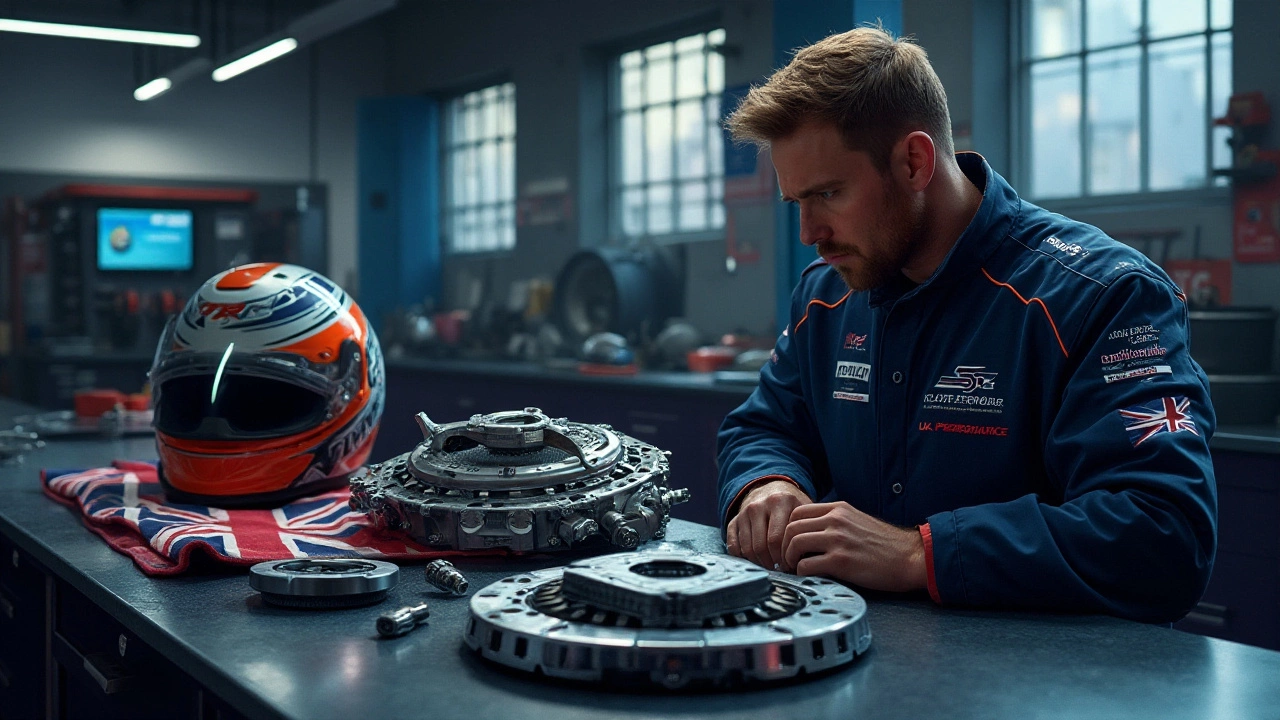
Understanding Stage 3 Clutch Systems and Their Benefits
Stage 3 clutches are designed for high-performance vehicles and applications that require increased power handling capabilities. These clutch kits are a step up from standard offerings, providing stronger pressure plates and friction materials. They are an ideal choice for enthusiasts looking to push their vehicles to the limit. In this article, we explore what makes stage 3 clutches distinct, who can benefit from them, and the factors to consider when upgrading your clutch system.
February 1 2025