Oil Degradation: What It Is, Why It Matters, and How to Stop It
When your engine oil breaks down, it’s not just getting dirty—it’s losing its ability to protect your engine. This process is called oil degradation, the chemical and physical breakdown of motor oil under heat, pressure, and contamination. Also known as oil breakdown, it’s the silent killer behind most premature engine failures. Even if your car runs fine, degraded oil can’t lubricate properly, cool critical parts, or clean out sludge. Over time, that leads to metal-on-metal wear, overheating, and eventually, a seized engine.
Engine oil, the lifeblood of your engine’s internal components starts out as a carefully balanced mix of base oils and additives. These additives fight oxidation, reduce friction, and trap dirt. But every time your engine heats up, those additives burn off. Dust, fuel, and coolant sneak in. Water builds up from short trips. The oil gets thicker, darker, and loses its flow. That’s why motor oil lifespan, how long oil stays effective before it becomes harmful isn’t just about miles—it’s about conditions. If you drive in stop-and-go traffic, tow heavy loads, or live in extreme heat, your oil degrades faster than the manual says.
Oil change interval, the recommended time or distance between oil changes isn’t a suggestion—it’s a safety limit. Going past it doesn’t just mean dirty oil. It means your engine is running on fluid that’s lost its viscosity, its cleaning power, and its ability to protect bearings, pistons, and valves. The result? Higher repair bills. Lower fuel economy. And in worst cases, a total engine replacement. Many people think synthetic oil lasts forever, but even the best synthetics degrade. The difference? They hold up longer. But they don’t last forever.
And here’s the thing: you won’t always feel it coming. No warning lights. No strange noises. Just a slow decline in performance, a slight increase in fuel use, and maybe a faint smell of burning oil. That’s why checking your oil regularly isn’t optional. Look at the color—dark and thick means trouble. Smell it—if it smells burnt, it’s done. And never rely on mileage alone. If you drive mostly short trips in cold weather, your oil degrades faster than if you drive highway miles. Your engine doesn’t care what the manual says—it cares what’s actually in the crankcase.
That’s why the posts below cover everything from what happens when you skip oil changes, to how synthetic oil differs from conventional, to when you should avoid synthetics altogether. You’ll find real-world advice on spotting oil degradation before it ruins your engine, how to test your oil’s condition, and what other parts—like the oil filter or PCV valve—can make it worse. These aren’t theory pieces. They’re fixes for people who’ve been there, and don’t want to go back.
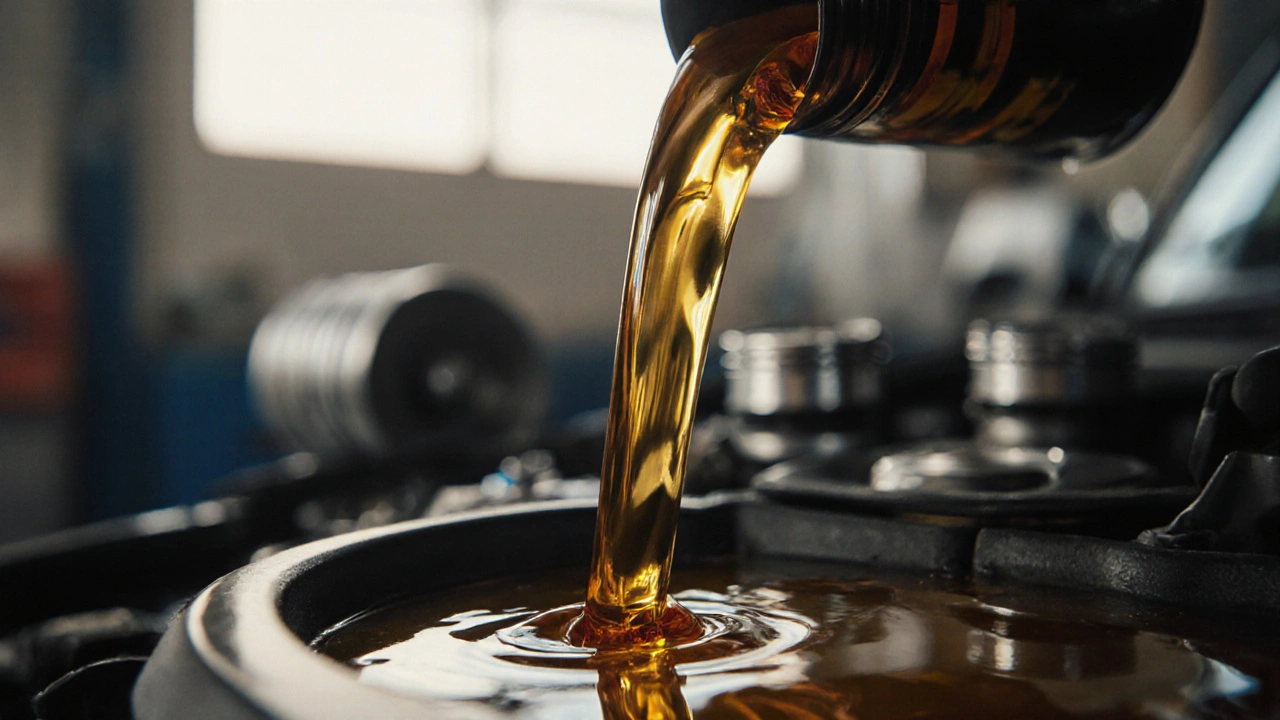
How Long Can Engine Oil Sit Before It Goes Bad? - Practical Guide & Timelines
Learn how long engine oil can sit idle before it degrades, the factors that affect its lifespan, and practical tips for safe storage and checking oil health.
October 16 2025